



Africa | South Africa | Port Elizabeth


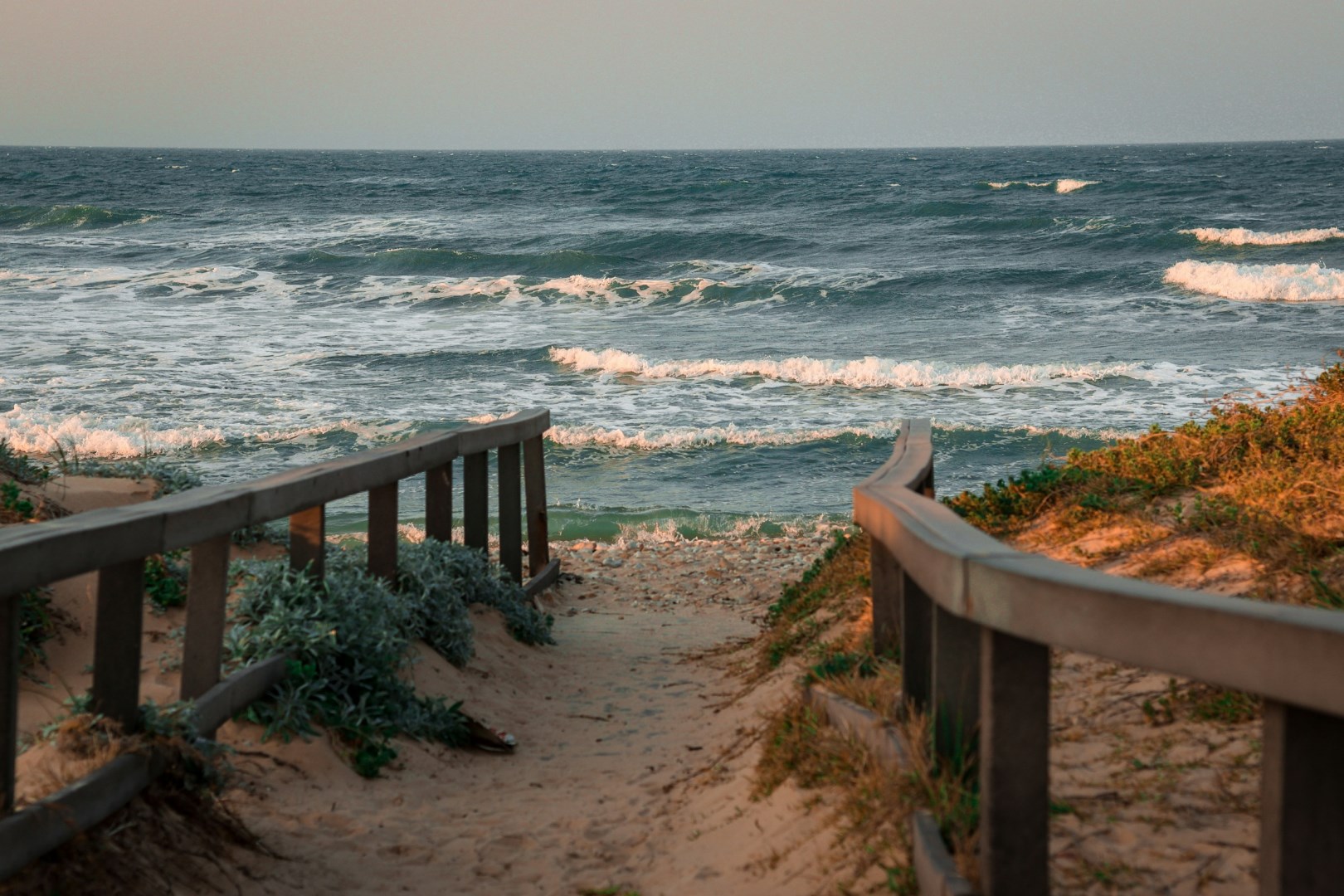



Port Elizabeth, set along the beautiful shores of Algoa Bay, is located on the south eastern coast of Africa, and is a major tourist destination better known as the Friendly City! The city offers the best mix of eco-attractions as a holiday destination with a rich diversity: scenic nature trails and wildlife experiences, long golden beaches, historic heritage and a unique coastal climate. The calm waters of Algoa Bay, its shores lapped by the warm Indian Ocean, make Port Elizabeth a mecca for all beach and watersport activities.
Port Elizabeth enjoys more sunshine hours and fewer rainy days than any other coastal city in South Africa. The city boasts a moderate climate all year round with sea temperatures ranging from 16 degrees C in Winter to 23 degrees C in Summer. The average temperature for Summer and Winter are 77 degrees and 62 degrees respectively - truly an ideal place to holiday!
Port Elizabeth enjoys more sunshine hours and fewer rainy days than any other coastal city in South Africa. The city boasts a moderate climate all year round with sea temperatures ranging from 16 degrees C in Winter to 23 degrees C in Summer. The average temperature for Summer and Winter are 77 degrees and 62 degrees respectively - truly an ideal place to holiday!
Other Popular Destinations in South Africa

Cape Town, located at the southern tip of South Africa, is one of the world’s most striking coastal cities. Towering over it is Table Mountain, a flat-topped landmark that can be reached by cable car or on foot, offering sweeping views of the city, ocean, and beyond.