Pondicherry is a coastal town in southern India that still carries traces of its French colonial past. The French Quarter, or White Town, is filled with mustard-yellow buildings, iron-laced balconies, and streets with French names. Visitors can explore this area on foot or by bicycle, stopping at spots like the 18th-century Eglise de Notre Dame des Anges, built in Greco-Roman style, or the French Consulate, which continues to operate from a colonial-era building.
Pulau Ubin, an island northeast of mainland Singapore, offers a glimpse into the country’s past with its preserved kampong (village) atmosphere and rustic landscapes. Unlike the modern cityscape of Singapore, Pulau Ubin retains its traditional charm, with wooden houses, coconut palms, and unpaved roads where bicycles are the main mode of transport.
Elvas rises from the Alentejo plains near the Spanish border as one of Portugal’s most striking fortified towns, shaped by centuries of defense, resilience, and daily life along the frontier. Encircled by an immense network of walls, bastions, and hilltop forts, the town tells a clear story of strategy and survival, from the sweeping views at Forte da Graça to the quiet streets within the historic center.
The Marshall Islands, a remote chain of atolls and islands in the central Pacific, invites travelers into a world where tradition, ocean life, and recent history all leave a lasting impression. Spread across nearly a million square miles of ocean, this independent nation offers rare access to some of the world’s most pristine marine environments.
The Dolomites, a spectacular mountain range in northern Italy, offer a captivating blend of dramatic landscapes and outdoor adventure. Renowned for their unique jagged peaks and stunning natural beauty, the Dolomites are part of the Southern Limestone Alps and are a UNESCO World Heritage Site.
Vesteralen is a coastal archipelago in northern Norway, located just north of the Lofoten Islands, known for its wide-open landscapes, dramatic skies, and strong ties to the sea. Historically shaped by fishing and seafaring, the region’s communities developed around sheltered harbors and seasonal fisheries, particularly for cod.
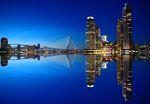
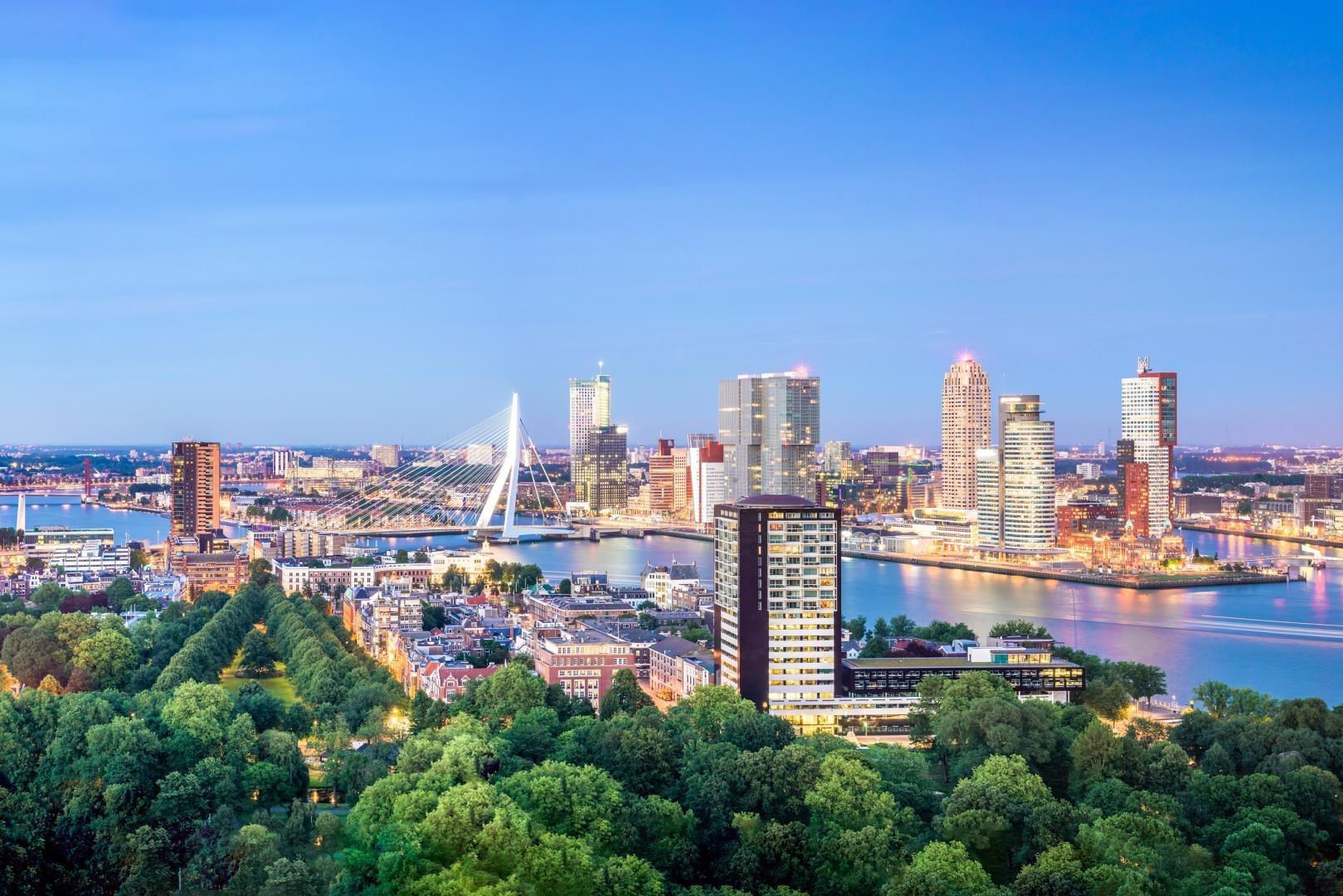
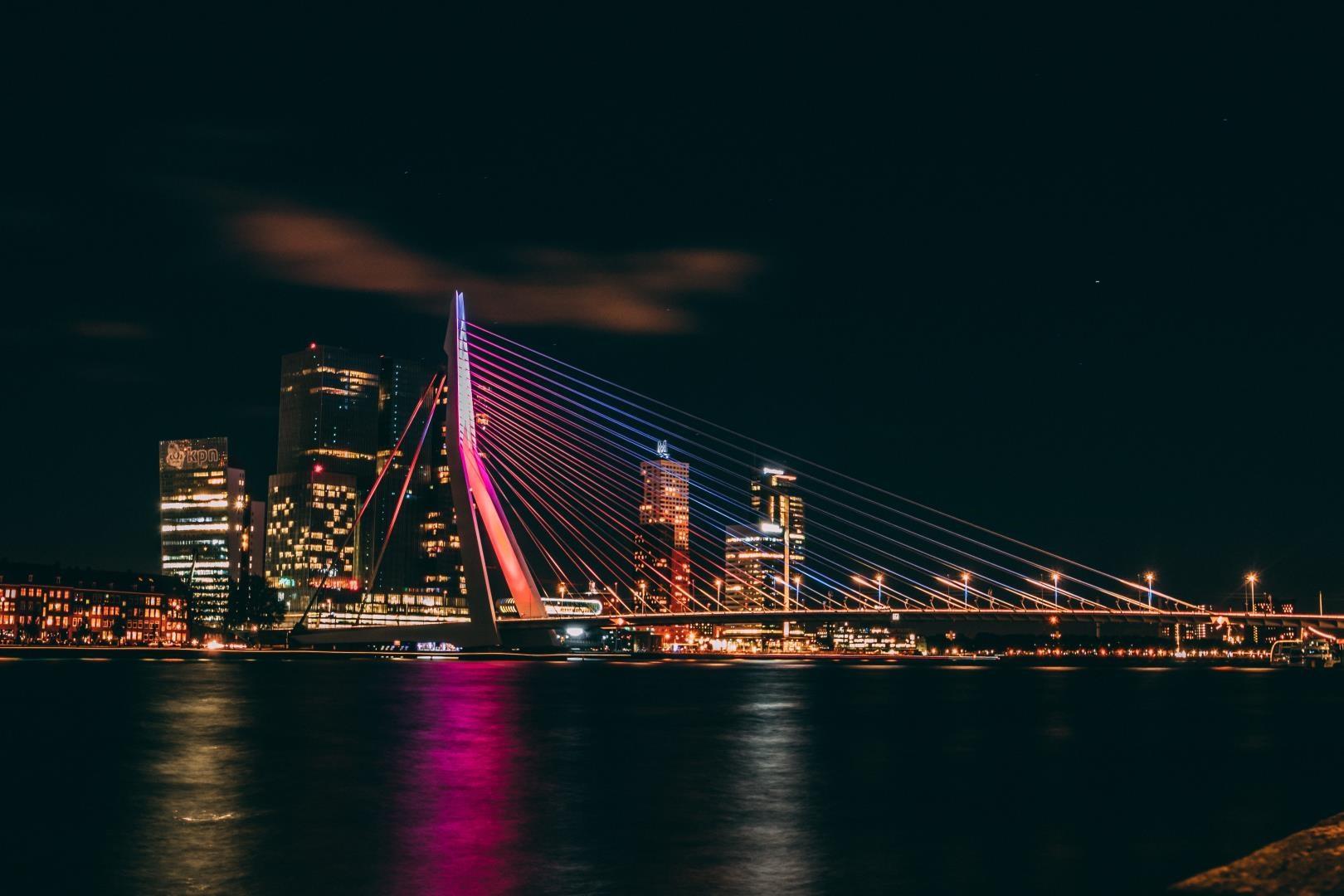
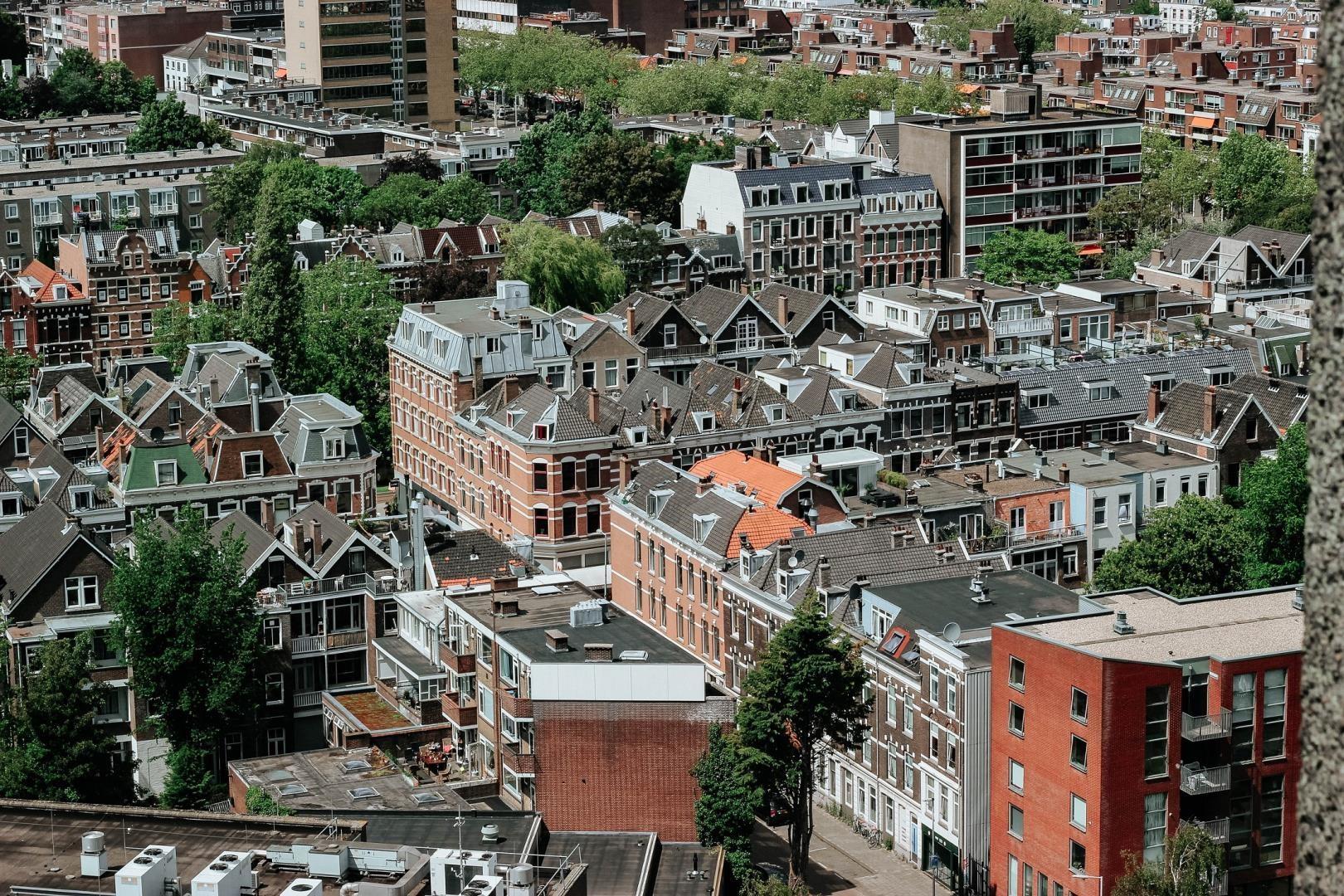
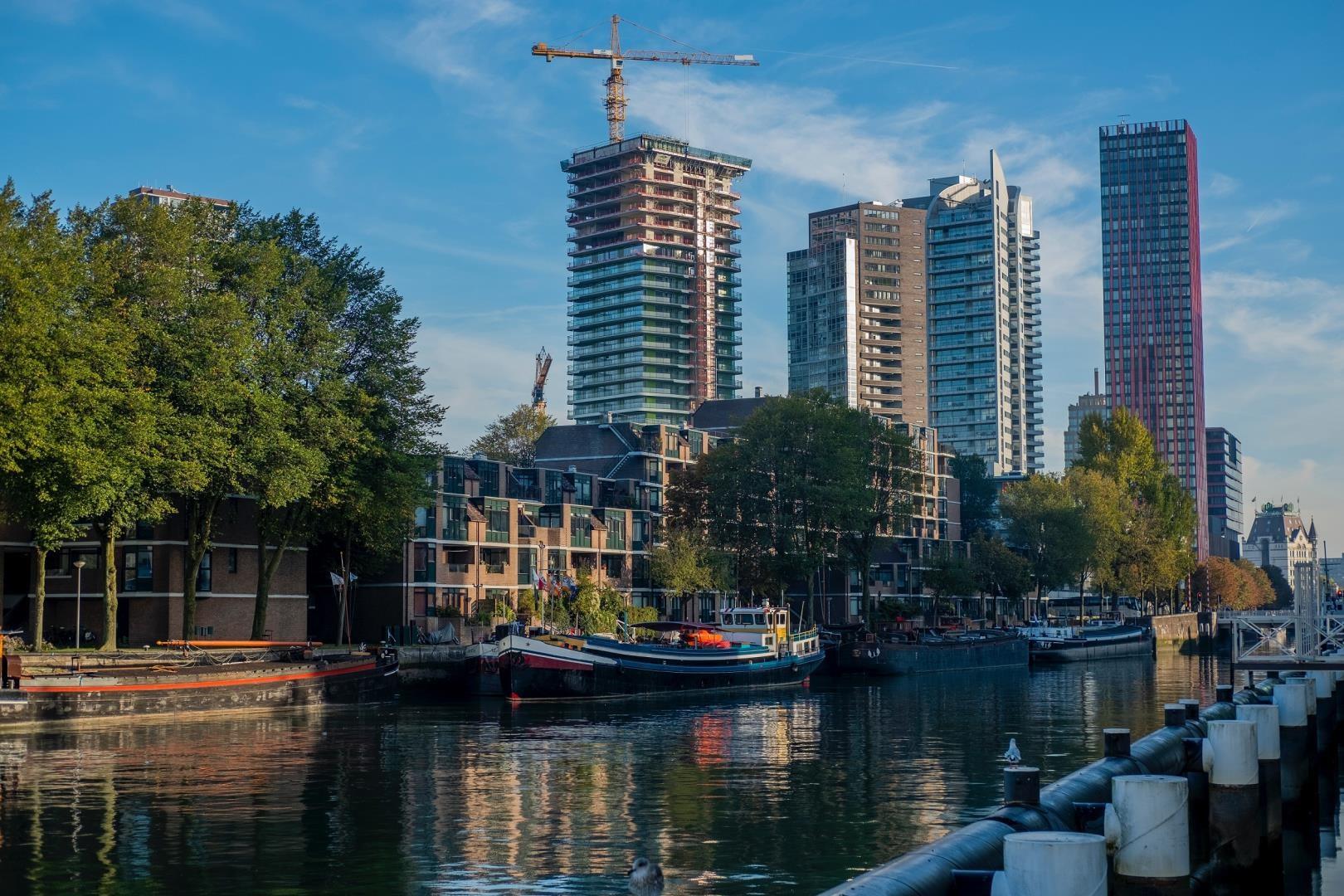
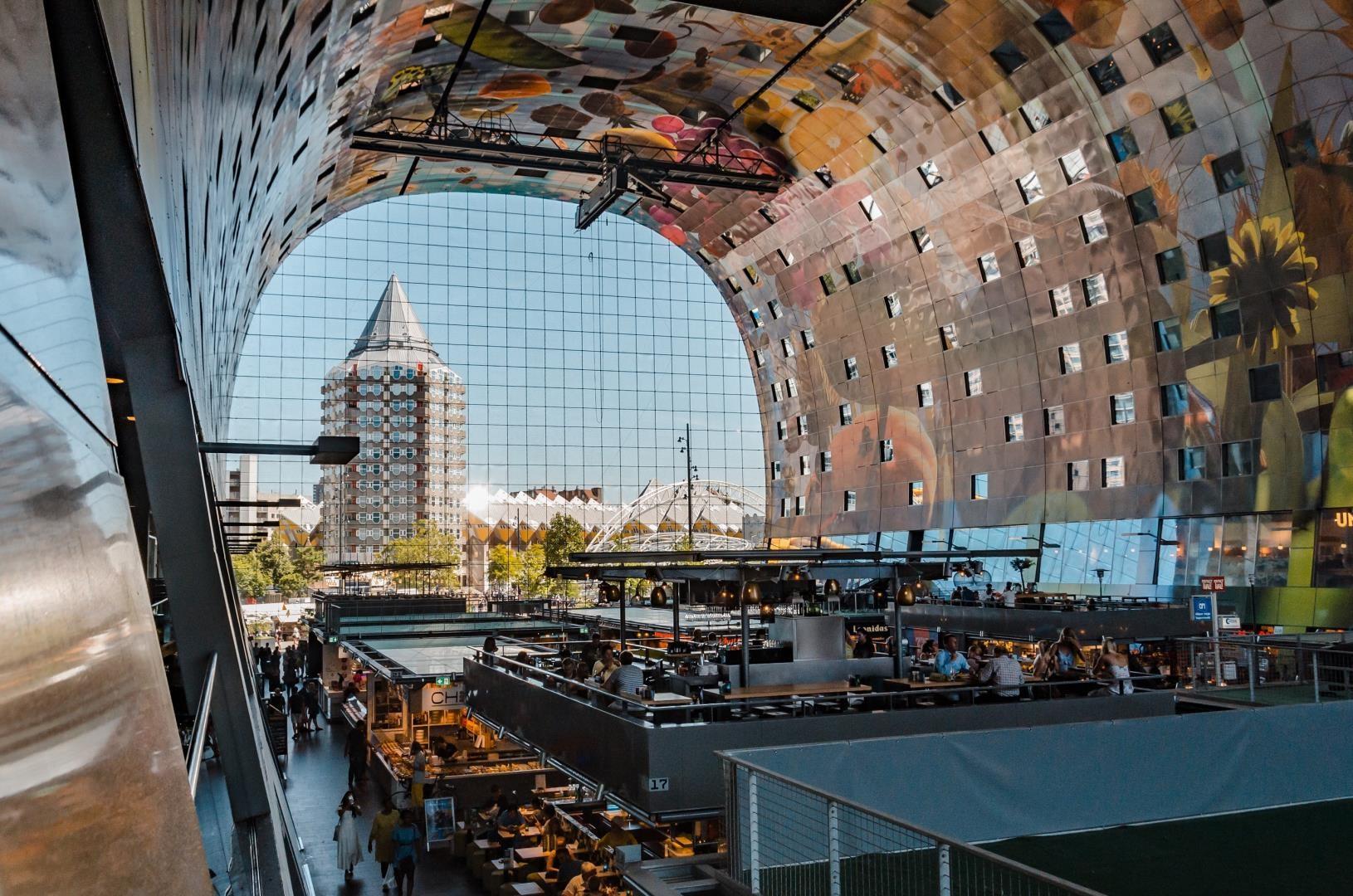
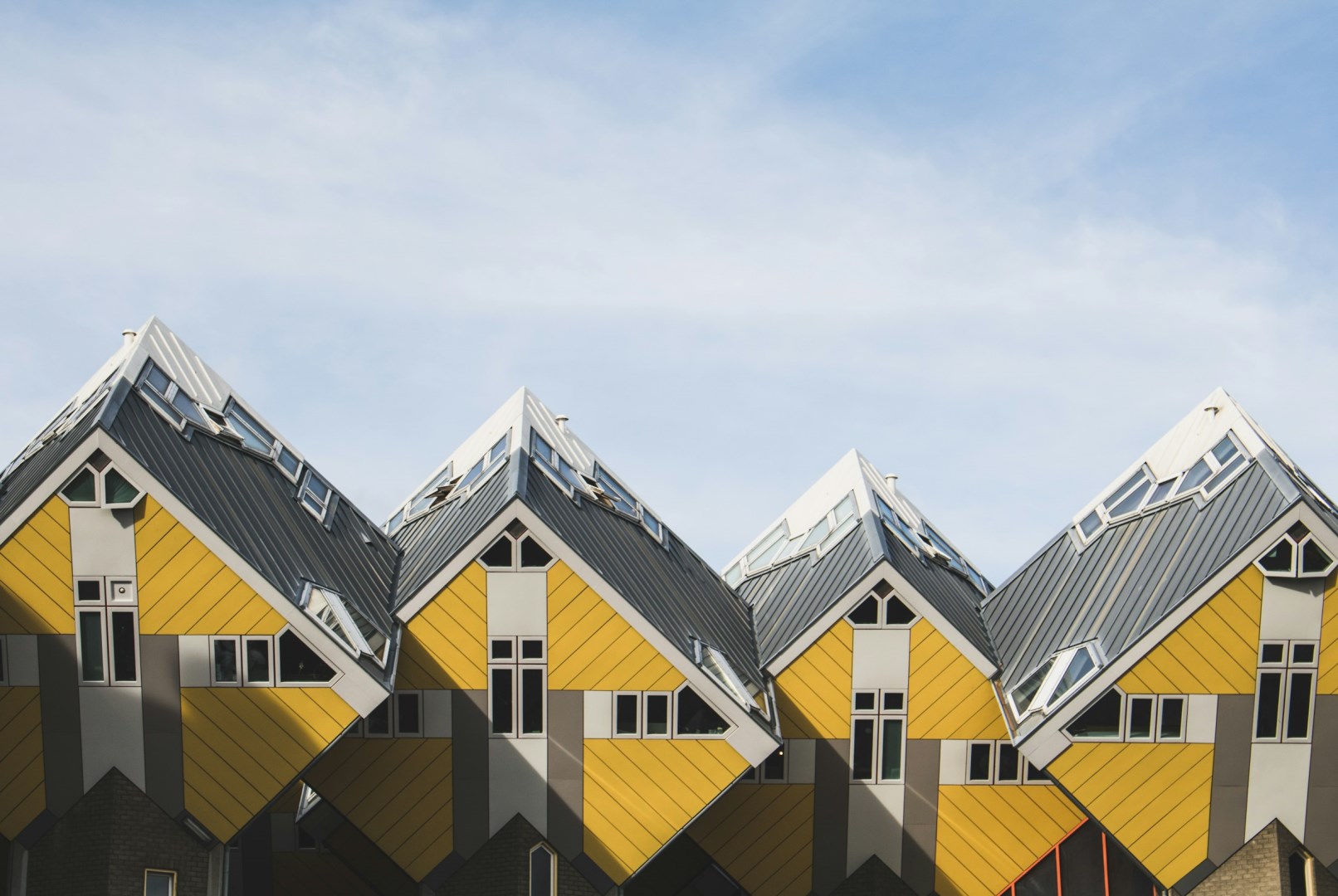
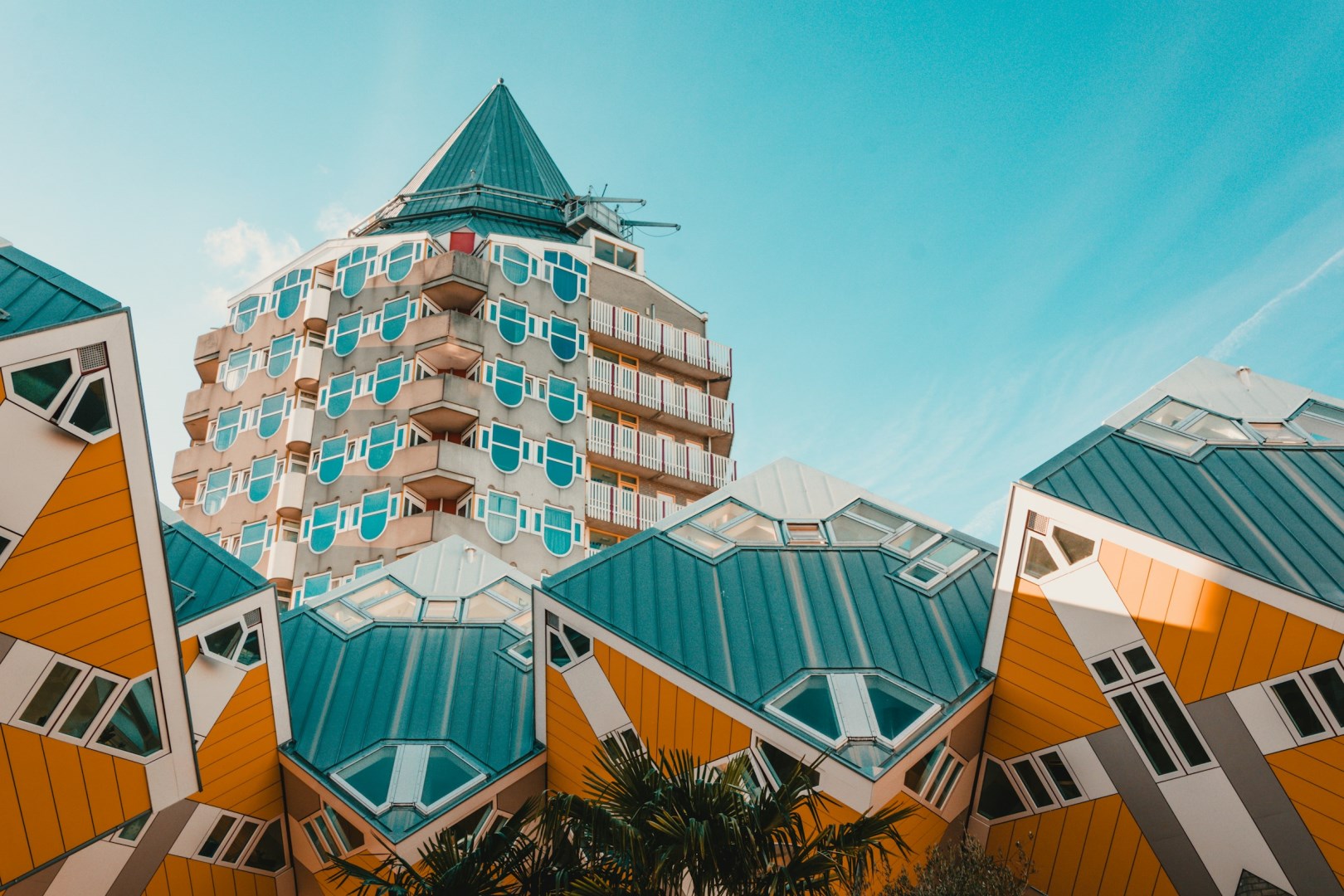
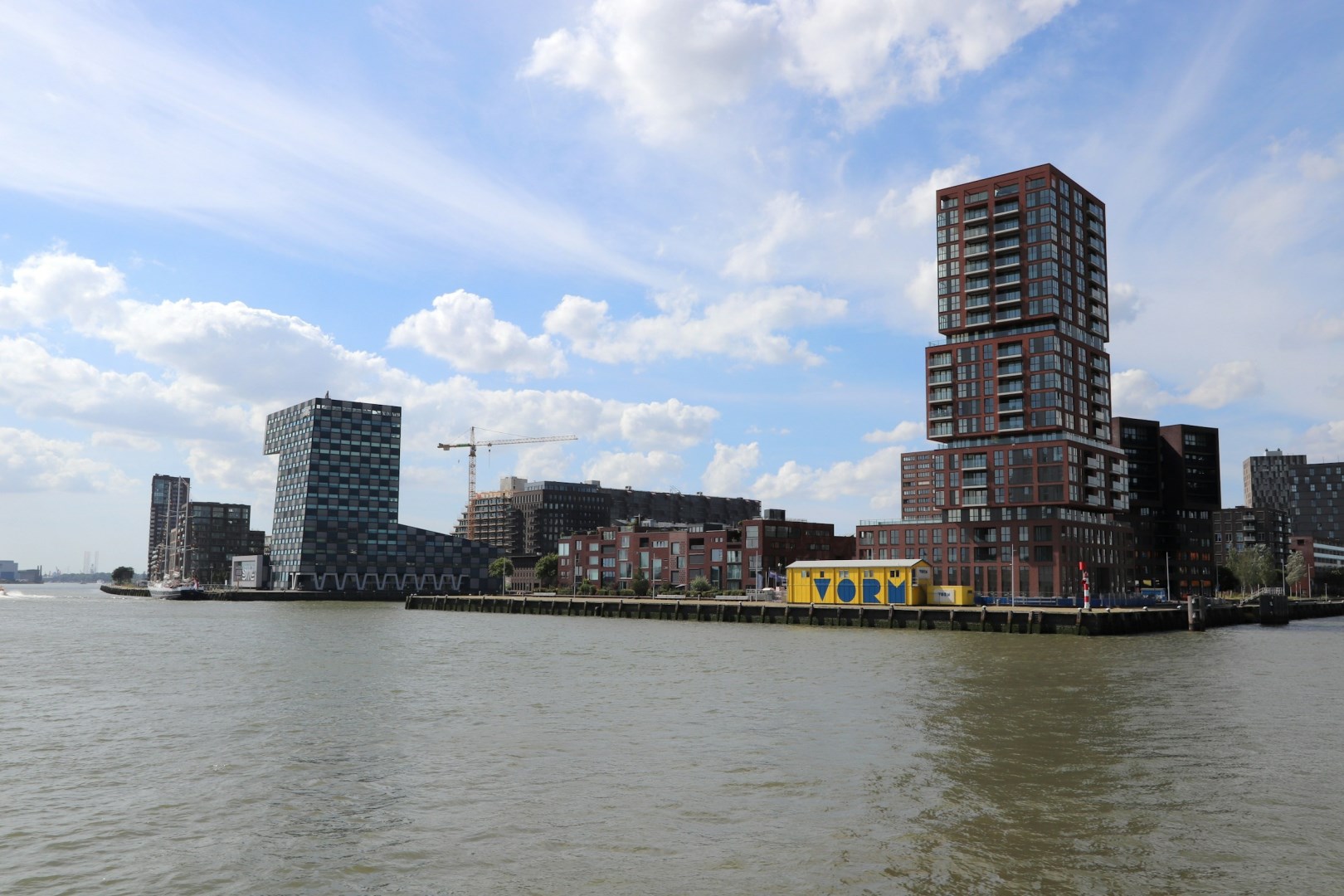
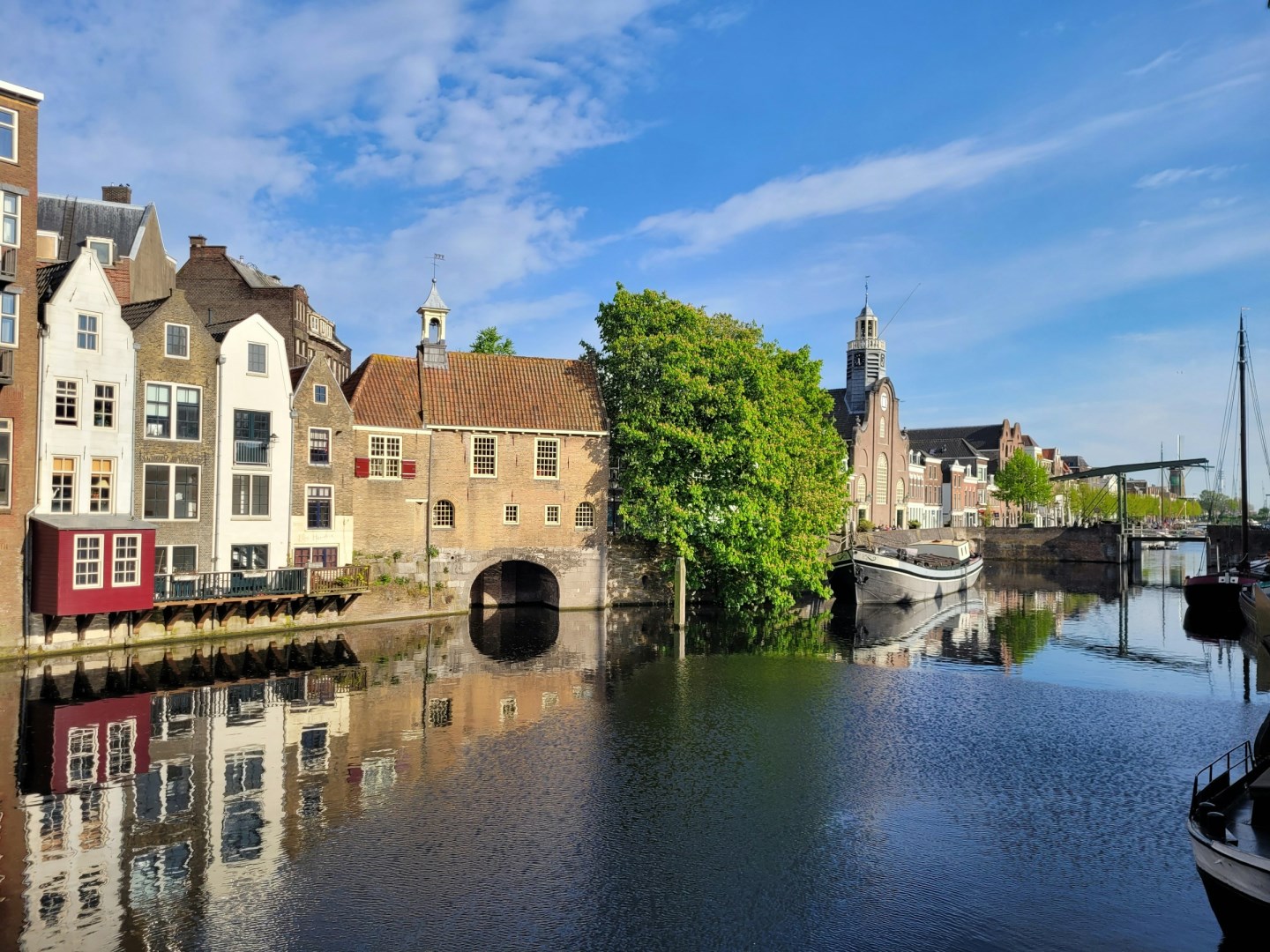
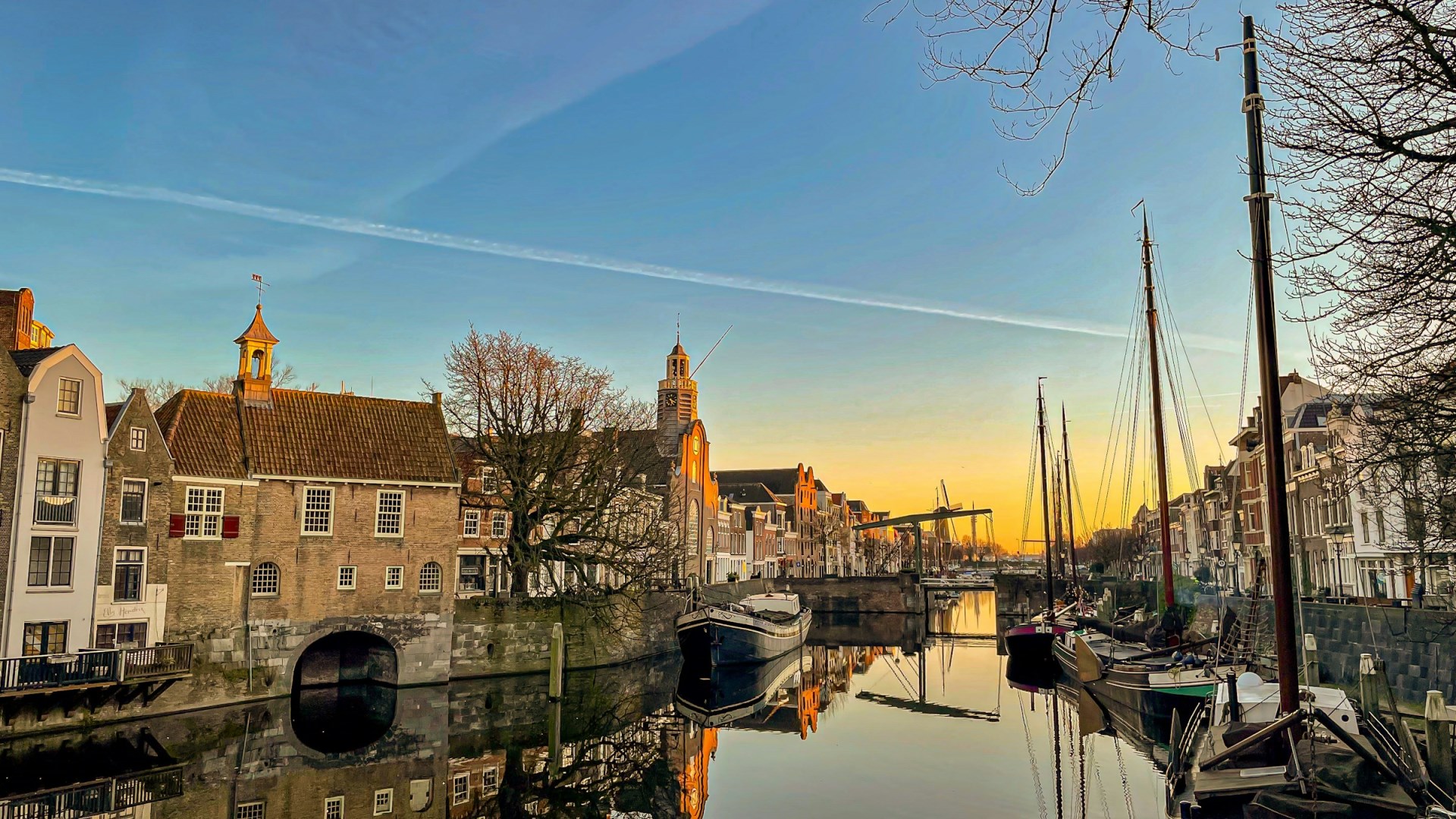
If you find yourself in Rotterdam, there's a strong chance you've arrived by water. This popular port city (the second largest in the Netherlands) has gone through an architectural renaissance since World War II, with daring, innovative structures dotting the city (cube houses!) and defining its skyline. Café culture is on the rise here, so grab yourself a table and a cup. Meanwhile, traditional cultural offerings can be found at the Boymans-van Beuningen Museum, with its paintings by Dutch and Flemish artists. And be sure to gaze upon Erasmusbrug, which is less a cable bridge than a spectacular icon, nicknamed "The Swan."