


USA | California | Sacramento
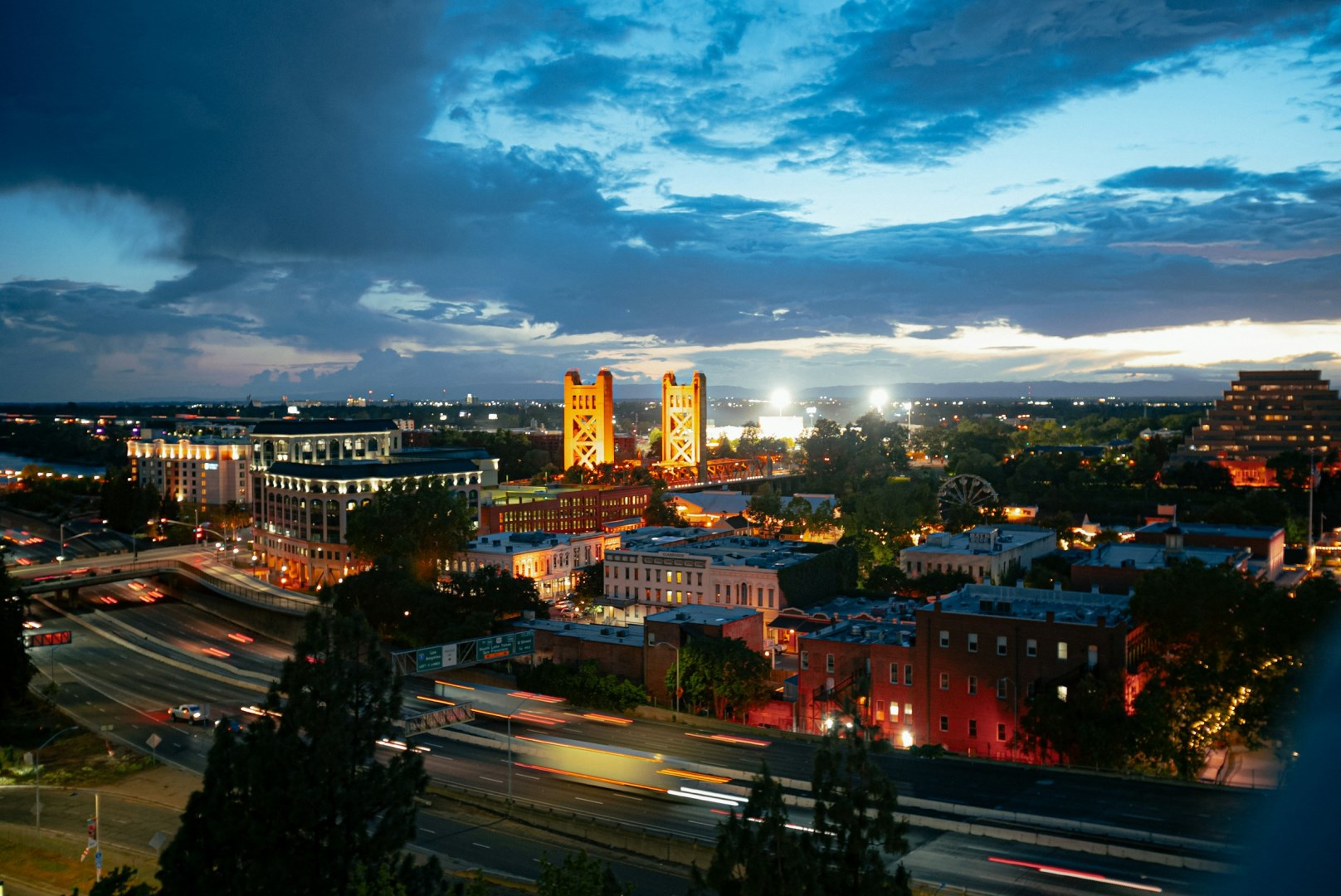

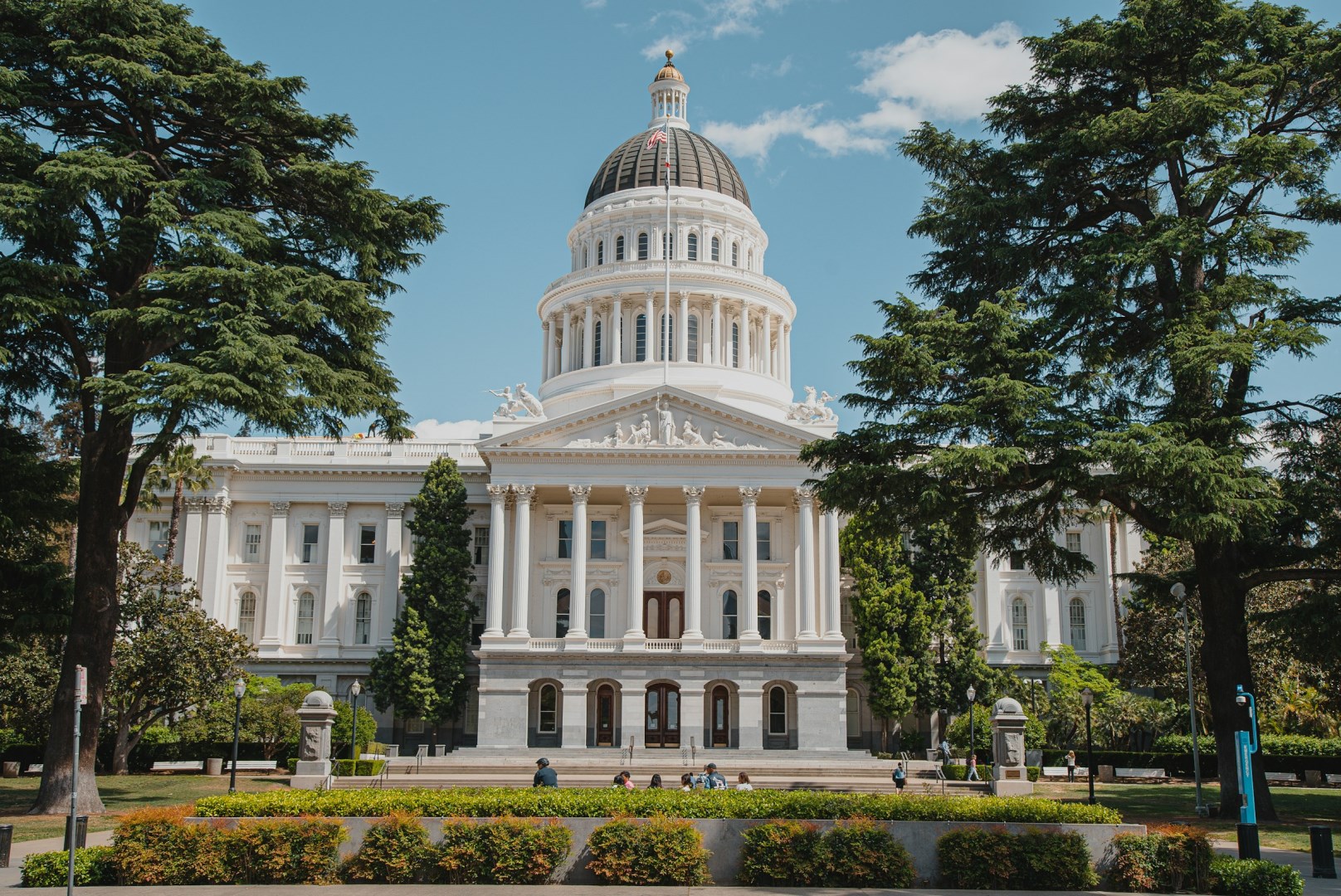

Sacramento is the capital of California, located where the Sacramento and American rivers meet in the northern Central Valley. The city is surrounded by fertile agricultural land and serves as a major center for government, education, health care, and regional commerce. Its downtown includes the State Capitol, historic Old Sacramento, museums, restaurants, and tree-lined streets, while neighborhoods extend across a broad urban area. The Sacramento River and American River provide important natural corridors through and around the city, with parks, trails, and waterfront areas connecting the urban landscape to the surrounding valley.
Sacramento has deep Indigenous roots, particularly among the Nisenan and Miwok peoples, who lived along the rivers and valley before European settlement. The city later became an important center during California's early statehood and the development of transportation, agriculture, and commerce in the Central Valley. Old Sacramento preserves a collection of historic buildings, wooden sidewalks, and waterfront structures that reflect the city's early commercial role. The California State Capitol and the California State Railroad Museum provide additional insight into the political and transportation history that helped shape Sacramento and the wider state.
The city's rivers and extensive park system provide a range of outdoor spaces. The American River Parkway follows the American River through forests, grasslands, and wetlands, with trails used for walking, cycling, fishing, and wildlife observation. William Land Park contains gardens, open lawns, recreational facilities, and the Sacramento Zoo, while the Sacramento River waterfront provides paths and views of the river. The city is also known for its large canopy of mature trees, particularly in residential neighborhoods and public parks. Nearby agricultural areas produce fruits, vegetables, rice, nuts, and other crops that supply the region.
Food is an important part of Sacramento's identity, supported by the productive farms surrounding the city and its diverse population. Farmers markets and restaurants make extensive use of Central Valley produce, while local dining reflects Mexican, Southeast Asian, South Asian, Mediterranean, and other culinary traditions. Sacramento is sometimes described as America's Farm-to-Fork Capital because of its close relationship with surrounding agricultural communities. The city also has a significant craft brewing and coffee scene, adding to its contemporary food culture. Its combination of river landscapes, government institutions, historic districts, and agricultural connections makes Sacramento distinct among California's major cities.
Learn More About Sacramento

Other Popular Destinations in California