

Middle East | Saudi Arabia | Tabuk
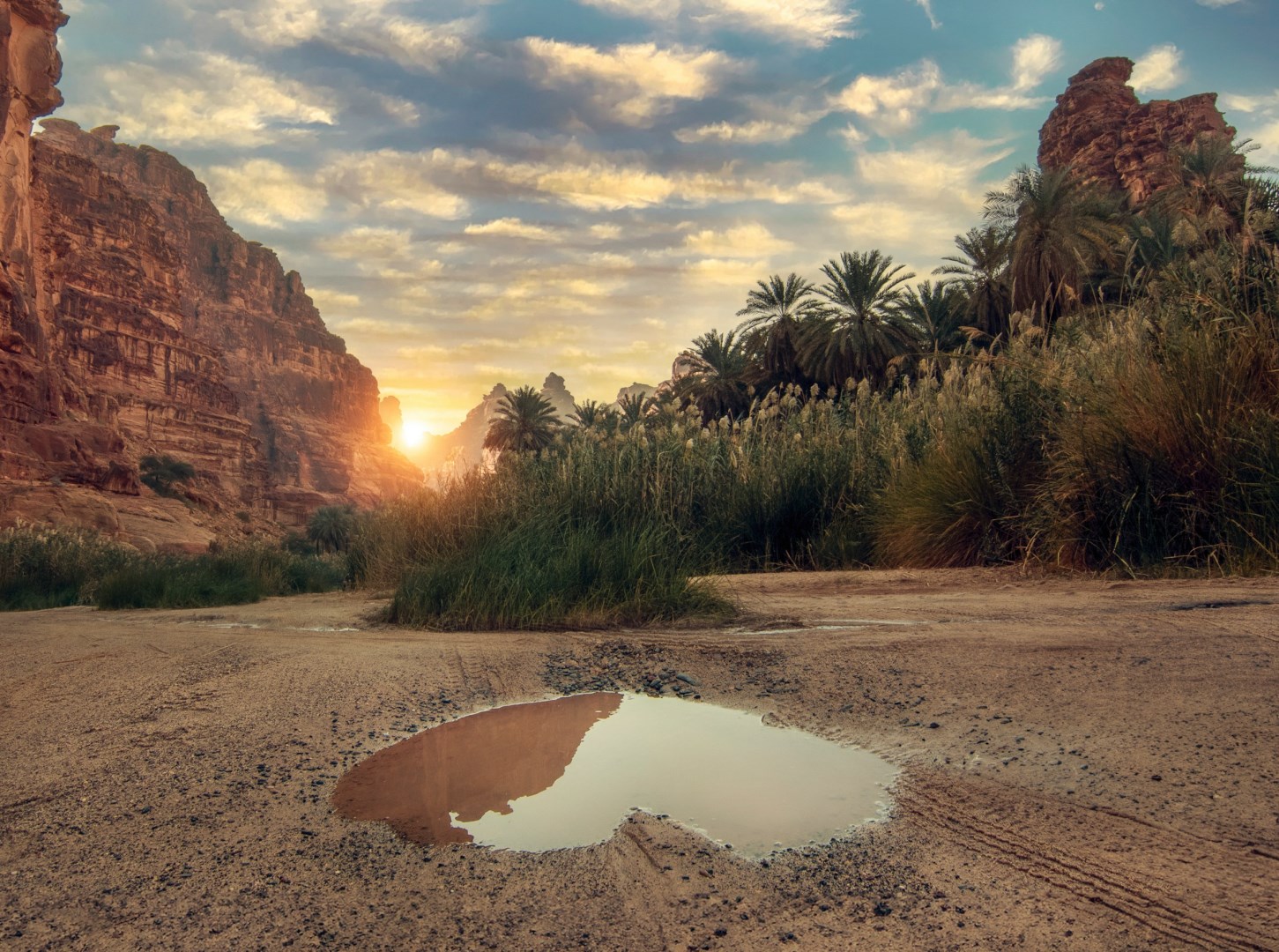
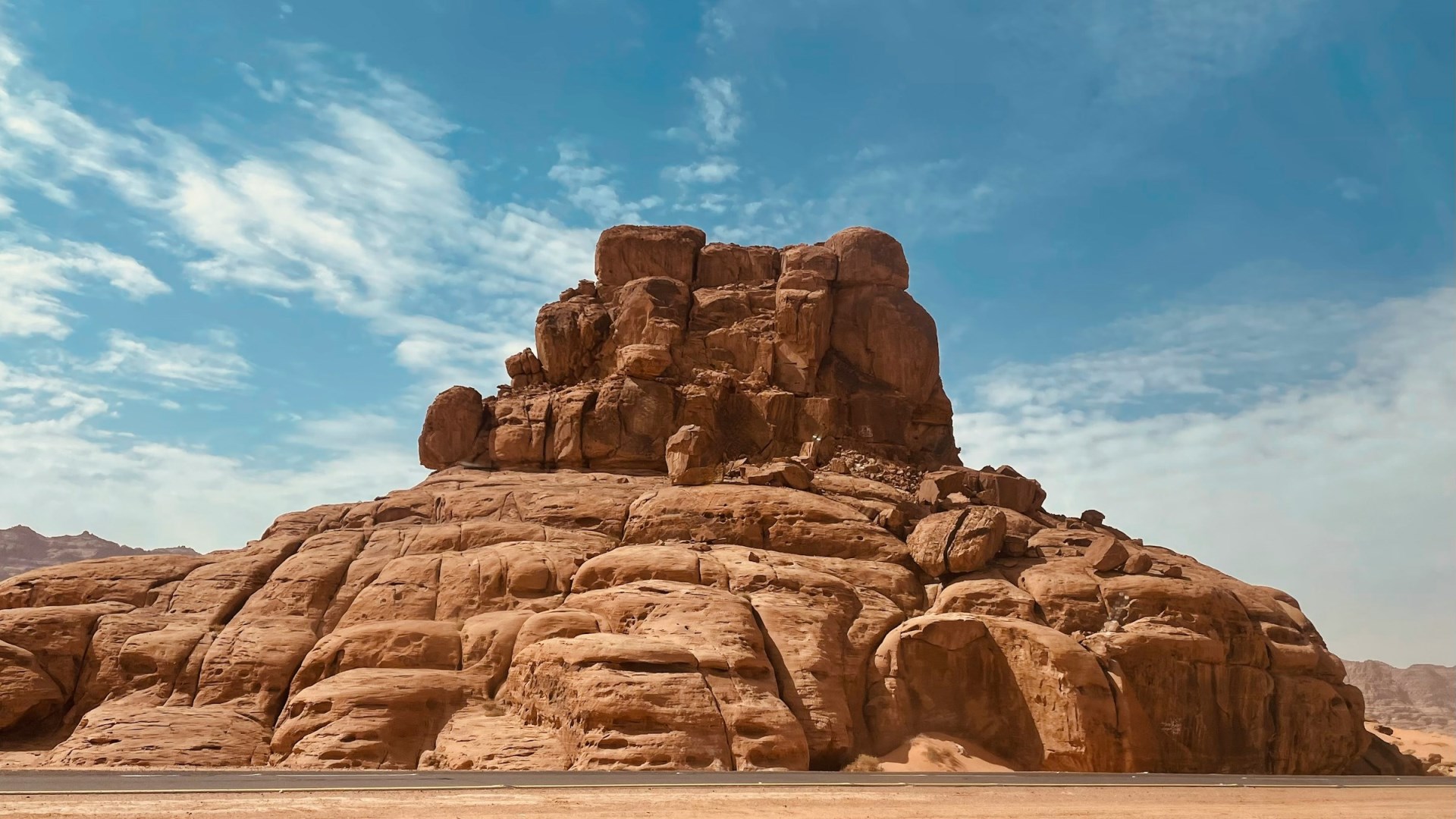
Tabuk is a city in northwestern Saudi Arabia and the capital of Tabuk Province, positioned between the Hejaz Mountains and the desert landscapes of the north. The city developed around an oasis and remains an important agricultural center, with palm groves and cultivated areas contrasting with the surrounding dry terrain. Tabuk also provides access to the province's diverse landscapes, which extend from sandstone valleys and mountains to the Red Sea coast. Its location has long made it a stopping point for travelers, pilgrims, and merchants moving through northwestern Arabia, giving the city a strong connection with regional travel and trade.
Tabuk has a rich cultural identity shaped by Islamic traditions, oasis agriculture, and its role as a place of transit. Al-Tawbah Mosque is closely associated with the events of the Expedition of Tabuk and stands near the historic center of the city. Tabuk Archaeological Castle is another important landmark, with courtyards, watchtowers, and a museum documenting the area's heritage. The city's traditional markets and historic neighborhoods reflect local commercial life, while the Mud House Museum contains manuscripts, handicrafts, coins, tools, clothing, and other objects illustrating aspects of regional culture and daily life.
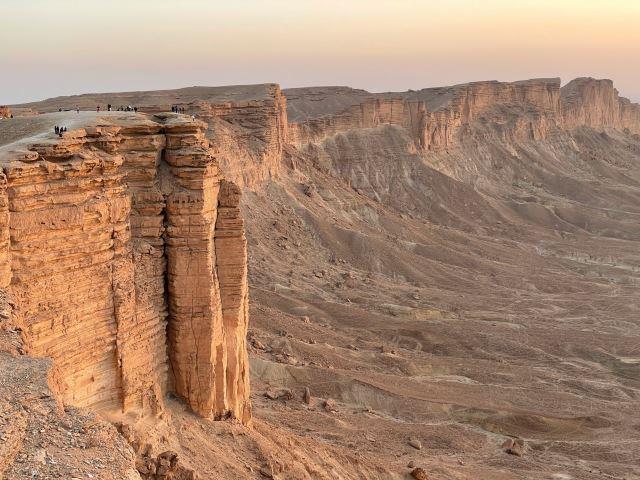
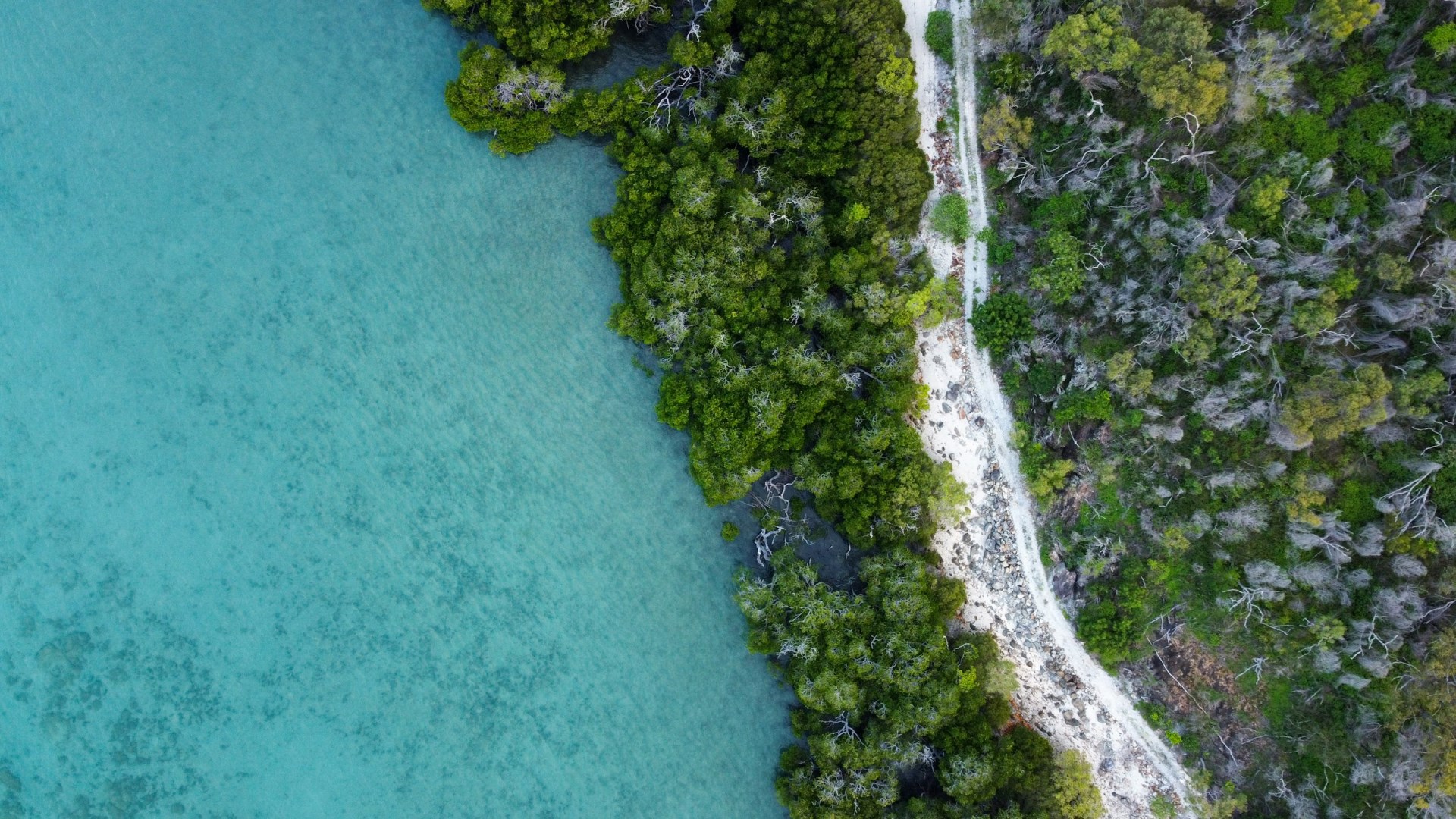
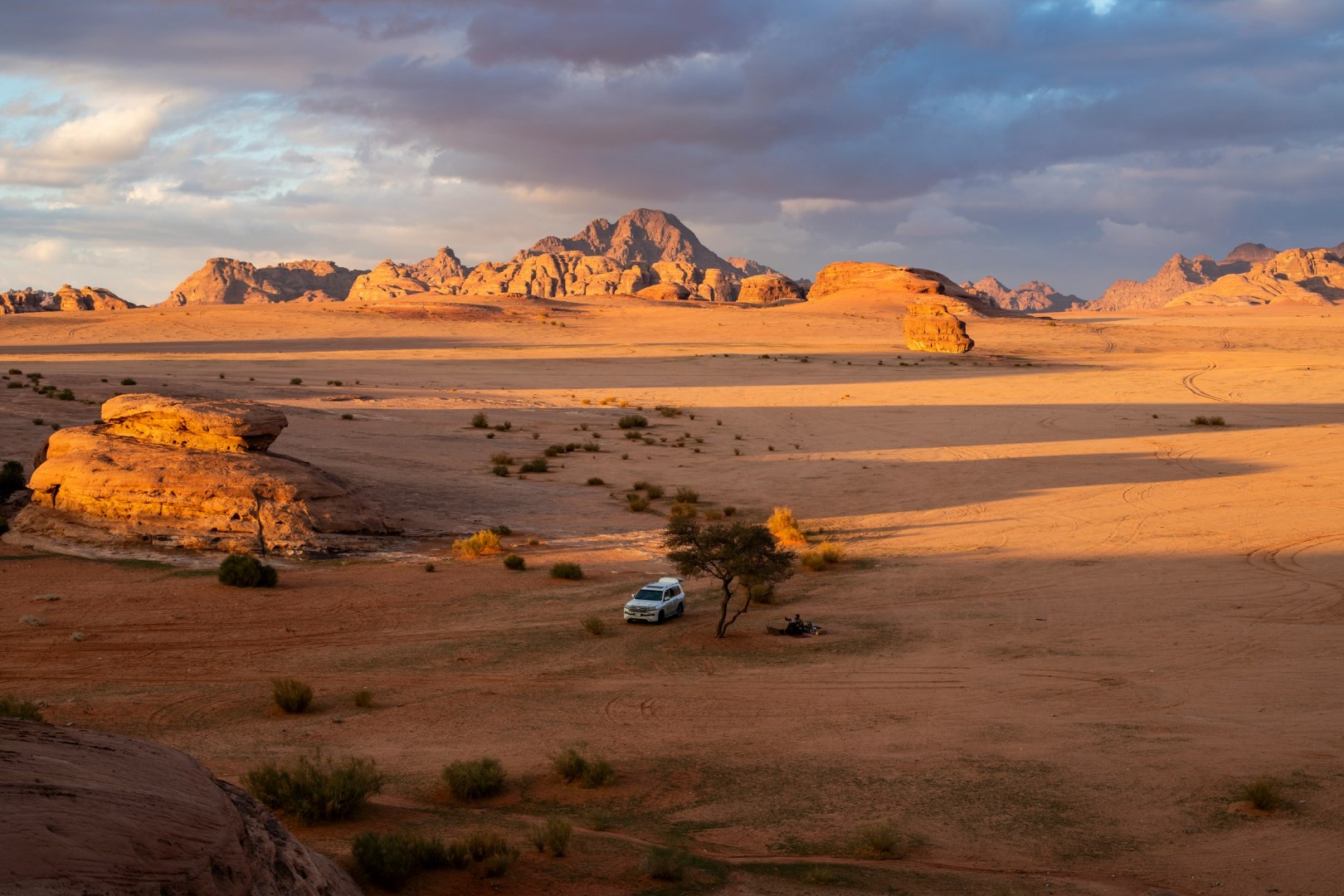
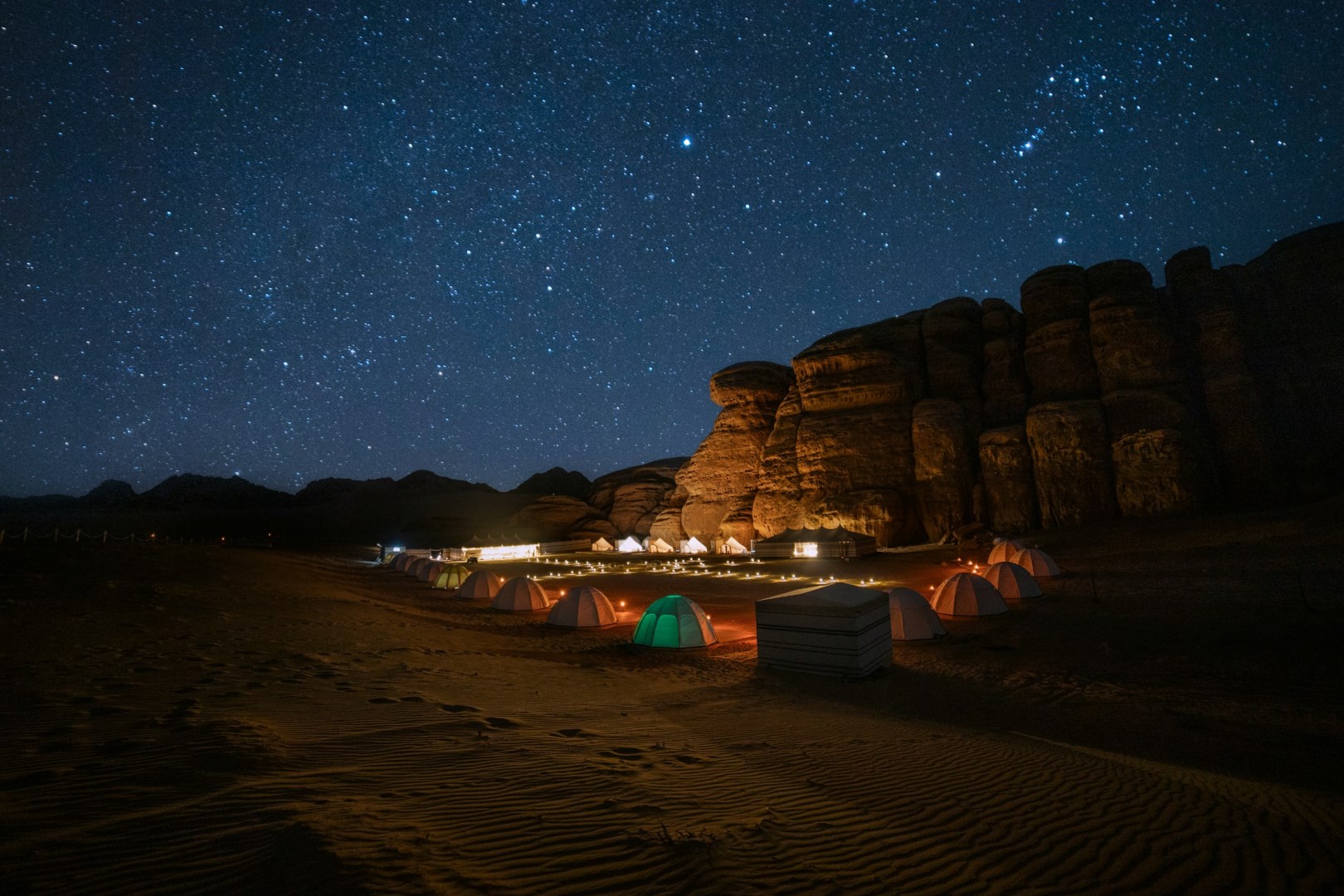
Tabuk's surrounding landscape offers a wide range of natural and archaeological sites. Wadi Al Disah, within the Prince Mohammed bin Salman Natural Reserve, features sandstone mountains, palm trees, streams, and ancient inscriptions carved into the valley walls. The Al Shaq Mountains contain a deep canyon formed where the landscape breaks into steep rock walls. Farther northwest, the Red Sea coast includes beaches, islands, coral environments, and historic port settlements such as Duba. The province also contains Maghaer Shuaib, known for rock-cut facades and tombs carved into sandstone, adding an archaeological dimension to the region's desert scenery.
Food in Tabuk reflects the agricultural resources of its oasis and the wider cuisine of northwestern Saudi Arabia. Dates, wheat, vegetables, rice, and meat are important ingredients, while traditional dishes such as kabsa and jareesh are commonly associated with Saudi cooking. Along the Red Sea coast, seafood forms an important part of local cuisine, particularly in port communities such as Duba. Tabuk's distinctive character also comes from the contrast between its cultivated oasis, mountain landscapes, desert valleys, and nearby coastline. This variety makes the city a useful base for exploring the broader cultural and natural landscape of northwestern Saudi Arabia.
Other Popular Destinations in Saudi Arabia