



Bridgetown, the lively capital of Barbados, is a city where history and Caribbean culture meet on the island’s southwestern coast. Founded in the 17th century, its historic core is recognized as a UNESCO World Heritage Site, with landmarks that reflect both British colonial influence and local heritage.
Arches National Park, located in eastern Utah, is a mesmerizing landscape filled with more than 2,000 natural stone arches, pinnacles, and balanced rocks sculpted by centuries of wind and water erosion. One of the most iconic landmarks is Delicate Arch, a freestanding red rock formation that has become a symbol of Utah itself.
The Norwegian Sea, situated between Norway and the Arctic Ocean, offers a breathtaking adventure in one of Europe’s most rugged and enchanting regions. This body of water is bordered by Norway's western coastline, the Faroe Islands, and the northern reaches of Iceland, each contributing to its unique allure.
A former trading port and now a fascinating itinerary stop for any Vietnam traveler, Hoi An's illuminated lanterns beckon you. Each lunar month on the 14th day, electric lights are turned off in favor of traditional lanterns. Must-sees in this well-preserved locale include Quan Cong Temple, the 1700s-era Japanese Covered Bridge, An Bang Beach with its white sands, and Hoi An Night Market, abuzz with local sellers offering food and unique wares.
French Guiana, tucked between Brazil and Suriname on the northeast coast of South America, offers an unexpected blend of Amazonian wilderness, colonial intrigue, and French flair. As an overseas department of France, it uses the euro, speaks French, and has croissants alongside cassava bread at breakfast. Yet just beyond the cafés of Cayenne, vast rainforest stretches for hundreds of kilometers, home to rare wildlife, remote rivers, and Indigenous communities.
Bruges, often referred to as the "Venice of the North," is a city where medieval charm meets modern allure. Nestled in the heart of Belgium's Flanders region, Bruges is renowned for its well-preserved medieval architecture, winding canals, and cobblestone streets that invite visitors to step back in time.
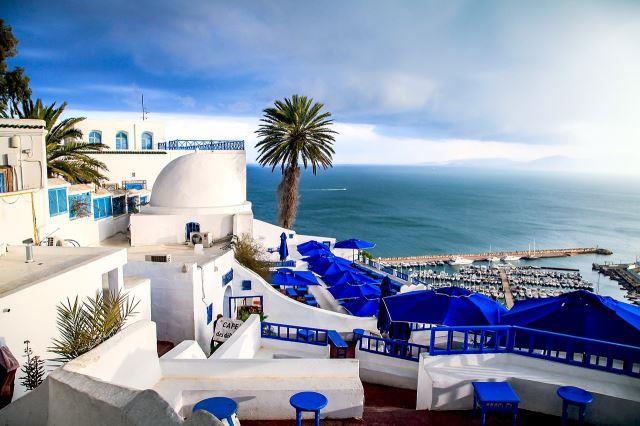
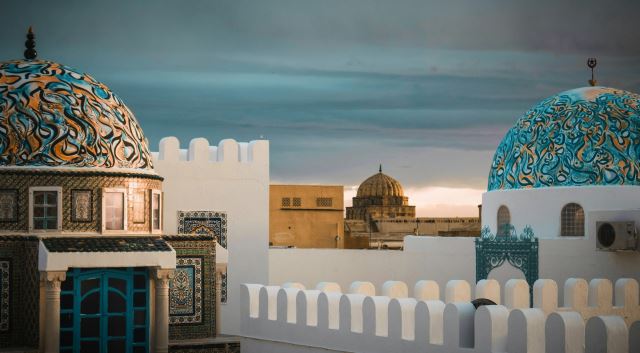
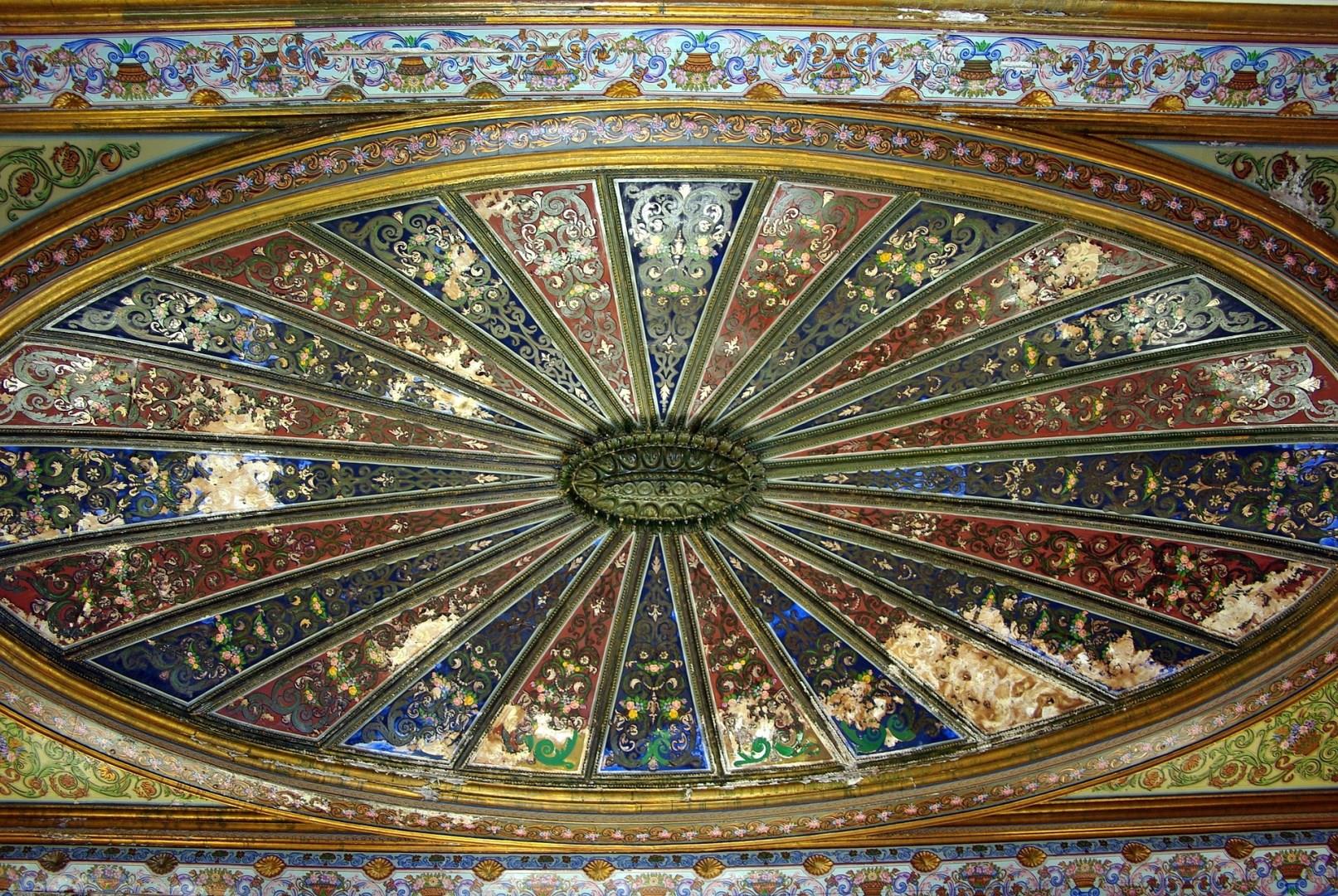
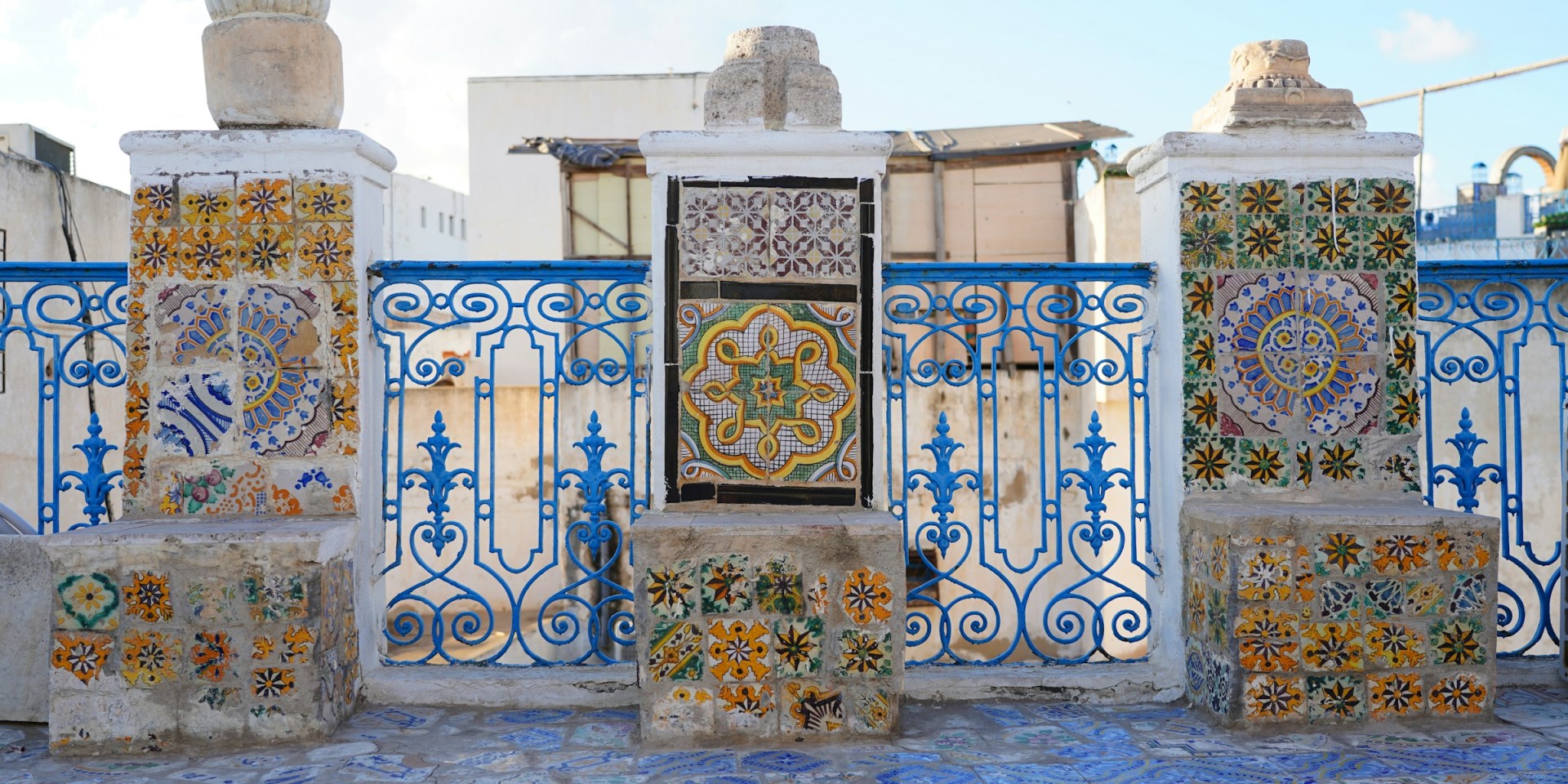
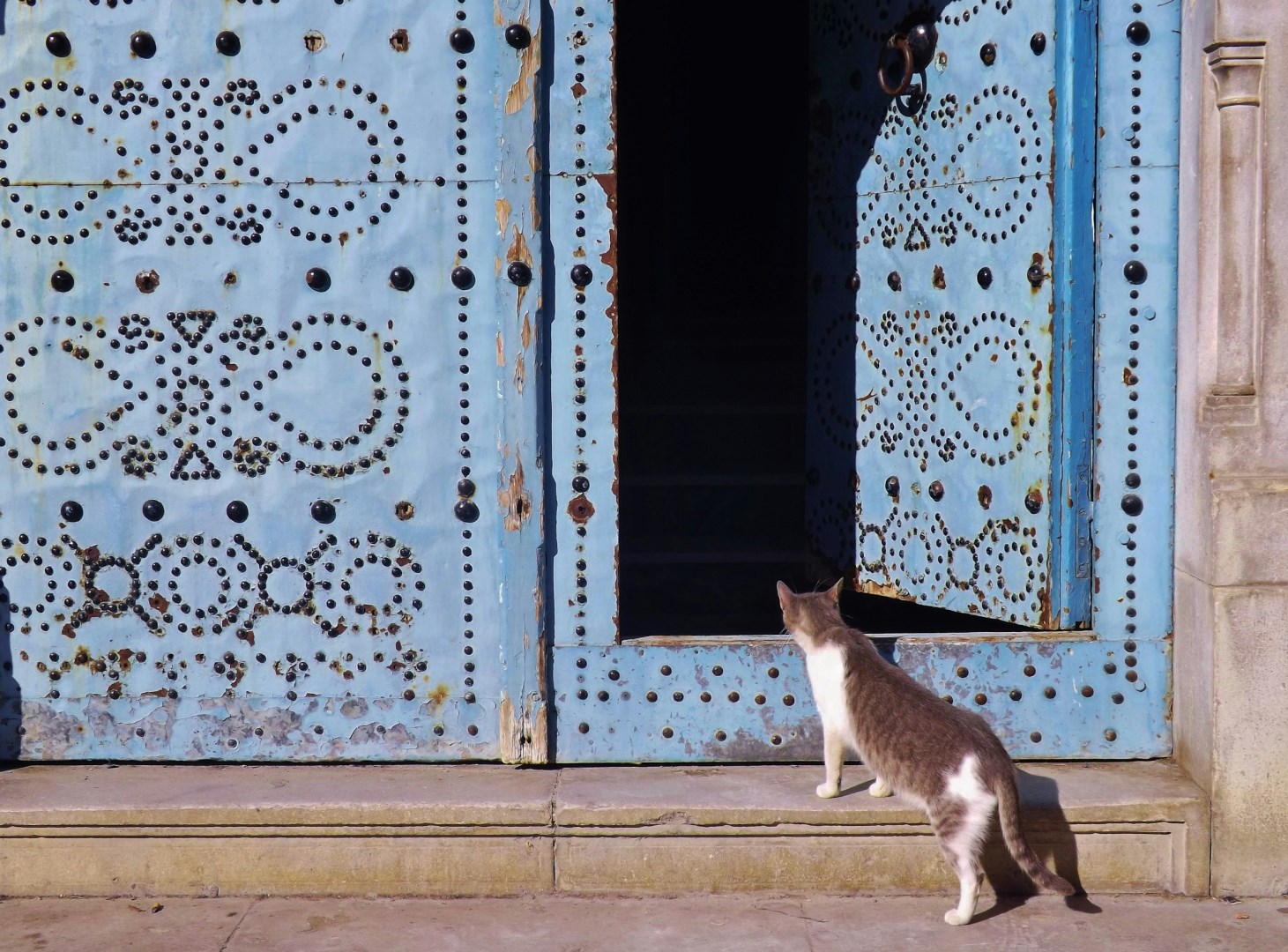
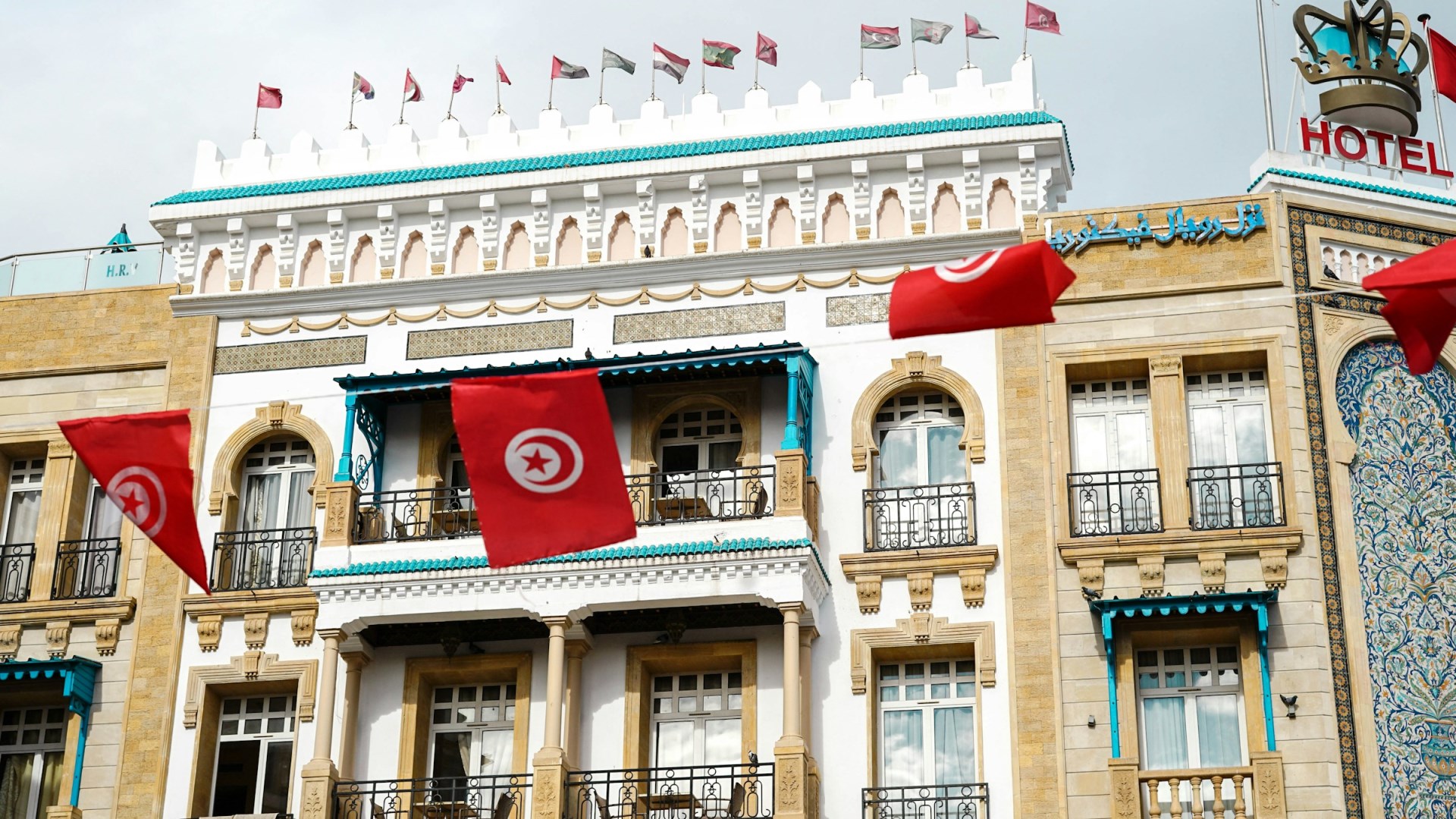
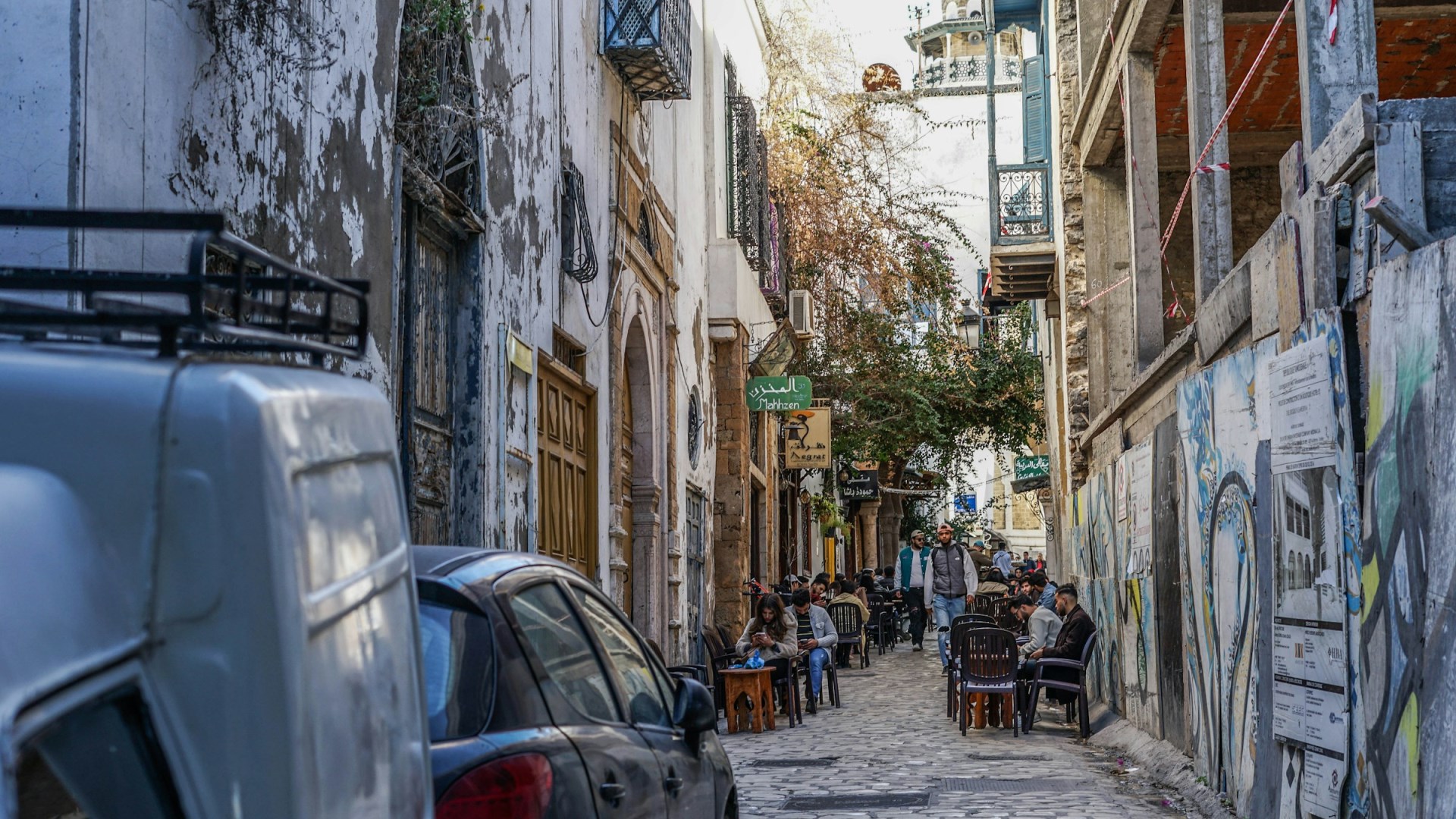
Tunis' white-washed, blue-shuttered buildings hide a treasure trove of Arabic and Ottoman art. Inspect illuminated manuscripts from the Koran, follow the twists and turns of the fascinating old Medina (inner city), marvel at the ornate Palace of Dar Ben Abduallah and the magnificent Djamaa-Ez-Zitouna Mosque, whose 184 columns were "recycled" from the rocky ruins of Carthage. And only a stone's throw away are what's left of the ancient Punic port.