



Whistler


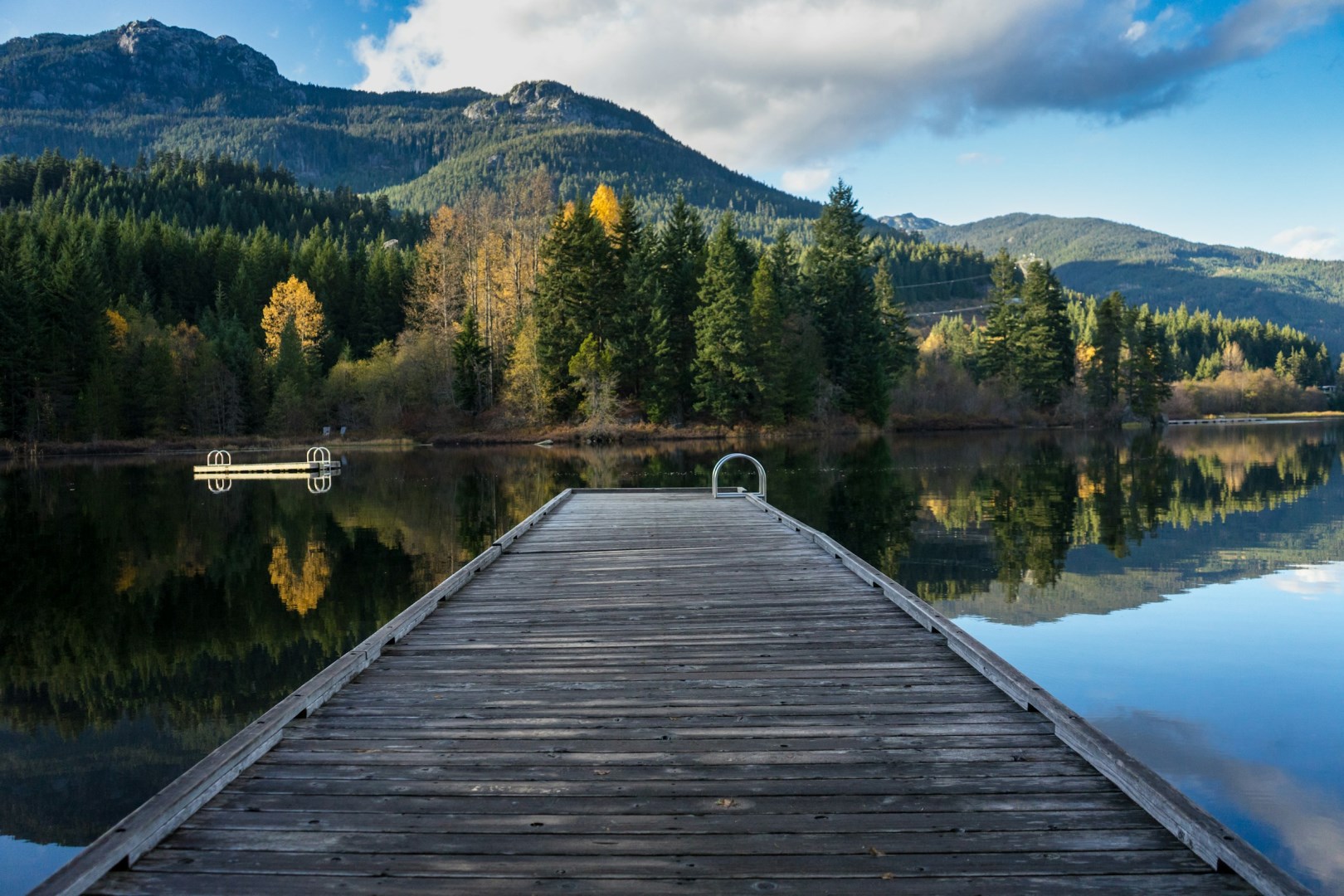

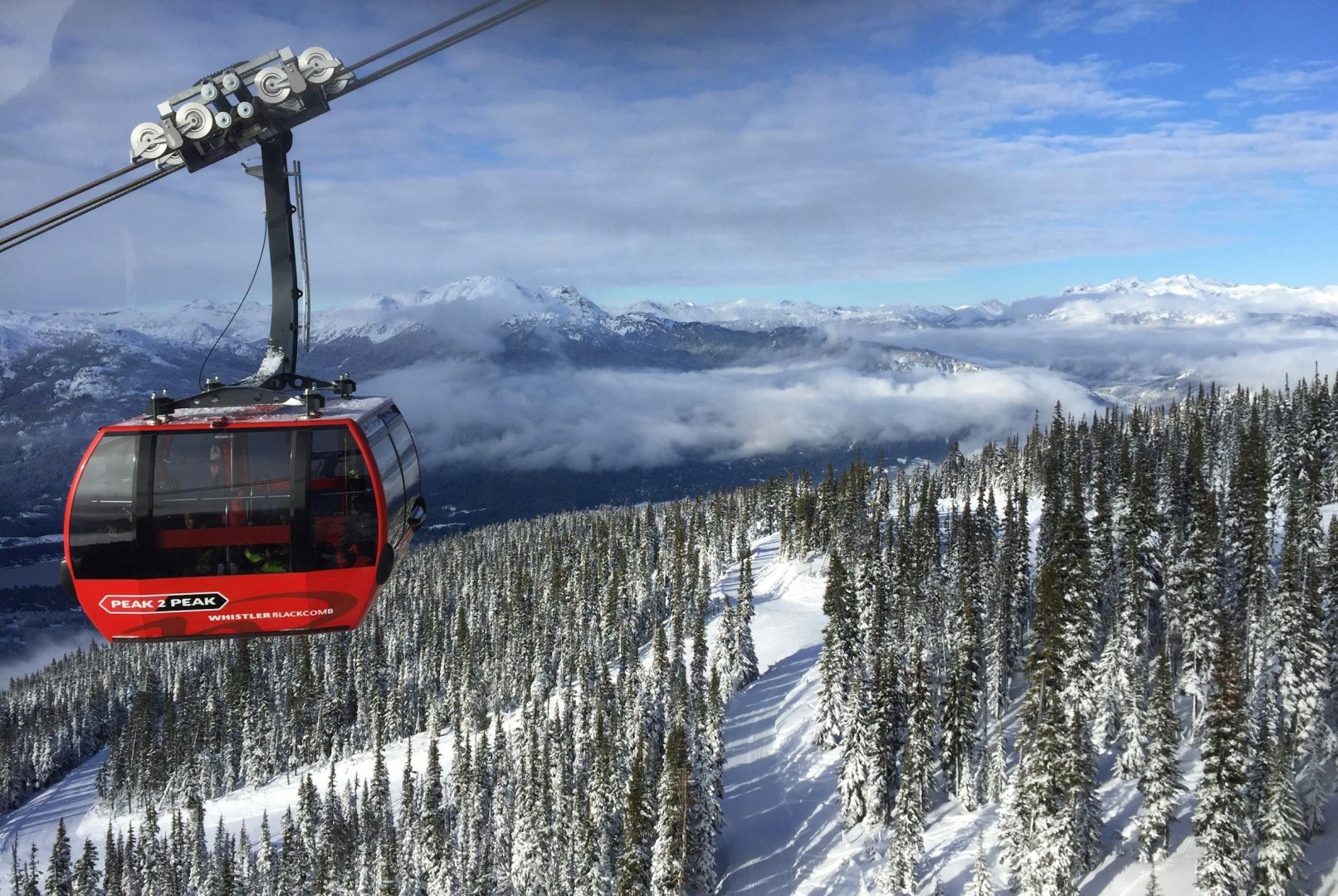
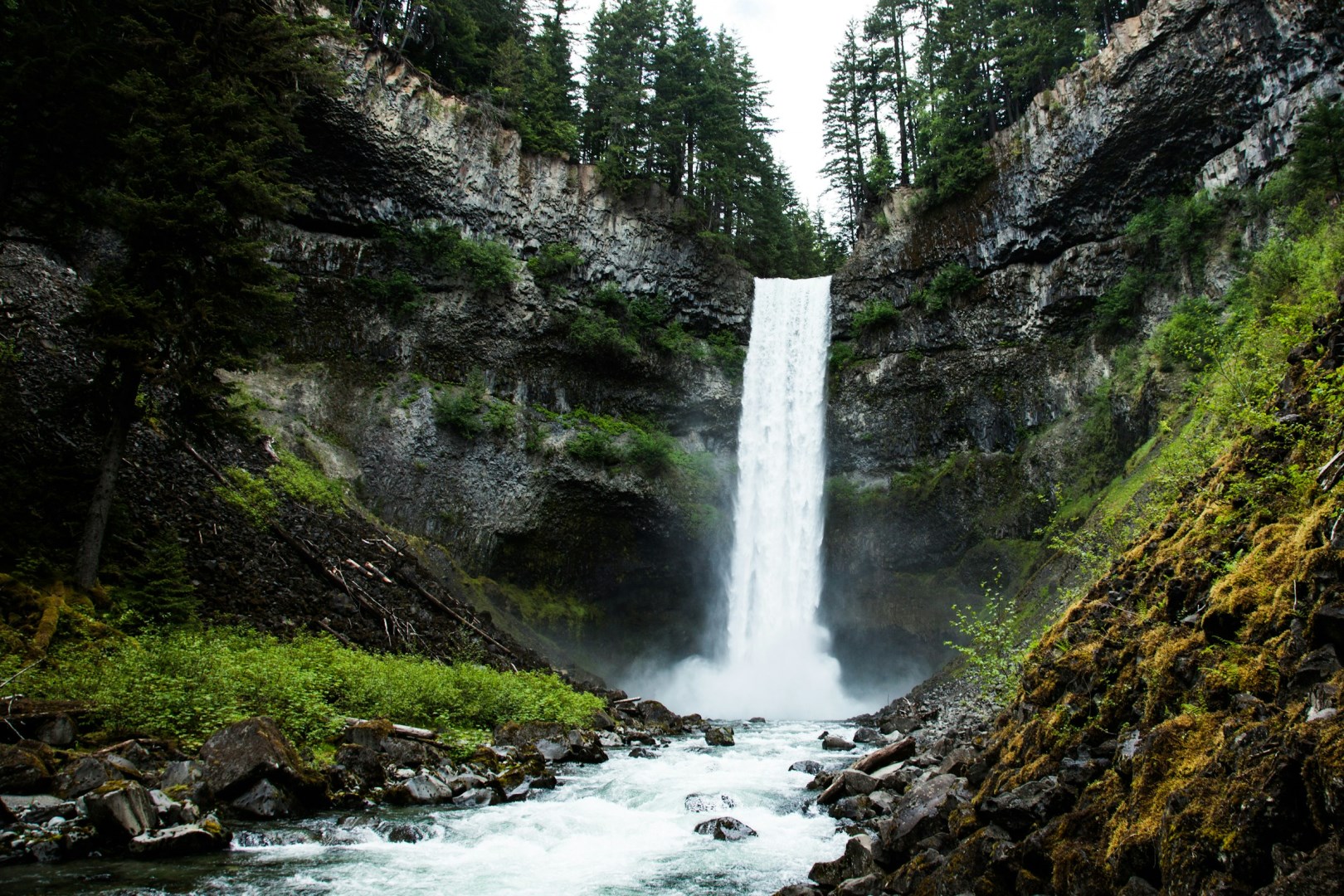
Whistler, nestled in the Coast Mountains of British Columbia, is a year-round destination renowned for its world-class skiing and vibrant outdoor lifestyle. As home to the largest ski resort in North America, Whistler Blackcomb, this picturesque town transforms into a snowy wonderland each winter. With over 8,000 acres of skiable terrain and a variety of slopes catering to all skill levels, it’s a haven for winter sports enthusiasts. During the summer months, the resort shifts gears, offering thrilling mountain biking trails, scenic hikes, and a range of alpine adventures.
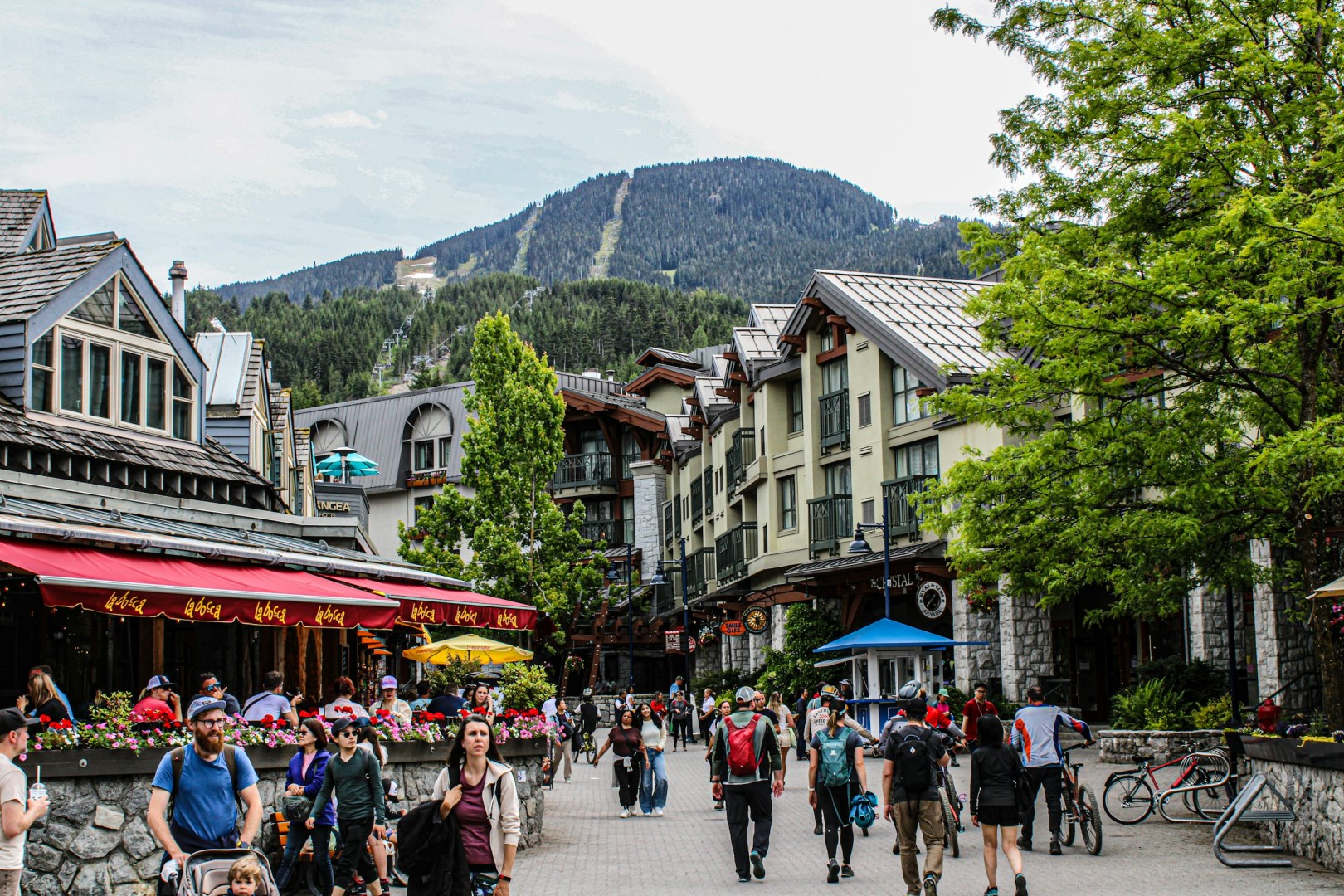
The town of Whistler itself is a charming mix of alpine architecture and modern amenities. Whistler Village is a pedestrian-friendly area brimming with shops, restaurants, and lively après-ski spots. Wander through its streets and you’ll find a plethora of dining options, from casual bistros to upscale eateries, and plenty of local boutiques to explore. The village atmosphere, combined with the stunning natural backdrop, creates a uniquely inviting experience for visitors.
Whistler also offers cultural and artistic experiences that complement its outdoor appeal. The Audain Art Museum features a remarkable collection of Canadian art, including indigenous pieces and contemporary works. Additionally, the Whistler Museum provides insights into the town’s rich history, from its indigenous roots to its evolution into a major ski resort.
Fun Fact: Whistler hosted the alpine skiing events during the 2010 Winter Olympics, showcasing its global status as a premier winter sports destination.
The town of Whistler itself is a charming mix of alpine architecture and modern amenities. Whistler Village is a pedestrian-friendly area brimming with shops, restaurants, and lively après-ski spots. Wander through its streets and you’ll find a plethora of dining options, from casual bistros to upscale eateries, and plenty of local boutiques to explore. The village atmosphere, combined with the stunning natural backdrop, creates a uniquely inviting experience for visitors.
Whistler also offers cultural and artistic experiences that complement its outdoor appeal. The Audain Art Museum features a remarkable collection of Canadian art, including indigenous pieces and contemporary works. Additionally, the Whistler Museum provides insights into the town’s rich history, from its indigenous roots to its evolution into a major ski resort.
Fun Fact: Whistler hosted the alpine skiing events during the 2010 Winter Olympics, showcasing its global status as a premier winter sports destination.
