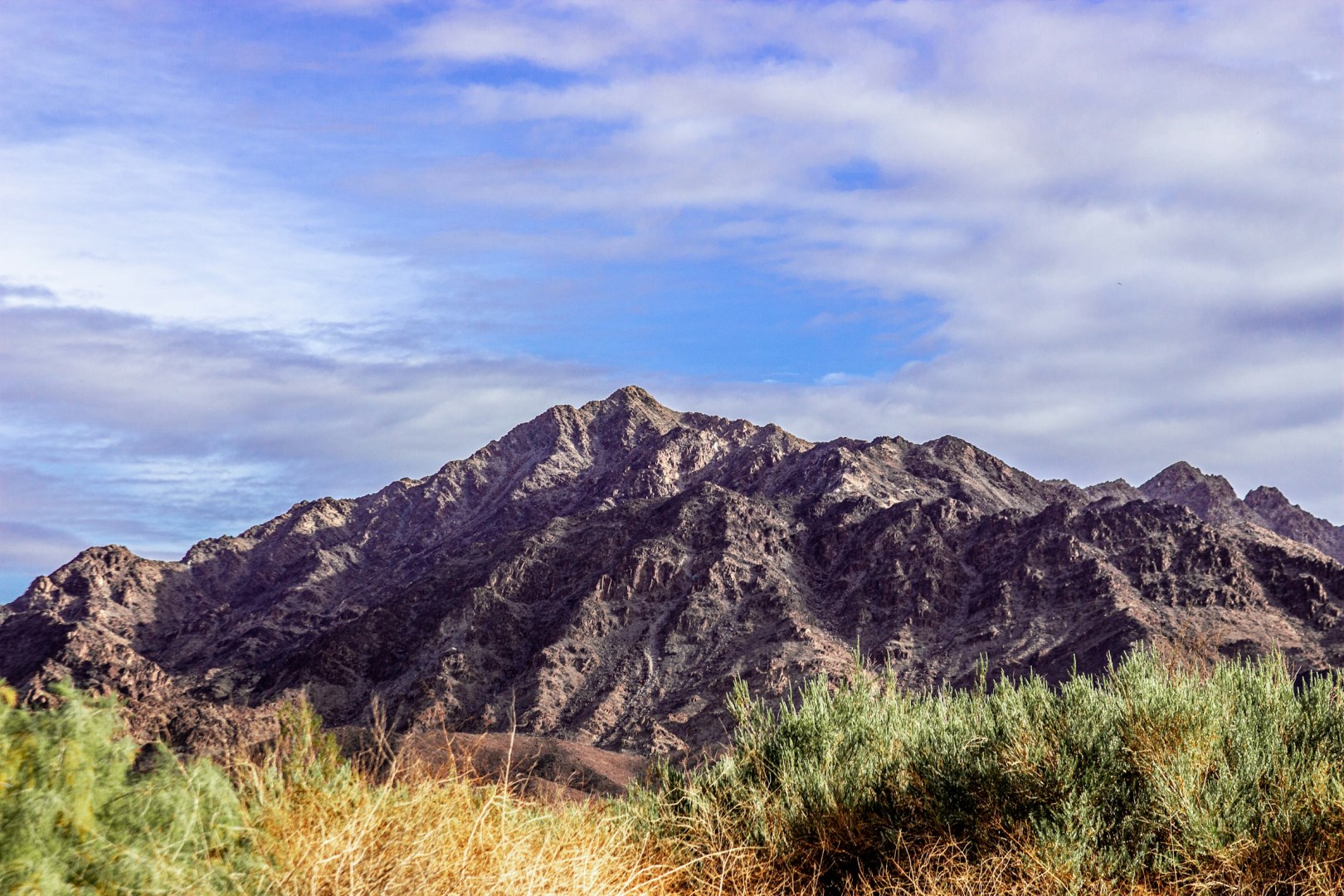
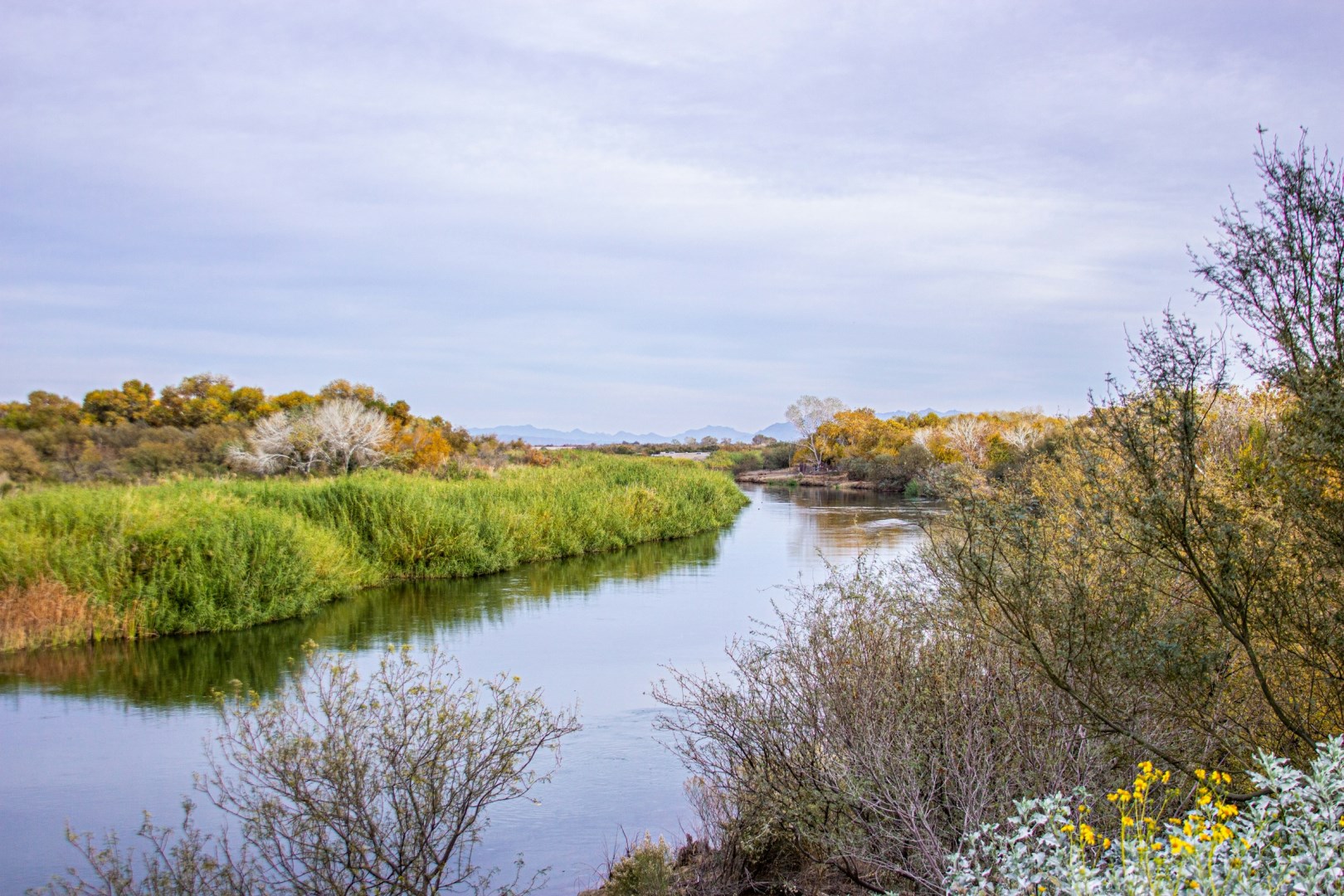
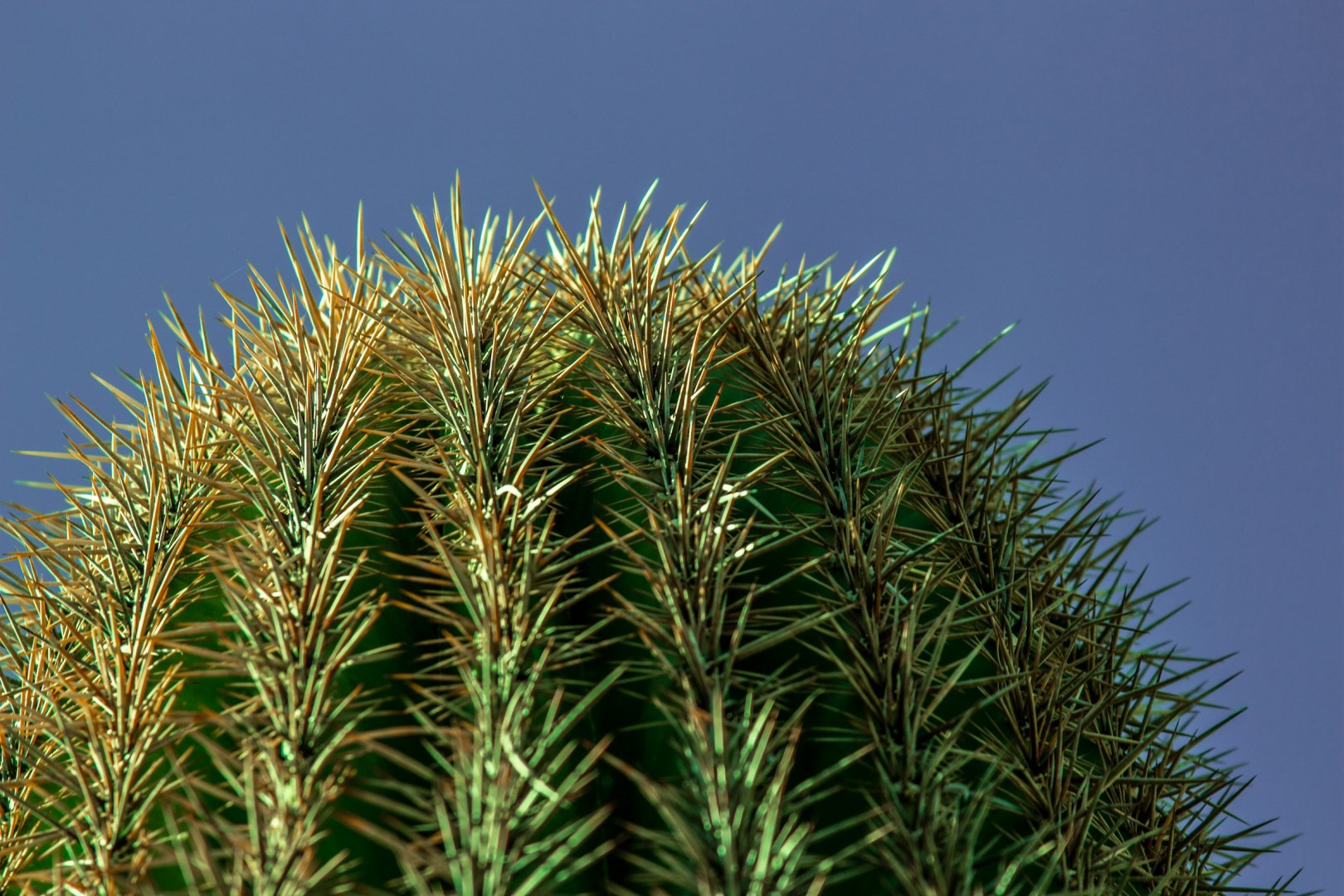
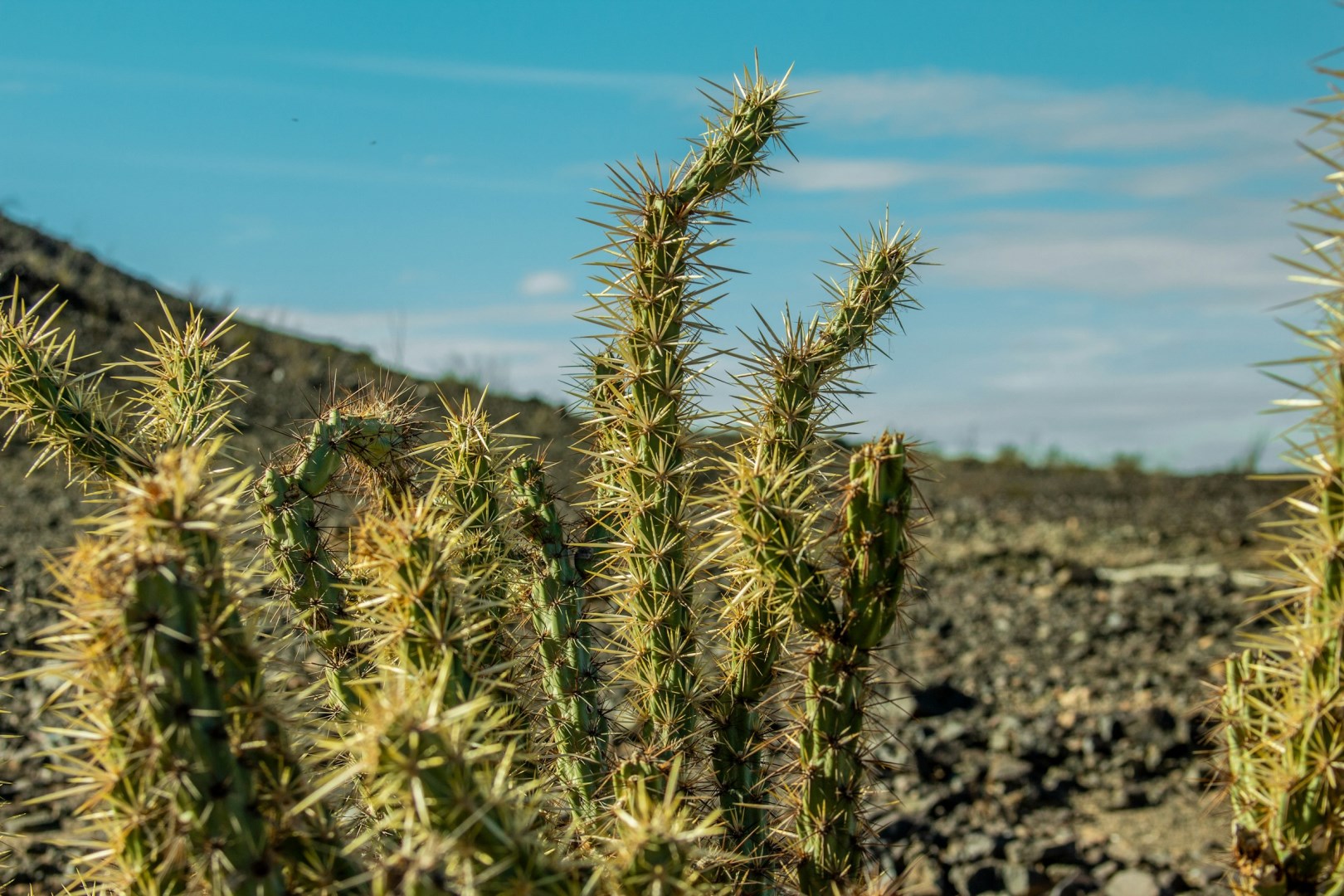
Yuma is a city in southwestern Arizona near the Colorado River, close to the borders with California and Mexico. Its location in the lower Colorado River Valley has made it an important crossing point, agricultural center, and transportation hub in the desert Southwest. The surrounding landscape is characterized by low desert plains, irrigated farmland, sand dunes, and rugged mountains. The Colorado River provides a striking contrast to the otherwise arid setting and supports wetlands, wildlife habitat, recreation, and extensive farming in the Yuma area.
Yuma’s history is closely connected with the Colorado River and the people who traveled through and lived in the region. The Quechan people have longstanding cultural ties to the river and surrounding lands. Spanish explorers later used the area as a river crossing, and Yuma developed around transportation routes linking the Southwest and northern Mexico. The Yuma Crossing National Heritage Area preserves important sites connected with this history, including the Yuma Territorial Prison State Historic Park, whose preserved buildings and cells illustrate the city’s role in the territorial period.
The area around Yuma contains several distinctive desert attractions. The Imperial National Wildlife Refuge follows the Colorado River south of the city and protects wetlands surrounded by desert, providing habitat for waterfowl and other wildlife. Nearby, the Imperial Sand Dunes form one of the largest expanses of sand dunes in the region and are known for off-highway recreation. Within the city, Gateway Park provides access to the Colorado River, while the historic Yuma Crossing connects riverfront landscapes with trails and cultural sites. The surrounding desert also offers views of the Gila and Castle Dome mountain ranges.
Yuma has an important agricultural identity despite its desert climate. Extensive irrigation from the Colorado River supports fields producing leafy greens, vegetables, melons, and other crops, making the area a major winter farming region. Local cuisine reflects the city’s proximity to Mexico and includes tacos, carne asada, burritos, and other Sonoran-style dishes. The Colorado River is also central to recreation and daily life, supporting fishing, boating, and riverside activities. Another distinctive feature is Yuma’s exceptionally dry climate, which has helped shape both its agricultural systems and the built environment needed to live in the lower desert.
Other Popular Destinations in Arizona