
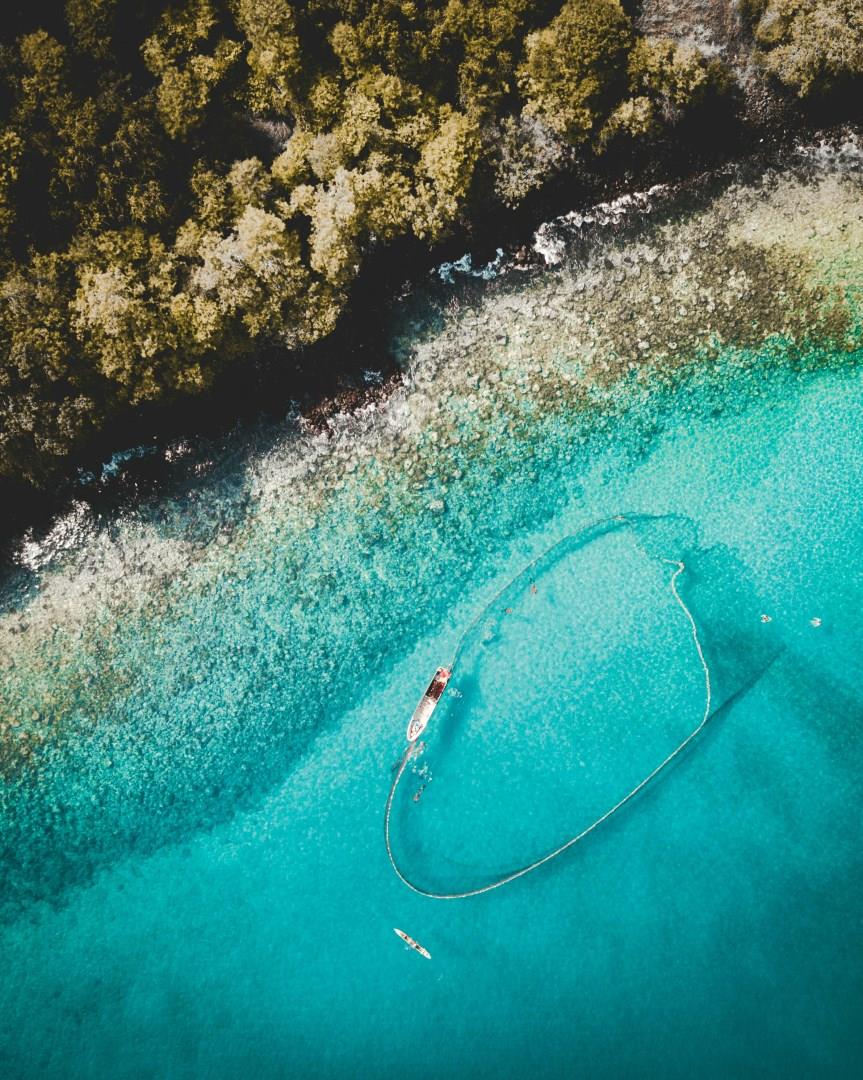
São Tomé & Príncipe, a two-island nation in the Gulf of Guinea, is one of Africa’s smallest yet most captivating destinations. Known for its unspoiled landscapes, it offers lush rainforests, volcanic peaks, and secluded beaches.
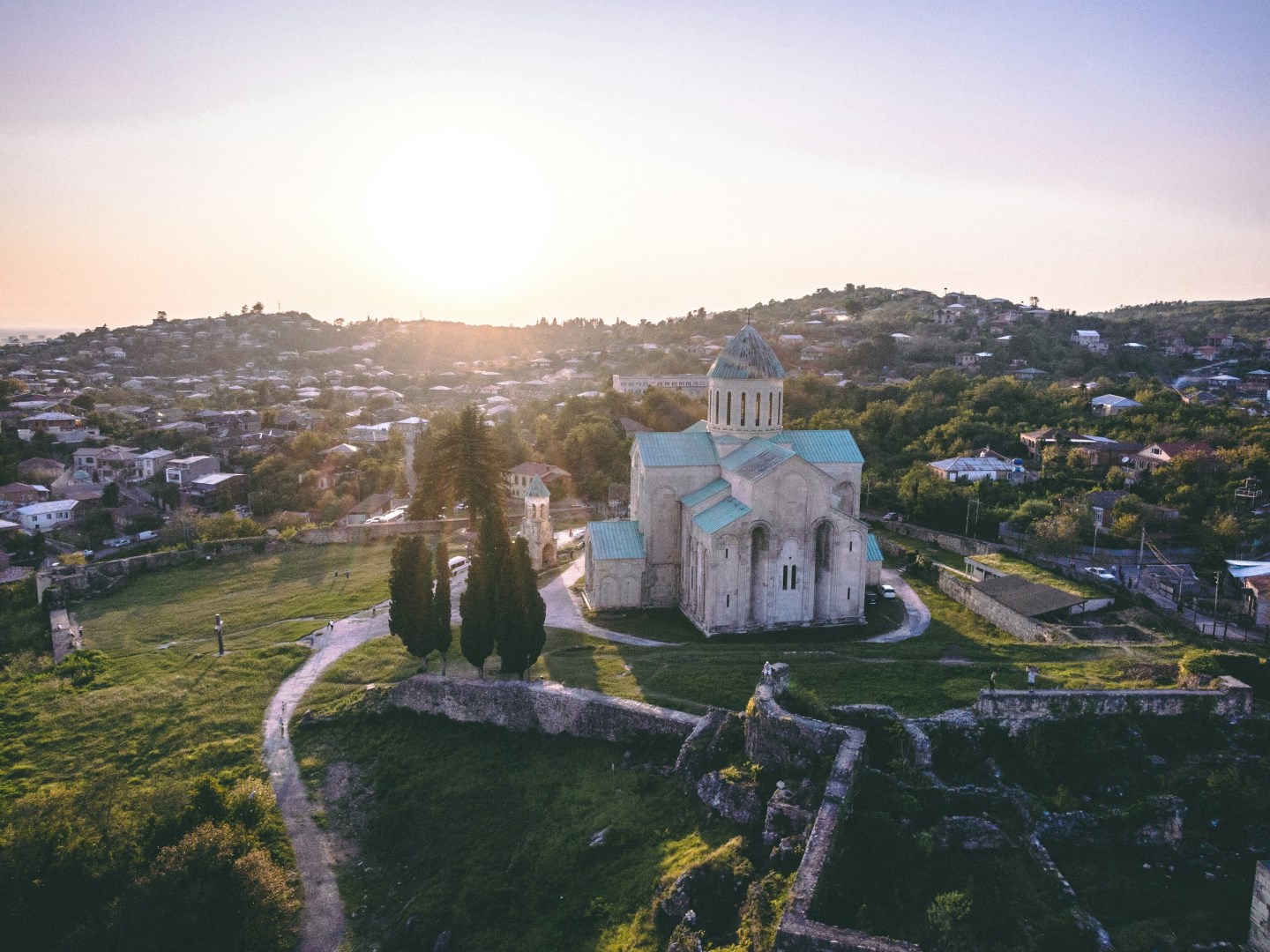
Georgia's second largest city, it is located between the Caspian and Black seas. Dating back to at least the sixth century, it has outstanding museums.
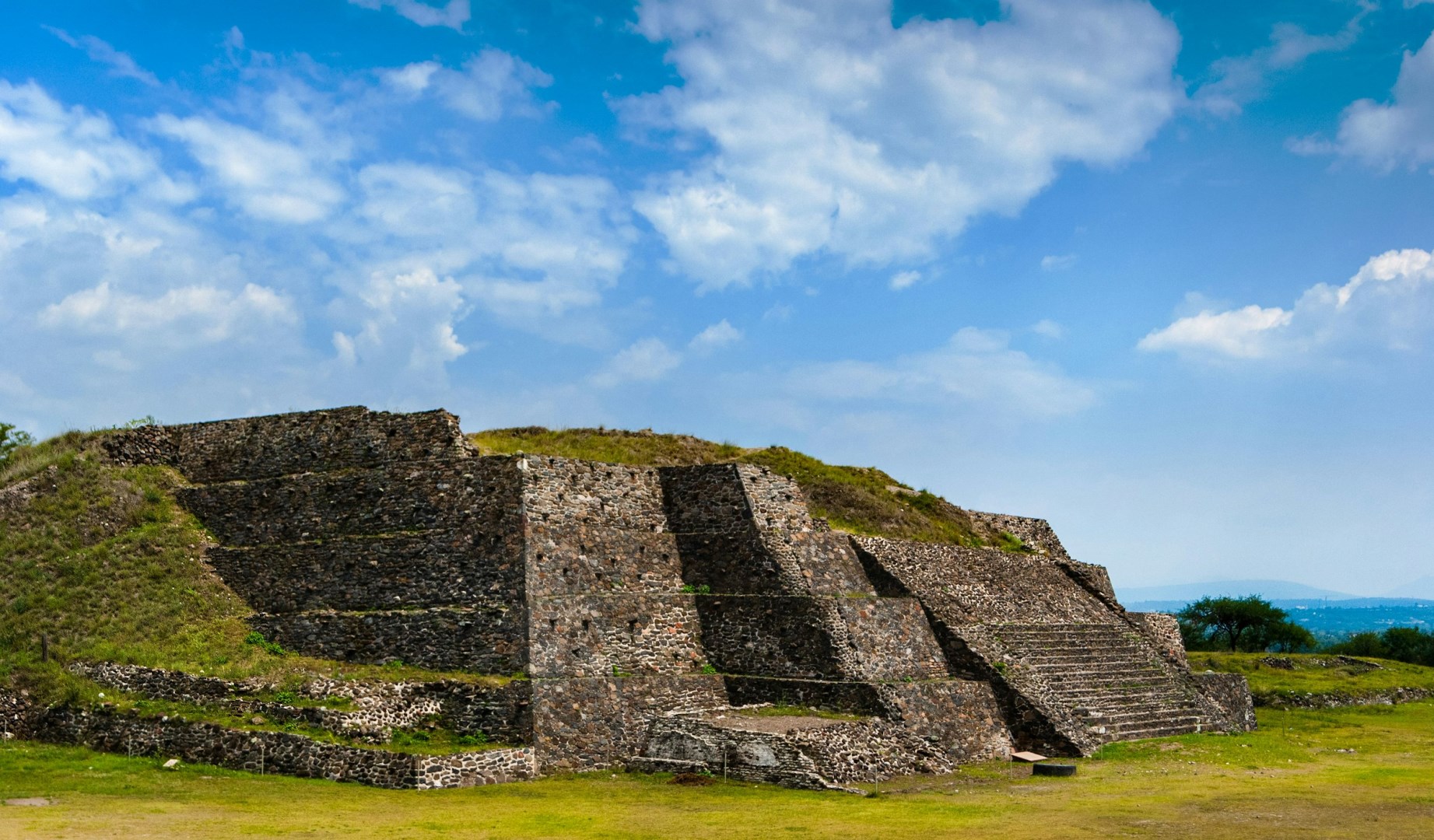
This Mesoamerican archaeological site was an important regional center and capital of the Toltec Empire between the fall of Teotihuacan and the rise of Tenochtitlan. Tula contains many impressive sights, including the basalt columns carved in the shape of Toltec warriors on the Pyramid of Quetzalcoatl.
Skagen, Denmark, is a picturesque coastal town where the North Sea meets the Baltic Sea, offering visitors a unique natural experience unlike any other. Known for its stunning light, which has attracted artists for centuries, Skagen is a place where art, nature, and history converge in perfect harmony.
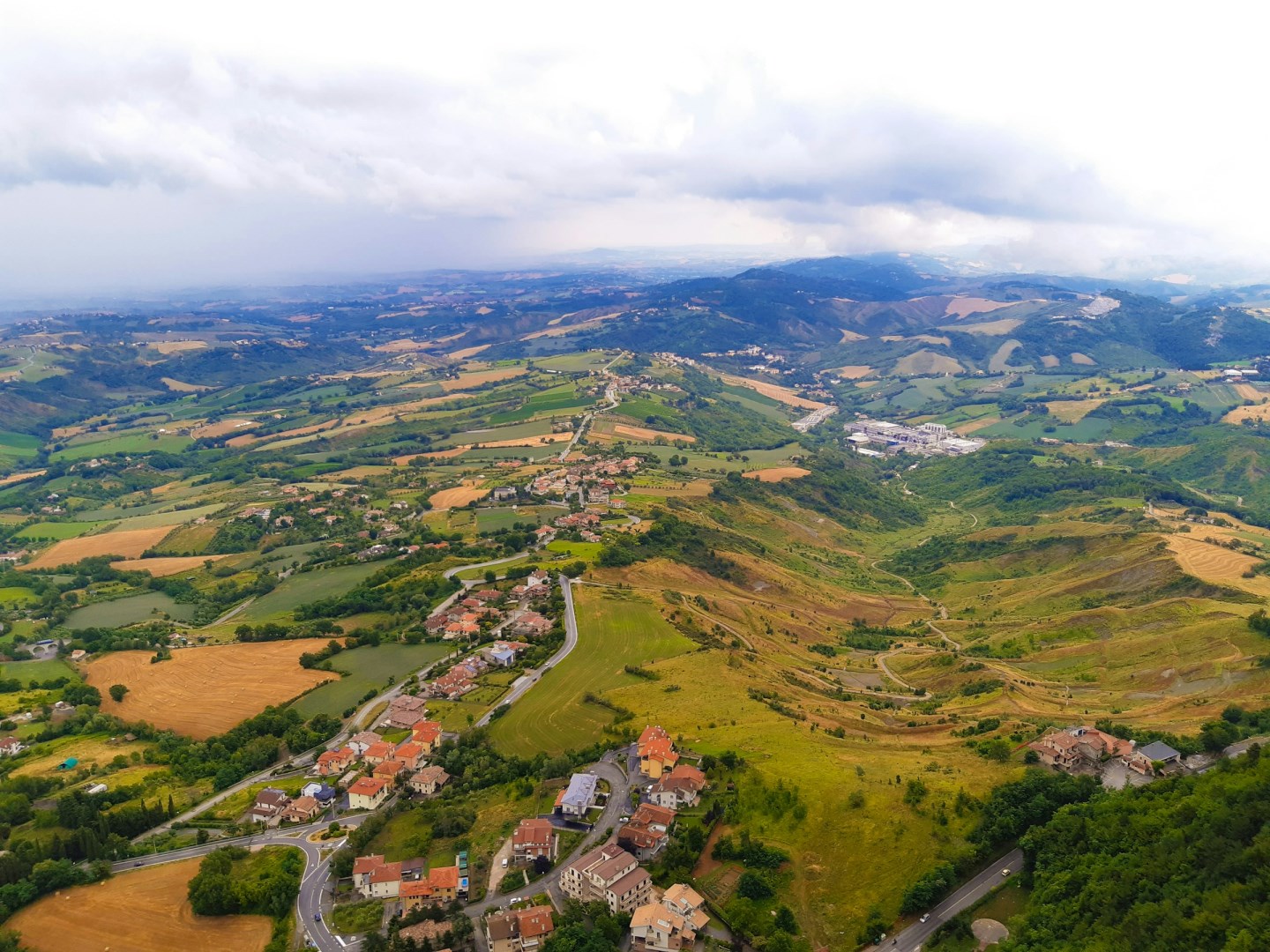
You will never forget this incredible "Camelot," from the towers of which, on a clear day, you can see forever across the placid Adriatic. It's also a mecca for philatelists.
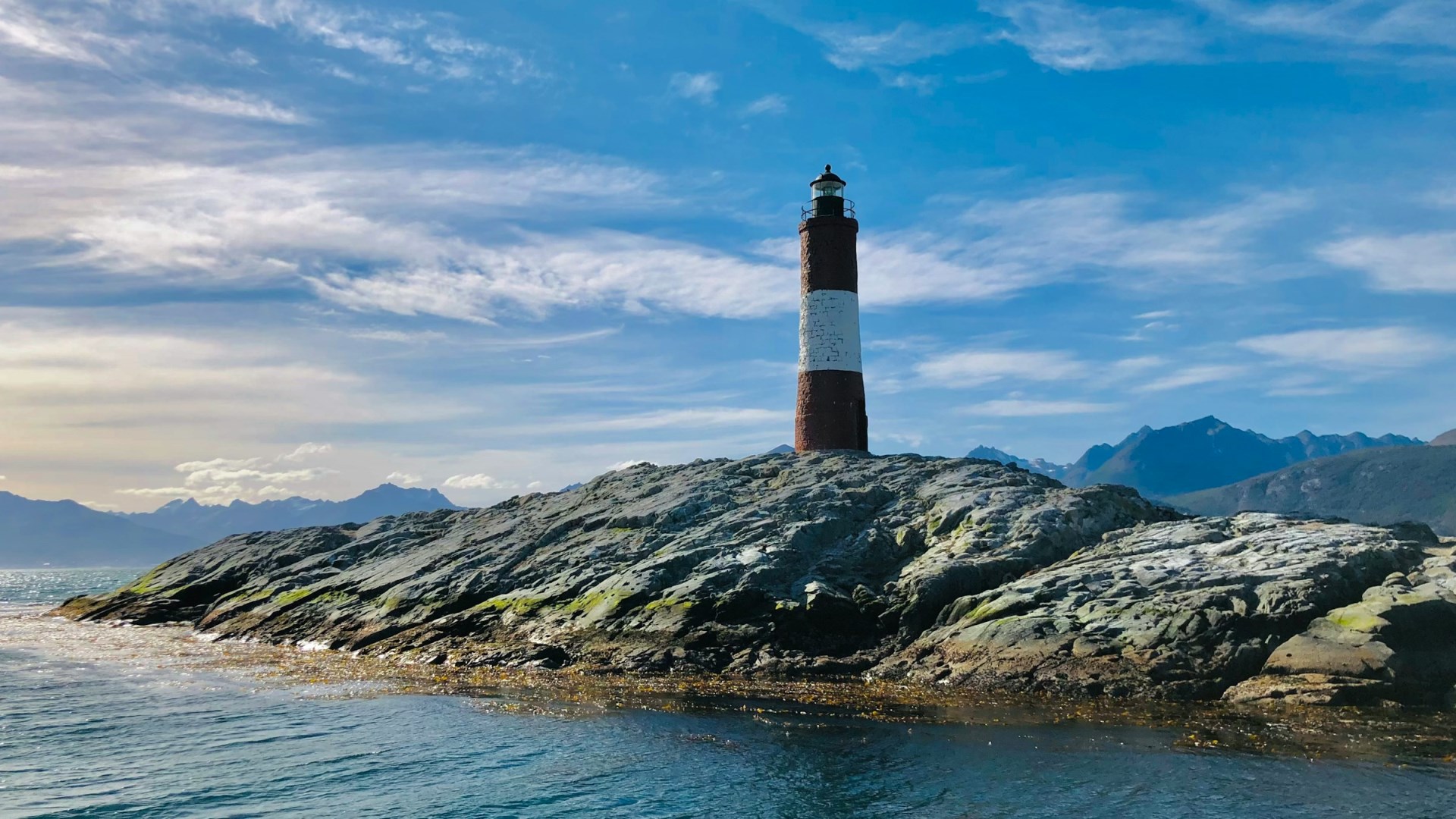
Argentina shares half of this island territory in the South Atlantic Ocean with Chile. It's a place of oil derricks, sheep, glaciers, wind and waterways. Ushuaia and Río Grande are the two main towns; awesome scenery, wild walks and fishing are the island's main attractions. Argentina's only coastal national park comprises rivers, lakes, forests and glaciers, with great trekking and wildlife-spotting opportunities.
Photo Credit: Photo by Sergey Pesterev on Unsplash
Photo Credit: Photo by Jessica Arias on Unsplash
Photo Credit: Photo by Patryk on Unsplash
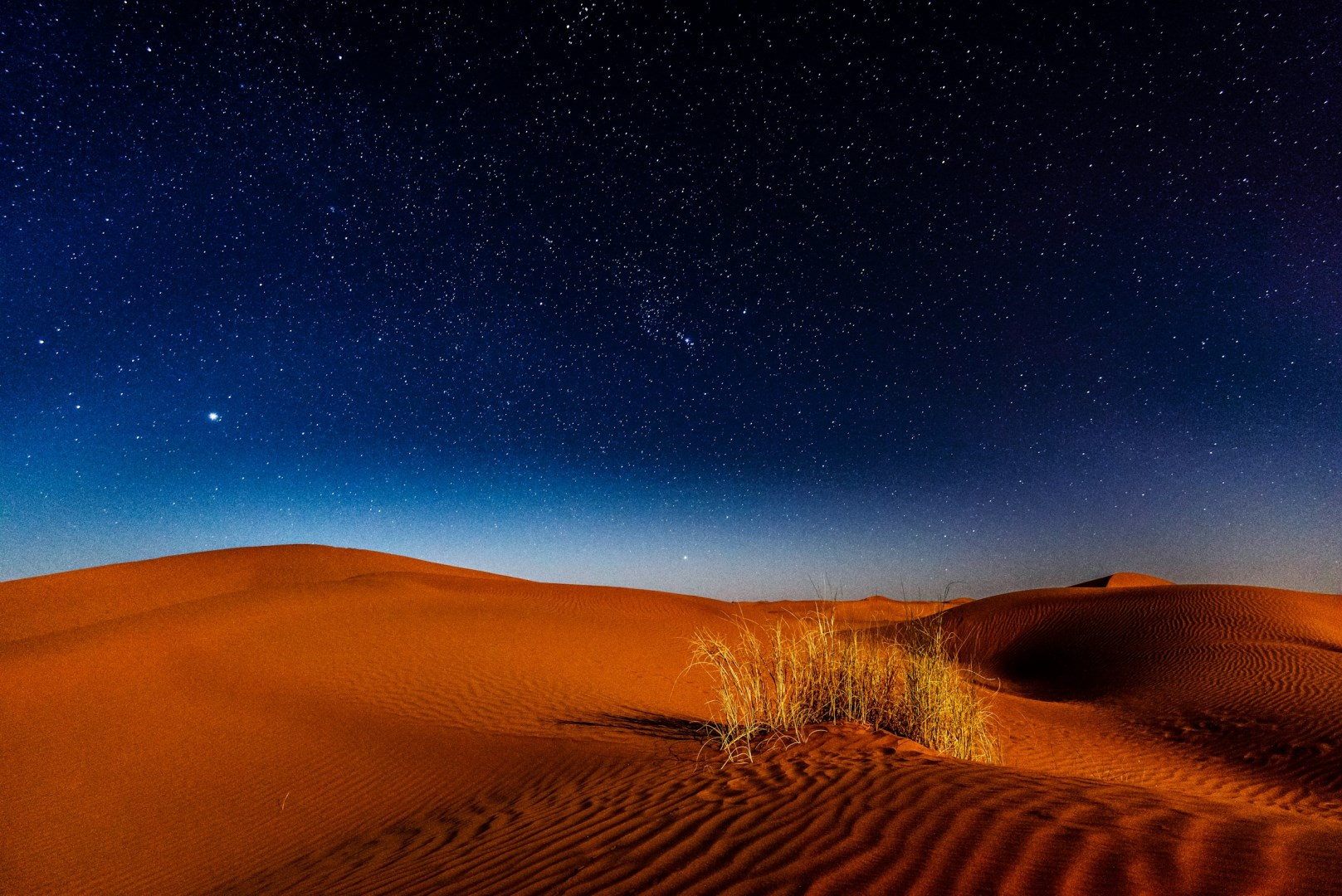
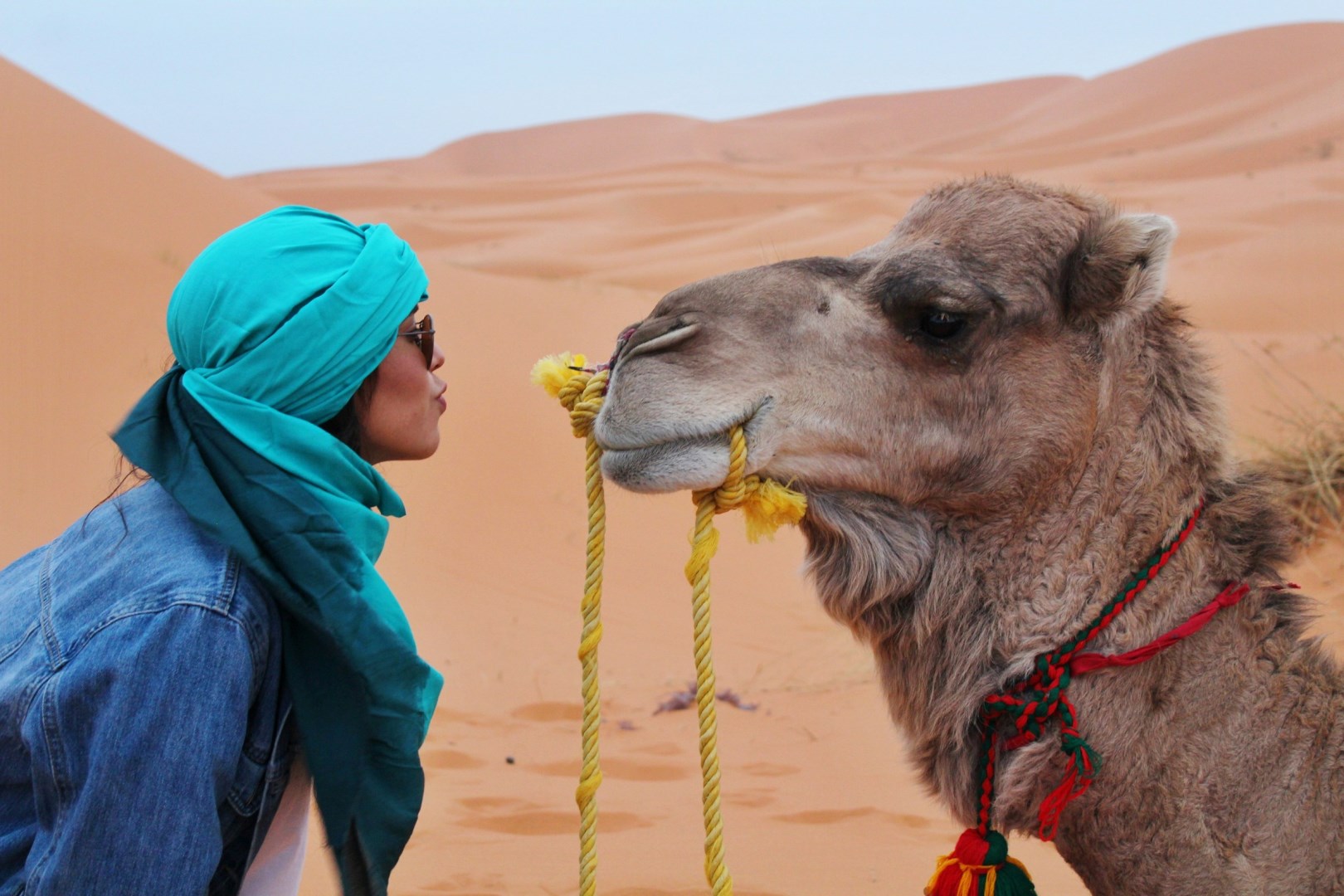
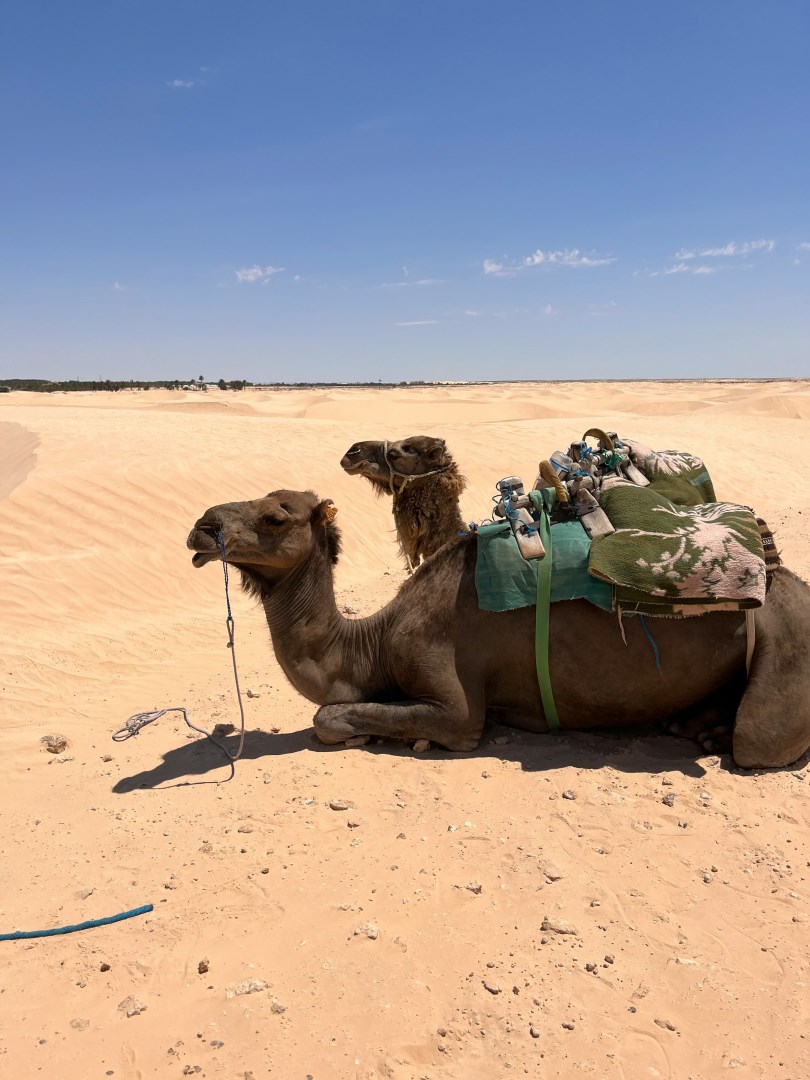
Western Sahara, (formerly Spanish Sahara), northwestern Africa, former overseas province of Spain partitioned in 1976 between Mauritania and Morocco, and since 1979, occupied entirely by Morocco. Western Sahara encompasses about 267,000 sq. km (about 103,000-sq mi.); Morocco, bound it on the north, on the northeast by Algeria, on the east and
south by Mauritania, and on the west by the Atlantic Ocean. With a hot, arid climate, and composed mostly of rocky and sandy soils, the region is not suitable for sedentary agriculture, but some sheep, goats, and camels are raised by nomadic herders.