
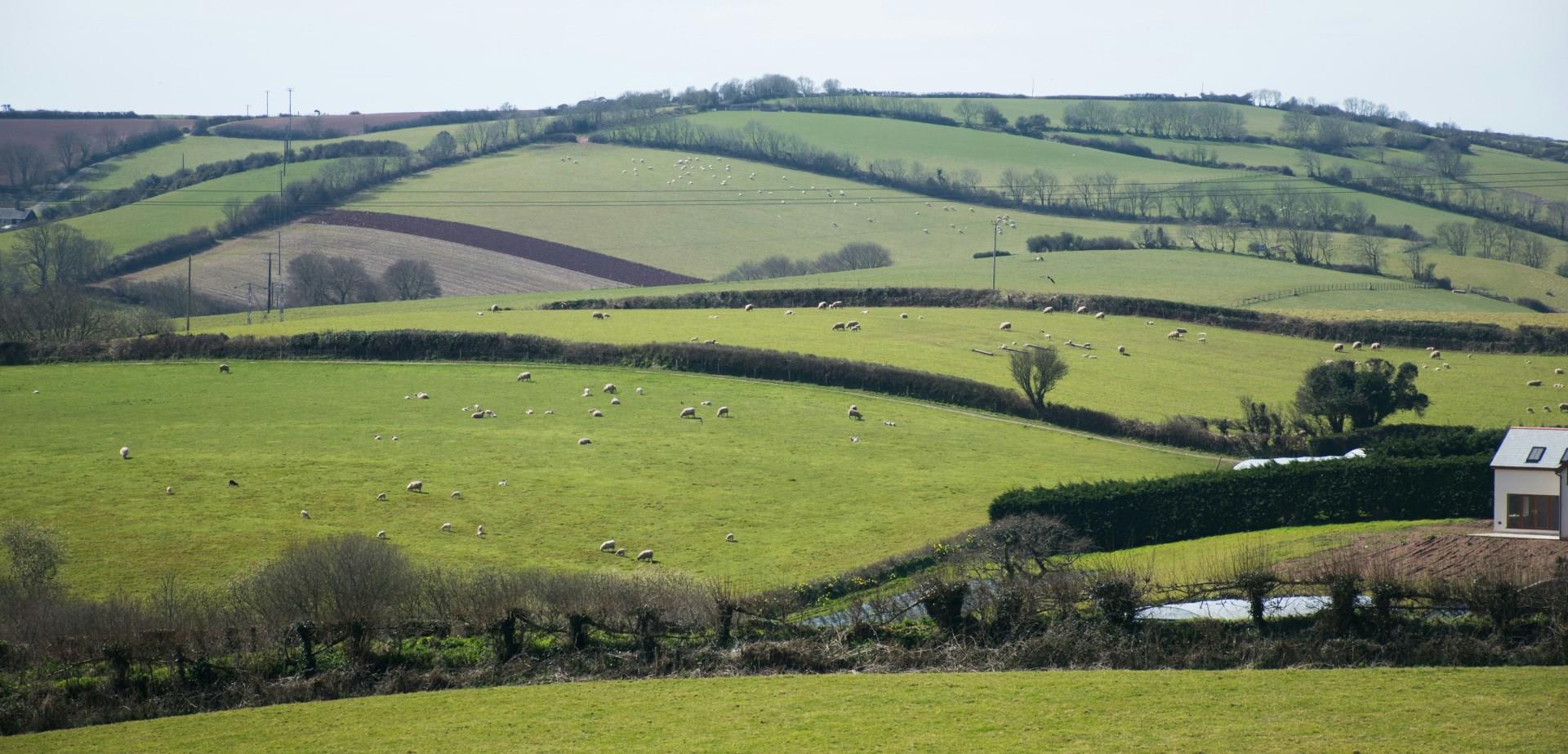
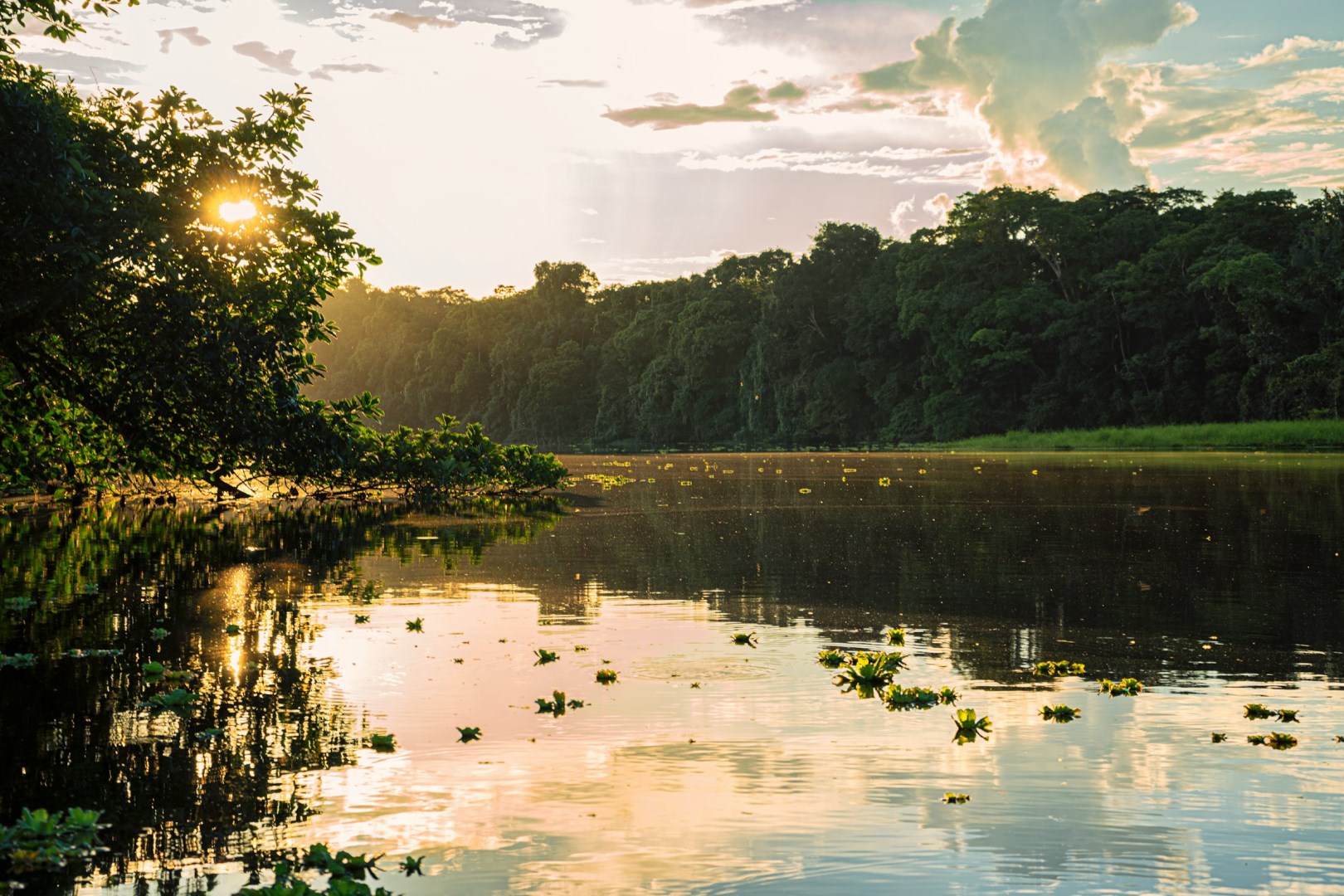
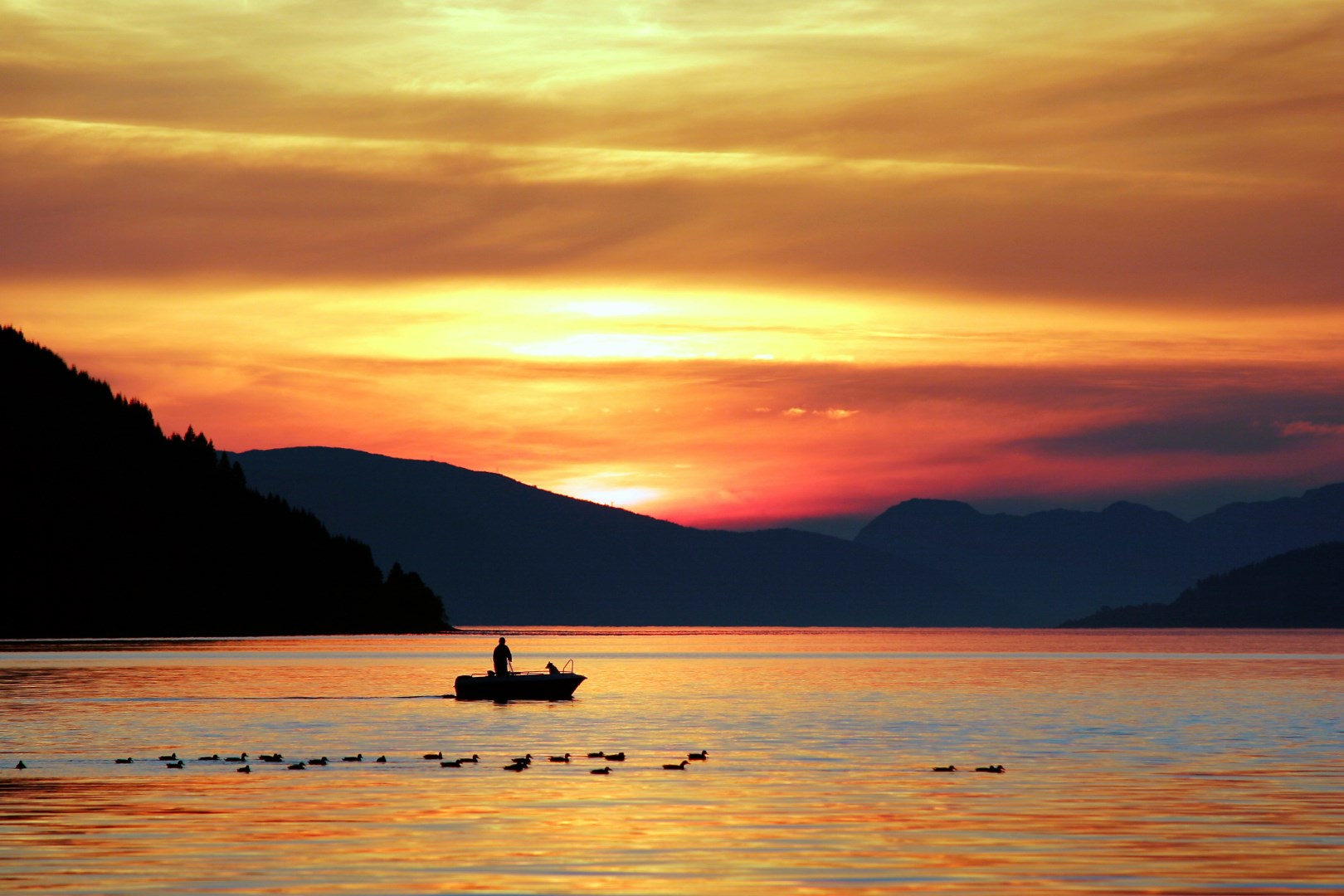
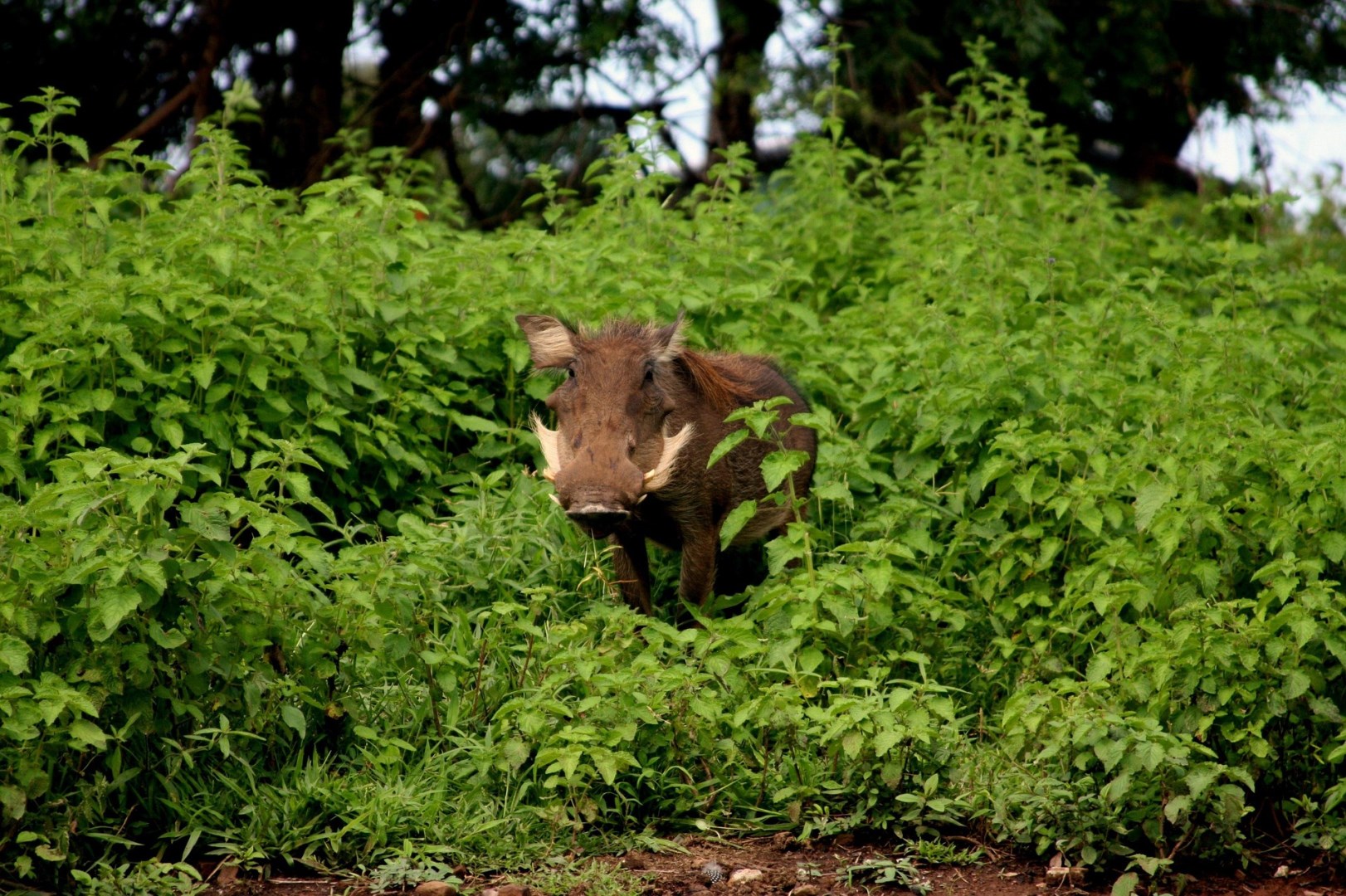
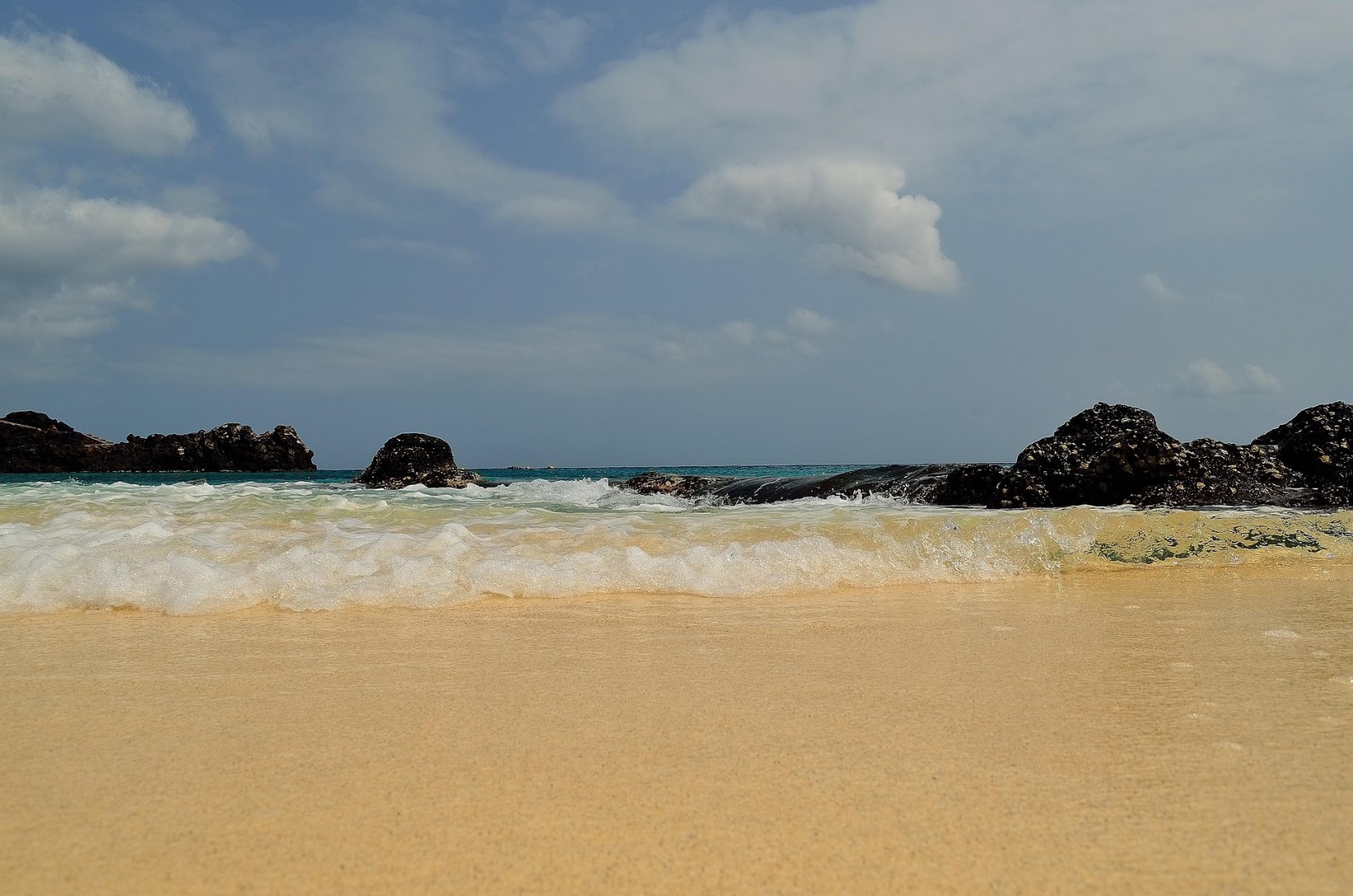
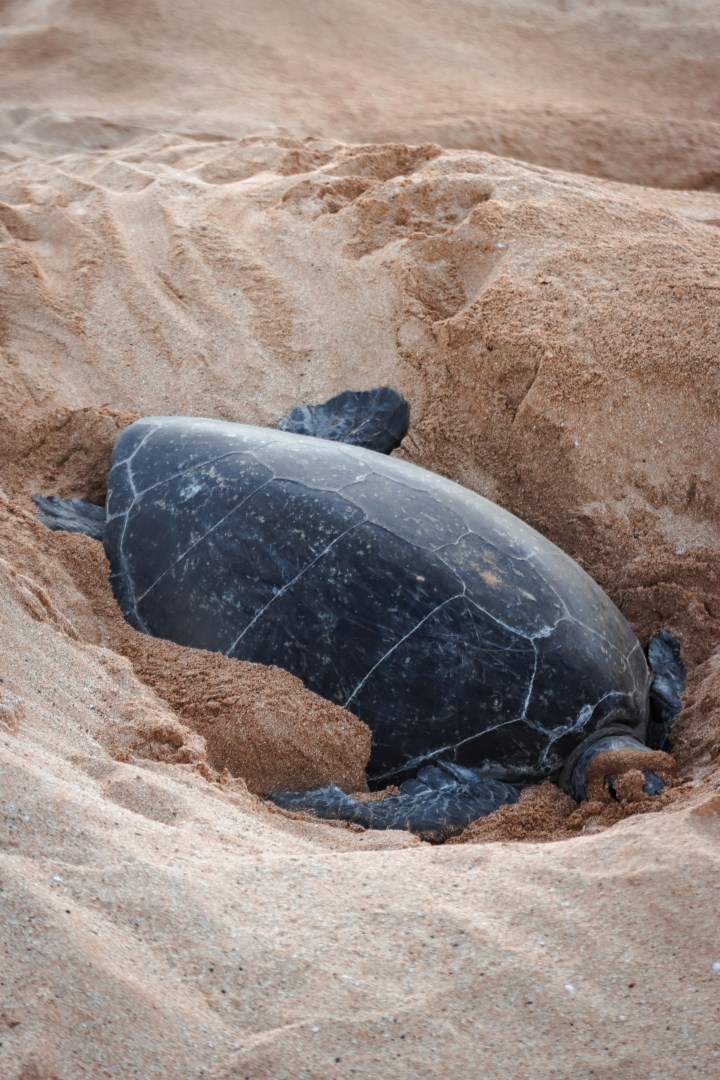
Broome, located in Western Australia, is a captivating destination that offers a unique blend of natural beauty, cultural heritage, and adventurous experiences. Nestled along the stunning Kimberley coast, Broome is renowned for its breathtaking Cable Beach, a 22-kilometer stretch of pristine white sand lapped by azure waters.
The Isle of Skye rises from Scotland’s west coast with a shape that feels almost sculpted by hand. Its ridges and peninsulas stretch outward from a mountainous core, where the Cuillin range cuts a jagged line across the sky. Travelers often begin in Portree, a harbor town lined with brightly painted buildings and small seafood spots. From here, narrow roads lead to cliff edges, quiet bays, and sweeping views where golden eagles and red deer are part of the everyday scene.
Located in the western part of the Yukon Territory Province of Canada, this area is on the Yukon River and famous as the gold mining area of the great Gold Rush. It is still an active mining area and also a popular tourist attraction as it has retained much of the look from the gold rush era.
Torremolinos, on Spain’s Costa del Sol, has transformed from a small fishing village into one of the region’s most vibrant seaside towns. Just a short drive from Málaga, it became famous in the mid-20th century as one of the first international beach destinations in Spain, attracting artists, celebrities, and travelers in search of sun and sea.
Nestled in the Julian Alps of Slovenia, Kranjska Gora is a charming alpine town known for its stunning landscapes and outdoor activities. This picturesque destination offers a gateway to breathtaking natural beauty, from the snow-capped peaks of the Julian Alps to the lush, green valleys that surround the town.
Ascension island, British dependency of St. Helena (which also includes St. Helena and the Tristan da Cunha group), in the South Atlantic Ocean, about midway between Africa and South America and 700 miles northwest of St. Helena. The small, volcanic island was sighted by the Portuguese in 1501, but it was uninhabited until the exile of Napoleon to St. Helena in 1815, when the British established a garrison here to guard against his escape. In 1922 the island was annexed to St. Helena. It was a refueling base for U.S. aircraft in World War II. The United States built a station here in 1957 as a post for observing guided missiles. Huge numbers of sea turtles and sooty terns breed on the island. Georgetown is the main settlement.
