
Iguassu Falls, straddling the border between Brazil and Argentina, is a breathtaking natural wonder that captivates visitors with its sheer scale and beauty. This UNESCO World Heritage Site boasts the largest waterfall system in the world, with nearly 275 individual falls cascading over a rugged landscape.
An enchanting paradise in the heart of the South Pacific, French Polynesia is made up of over 100 islands known for their crystal-clear lagoons, lush mountains, and vibrant coral reefs. The islands’ warm, tropical climate combined with its stunning landscapes, from towering waterfalls to dramatic volcanic peaks, invite travelers to step into a world of natural wonder and beauty.
Komodo Island is famous for its Komodo dragons, the largest lizards in the world. These remarkable creatures, which can grow up to 10 feet long, roam freely on the island, offering visitors a rare chance to watch them in their natural environment.
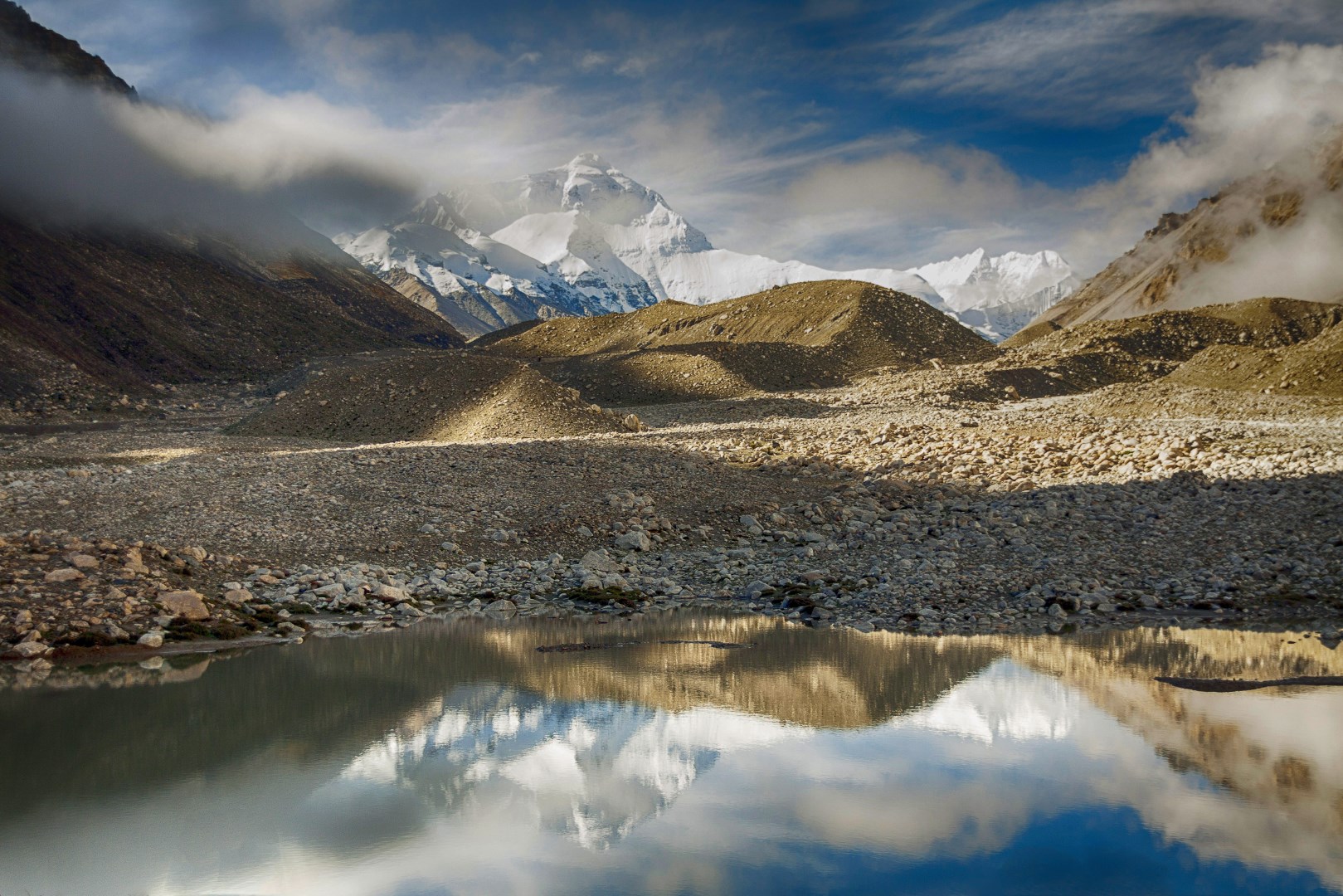
Rising along the border of Nepal and Tibet, Mount Everest stands as the highest point on Earth, reaching over 29,000 feet into the sky. Known locally as Sagarmatha, meaning “Peak of Heaven,” and Chomolungma, meaning “Goddess Mother of the World,” the mountain carries deep spiritual meaning for the communities that live in its shadow. Its summit sits in air so thin that oxygen levels are only a fraction of what travelers experience at sea level.
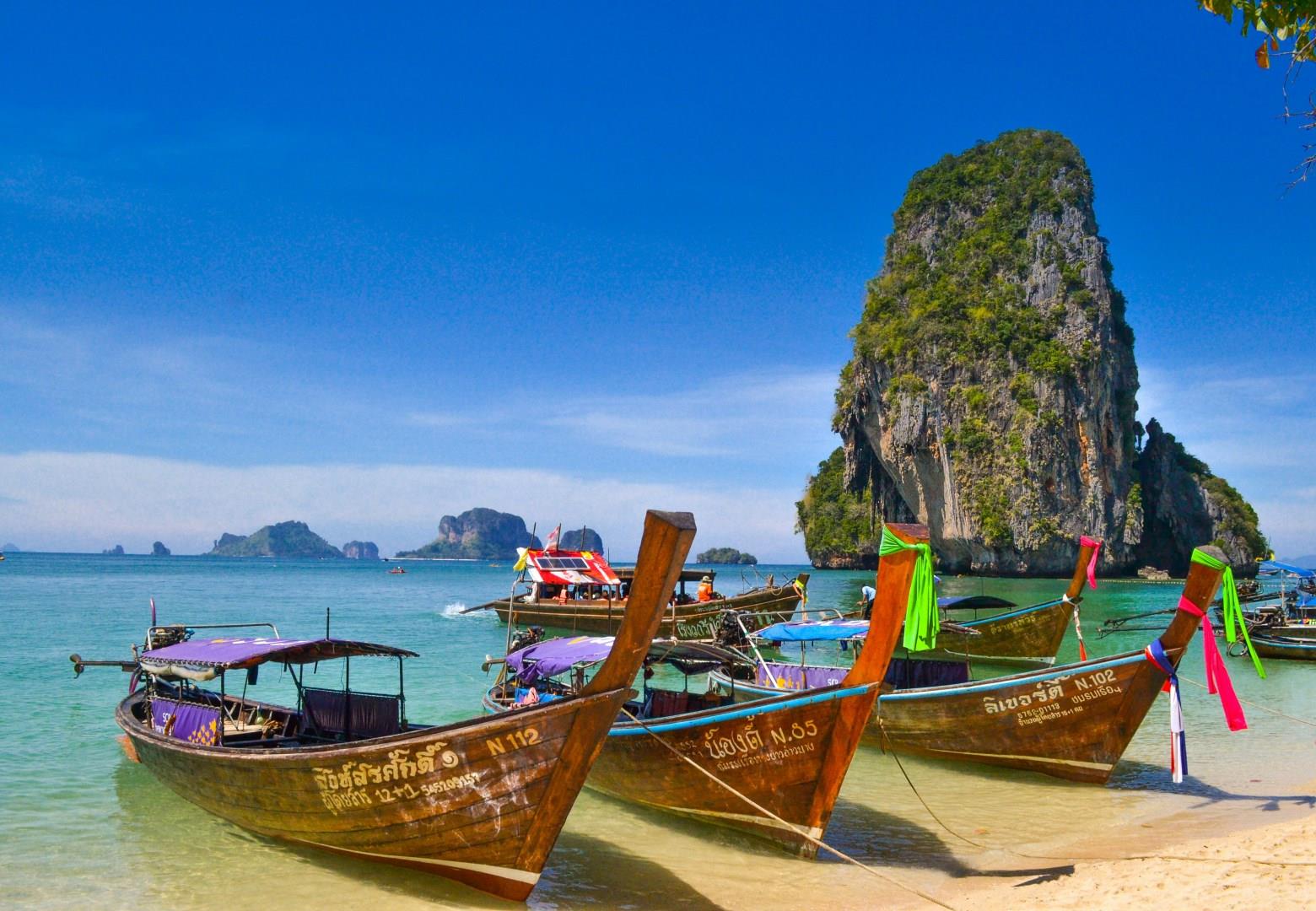
Krabi, located on the southwest coast of Thailand, is known for its towering limestone cliffs, warm Andaman waters, and a coastline dotted with over 150 islands. One of its most iconic sites is Railay Beach, which is accessible only by boat due to the cliffs that cut it off from the mainland. Railay is famous among rock climbers for its natural limestone formations, some of which hang directly over the sea.
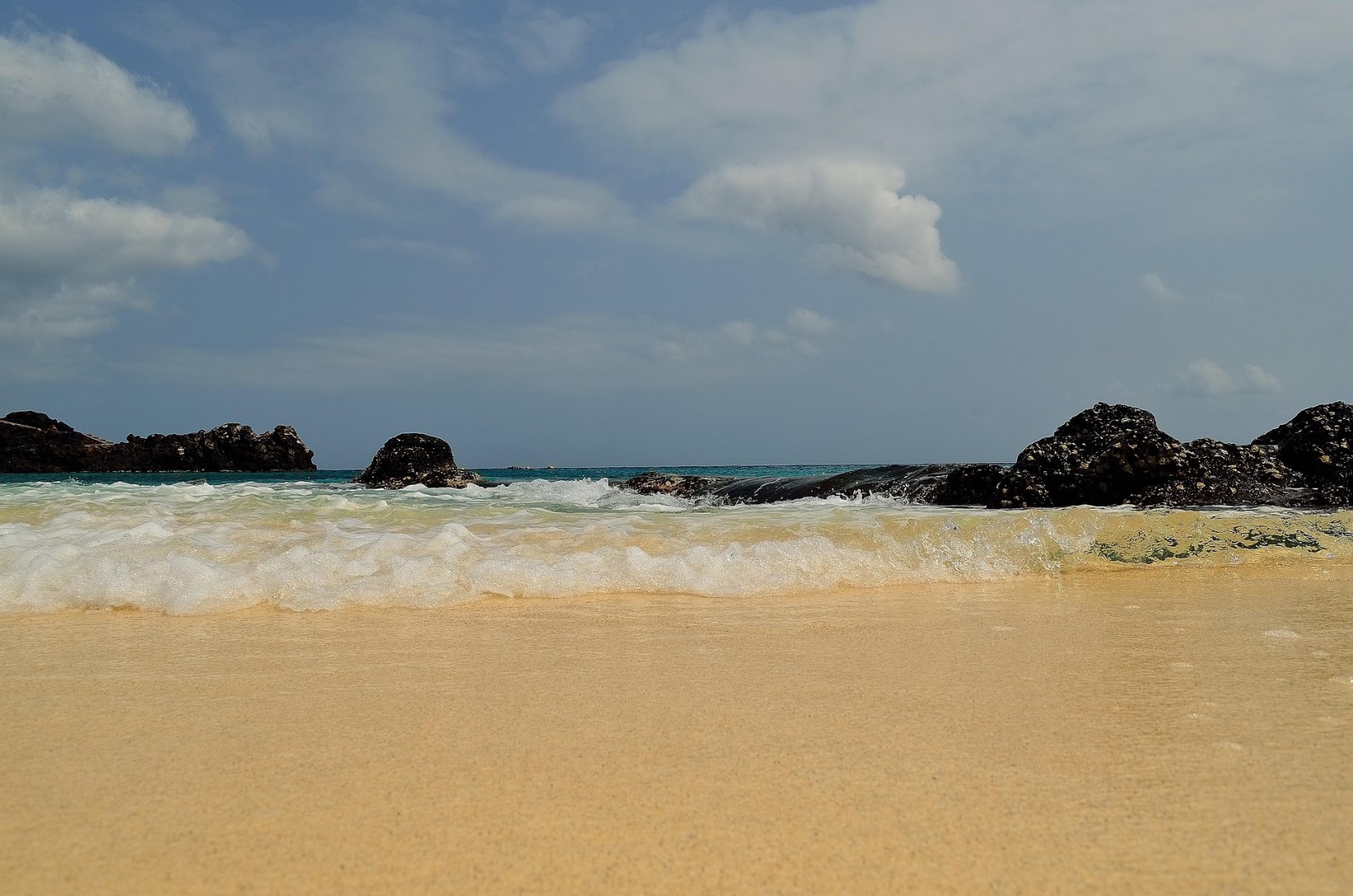
Ascension island, British dependency of St. Helena (which also includes St. Helena and the Tristan da Cunha group), in the South Atlantic Ocean, about midway between Africa and South America and 700 miles northwest of St. Helena. The small, volcanic island was sighted by the Portuguese in 1501, but it was uninhabited until the exile of Napoleon to St. Helena in 1815, when the British established a garrison here to guard against his escape. In 1922 the island was annexed to St. Helena. It was a refueling base for U.S. aircraft in World War II. The United States built a station here in 1957 as a post for observing guided missiles. Huge numbers of sea turtles and sooty terns breed on the island. Georgetown is the main settlement.
