
Caribbean | Guadeloupe

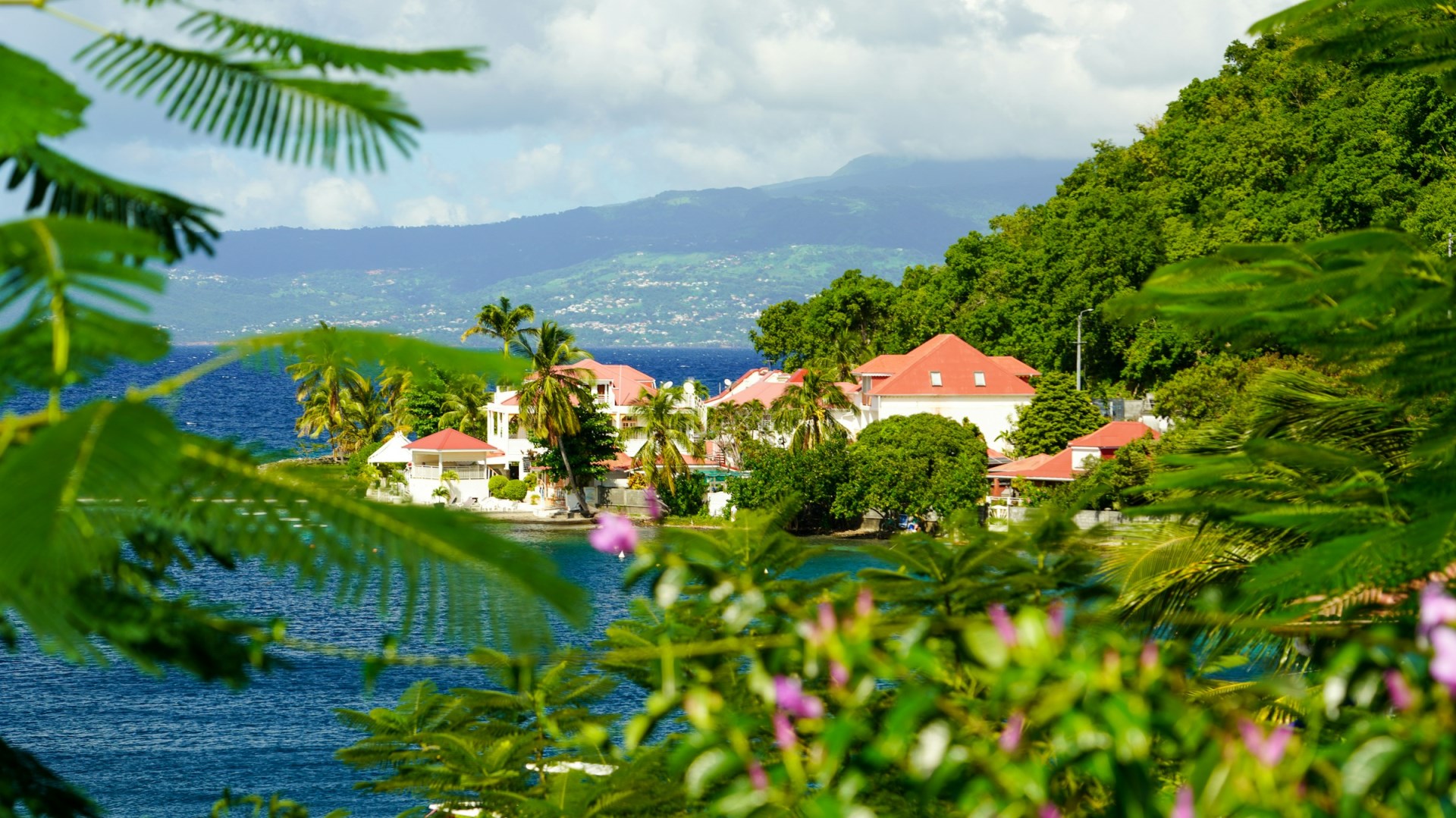
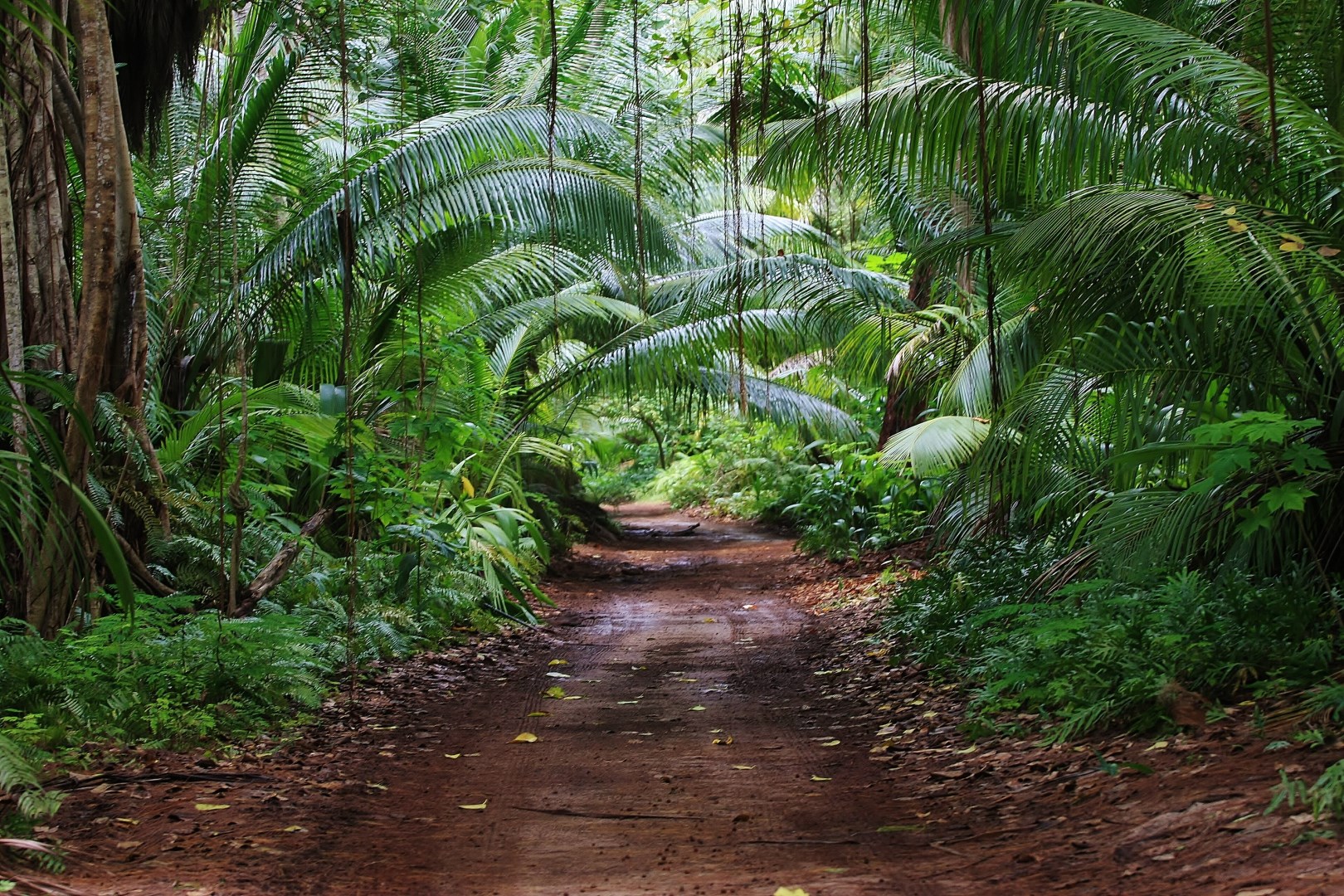
One of the Caribbean's most lively islands, Guadeloupe will charm you with its impressive dormant volcano, stunning tropical forests, and French ambience. Actually composed of two islands, Grand Terre and Basse Terre, Guadeloupe has the honor of hosting one of France's seven Parcs National. Don't miss a chance to try Guadeloupe's famous Creole cuisine.
Center of the Caribbean's Creole culture, boasting a spirited blend of French and African influences, this island archipelago remains largely provincial. It consists of two butterfly-shaped islands. The national emblem is the raccoon, which lives in the forests of Basse-Terre, and mongooses and agoutis are also common. About 334,000 people live on the twin islands, with offshore Marie-Galante the most populous of the surrounding islands with 13,000 people. The majority of the population is drawn from a combination of African, European and East Indian descent. Recently arrived French and those who can trace their ancestry to the early French settlers make up about a quarter of the population. Most visitors require a French entry visa.
Center of the Caribbean's Creole culture, boasting a spirited blend of French and African influences, this island archipelago remains largely provincial. It consists of two butterfly-shaped islands. The national emblem is the raccoon, which lives in the forests of Basse-Terre, and mongooses and agoutis are also common. About 334,000 people live on the twin islands, with offshore Marie-Galante the most populous of the surrounding islands with 13,000 people. The majority of the population is drawn from a combination of African, European and East Indian descent. Recently arrived French and those who can trace their ancestry to the early French settlers make up about a quarter of the population. Most visitors require a French entry visa.
Popular Destinations in Guadeloupe
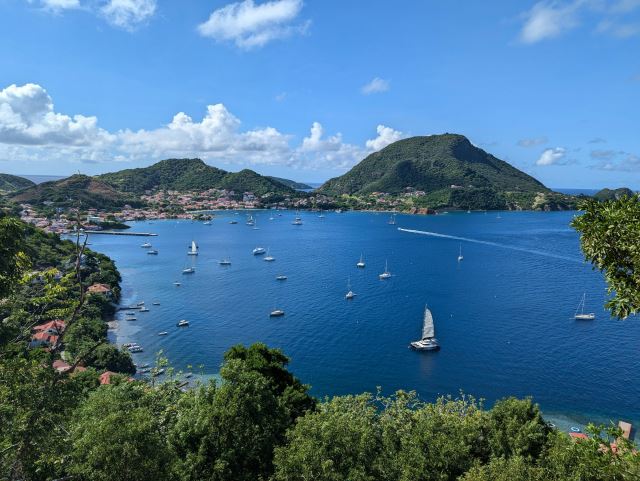
Les Saintes (also known as Iles des Saintes) are perfect for the kind of traveler who relishes unspoiled tropical beauty and the serenity that comes from doing next to nothing on a vacation, but doing it à la française.
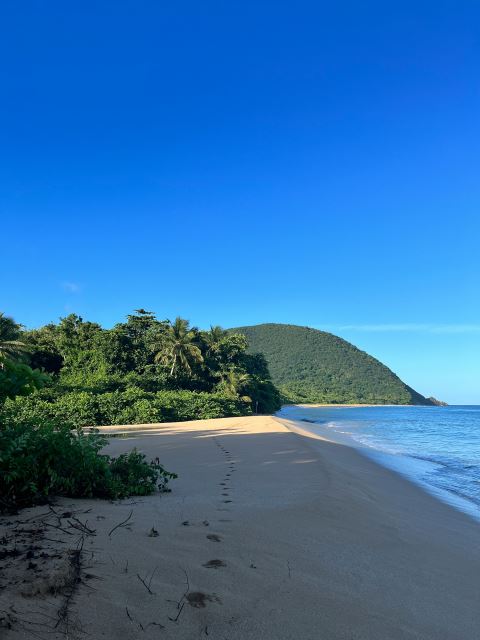
Deshaies, a picturesque village on the northwest coast of Guadeloupe, offers a quintessential Caribbean experience with its stunning beaches, lush landscapes, and charming local culture. Nestled between verdant hills and the sparkling Caribbean Sea, this town is renowned for its idyllic scenery and relaxed atmosphere. One of its main attractions is the beautiful Plage de Grande-Anse, a long, golden-sand beach perfect for swimming, sunbathing, and enjoying the vibrant marine life.
