


Caribbean | St. Lucia


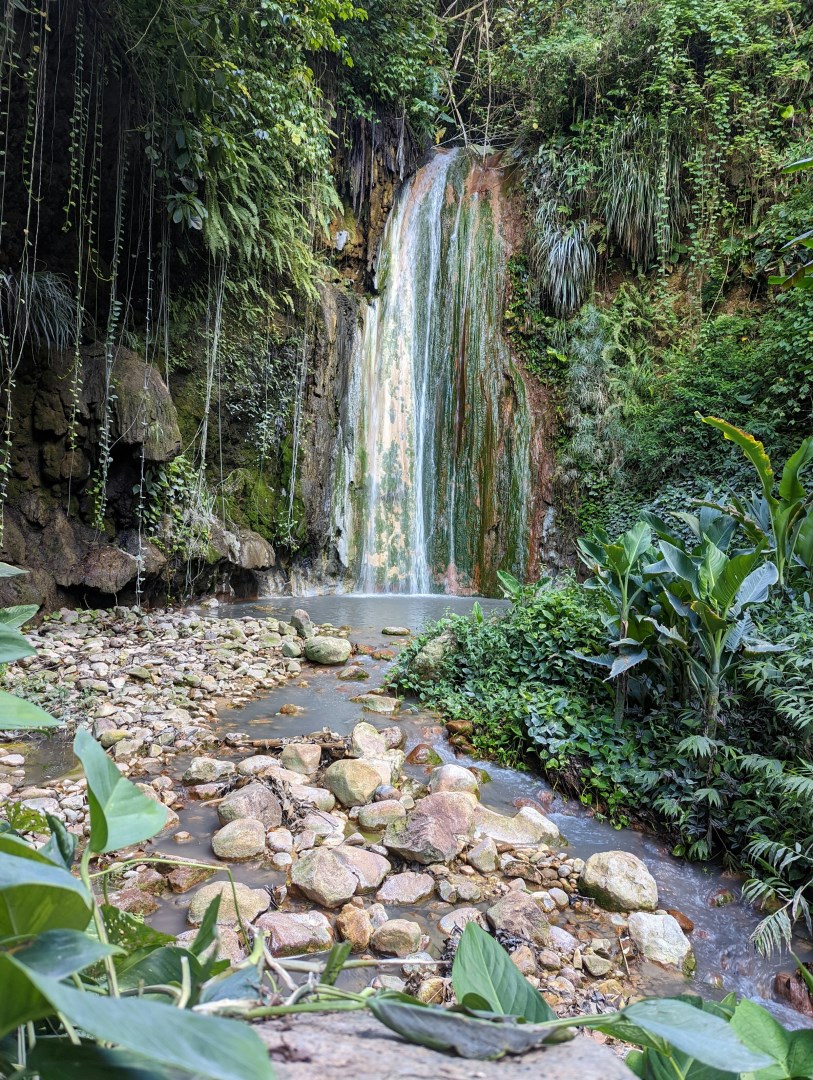
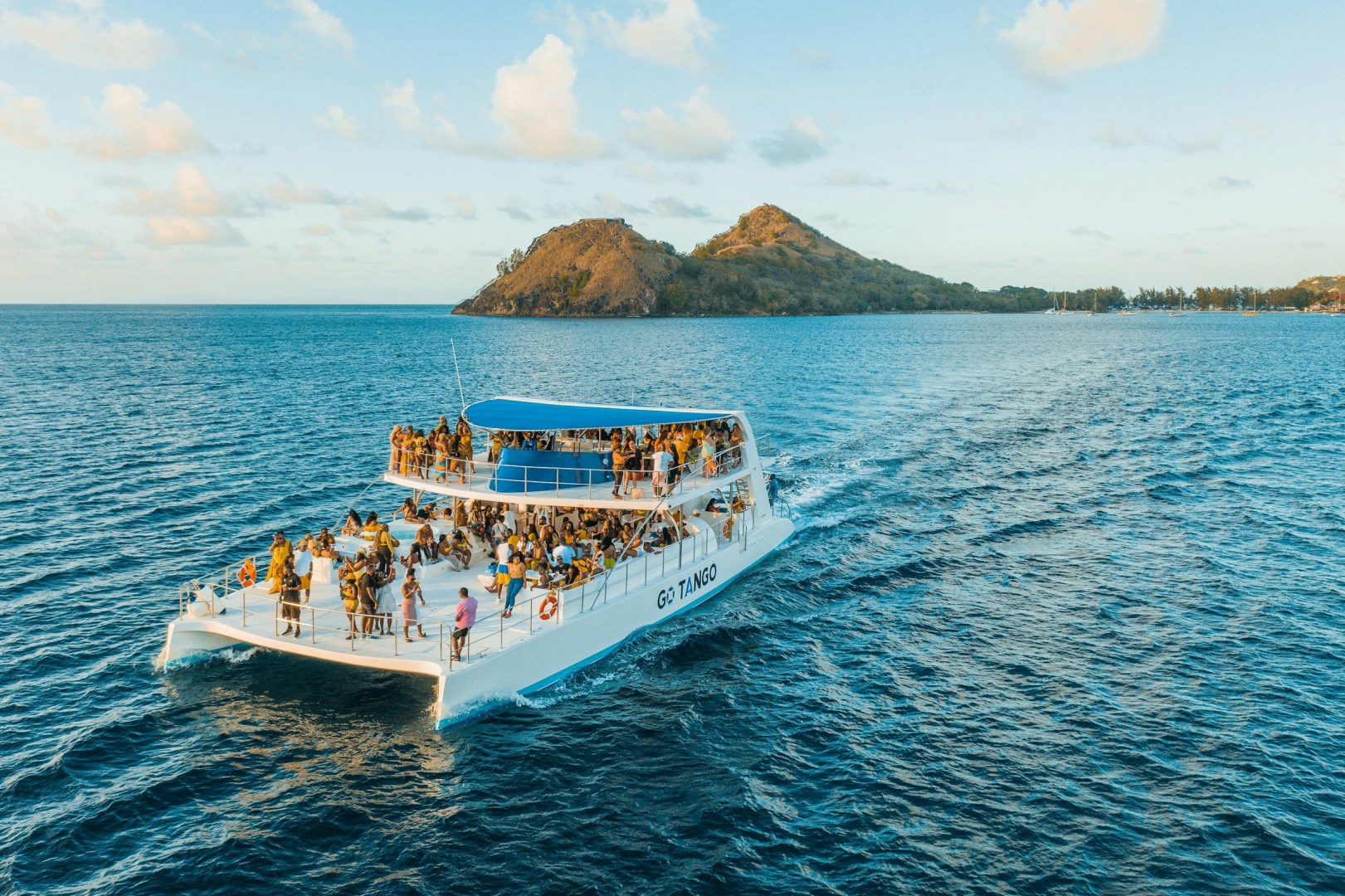
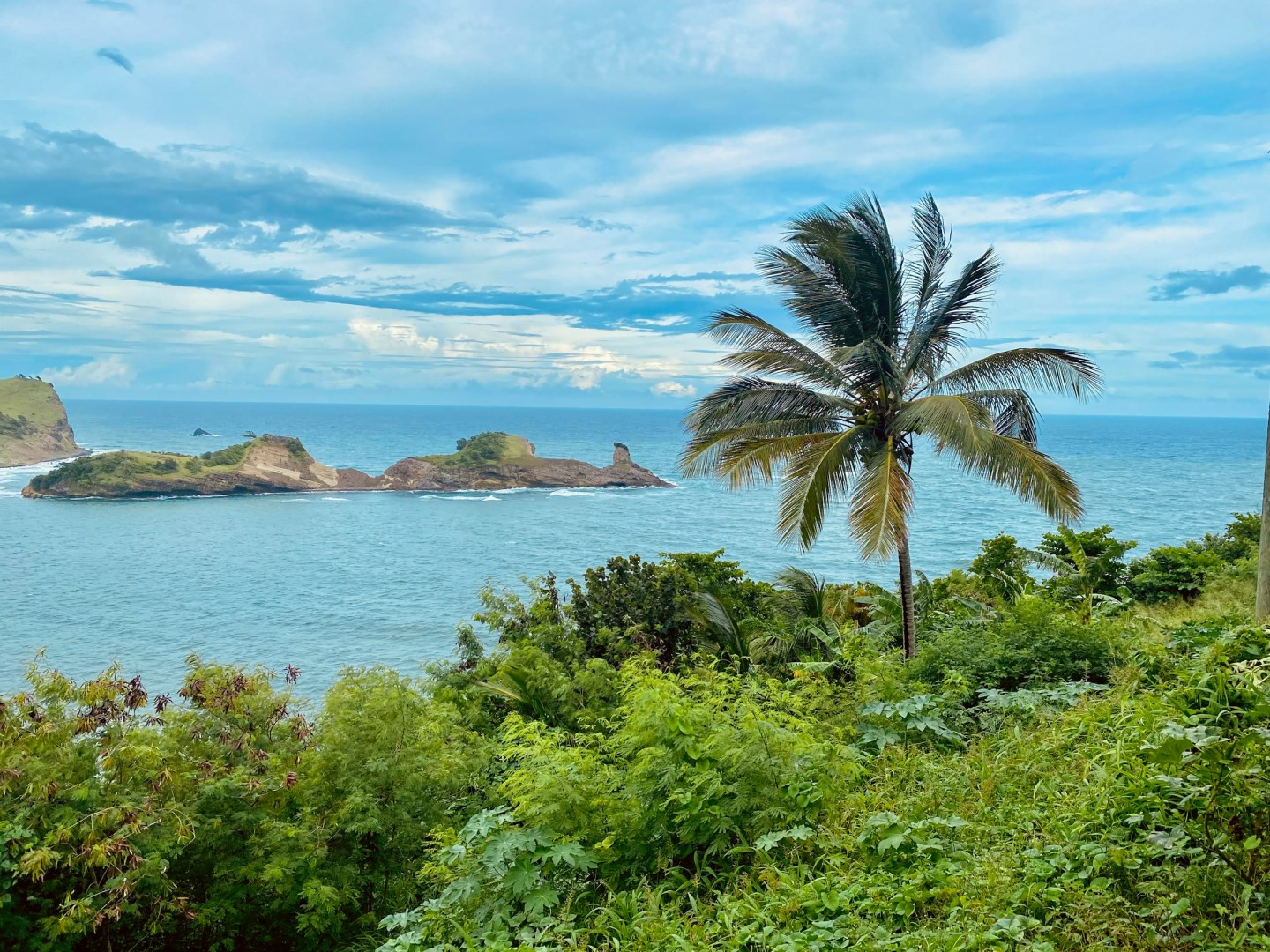
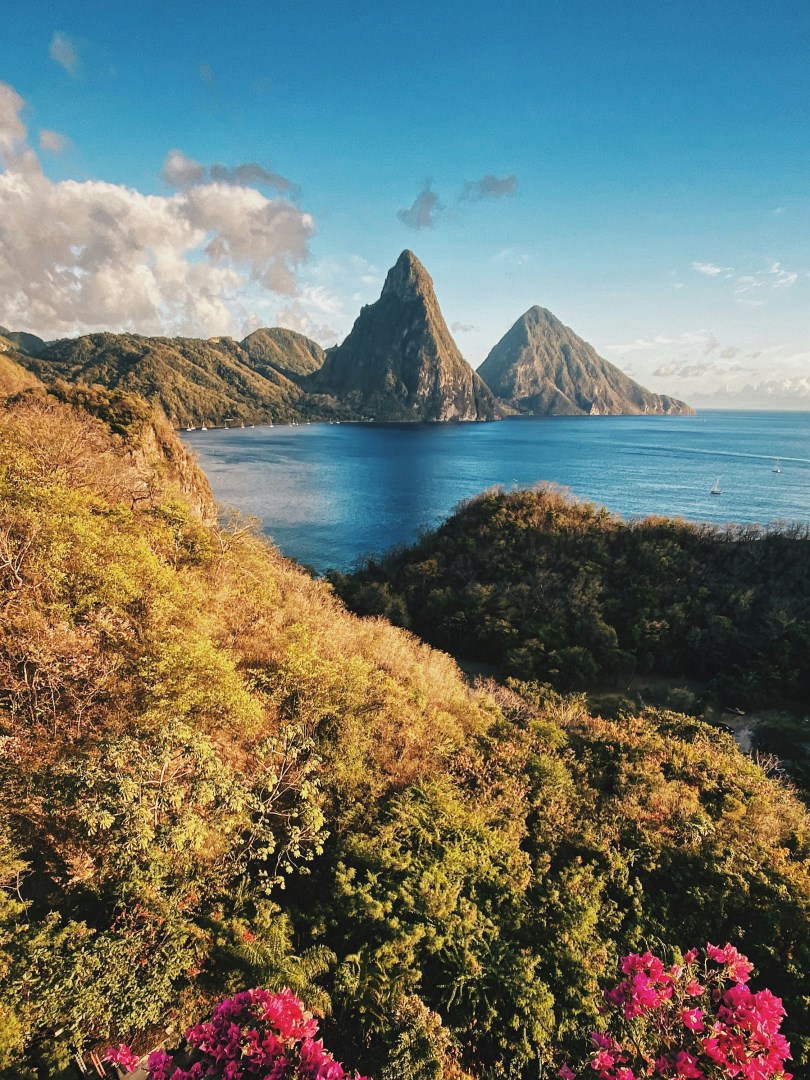
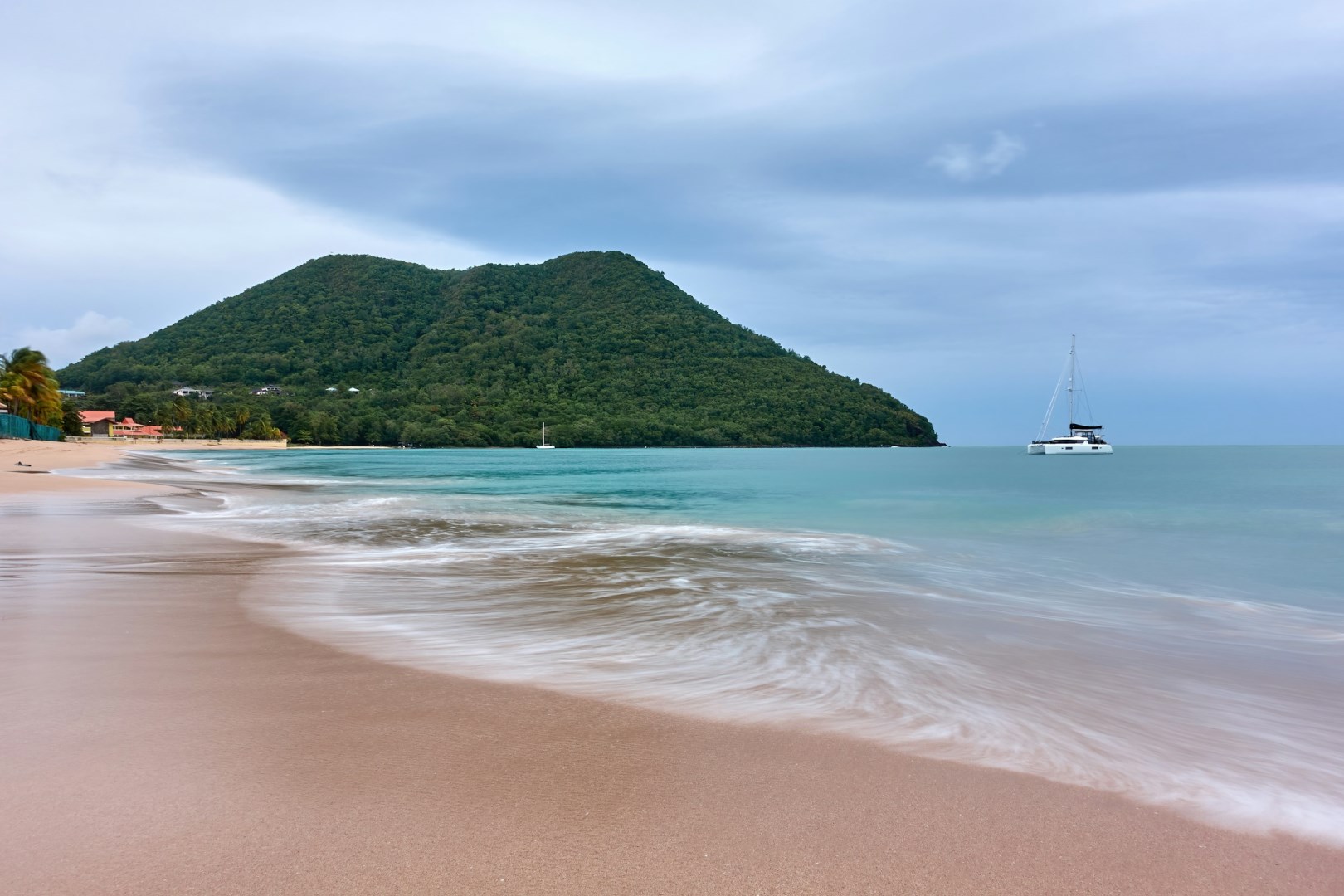
St. Lucia is an island of verdant landscapes in every direction: A dense rain forest rises up and covers The Pitons' twin peaks, and in the valleys, the sun's rays dance upon the large yellow-green leaves of banana plants. Beyond all the greenery, you'll find isolated coves, stunning beaches, colonial towns, quiet fishing villages and first-class yachting facilities.
Sports-enthusiasts needn't worry about feeling idle on a St. Lucia vacation. The island has plenty of activities to partake in, from water sports such as diving and snorkeling to land options like hiking through the rain forest and exploring a volcano.
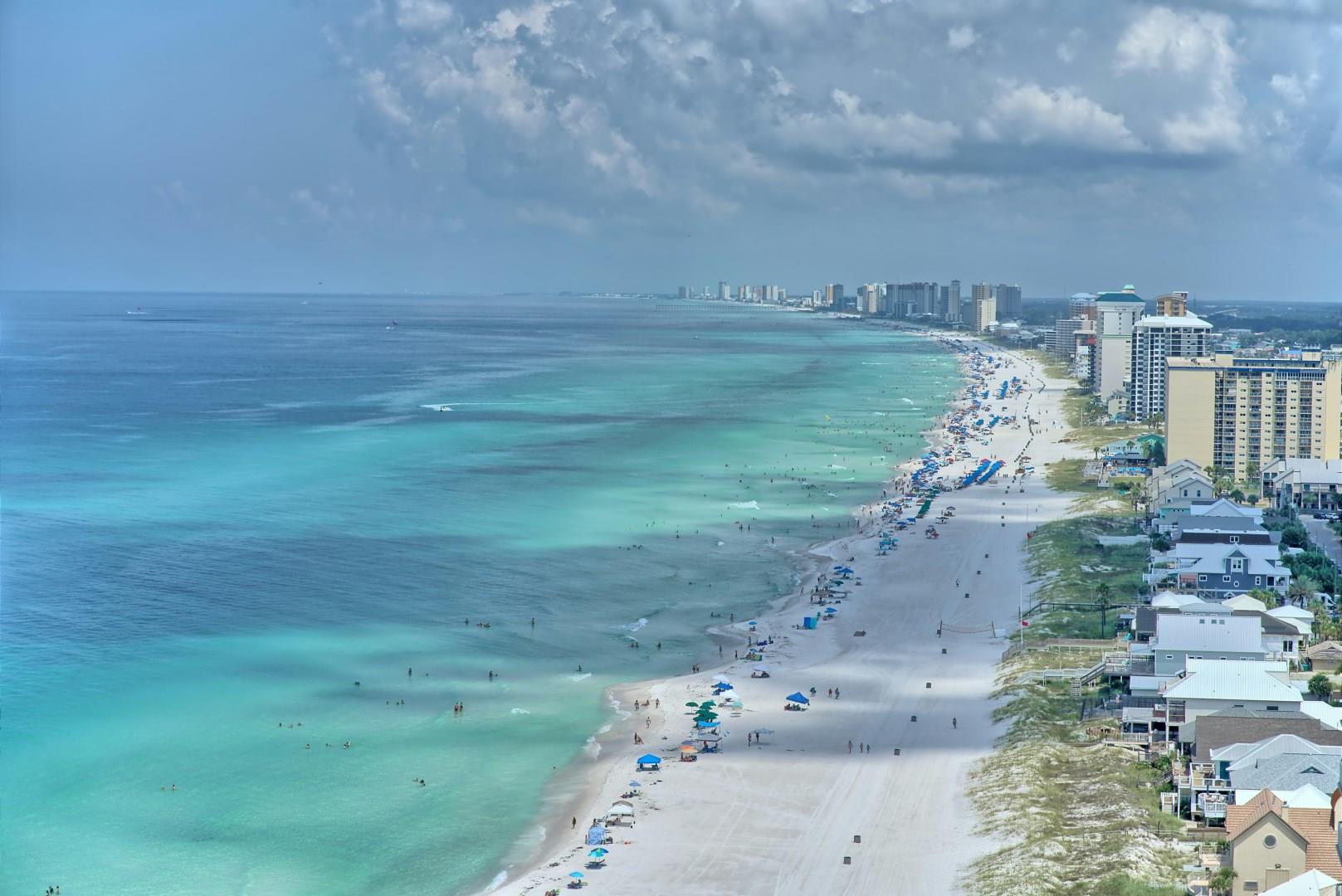
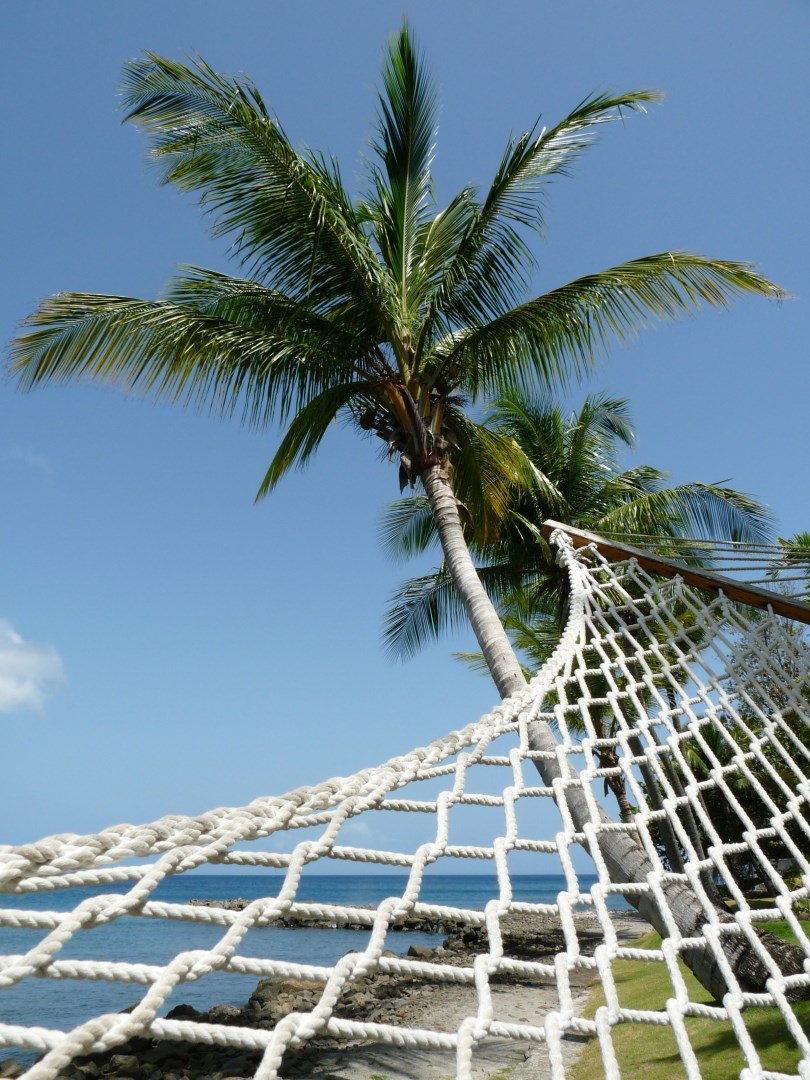
Lucia's beaches are awe-inspiring, with strands of black volcanic sand, mile-long stretches of white beach and gorgeous palm-fringed bays bordered by towering mountains. Nature's impact on St. Lucia's beaches has made each one more breathtaking than the last.
Popular Destinations in St. Lucia

Castries, St. Lucia's capital and a busy port city, is an idyllic Caribbean wonderland. Tourists will find craft and fruit markets, photo-ready murals and a general cozy charm here. One must-do activity is getting to the top Morne Fortune (Hill of Good Luck) to drink in the lovely panoramic views. Be sure to visit the museum at Derek Walcott Square, and soak up the sun on Vigie Beach!

