
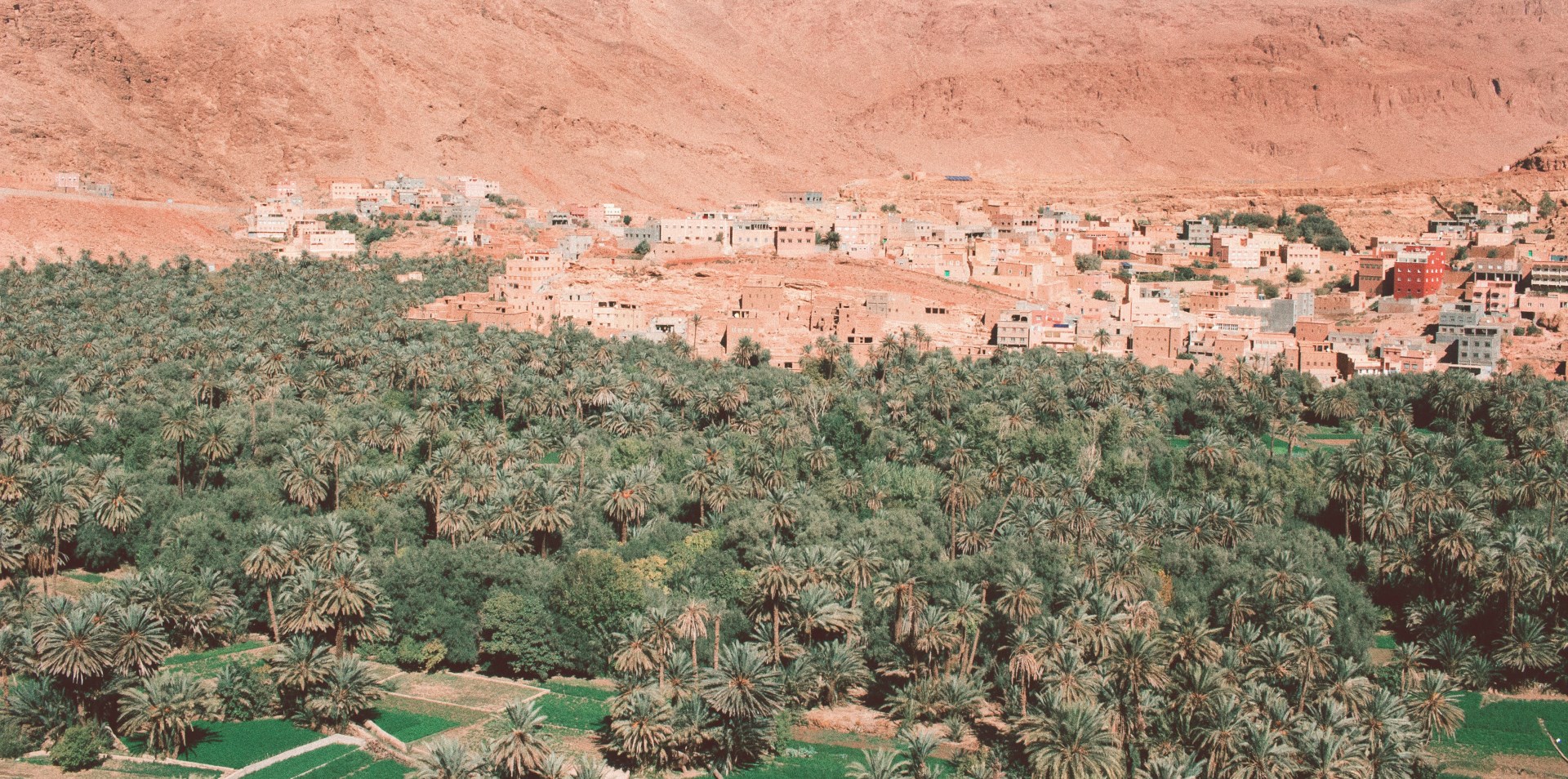
At the edge of the High Atlas Mountains, Boumalne Dades stands as a gateway to one of Morocco’s most striking landscapes. The town stretches along a broad valley where the Dades River cuts through layers of red and ochre rock. This setting creates a dramatic backdrop that shifts in color throughout the day. Travelers often arrive here as a stopping point, but many stay longer after discovering the slower rhythm of village life and the easy access to nearby valleys and gorges.
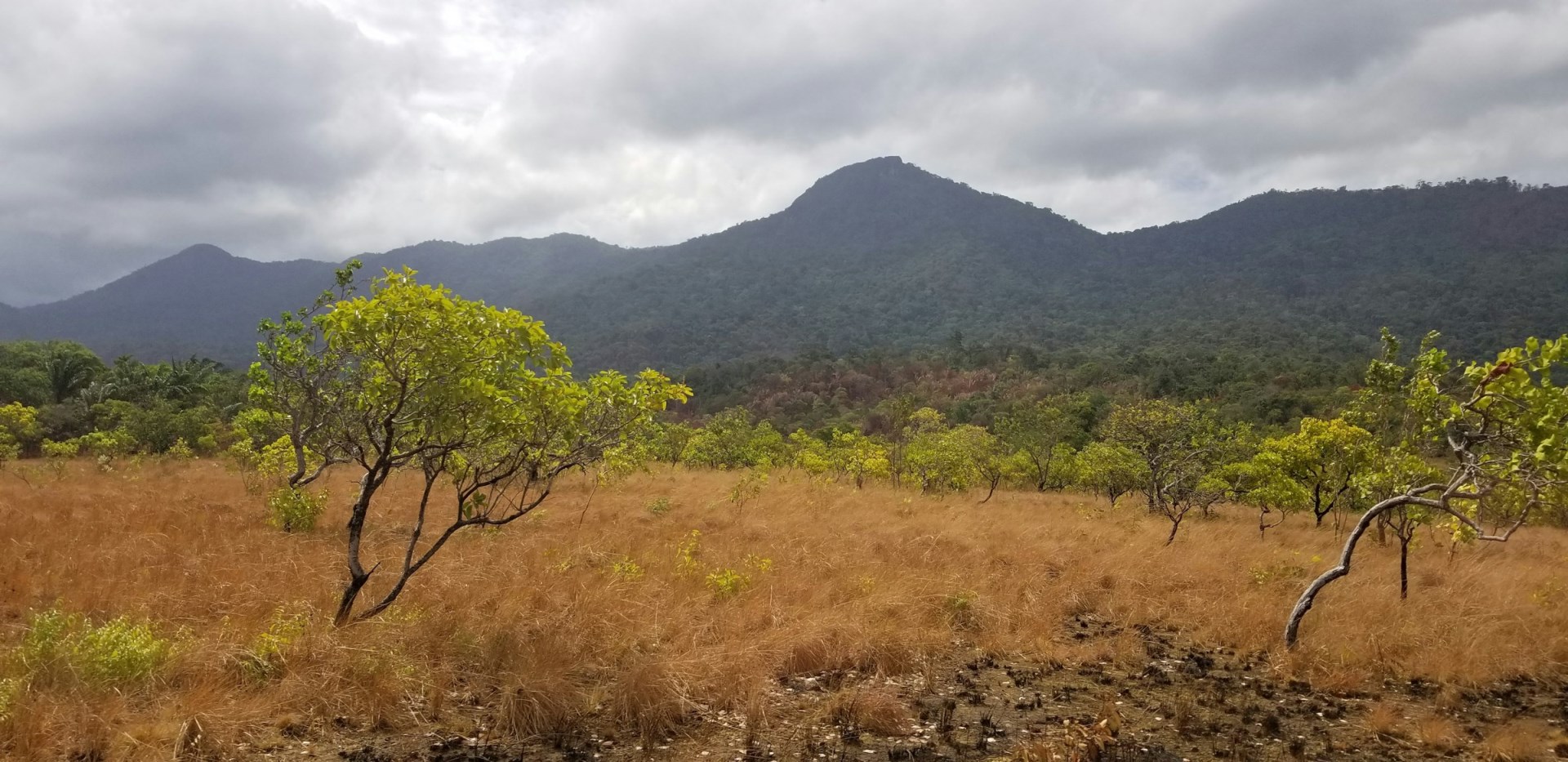
Guyana, perched on South America’s northern coast, is often overlooked by mass tourism, but those who venture here quickly discover a country defined by its wild landscapes and strong cultural identity. As the only English-speaking country on the continent, it offers travelers a smoother entry into South America while maintaining a distinct Caribbean rhythm.
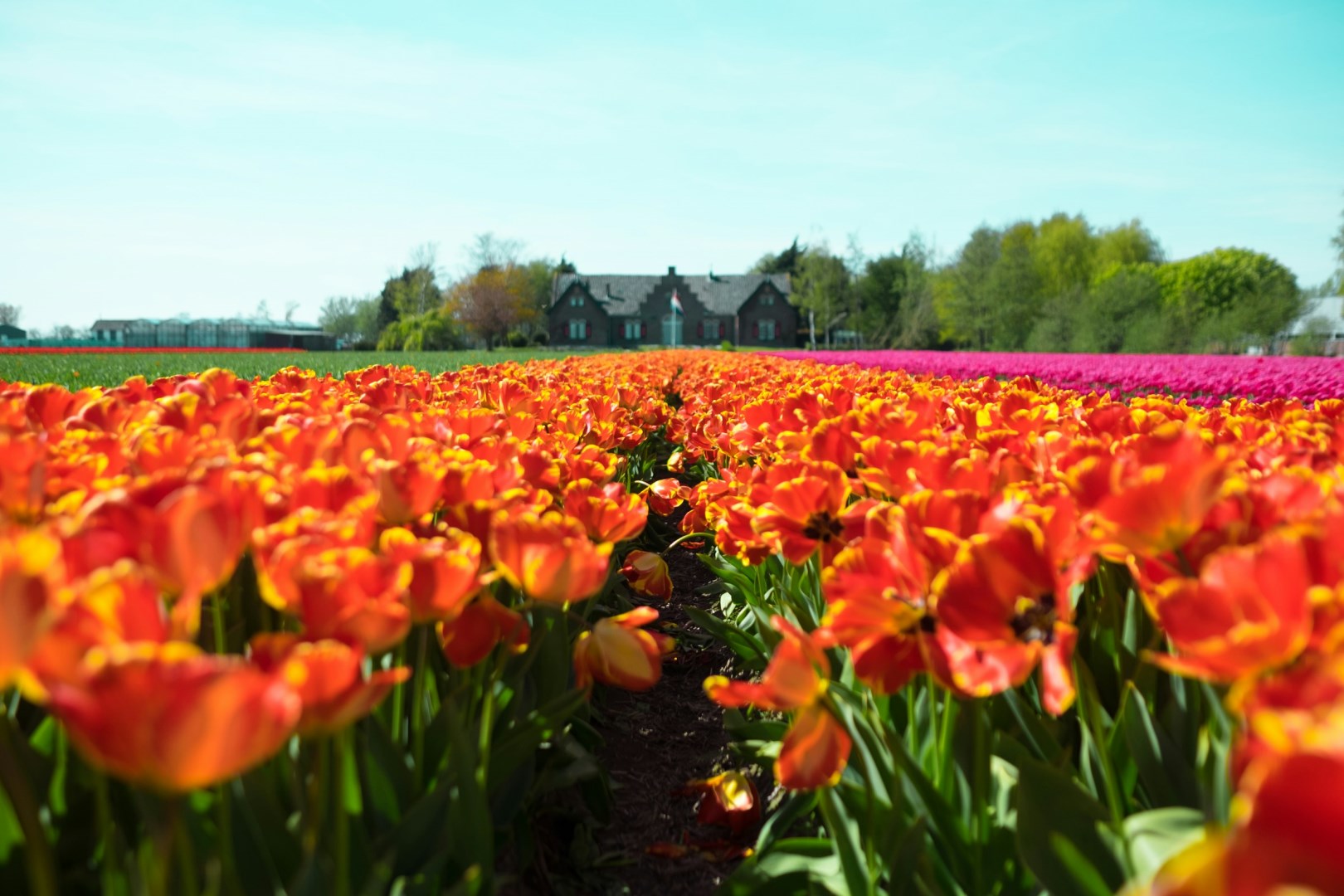
Lisse is a small town in the Bollenstreek flower-growing region of South Holland, situated between Haarlem and Leiden. It is closely associated with bulb cultivation, particularly tulips, daffodils, and hyacinths, and its surrounding countryside is characterized by broad fields that change color with the flowering season. The town itself contains a compact center of shops, cafés, churches, and traditional Dutch buildings, while the surrounding landscape is largely agricultural.
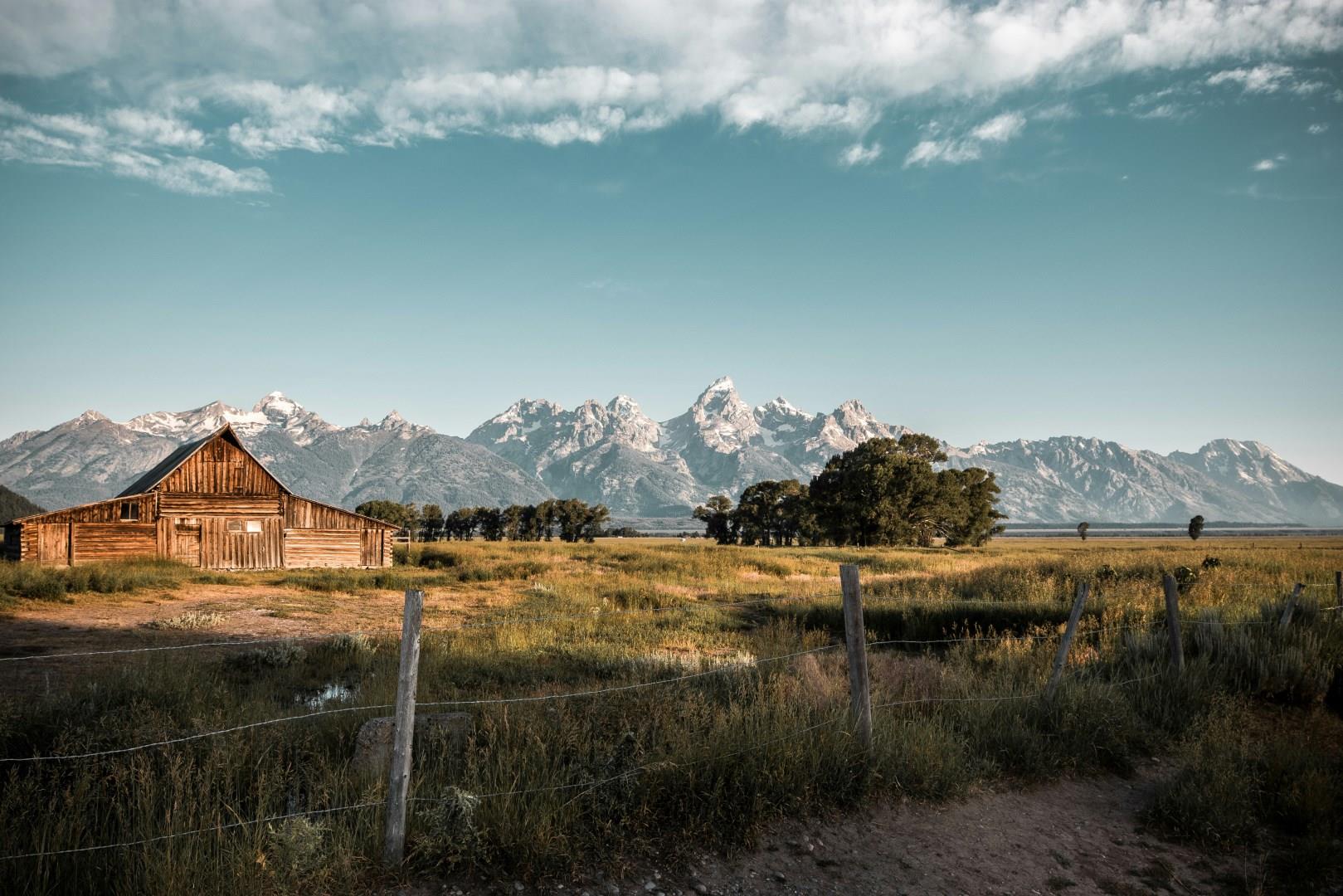
Jackson Hole, Wyoming, is a gateway to the grandeur of the American West, where rugged landscapes meet a rich frontier heritage. Nestled between the Teton Mountain Range and the National Elk Refuge, the town offers visitors a taste of authentic Western life alongside world-class outdoor adventures. The vibrant arts scene in Jackson Hole reflects the area’s creative spirit, with galleries showcasing Western art, wildlife photography, and contemporary pieces.
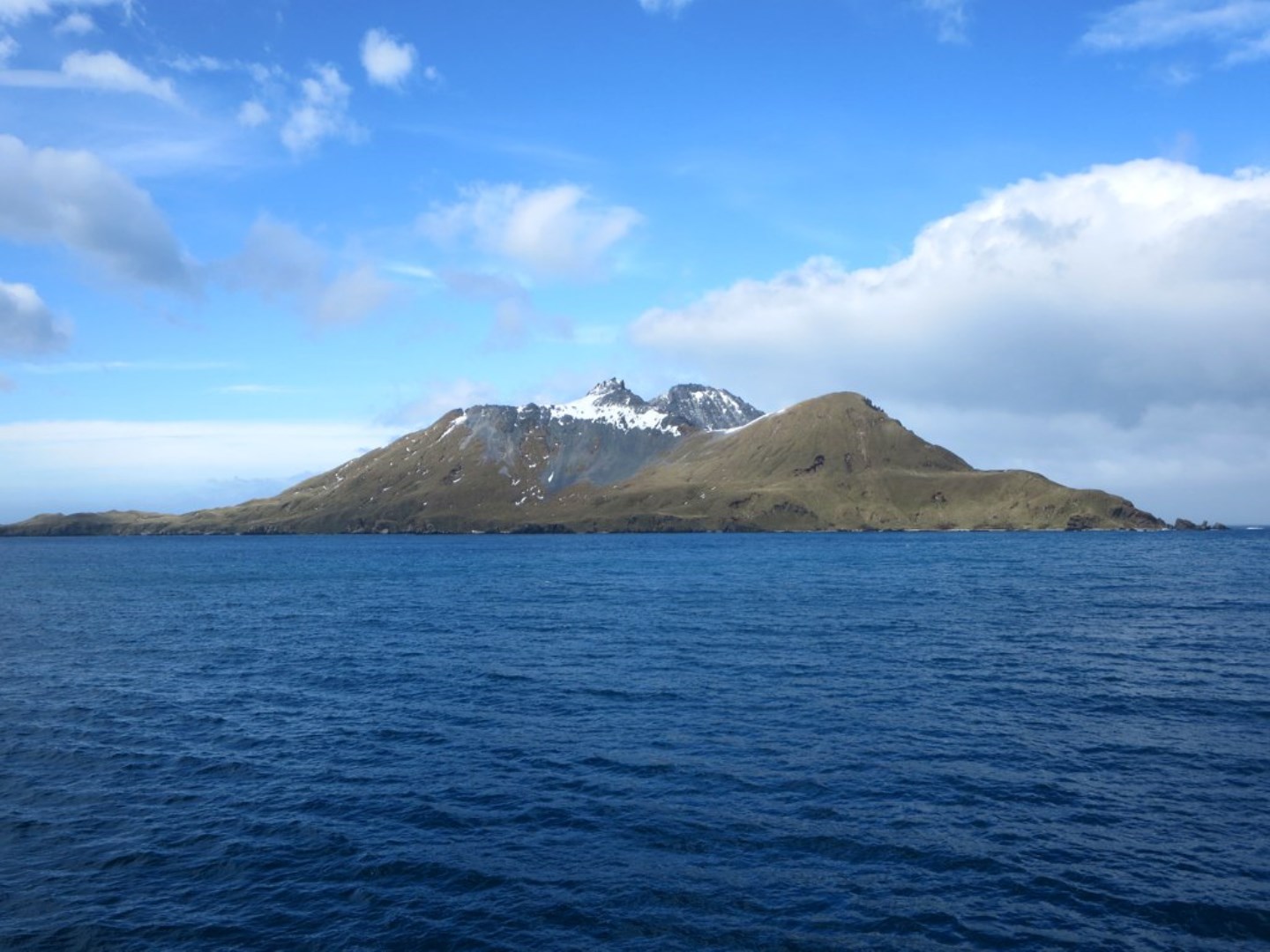
Cooper Island is a small, rugged island off the southeastern coast of South Georgia, lying near the entrance to Drygalski Fjord. Its landscape combines steep rocky slopes, snowfields, glaciers, and sheltered coastal areas, with the island surrounded by cold waters often containing sea ice. The island is part of the protected South Georgia environment and is visited primarily for its wildlife and scenery. Expedition vessels may approach or land when conditions permit, although access depends on w
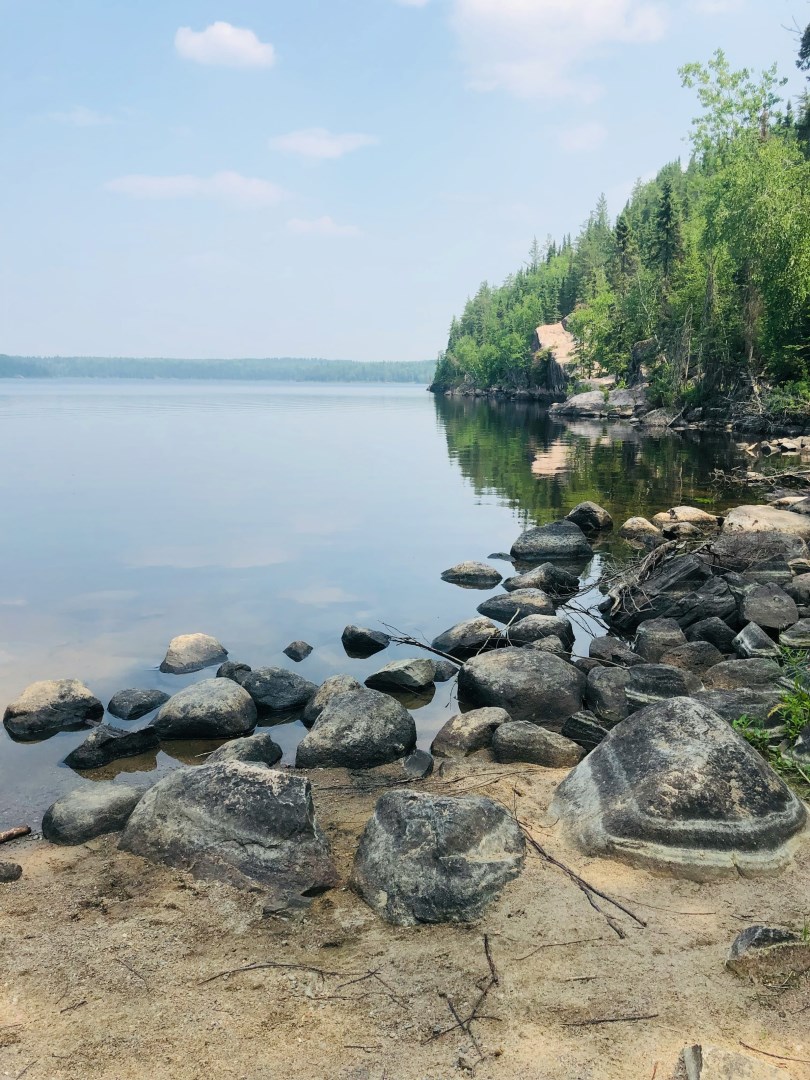
Winnipeg is Manitoba's capital, and its total area equals 250,999 sq. miles. The northern half of the province has dense forests, and mineral-rich soil, while the southern half produces wheat.
Popular Destinations in Manitoba
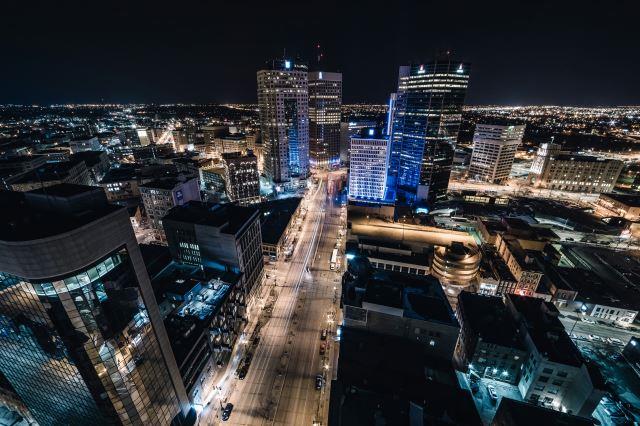
Winnipeg
Winnipeg sits at the meeting point of the Red and Assiniboine rivers, a location that has shaped its role as a gathering place for thousands of years. Long before it became a modern city, the area was central to Indigenous trade networks, a legacy that remains visible today through institutions like The Forks and the Canadian Museum for Human Rights.
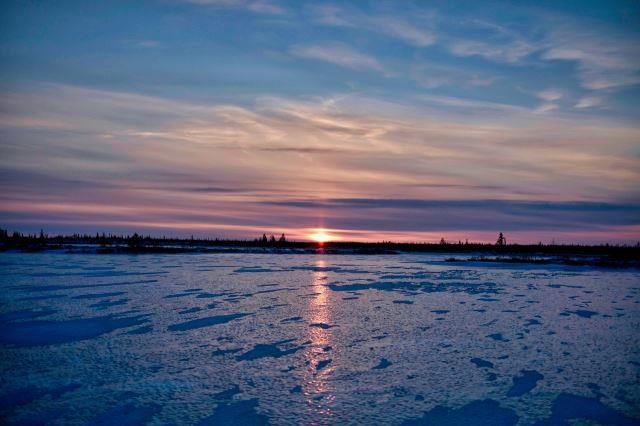
Churchill
Nestled along the shores of Hudson Bay in northern Manitoba, Churchill is a unique and captivating destination known for its remarkable wildlife and rugged beauty. Often referred to as the "Polar Bear Capital of the World," Churchill offers an unparalleled opportunity to witness these majestic creatures in their natural habitat. Each year, visitors flock to the town from October to November for the polar bear viewing season, when the bears migrate along the coast waiting for the bay to freeze.