Santa Cruz Island is the beating heart of the Galápagos and is home to the largest town in the archipelago, Puerto Ayora, and a key access point for travelers exploring this unique region. But beyond its small port and shops, the island reveals a surprising range of ecosystems, from black lava shores to lush highlands where giant tortoises roam freely.
Dominica, known as the “Nature Island of the Caribbean,” is a haven for eco-tourists and adventure seekers. Nestled between the French islands of Guadeloupe and Martinique, this lush island boasts a remarkable landscape of volcanic mountains, dense rainforests, and stunning waterfalls. Dominica’s most iconic natural wonder is the Boiling Lake, the second-largest hot spring in the world.
Portugal offers a layered experience shaped by maritime history, deep-rooted traditions, and a coastline that stretches for nearly 1,800 kilometers. In Lisbon, the streets of Alfama wind uphill toward São Jorge Castle, where views of red-tiled rooftops and the Tagus River reveal how the city was rebuilt after the 1755 earthquake. Trams still clatter through narrow streets, and fado music, often performed in candlelit taverns, tells stories of longing and the sea.
Coimbra, set along the banks of the Mondego River in central Portugal, is a historic city known for its academic legacy and old-world charm. Once the medieval capital of Portugal, it is home to the University of Coimbra, one of the oldest in Europe and a UNESCO World Heritage Site.
Jena is surrounded by limestone slopes about 400 m high, botanical and geological features ,amongst which are 40 types of orchids. Jena is also famous for the Optical Museum.
Fuerte Amador is a waterfront district located at the Pacific entrance of the Panama Canal in Panama City. Built on a causeway created with rock excavated during canal construction, the area links four small islands: Naos, Perico, Culebra, and Flamenco.
Photo Credit: Photo by Tandem X Visuals on Unsplash
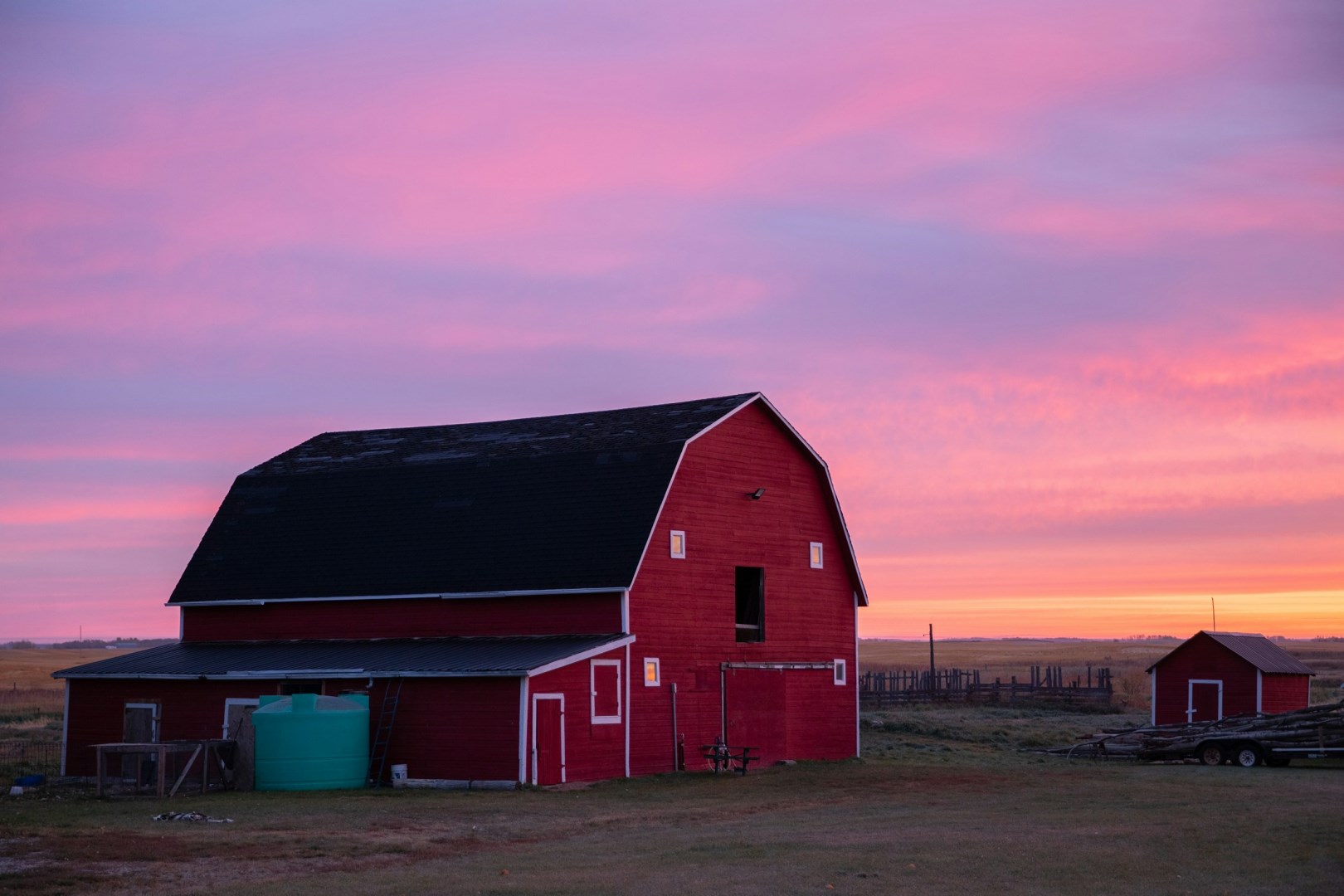
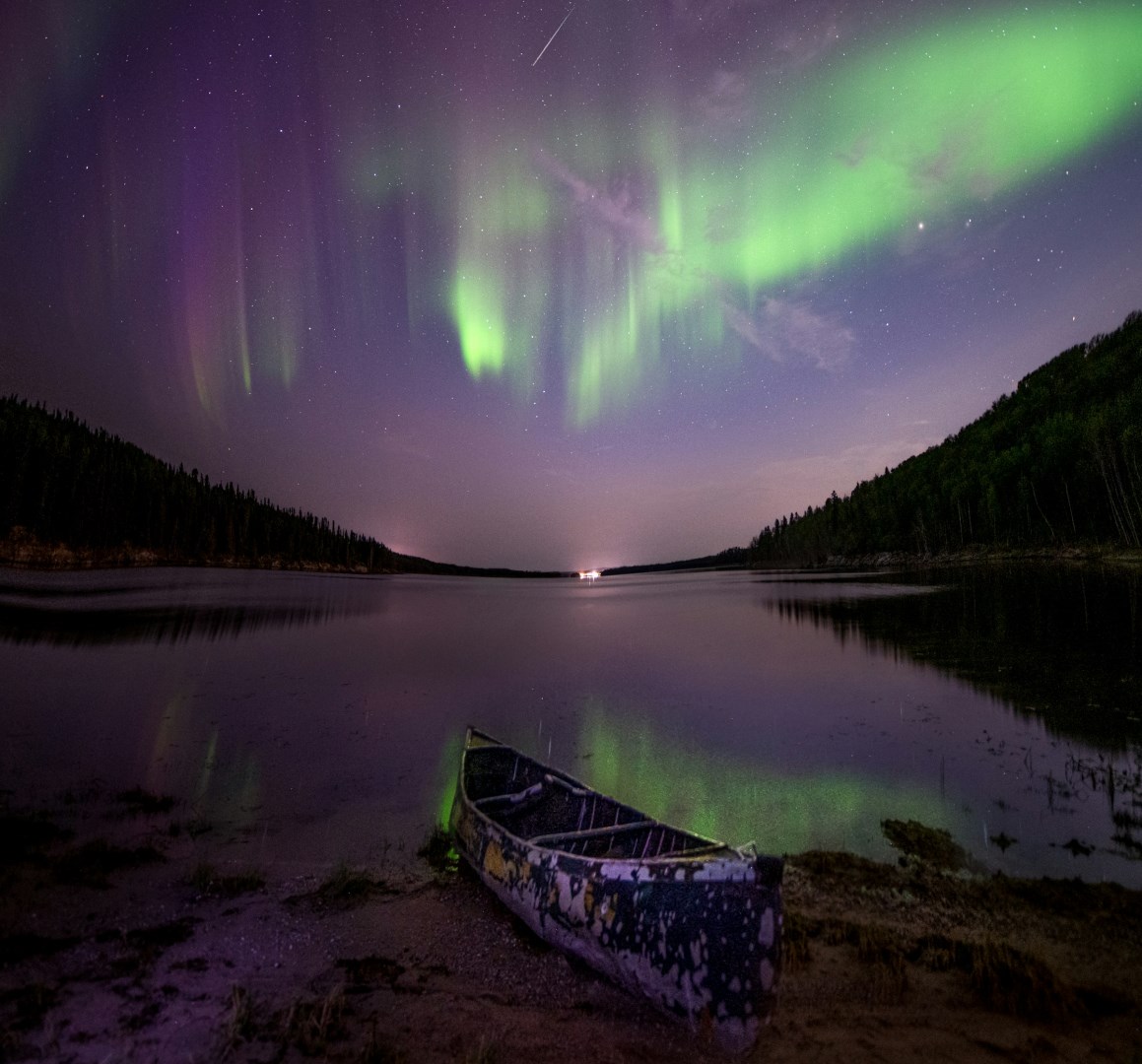
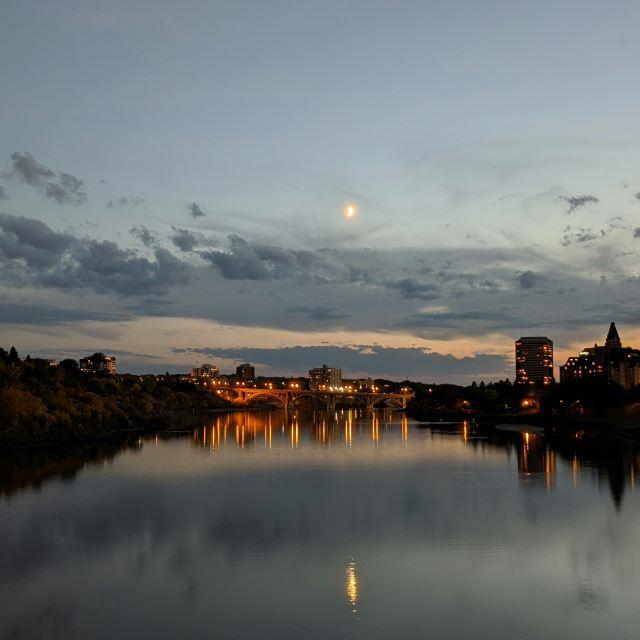
Regina is the provincial capital of Saskatchewan. Covering an area of 251,699 sq. miles, this Canadian heartland is ripe with sprawling farmlands and fertile soil producing almost one-third of North America's wheat supply. The Metis people populate a sparse area of the territory's northern wilderness of lakes, swamps and forest.