
Canada | Northwest Territories
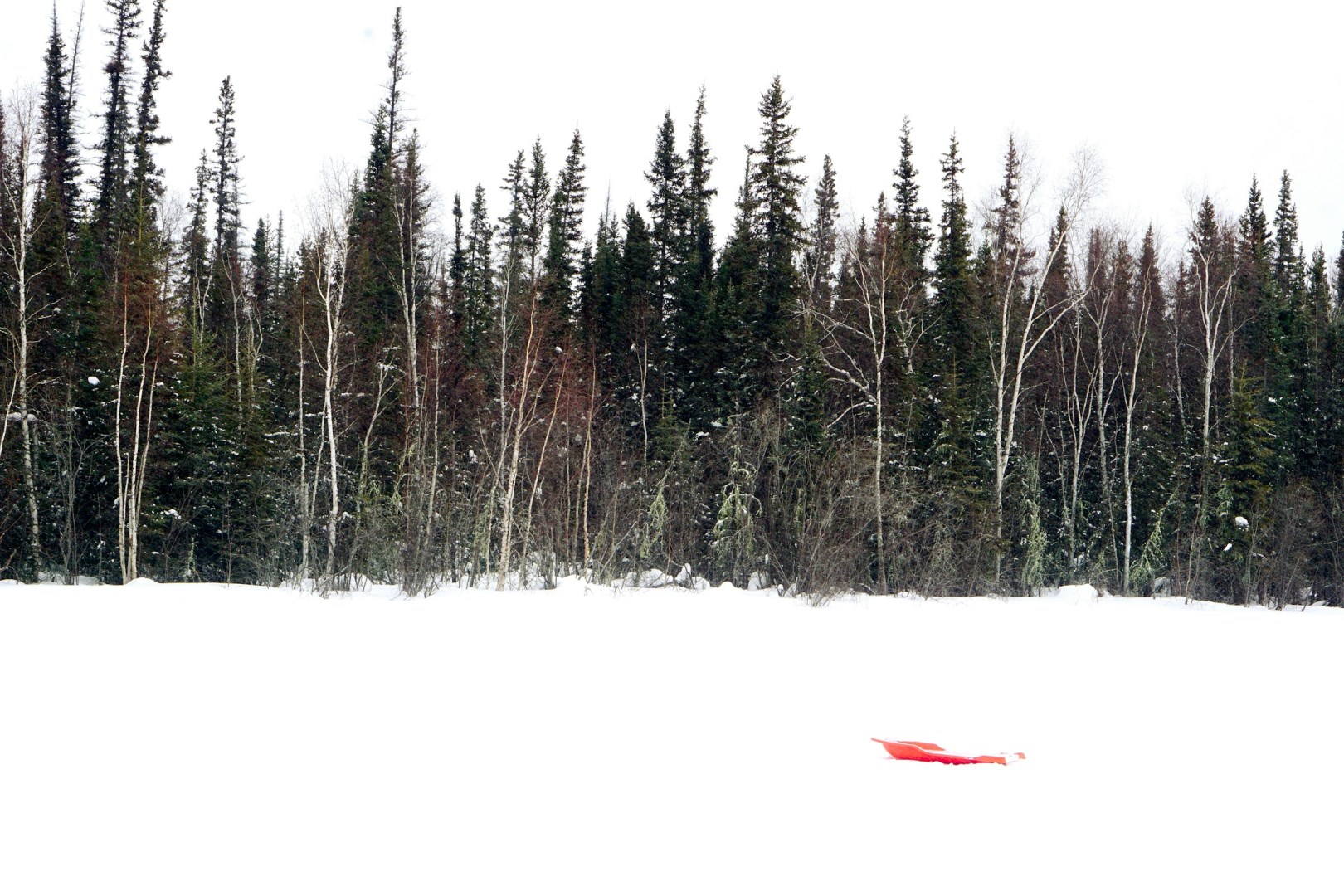
The Northwest Territories is a vast northern region of Canada defined by open tundra, boreal forests, major rivers, and some of the country’s largest lakes. Yellowknife, the territorial capital, sits on the northern shore of Great Slave Lake and serves as a central hub for travel, government, arts, and northern commerce. Farther north, communities such as Inuvik and Tuktoyaktuk provide access to the Arctic landscape and coastal regions. The territory is also known for long summer daylight and frequent displays of the aurora borealis, which can be observed across much of the region under suitable conditions.
The Northwest Territories is home to many Indigenous peoples, including Dene, Inuvialuit, and Métis communities, whose languages, stories, crafts, and knowledge remain closely connected to the land. Traditional activities such as hunting, fishing, trapping, sewing, carving, and gathering continue to form part of community life. Indigenous place names are increasingly recognized alongside or in place of colonial names, reflecting longstanding relationships with the land and water. At Saoyú-Ɂehdacho National Historic Site, oral traditions of the Sahtúgot’ine are central to understanding the area’s cultural landscape and traditional ways of life.
The territory contains several major protected areas with very different landscapes. Nahanni National Park Reserve protects the South Nahanni River, deep canyons, alpine plateaus, hot springs, caves, and Náįlįcho (Virginia Falls), which drops roughly twice the height of Niagara Falls. Wood Buffalo National Park extends across the southern Northwest Territories and protects boreal forests, wetlands, rivers, and one of the world’s largest free-roaming bison populations. In the east, Thaidene Nëné National Park Reserve encompasses parts of the East Arm of Great Slave Lake and surrounding lands of cultural importance to the Dënesųłiné.
Food and daily life in the Northwest Territories reflect northern resources and local traditions. Fresh-caught fish such as lake trout, whitefish, and Arctic grayling are common regional foods, while wild berries, game meats, and locally harvested ingredients also appear in community cooking. Yellowknife provides the territory’s broadest selection of restaurants, galleries, and cultural venues, while smaller communities offer a more direct connection to local traditions. One distinctive feature of the territory is the scale of its waterways: Great Slave Lake is among the deepest lakes in North America, and the Mackenzie River forms a major transportation corridor through the western Arctic.
Popular Destinations in Northwest Territories