





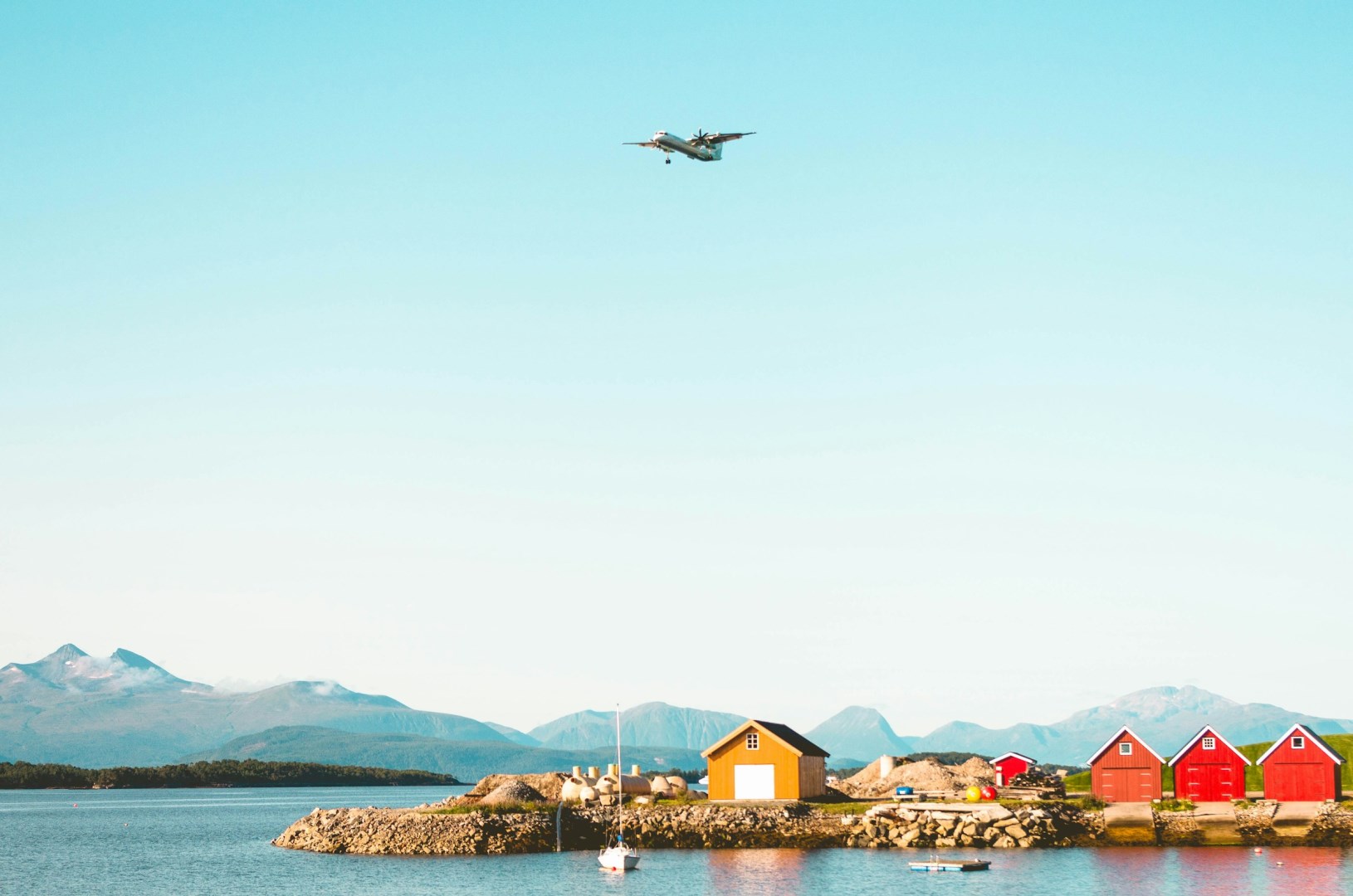

Nestled along the fjord-studded coastline of Norway, Molde is renowned for its breathtaking natural beauty and rich cultural heritage. Often called the "City of Roses" for its flourishing gardens and floral displays, Molde offers visitors a stunning panorama of 222 mountain peaks visible from its scenic viewpoints, including the renowned Varden Viewpoint. This spot provides an unparalleled vista of the surrounding fjords and peaks, making it a must-see for any nature enthusiast.
Molde is also a gateway to the Atlantic Road, one of Norway's most scenic drives, which connects the mainland to a series of islands and offers stunning views of the turbulent ocean and picturesque landscapes. This engineering marvel is celebrated for its dramatic coastal scenery and is ideal for both leisurely drives and adventurous road trips. For those interested in maritime history, the Romsdal Museum offers a glimpse into the region’s past with exhibits on traditional Norwegian life and culture.
In addition to its natural and historical attractions, Molde boasts a vibrant cultural scene. The Molde International Jazz Festival is one of Norway’s largest jazz festivals and attracts musicians and visitors from around the globe every summer. The city also hosts a variety of events and activities year-round, including local markets and festivals that celebrate its rich heritage and artistic community.
Fun Fact: Molde is famous for its annual Molde Panorama, a 5-kilometer panoramic hike that offers spectacular views of the city and surrounding landscapes, making it a popular route for both locals and visitors seeking to immerse themselves in the region's natural splendor.
Molde is also a gateway to the Atlantic Road, one of Norway's most scenic drives, which connects the mainland to a series of islands and offers stunning views of the turbulent ocean and picturesque landscapes. This engineering marvel is celebrated for its dramatic coastal scenery and is ideal for both leisurely drives and adventurous road trips. For those interested in maritime history, the Romsdal Museum offers a glimpse into the region’s past with exhibits on traditional Norwegian life and culture.
In addition to its natural and historical attractions, Molde boasts a vibrant cultural scene. The Molde International Jazz Festival is one of Norway’s largest jazz festivals and attracts musicians and visitors from around the globe every summer. The city also hosts a variety of events and activities year-round, including local markets and festivals that celebrate its rich heritage and artistic community.
Fun Fact: Molde is famous for its annual Molde Panorama, a 5-kilometer panoramic hike that offers spectacular views of the city and surrounding landscapes, making it a popular route for both locals and visitors seeking to immerse themselves in the region's natural splendor.
Other Popular Destinations in Norway

Charming Bergen will sweep you away with its picturesque architecture and breathtaking natural beauty. Nestled between stunningly verdant mountains and the winding fjords of the North Sea, this scenic town will delight you at every turn.

Oslo, Norway’s capital, stands at the crossroads of Nordic history and forward-thinking design. Originally founded over a thousand years ago by Viking King Harald Hardrada, the city has evolved from a medieval trading hub into one of Europe’s most modern capitals. Visitors can explore its layered past at the Akershus Fortress, a 13th-century stronghold still standing guard over Oslofjord, or walk through the preserved wooden homes of Damstredet.
