
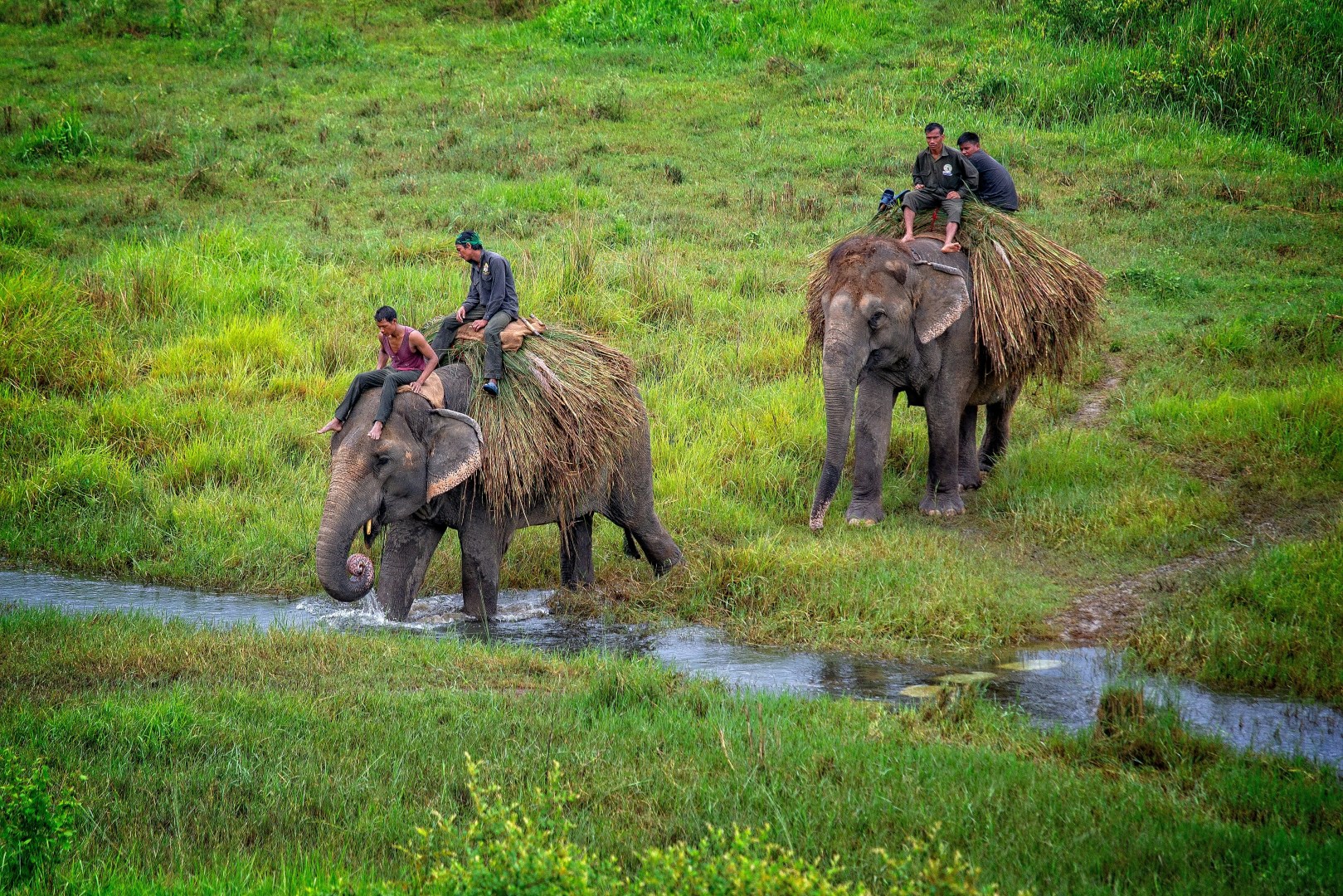
Chitwan National Park is one of Nepal’s most important protected natural areas. Located in the subtropical lowlands of southern Nepal, the park is known for dense sal forests, grasslands, rivers, and a large concentration of wildlife.
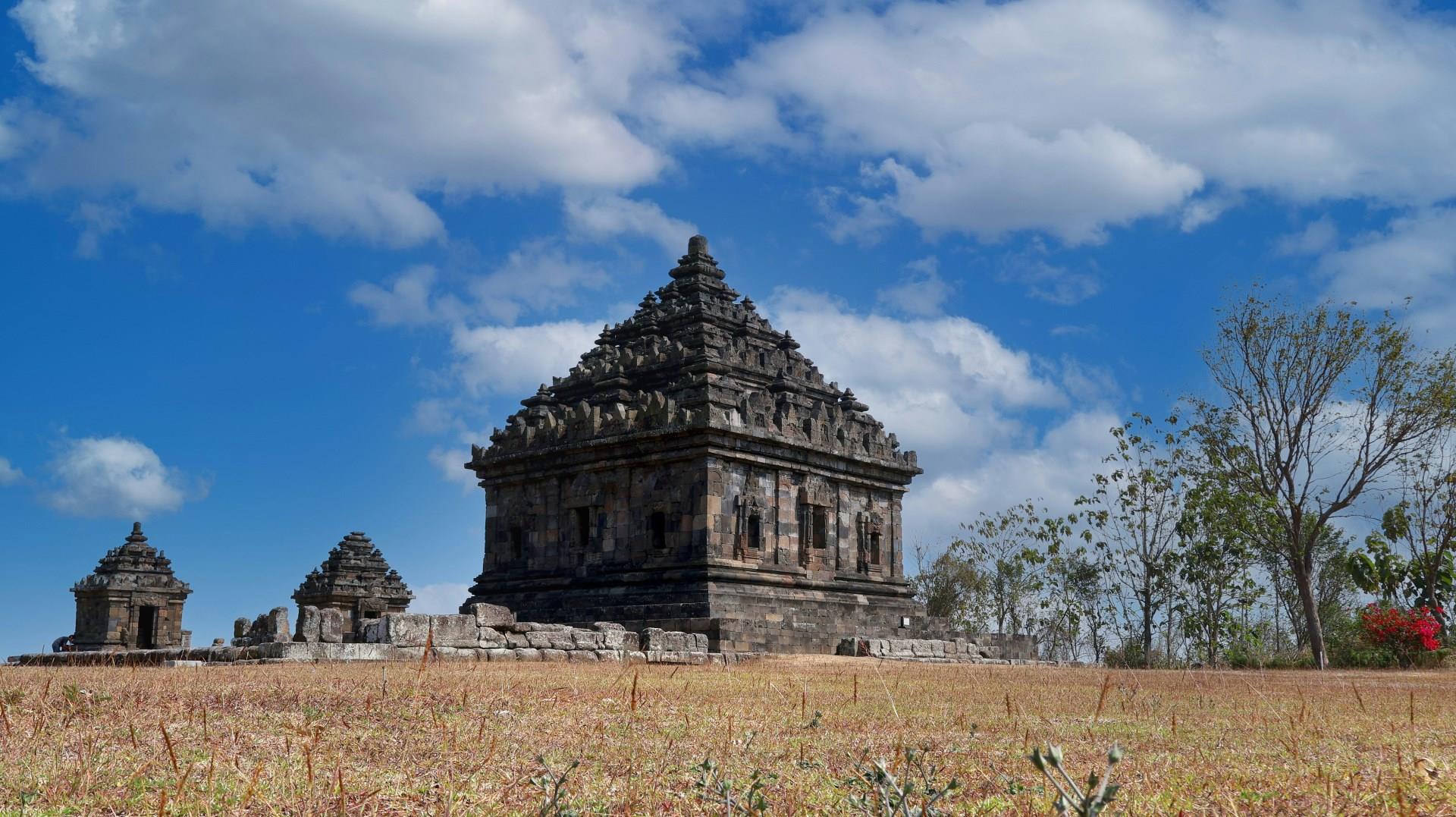
Yogyakarta, on the island of Java, is often described as Indonesia’s cultural capital, a reputation grounded in living tradition rather than nostalgia. It remains the seat of a functioning sultanate, and the royal palace, or kraton, anchors the city’s identity through ceremonies, crafts, and court arts that continue to shape everyday life. The city also played a key role in Indonesia’s struggle for independence, giving it a strong sense of civic pride and historical awareness.
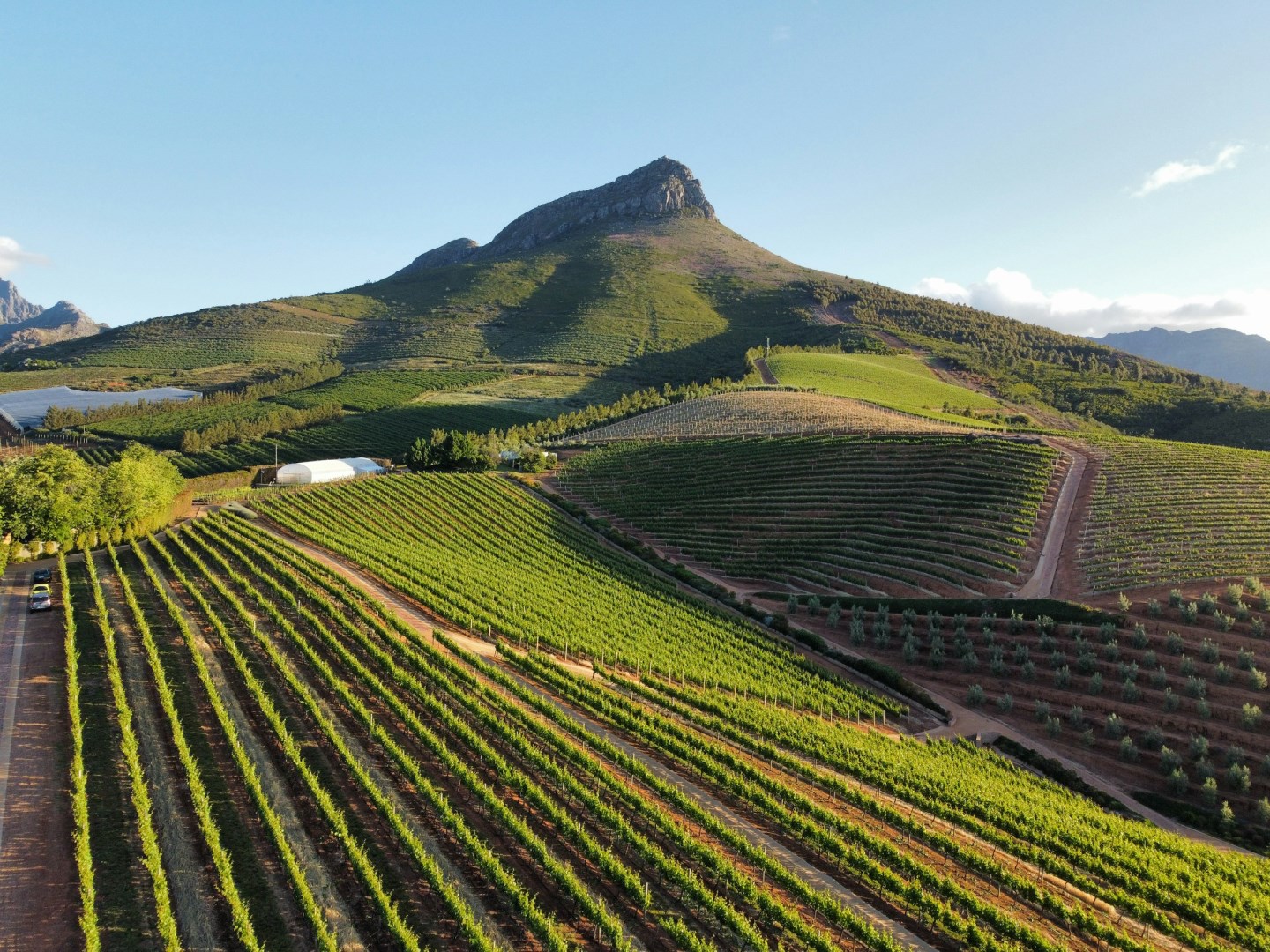
Stellenbosch, a charming town in South Africa’s Western Cape, is a haven for wine lovers and history enthusiasts alike. Established in 1679, Stellenbosch boasts well-preserved Cape Dutch architecture and a vibrant cultural scene. Its tree-lined streets are dotted with historical buildings, boutique shops, and artisanal cafes. A visit to the Stellenbosch Village Museum offers a glimpse into the town’s rich heritage, showcasing restored buildings from the 18th and 19th centuries.
Ranthambore, a gem of Rajasthan, India, is where wildlife and history intertwine seamlessly to create an unforgettable travel experience. Famous for the Ranthambore National Park, this destination is a haven for those seeking a close encounter with nature’s most magnificent creatures. The park, once the hunting grounds of the Maharajas of Jaipur, now stands as a vital sanctuary for Bengal tigers, leopards, sloth bears, and over 300 species of birds.
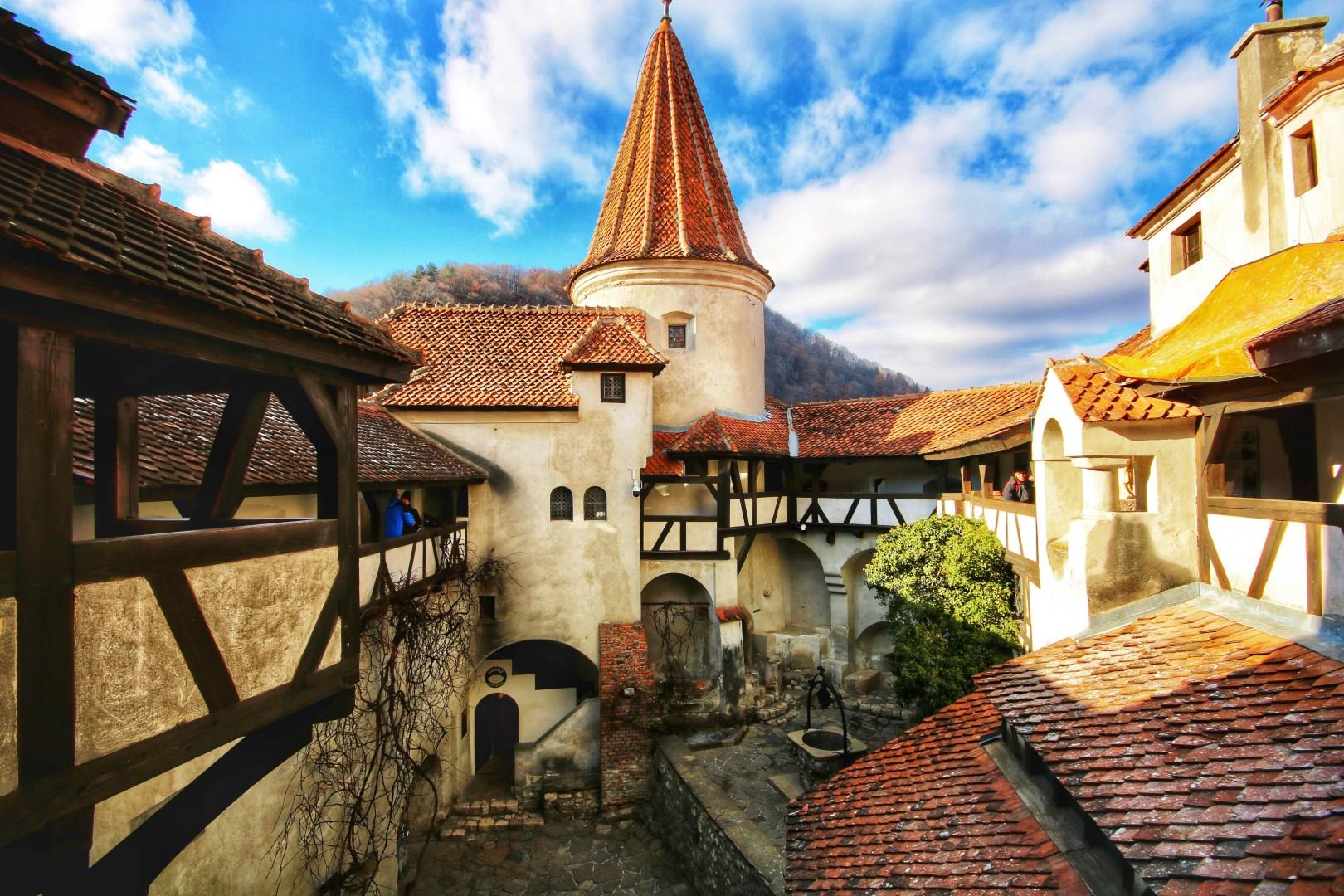
Bran, a small village nestled in the Carpathian Mountains of central Romania, is best known for its medieval fortress commonly referred to as “Dracula’s Castle.” While the connection to Bram Stoker’s fictional character is loose at best, Bran Castle continues to draw travelers with its striking towers, stone walls, and position on a rocky cliff. Originally built in the 14th century to defend against invading forces, the castle has passed through royal hands, most notably Queen Marie of Romania.
