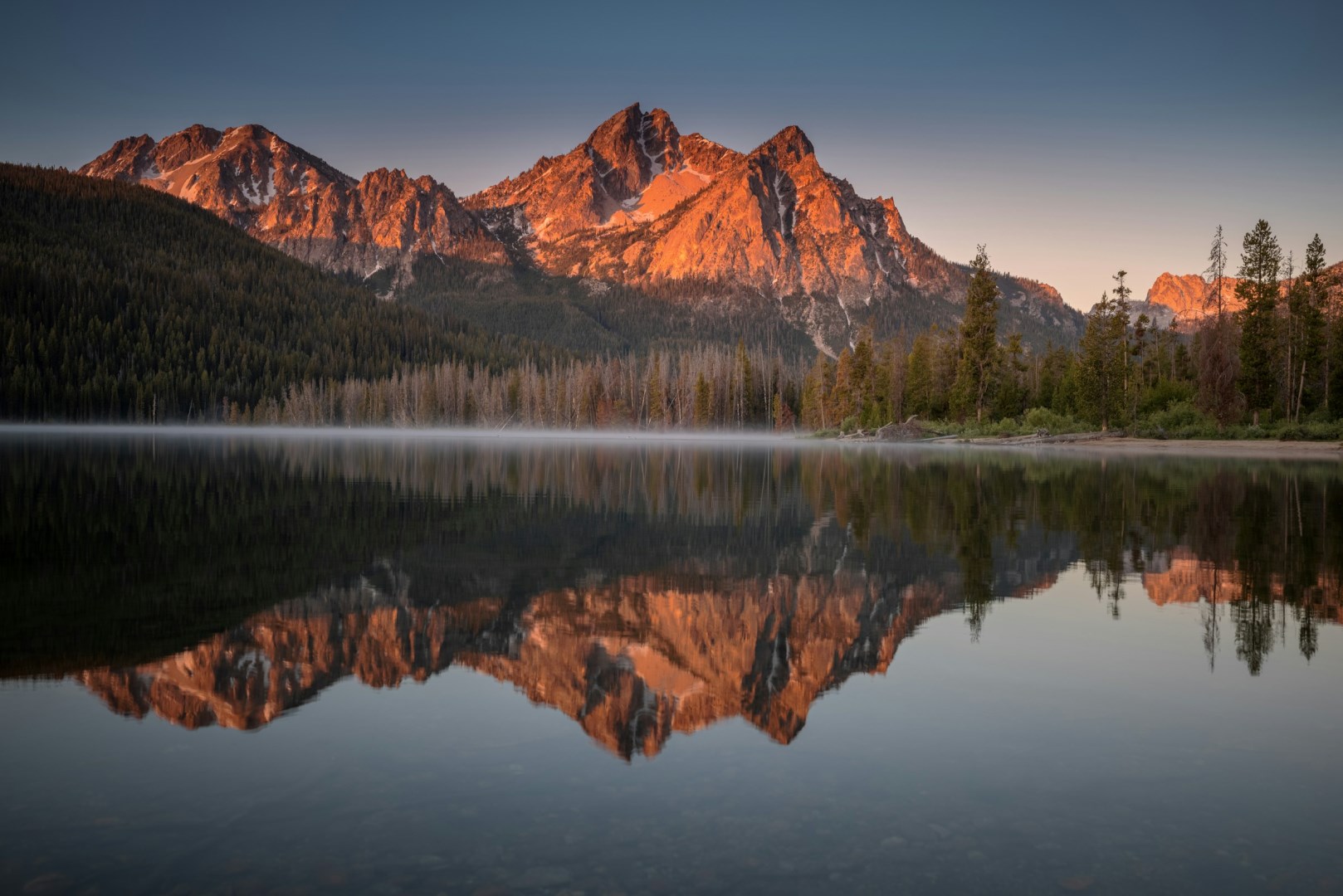

Killington, Vermont is best known for its ski resort, the largest in the eastern United States, but the town offers more than just winter slopes. Nicknamed “The Beast of the East,” Killington Resort spans six mountain peaks and includes over 1,500 acres of terrain. It was one of the first ski areas in the country to adopt snowmaking technology in the 1960s, and it continues to operate one of the longest ski seasons in North America, sometimes stretching from October into May.
Although its great days are past, its palaces and castles deserted, gondar is one of Ethiopia's most fascinating cities and one of the world's most mysterious. The city stands at the foot of the Simien mountains and is set in a landscape of incomparable beauty. Gondar is the former 17th century capital of Ethiopia, although some say it was Saudi Arabia.
Pamplona, the capital of Spain’s Navarre region, is best known worldwide for the Running of the Bulls during the San Fermín festival each July. But beyond the brief rush of that event lies a city steeped in medieval history, Basque influence, and a slower pace that surprises many visitors. One of the most significant aspects of Pamplona is its place on the Camino de Santiago, the ancient pilgrimage route to Santiago de Compostela.
Tulum, a jewel of the Riviera Maya, is a blend of ancient history, vibrant culture, and pristine natural beauty. Perched on a cliff overlooking the turquoise Caribbean Sea, the Tulum Ruins stand as one of the last cities built and inhabited by the Maya civilization. The well-preserved El Castillo, Temple of the Frescoes, and Temple of the Descending God offer insight into the architectural prowess and spiritual life of the ancient Maya.
Tarpon Springs has beautiful residential areas that are a mixture of new subdivisions and old mansions that are clustered around saltwater bayous and other waterways. There is plenty to see and do from deep sea fishing, championship golf to antiquing and enjoying spectacular sunsets on the Gulf of Mexico.
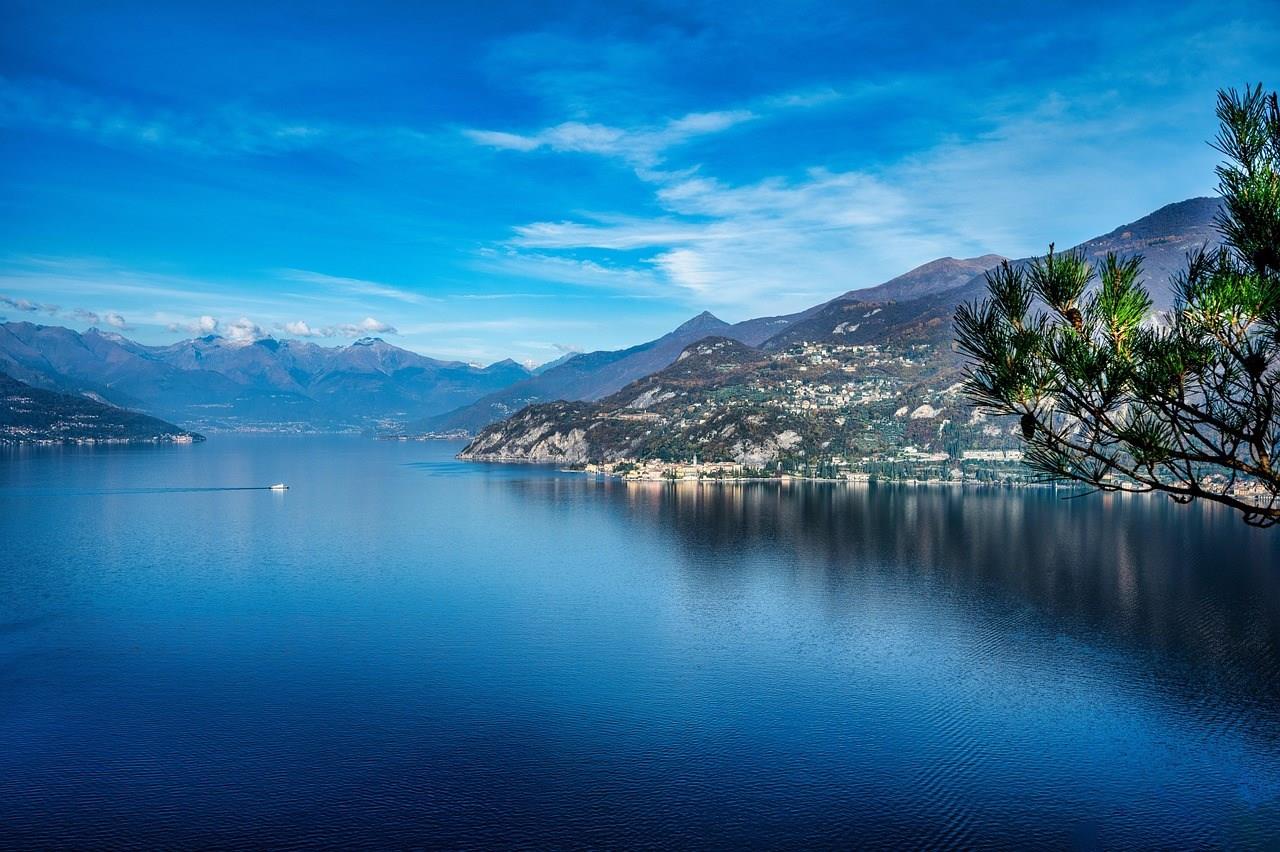
A visit to Como is like looking through a manual on the history of architecture. Its ancient walls, the Duomo with its rich Gothic-Renaissance façade, the Broletto, the Castel Baradello, the Romanesque basilicas of Sant'Abbondio and S. Fedele, the myriad of monuments created by the Comacini Masters, and the modern architectural lines, all represent foundations of the urban and tourist fabric, interwoven with unforgettable splendor. View the neo-classic past of Villa Olmo and the Tempio Voltiano, or to head out in the lake aboard the Concordia, the historic paddle steamer furrowing the waters overlooked by the aristocratic villas including Villa d'Este, now transformed into a luxury hotel, and Villa Erba, now seat of an important exhibition and congress center, are once-in-a-lifetime experiences. Then there are the museums and the silks, universally renowned for their delicacy and originality: the result of a creativity that is part of a century-old tradition of the people living by this lake, known all over the world by businessmen and those who seek peace in the limpid air transported by the winds of the Tivano and the Breva.