
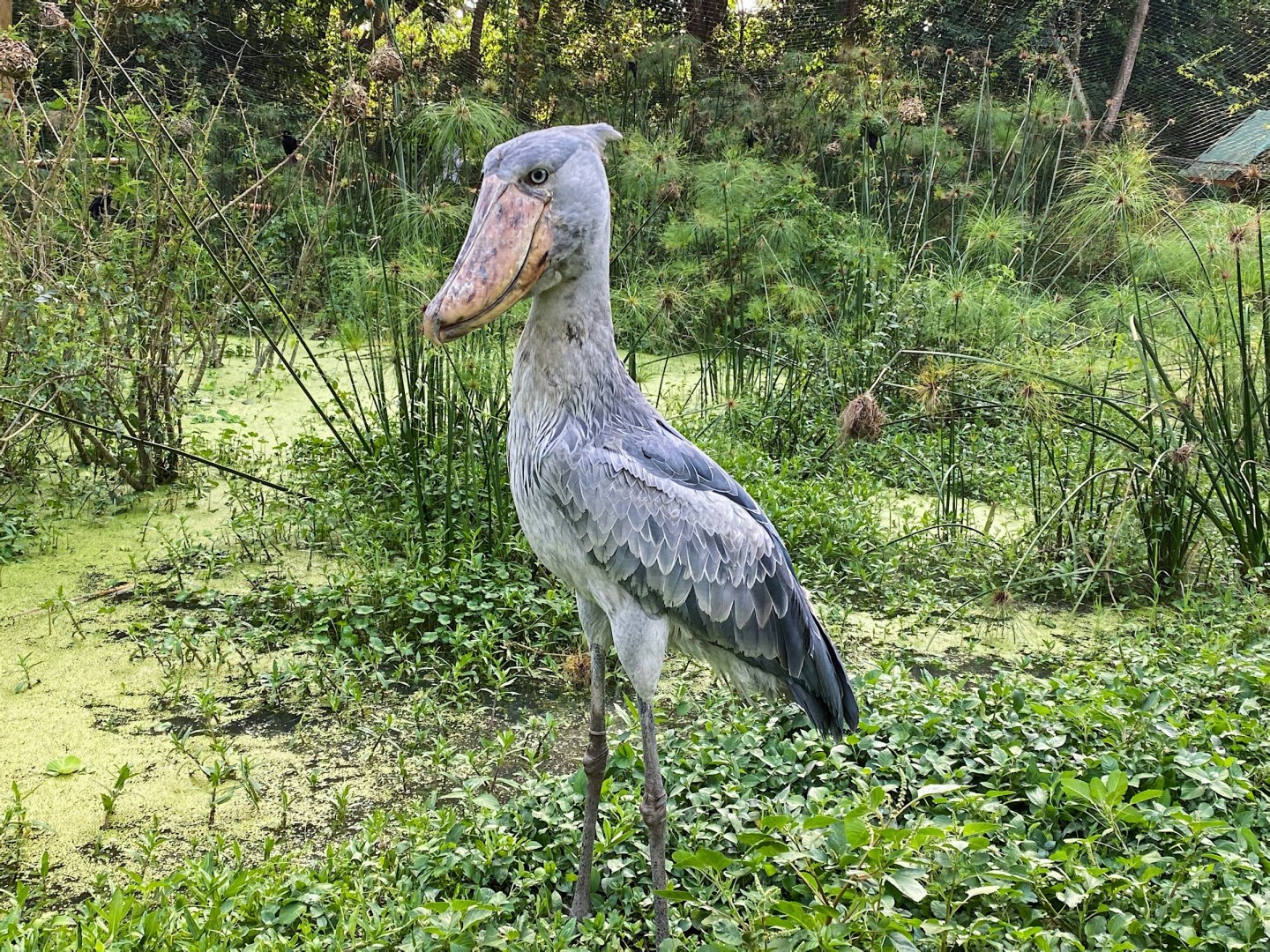

Etosha National Park, located in northern Namibia, is one of Africa’s most renowned wildlife destinations. Covering nearly 8,500 square miles, it is centered around the Etosha Pan, a massive salt flat that can be seen from space. During the dry season, animals gather around waterholes, creating spectacular wildlife viewing opportunities that attract visitors from around the world.
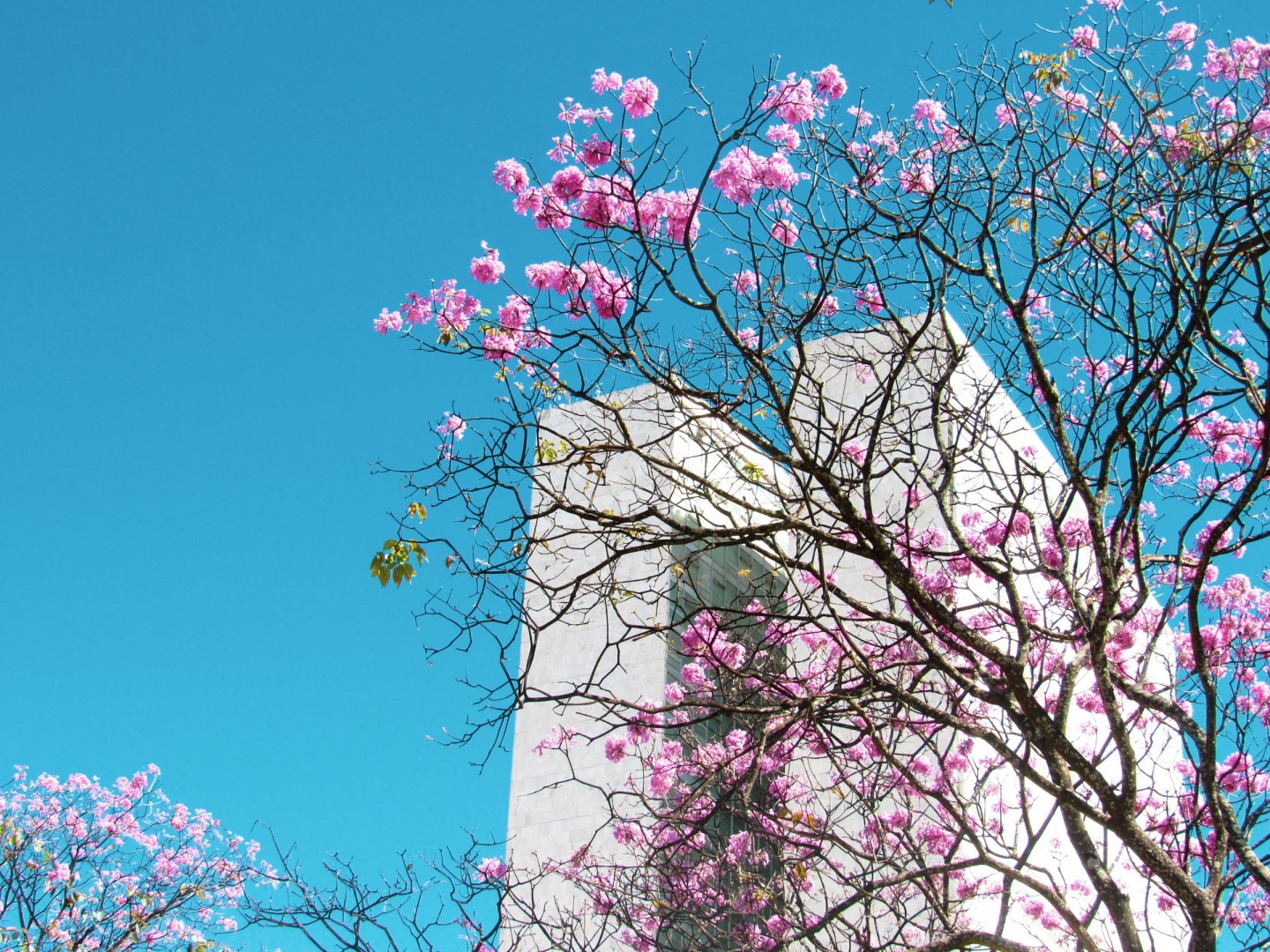
Brasília may be a World Heritage Site, but it is only of interest to town planning and architecture students, and those keen to witness the folly of man on a metropolitan scale. It must have looked good on paper, and still looks good in photos, but in the flesh, forget it. Designed by architect Oscar Niemeyer, urban planner Lucio Costa, and landscape architect Burle Marx, the city was built in an incredible three years between 1957 and 1960.
Entebbe is a lakeside city in central Uganda, set on a peninsula extending into Lake Victoria and surrounded by green vegetation and gardens. It is known as the location of Uganda’s main international airport and serves as an important arrival point for travelers exploring the country. The city has a quieter setting than nearby Kampala, with tree-lined roads, residential neighborhoods, wetlands, and views across Lake Victoria.
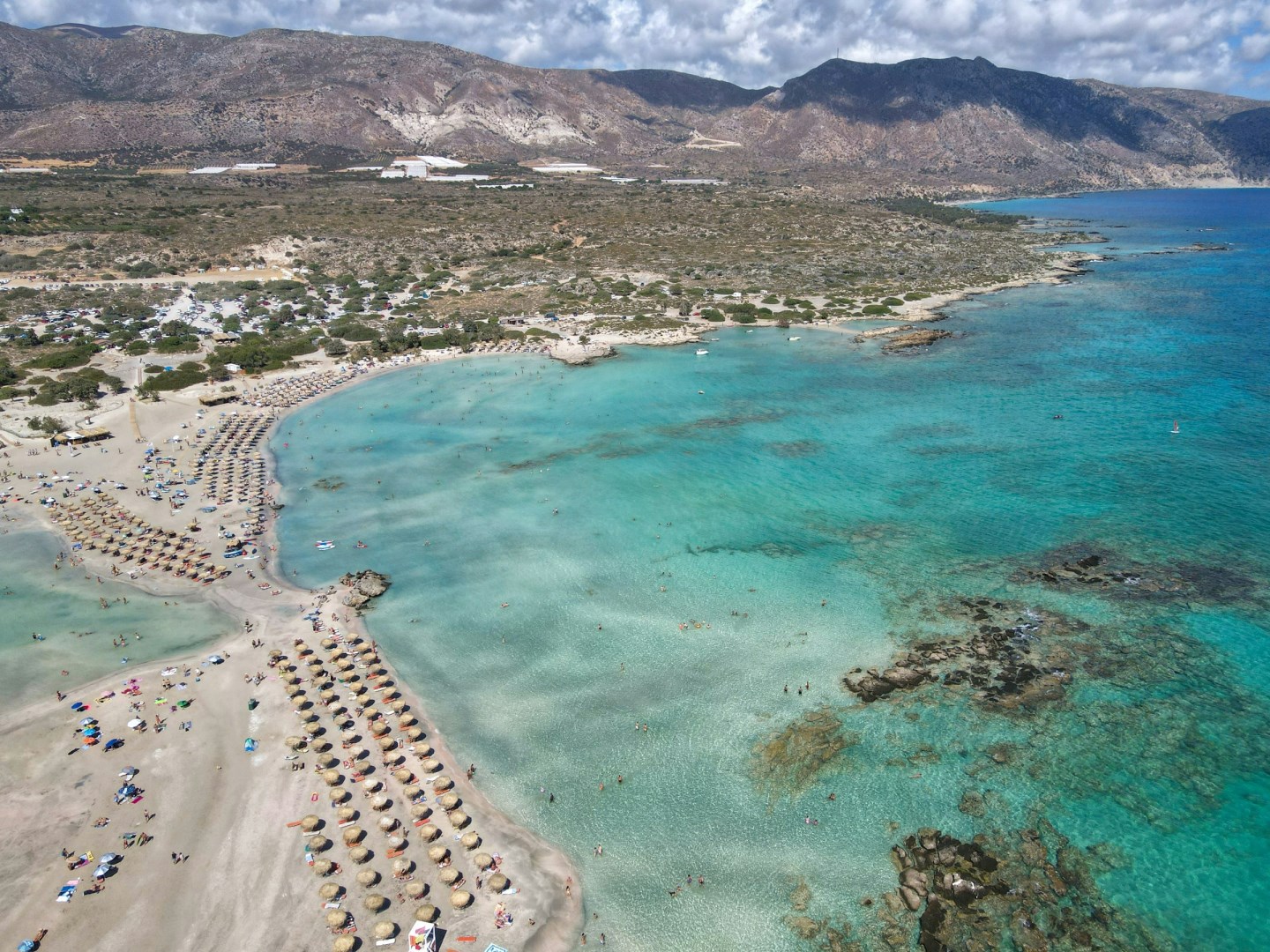
Elafonisi is a coastal area in southwestern Crete, known for a shallow lagoon, pale sand mixed with pink shell fragments, and a narrow sandy crossing to a small offshore island. The beach lies within a protected Natura 2000 landscape that supports sea lilies, rare plants, seabirds, and other wildlife.
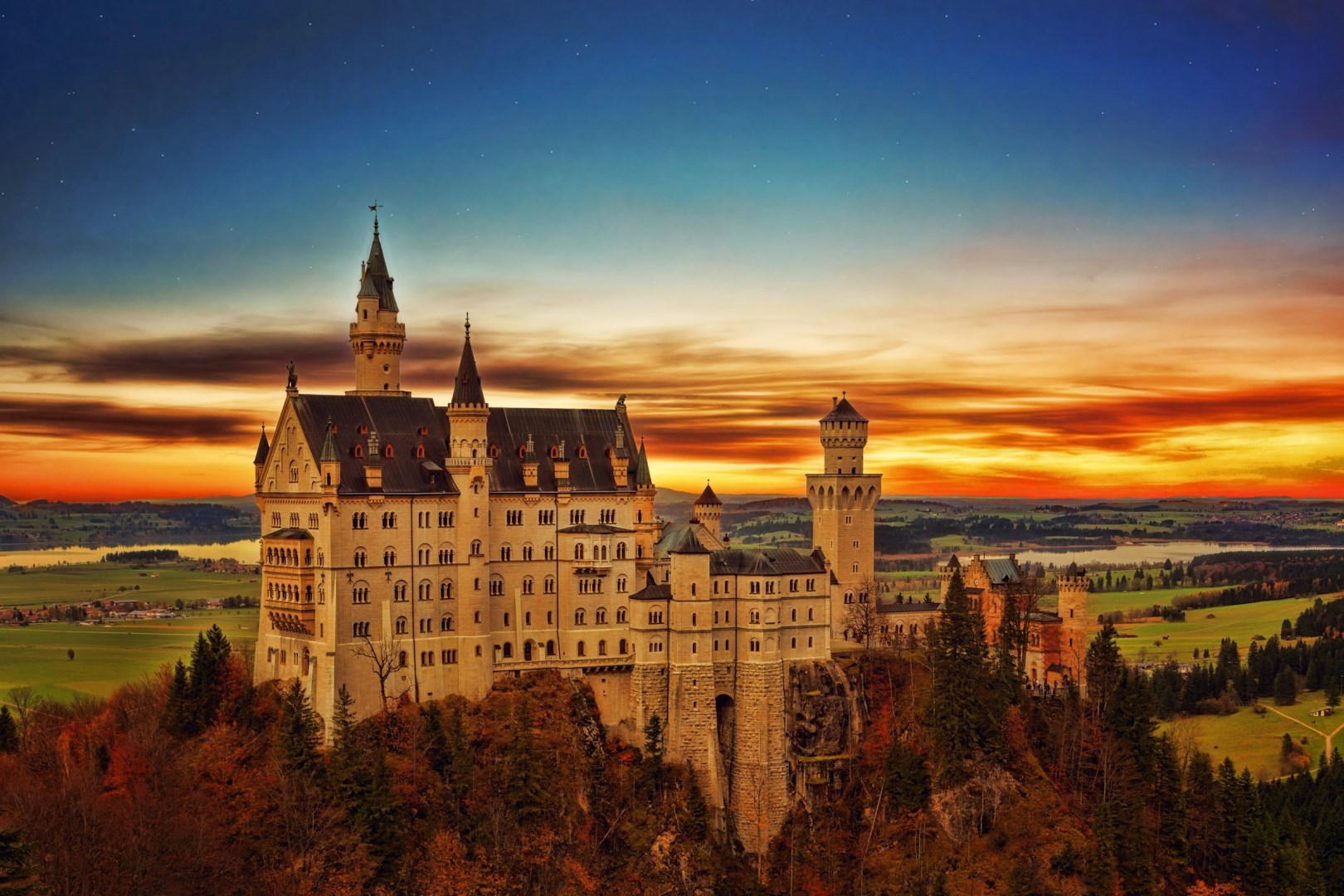
Perched high on a rugged hill, Neuschwanstein offers breathtaking views of the surrounding landscape, including the shimmering Alpsee and the dense forests that cloak the region. A visit to Schwangau isn't complete without exploring this iconic landmark, where the opulence of King Ludwig II's vision comes to life in every ornate detail.
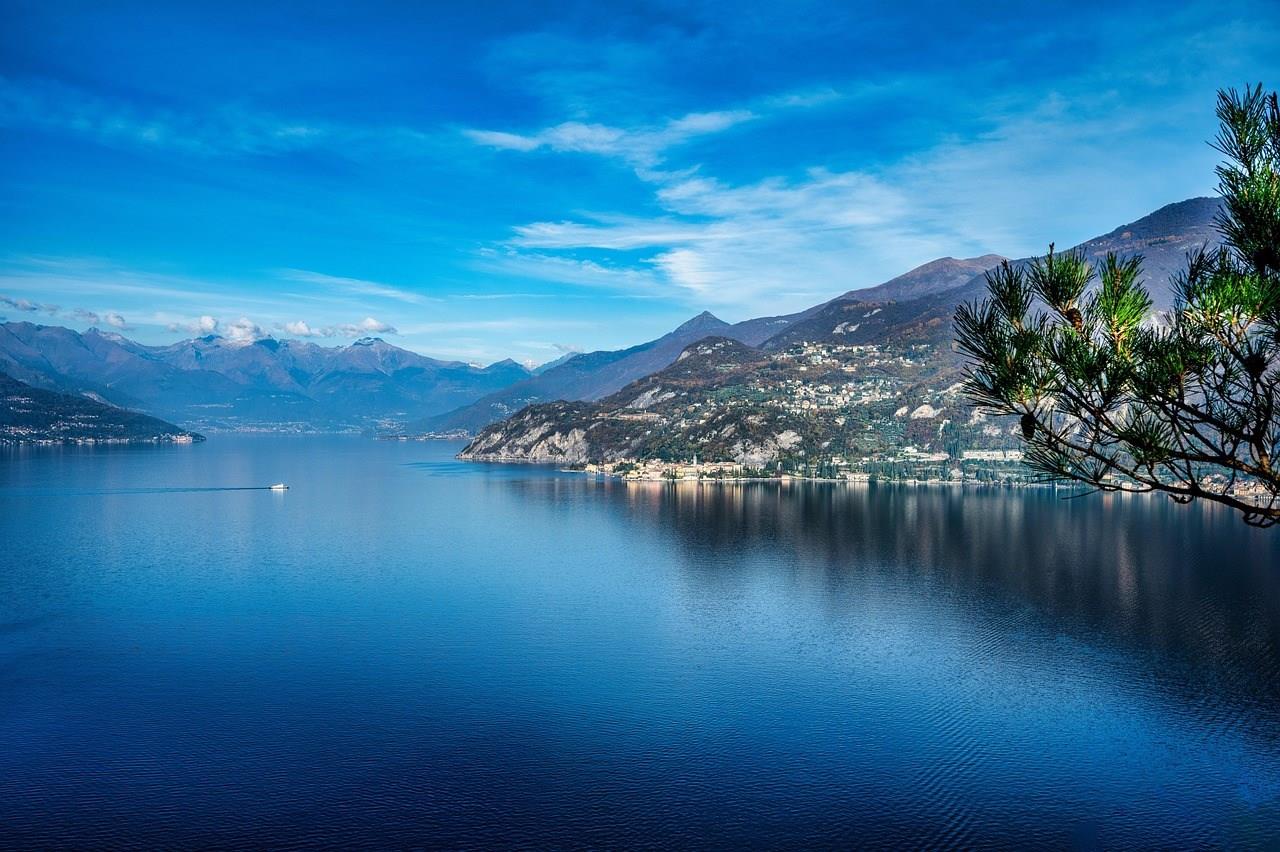
A visit to Como is like looking through a manual on the history of architecture. Its ancient walls, the Duomo with its rich Gothic-Renaissance façade, the Broletto, the Castel Baradello, the Romanesque basilicas of Sant'Abbondio and S. Fedele, the myriad of monuments created by the Comacini Masters, and the modern architectural lines, all represent foundations of the urban and tourist fabric, interwoven with unforgettable splendor. View the neo-classic past of Villa Olmo and the Tempio Voltiano, or to head out in the lake aboard the Concordia, the historic paddle steamer furrowing the waters overlooked by the aristocratic villas including Villa d'Este, now transformed into a luxury hotel, and Villa Erba, now seat of an important exhibition and congress center, are once-in-a-lifetime experiences. Then there are the museums and the silks, universally renowned for their delicacy and originality: the result of a creativity that is part of a century-old tradition of the people living by this lake, known all over the world by businessmen and those who seek peace in the limpid air transported by the winds of the Tivano and the Breva.
Other Popular Destinations in Italy
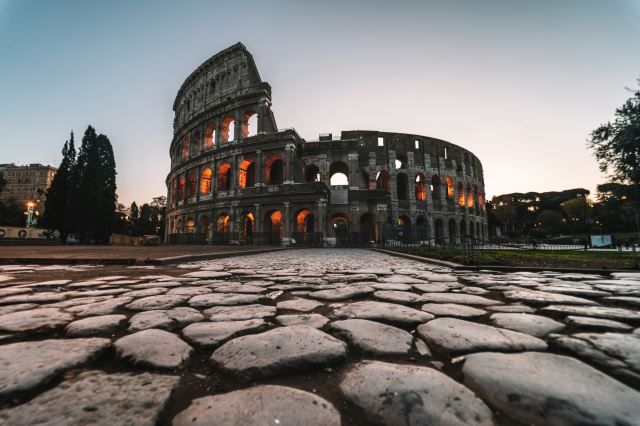
Rome
Often called the Eternal City, Rome stands alone as Italy's most visited destination. The third most populated city in the European Union, Rome boasts ancient sites, yet has a modern flair — an exhilarating mix of the Old World and the new.
Venice
Welcome to Venice, with its network of canals, rich history and composition of over 100 small islands in the Adriatic Sea. Fine art, stunning architecture, white limestone bridges, moving about via watercraft... Venice is a singular experience and an astonishing masterpiece of civilization.