



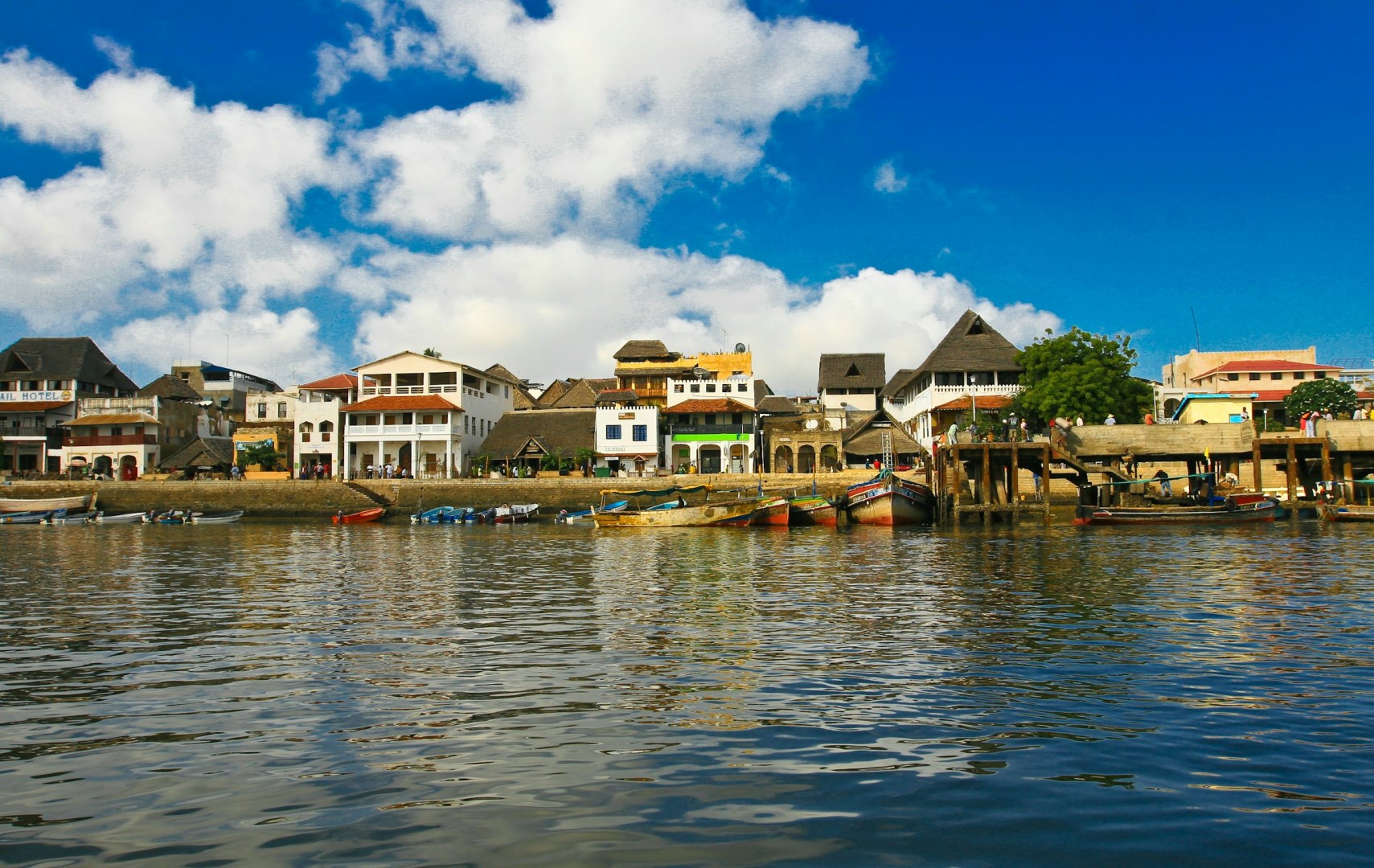
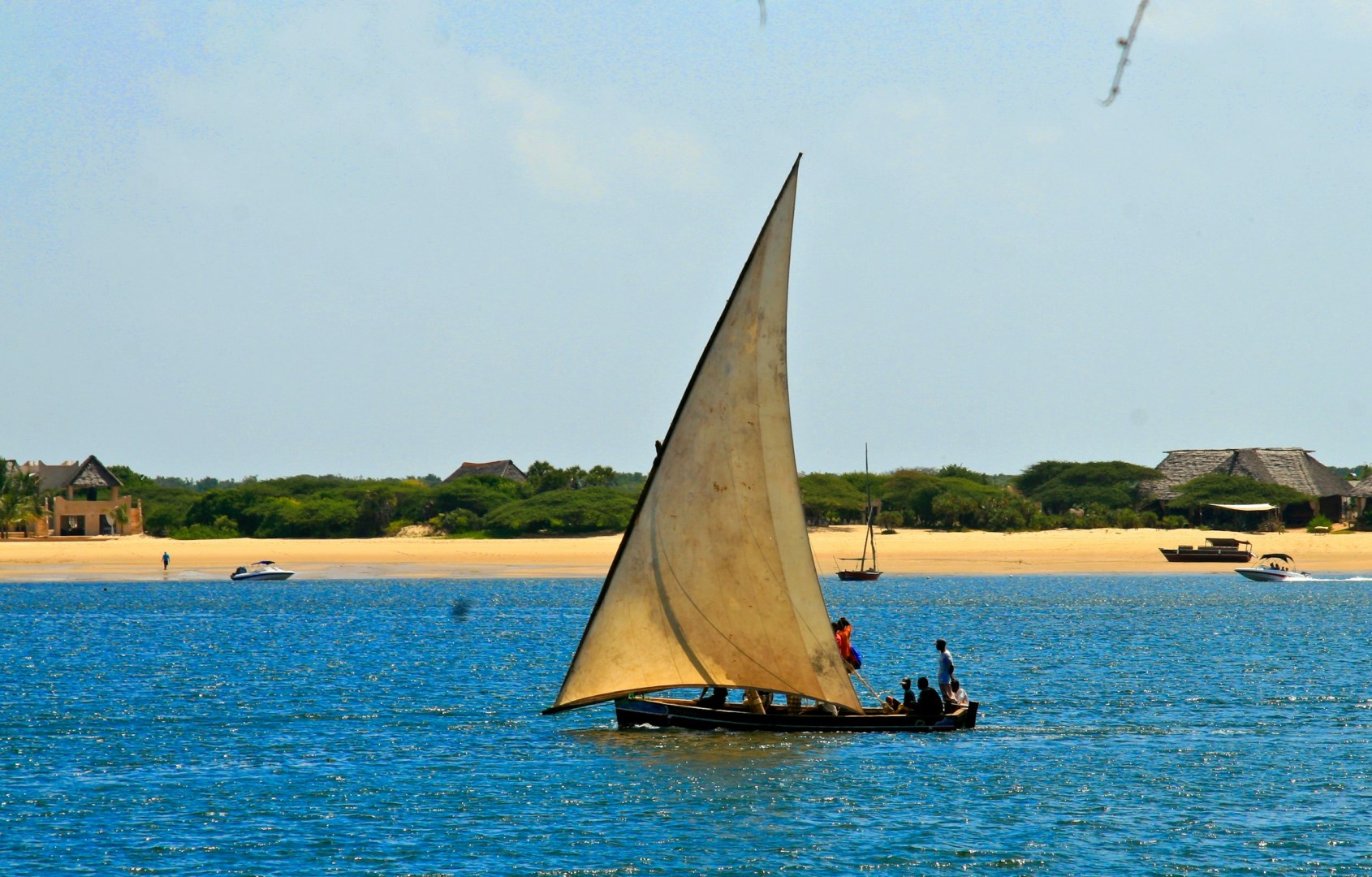
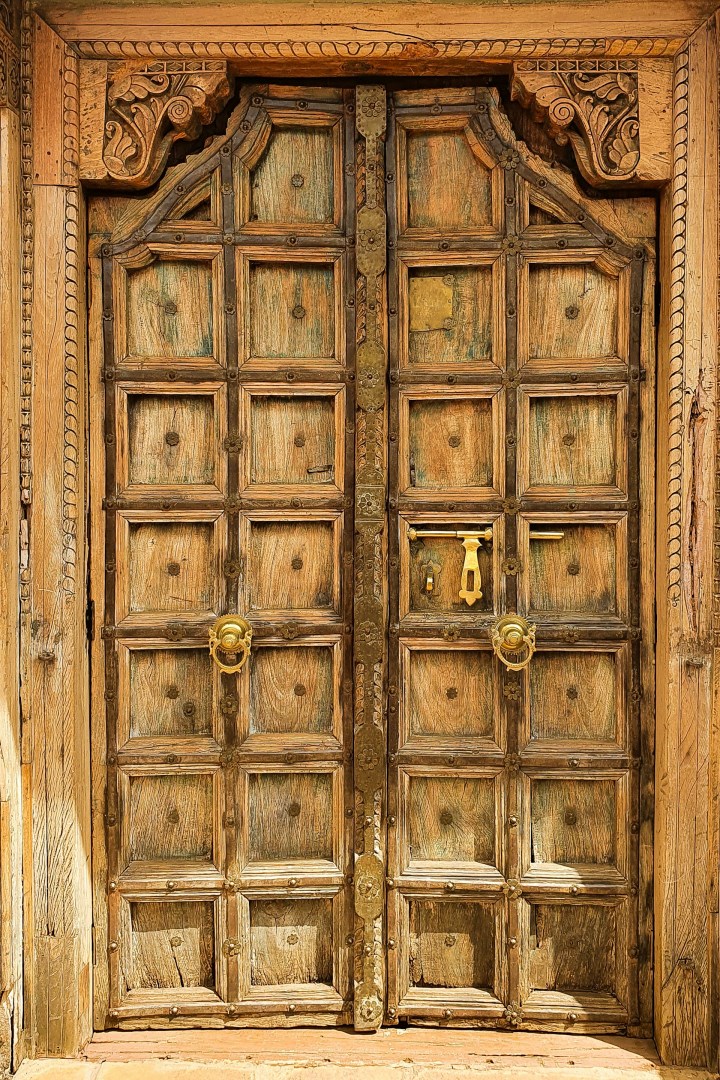
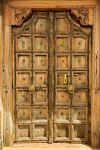
Lamu is a place of fantasy and other-worldliness wrapped in a cloak of medieval romance. With an almost exclusively Muslim population, Kenya's oldest living town has changed little in appearance or character over the centuries. Remote and self-contained, this once thriving port town is now a gloriously relaxed and relaxing destination. No other Swahili town, other than Zanzibar, can offer you such a cultural feast and uncorrupted traditional style of architecture - if you can ignore the TV aerials. A couple of hours spent in the waterfront Lamu Museum is an excellent introduction to the town's culture and history. And if the museum stokes your interest in Swahili culture then you should also check out the beautifully restored building nearby housing the Swahili House Museum. One of Lamu's quirkier attractions is the Donkey Sanctuary - no doubt a haven for all those donkeys seeking political asylum. Taking a trip by dhow is almost obligatory.
Other Popular Destinations in Kenya

Nairobi, the capital of Kenya, is a vibrant city where modern energy meets untamed nature. Known as the “Green City in the Sun,” it blends bustling urban life with remarkable wildlife experiences.

Masai Mara is a renowned wildlife region in southwestern Kenya, known for its broad grasslands, seasonal rivers, and high concentration of large mammals. The reserve forms part of the greater Mara-Serengeti ecosystem, allowing wildlife to move across a much larger landscape beyond the protected area itself. Lions, cheetahs, leopards, elephants, buffaloes, giraffes, and numerous antelope species are commonly associated with the region.
