

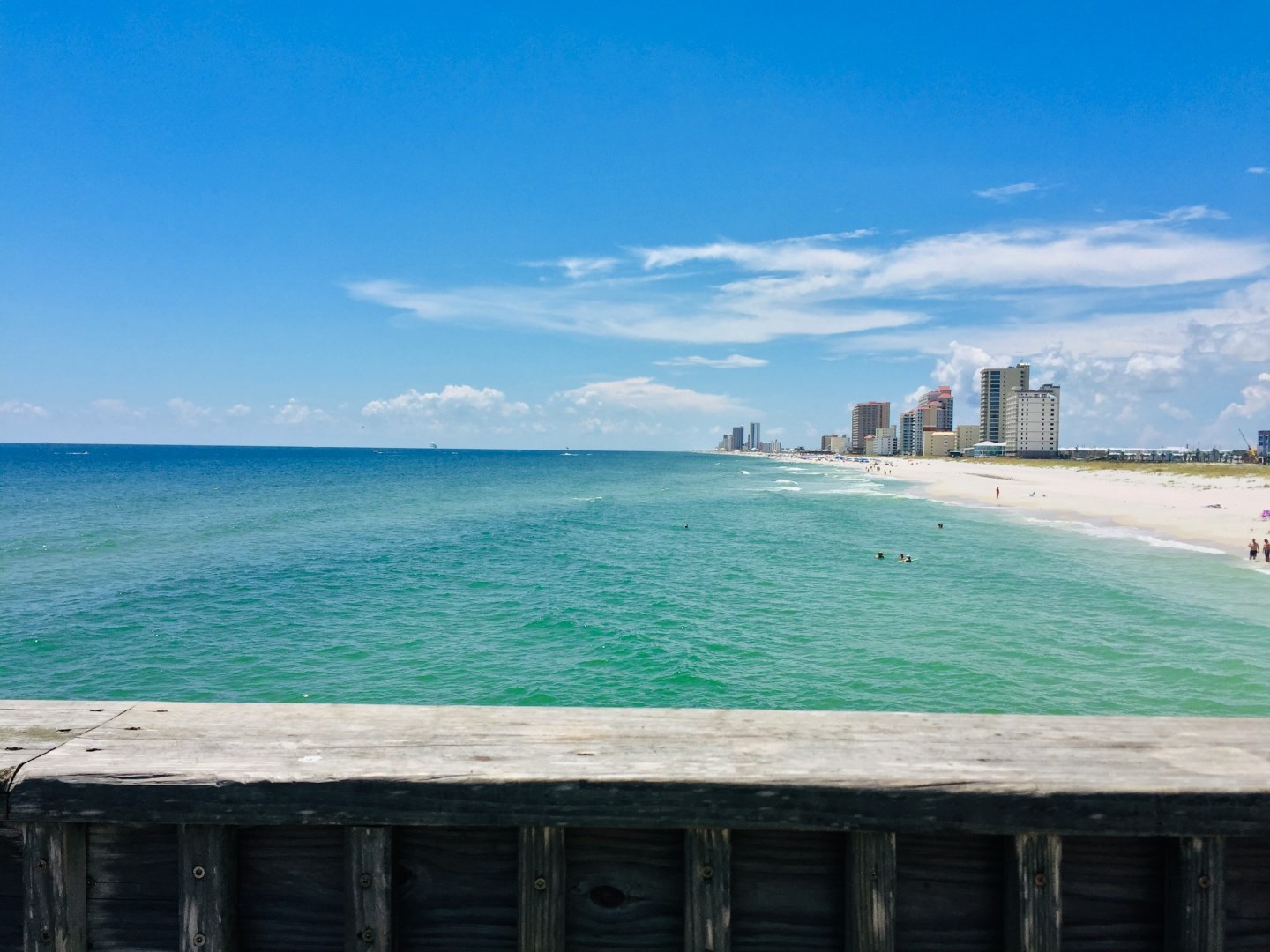
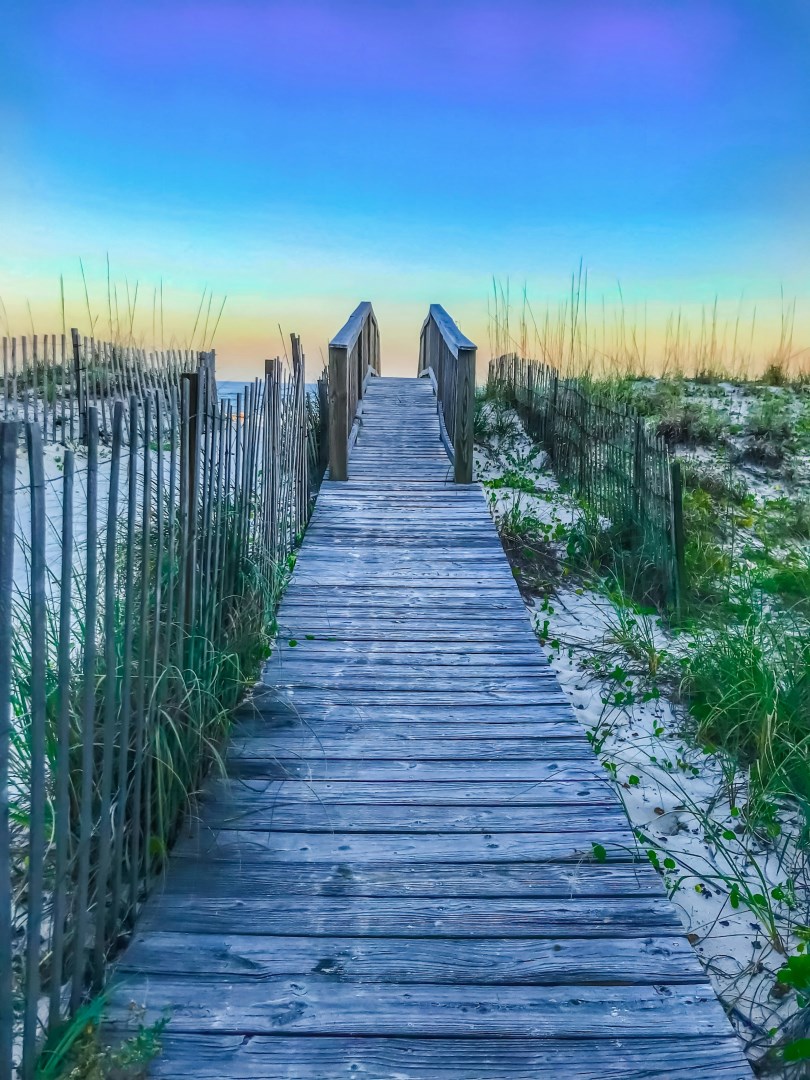

Gulf Shores is a coastal city in southern Alabama, positioned along the Gulf of Mexico and the Intracoastal Waterway. It is known for its broad white-sand beaches, coastal dunes, maritime forests, and access to bays and inland waterways. The city serves as a gateway to Alabama's Gulf Coast, with development concentrated around the beachfront and nearby commercial areas while protected landscapes remain along parts of the shore. Gulf Shores also has a strong connection to boating and fishing, with marinas, charter operations, and public waterfront areas supporting activities that are closely tied to the region's coastal setting.
The Gulf Shores area has long been connected to Native American communities, including peoples of the Creek Confederacy, before European settlement and later development along the Alabama coast. Local identity has been shaped by fishing, seafood harvesting, boating, and the use of the Gulf and surrounding waterways. The nearby historic Fort Morgan represents the area's military and maritime history and stands at the mouth of Mobile Bay. Gulf Shores also hosts the Coastal Alabama Farmers and Fishermens Market, where local growers, makers, and food producers contribute to the area's community traditions and connection to regional agriculture.
Gulf State Park is one of the city's major attractions, covering more than 6,000 acres of beaches, freshwater lakes, wetlands, pine forests, and coastal habitat. Its trails provide access to varied landscapes, while the Gulf-facing shoreline offers swimming and beach recreation. Nearby, Bon Secour National Wildlife Refuge protects dunes, maritime forests, wetlands, and other habitats along the coast, providing important refuge for migratory birds and native wildlife. Fort Morgan, located across Mobile Bay from Dauphin Island, is another significant destination. The fort's position overlooking the bay illustrates the strategic importance of the waterway to the region.
Seafood is central to Gulf Shores cuisine, with shrimp, oysters, crab, and locally caught fish appearing on menus throughout the coastal community. Gulf Coast staples such as fried shrimp, gumbo, oysters, and po'boys are widely associated with the area's food culture. The surrounding waters also support a major recreational fishing industry, and charter boats operate from local marinas. One distinctive natural feature is the Alabama Gulf Coast's network of coastal dunes and wetlands, which provide habitat for species such as sea turtles, shorebirds, and the Alabama beach mouse. These ecosystems remain an important part of Gulf Shores' identity.
Other Popular Destinations in Alabama