

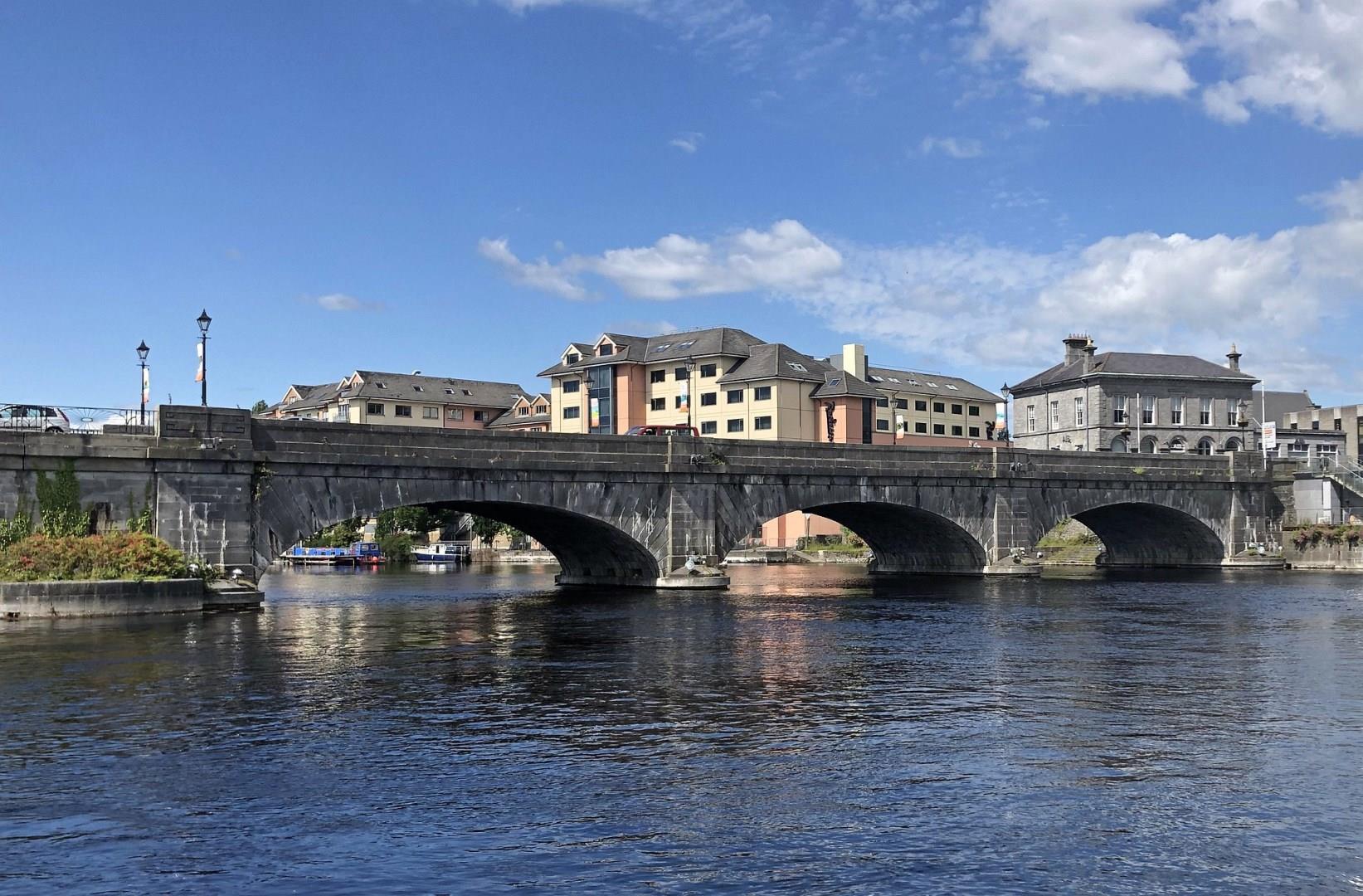


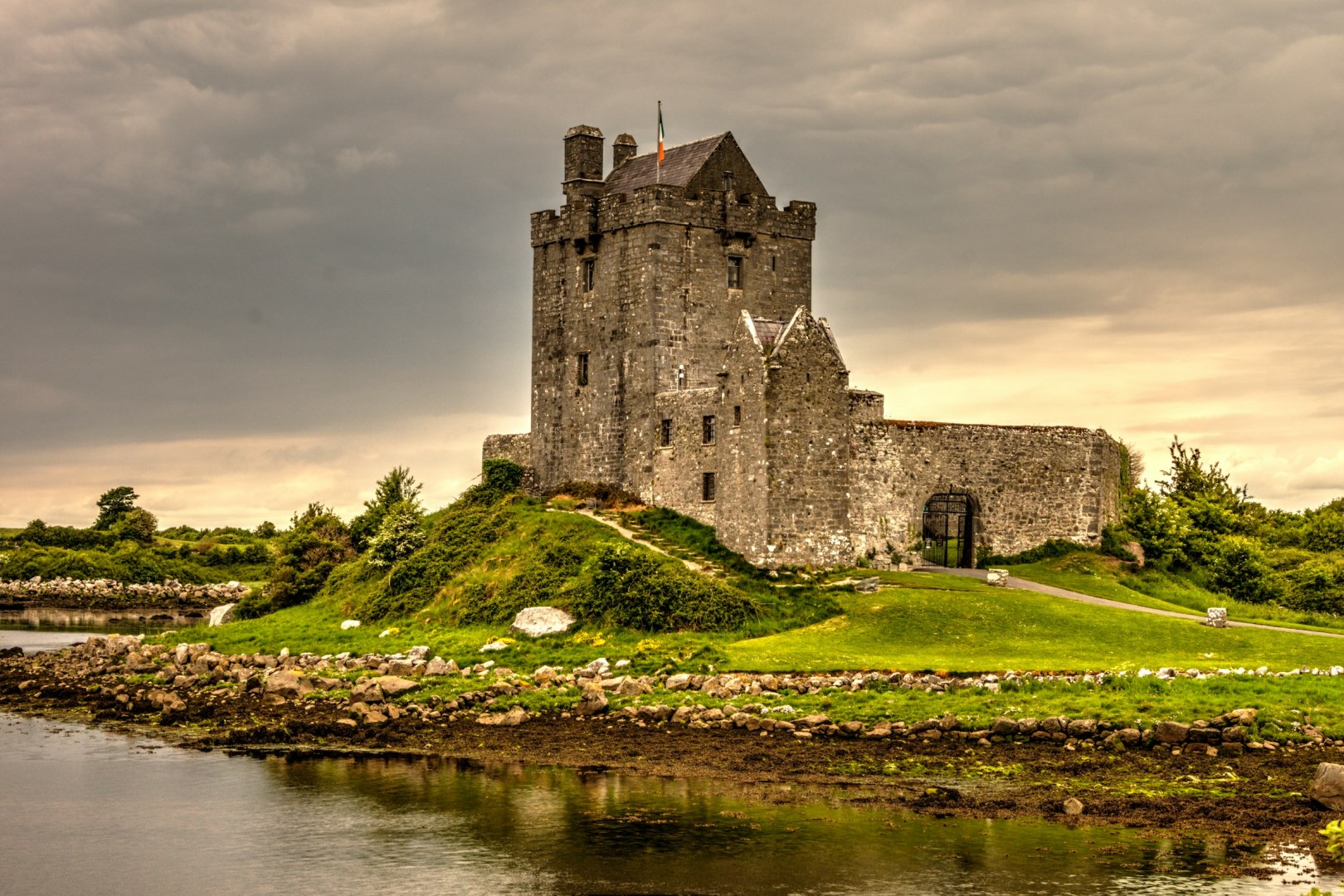

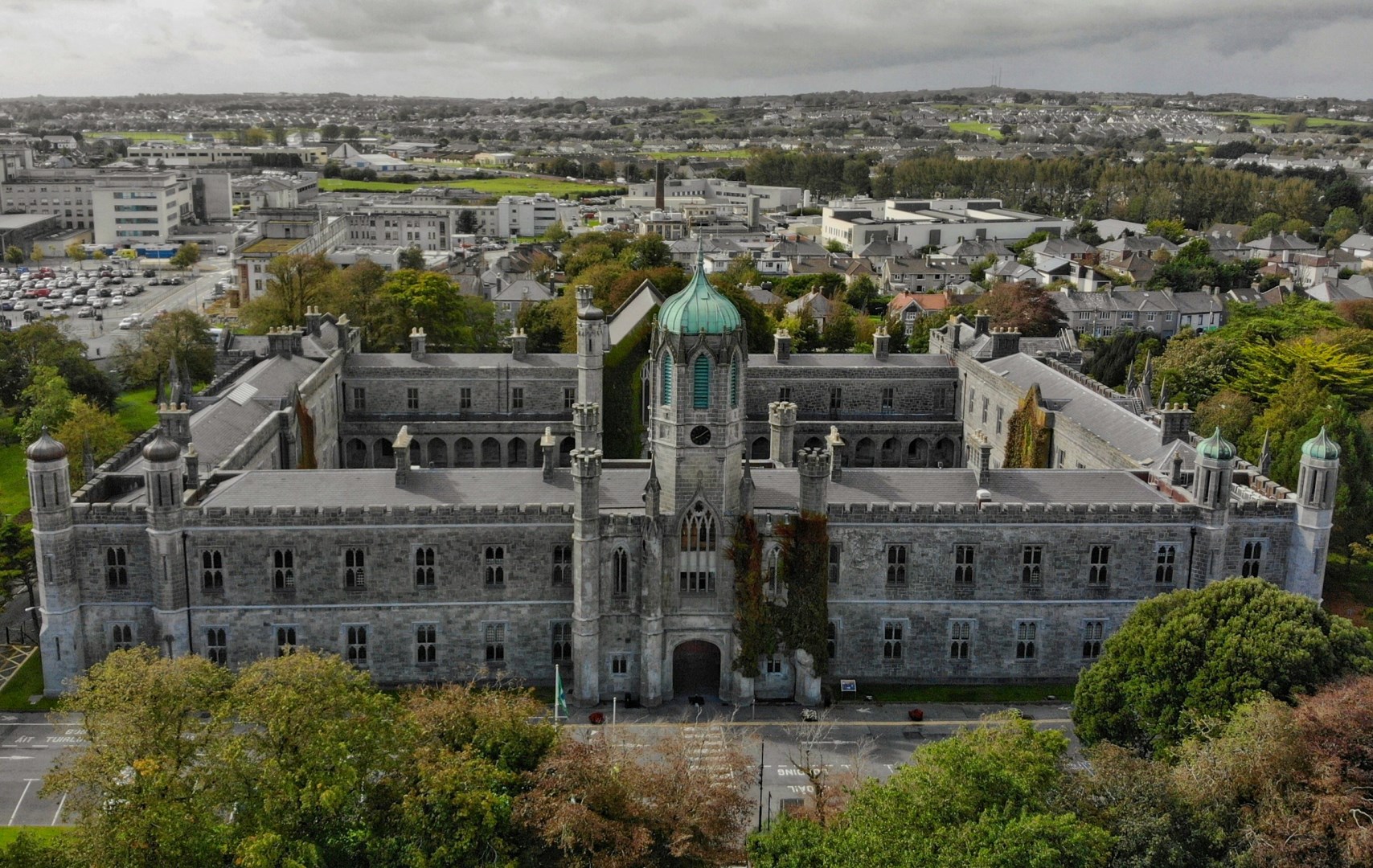
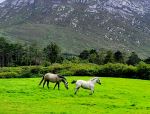
Galway, on Ireland's picturesque west coast, offers a vibrant blend of culture, history, and natural beauty that enchants visitors from around the world. This historic city, often referred to as the "City of the Tribes," was shaped by the seven tribes that dominated it during the medieval period. The city's lively atmosphere is a fusion of traditional Irish charm and modern creativity, evident in its colorful streets and dynamic cultural scene.
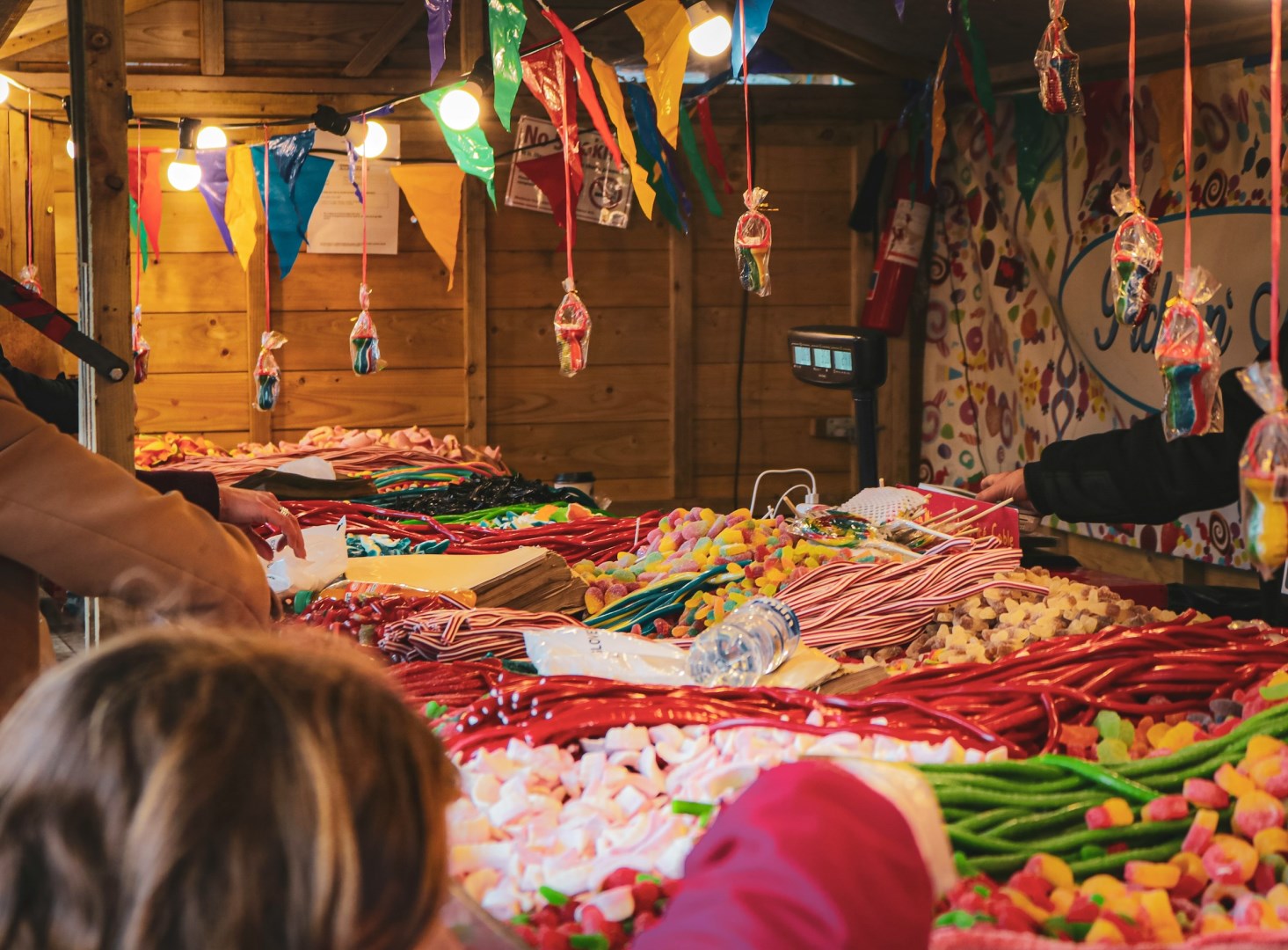
Stroll through the bustling Quay Street and discover an array of charming shops, lively pubs, and cozy restaurants. The area's vibrant market and street performers add to its festive ambiance, making it a perfect spot to soak up Galway's unique spirit. Nearby, the Galway Cathedral, a stunning example of neo-Romanesque architecture, stands majestically on the banks of the River Corrib. Its interior, adorned with colorful mosaics and intricate stonework, is a testament to the city's rich artistic heritage.
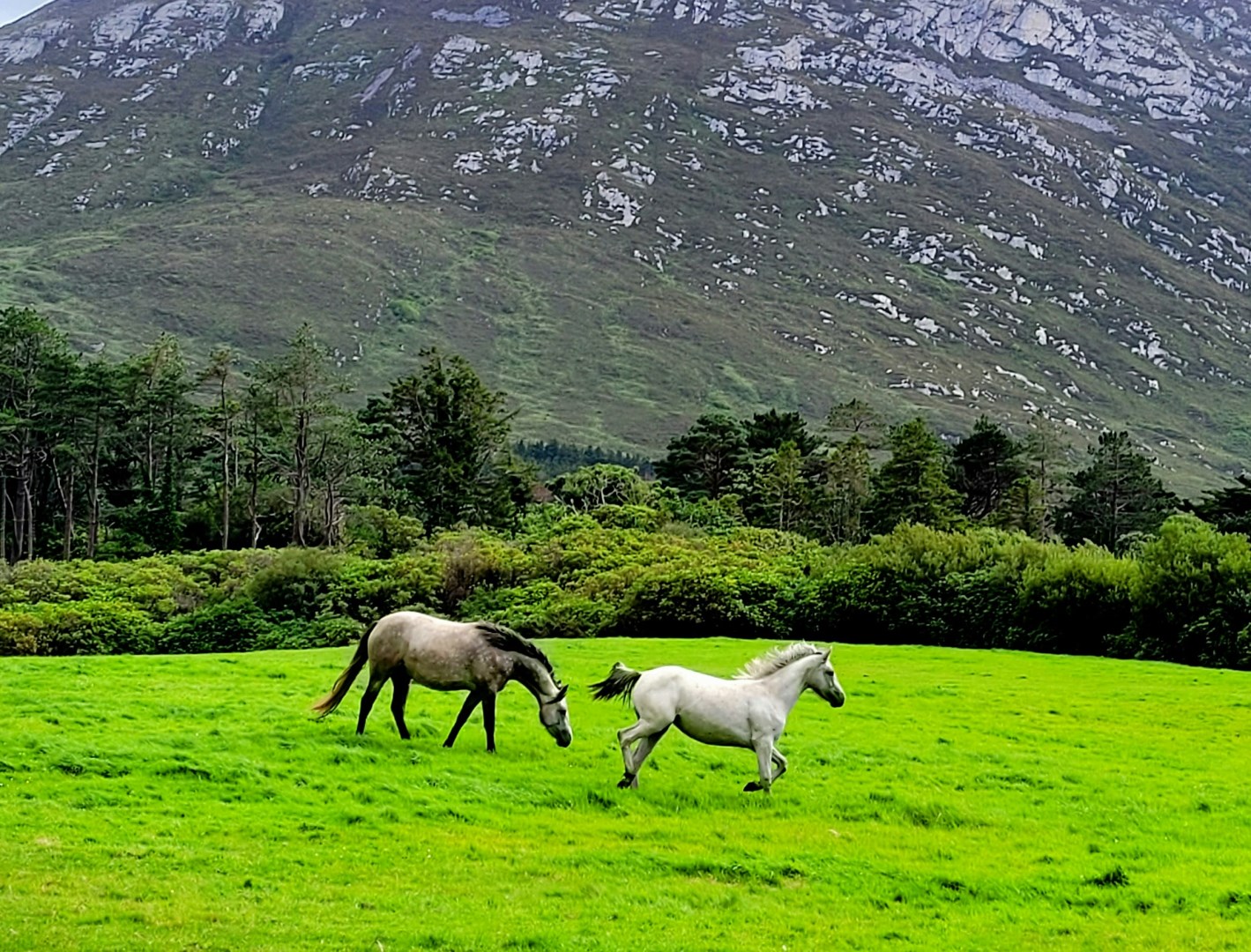
Galway is also renowned for its proximity to the Cliffs of Moher, one of Ireland’s most iconic natural landmarks. These dramatic cliffs rise over 700 feet above the Atlantic Ocean, offering breathtaking views and thrilling walks along the edge. Additionally, the nearby Connemara National Park presents a rugged landscape of mountains, lakes, and wild boglands, ideal for hiking and exploring.
Fun Fact: Galway is known for its vibrant arts scene and is home to the annual Galway International Arts Festival, which attracts performers and artists from around the globe. The festival’s eclectic mix of theater, music, and visual arts underscores Galway’s status as a cultural hub in Ireland.
Stroll through the bustling Quay Street and discover an array of charming shops, lively pubs, and cozy restaurants. The area's vibrant market and street performers add to its festive ambiance, making it a perfect spot to soak up Galway's unique spirit. Nearby, the Galway Cathedral, a stunning example of neo-Romanesque architecture, stands majestically on the banks of the River Corrib. Its interior, adorned with colorful mosaics and intricate stonework, is a testament to the city's rich artistic heritage.
Galway is also renowned for its proximity to the Cliffs of Moher, one of Ireland’s most iconic natural landmarks. These dramatic cliffs rise over 700 feet above the Atlantic Ocean, offering breathtaking views and thrilling walks along the edge. Additionally, the nearby Connemara National Park presents a rugged landscape of mountains, lakes, and wild boglands, ideal for hiking and exploring.
Fun Fact: Galway is known for its vibrant arts scene and is home to the annual Galway International Arts Festival, which attracts performers and artists from around the globe. The festival’s eclectic mix of theater, music, and visual arts underscores Galway’s status as a cultural hub in Ireland.
Other Popular Destinations in Ireland

Dublin, Ireland is an architectural, artistic, and gastronomic marvel. Immerse yourself in this cultural capital and discover a few of Ireland’s most famous landmarks! The city is home to both the Old Jameson Whiskey Distillery and the Guinness Storehouse, where authentic Irish spirits and ales flow freely. Explore the long histories of these brewing giants in their respective factory museums.

