


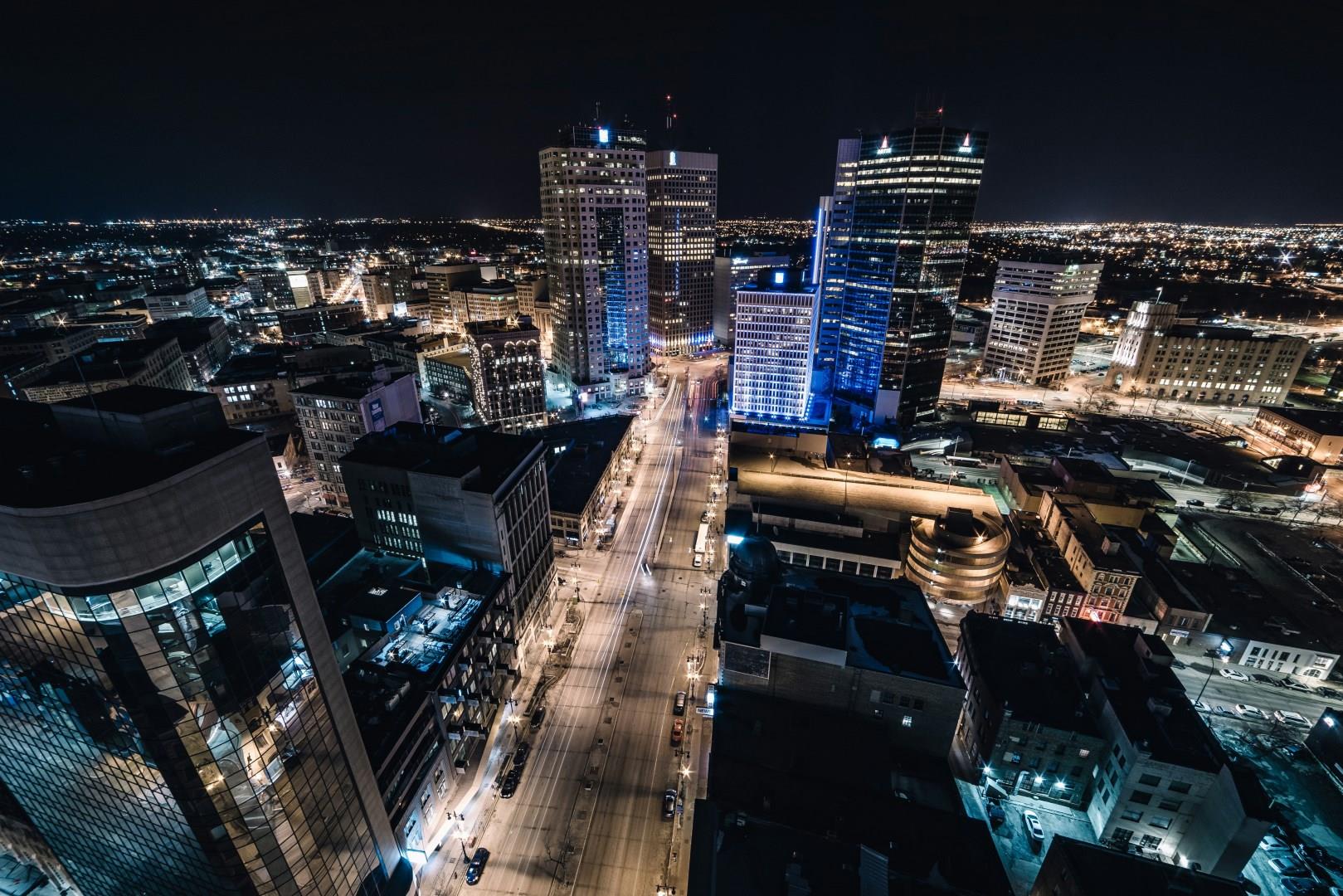


Stellenbosch, a charming town in South Africa’s Western Cape, is a haven for wine lovers and history enthusiasts alike. Established in 1679, Stellenbosch boasts well-preserved Cape Dutch architecture and a vibrant cultural scene. Its tree-lined streets are dotted with historical buildings, boutique shops, and artisanal cafes. A visit to the Stellenbosch Village Museum offers a glimpse into the town’s rich heritage, showcasing restored buildings from the 18th and 19th centuries.
A dynamic island escape, Penang, Malaysia, is chock-full of exciting attractions, beautiful beaches, and stunning architecture. Head to the George Town neighborhood, a UNESCO World Heritage Site, to explore the island's best colonial architecture and historical landmarks, including the Penang Town Hall, Fort Cornwallis, and Queen Victoria Memorial Clock Tower.
This is the most Moorish part of Portugal, the rich plain south of the Serra do Caldeirao, scalloped by the beaches and headlands of the Algarve. It is where, in early spring, blossoming almond trees carpet the still-brown hillsides with drifts of snow-like flowers, and the plain white facades of little houses are topped by intricately pierced chimneys that look like ice-cream cones.
Komodo Island is famous for its Komodo dragons, the largest lizards in the world. These remarkable creatures, which can grow up to 10 feet long, roam freely on the island, offering visitors a rare chance to watch them in their natural environment.
Arrowtown, New Zealand, is a quaint town steeped in gold rush history, nestled along the Arrow River in the Otago region. The town’s heritage buildings, many carefully preserved from the 19th century, offer a glimpse into its past as a thriving mining settlement.
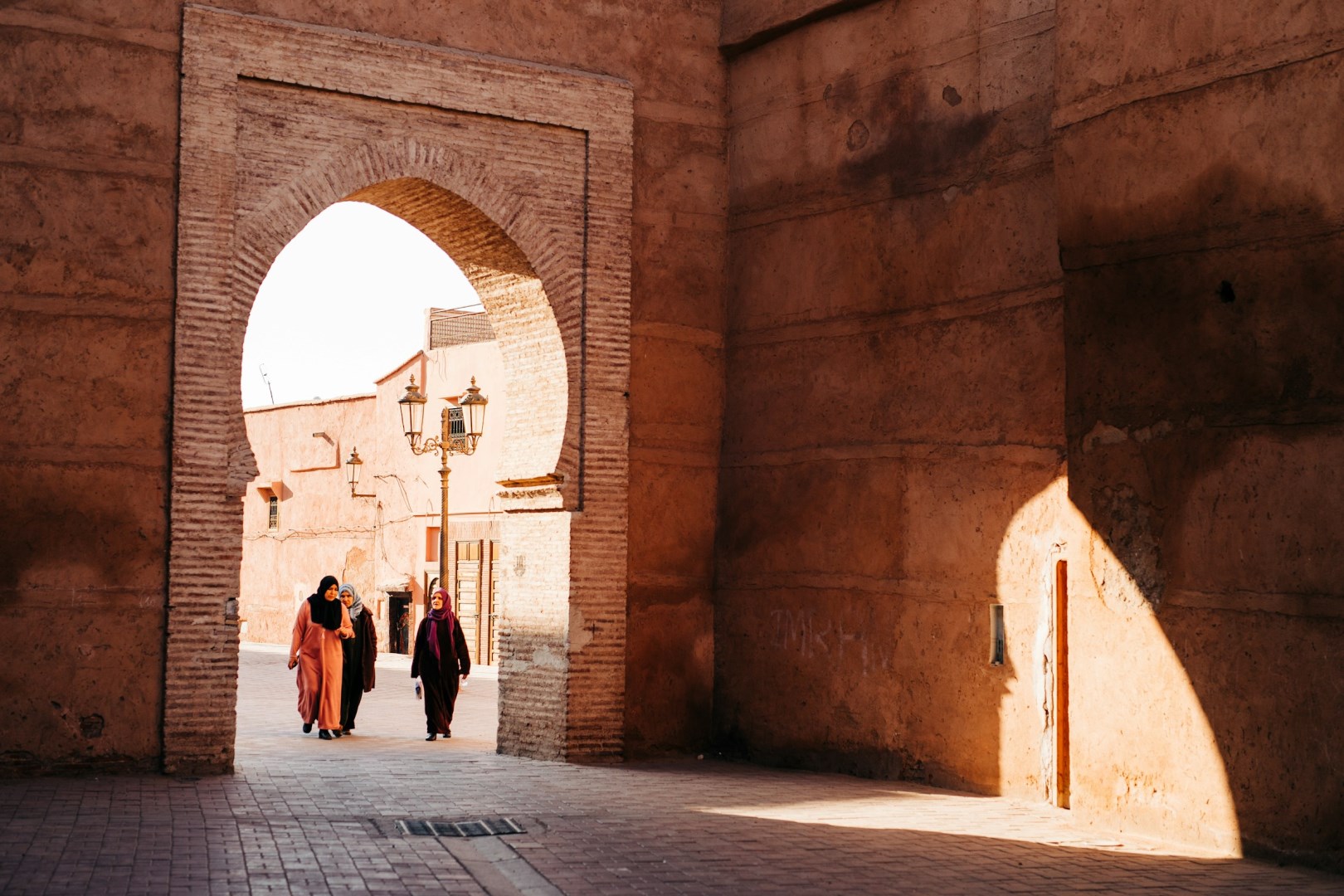
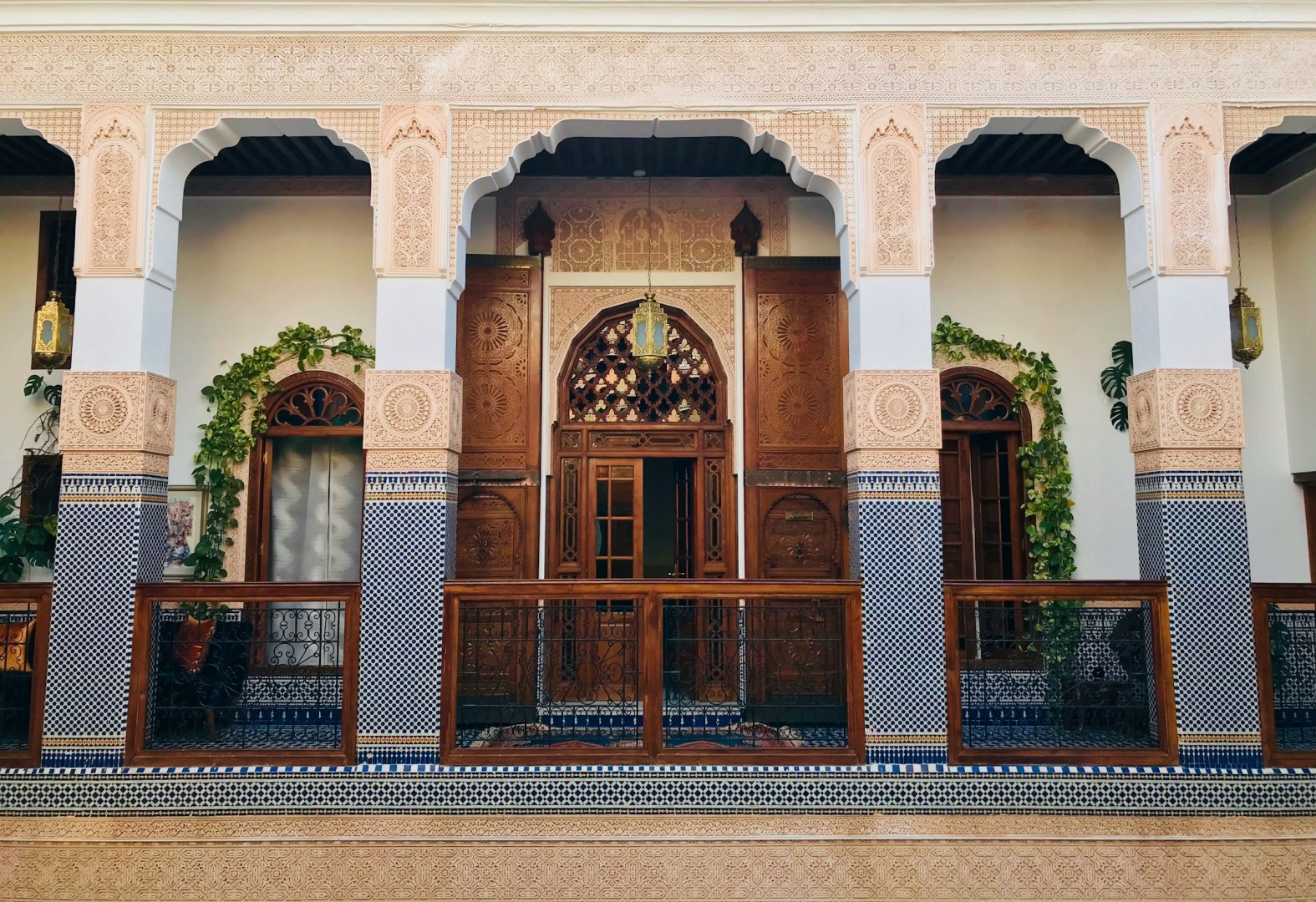
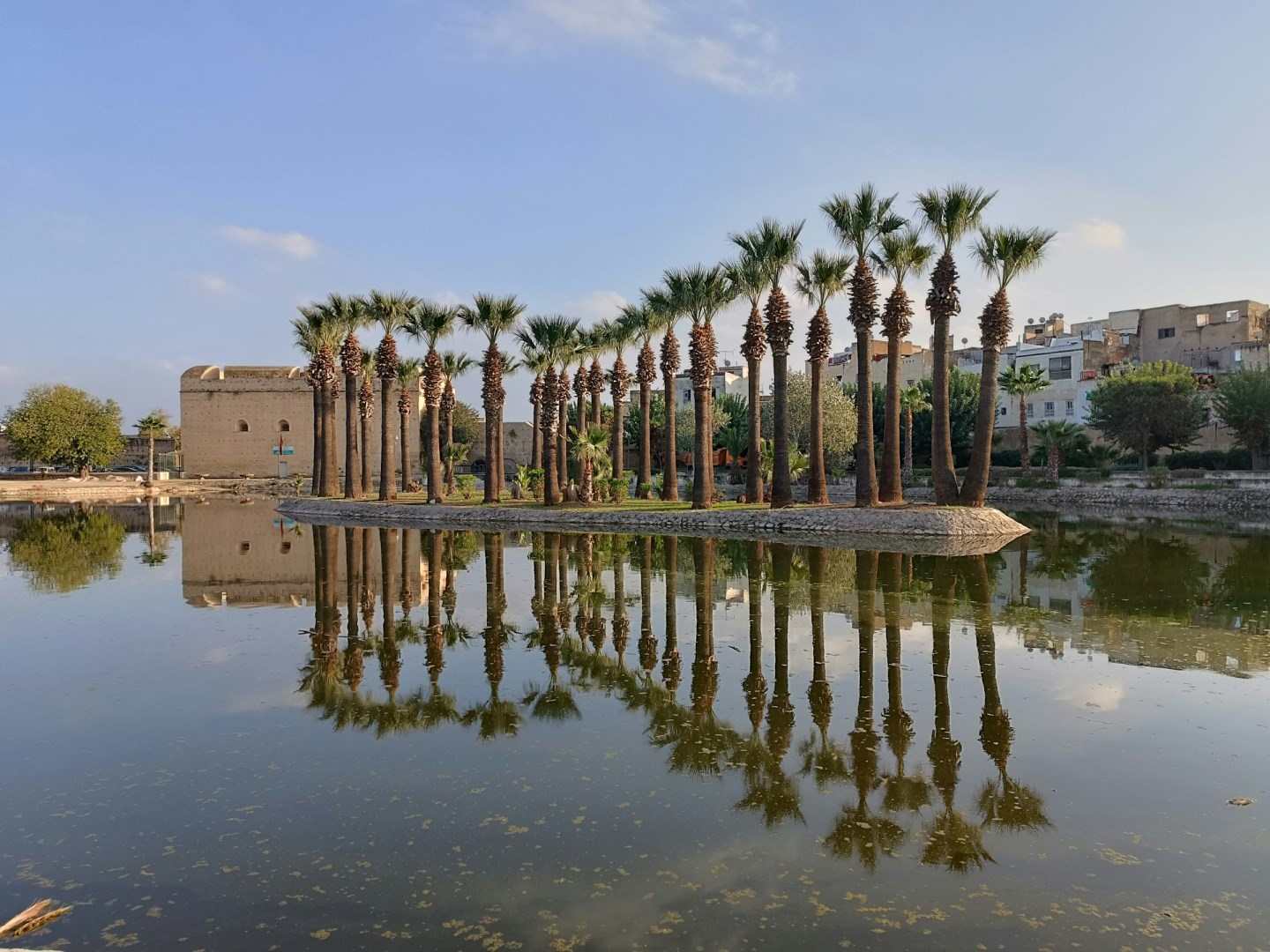
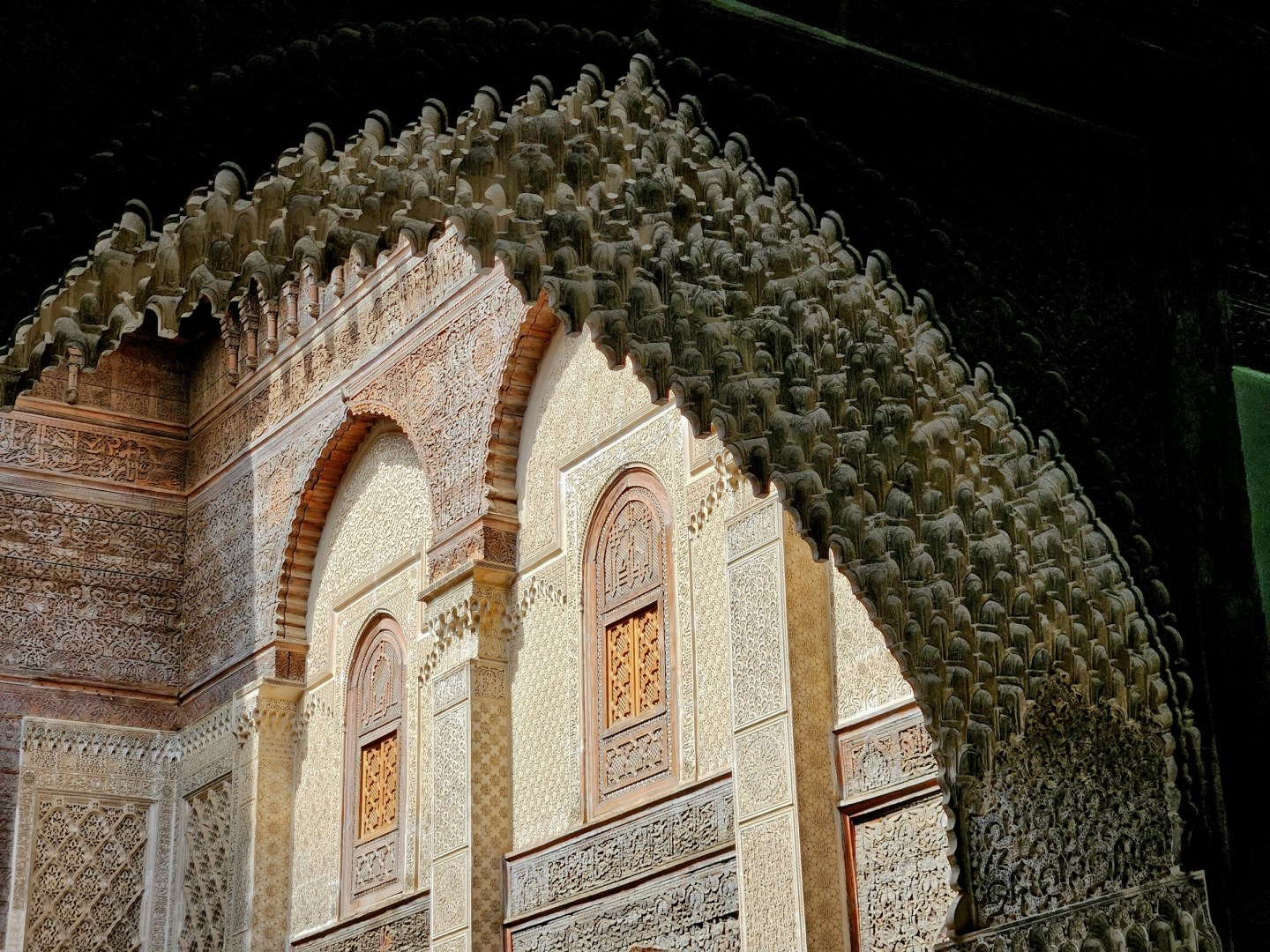
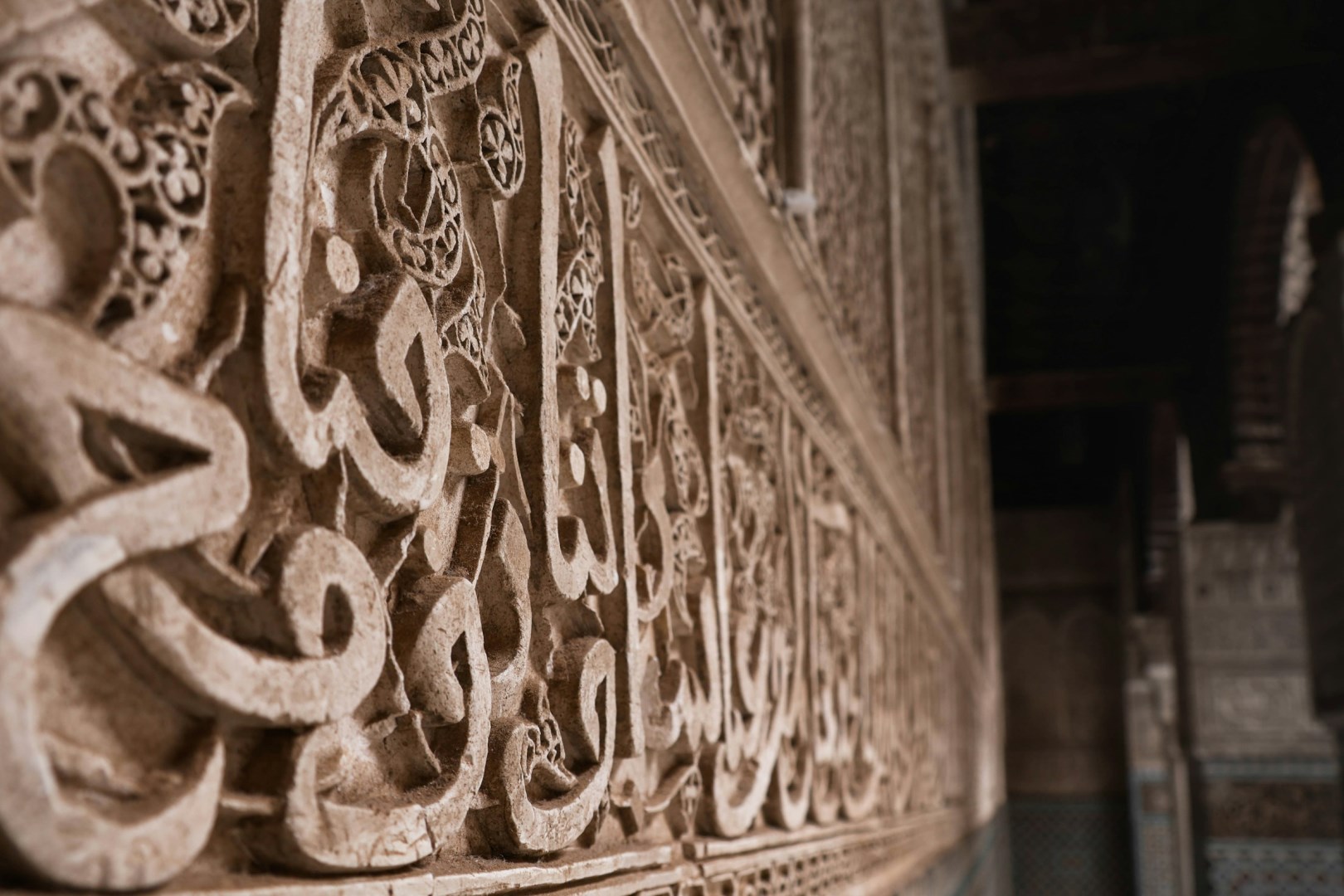
A series of gates surrounds the two centers of ancient, medieval Fez (sometimes spelled Fes). The principal axes link the center to the gates and a street surrounds the heart of the old city. The Kairouan quarter, which is longer, is crossed by an artery. Narrow, tortuous pedestrian streets, covered passages, stairs and numerous dead-ends make up the dense layout with few urban squares. One can still see the religious and military monument reflecting the heyday of the Moorish city, and the intellectual enlightenment of the Islamic city. The twin cities have not lost their individual characters.
