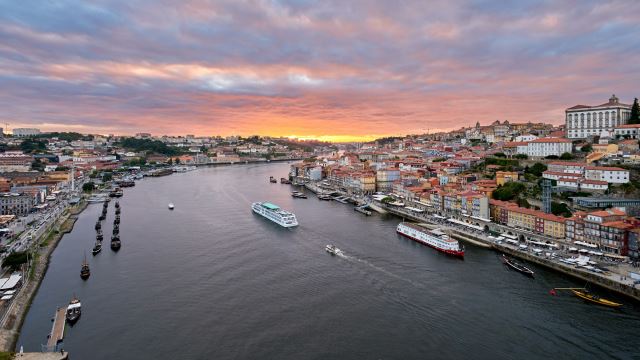




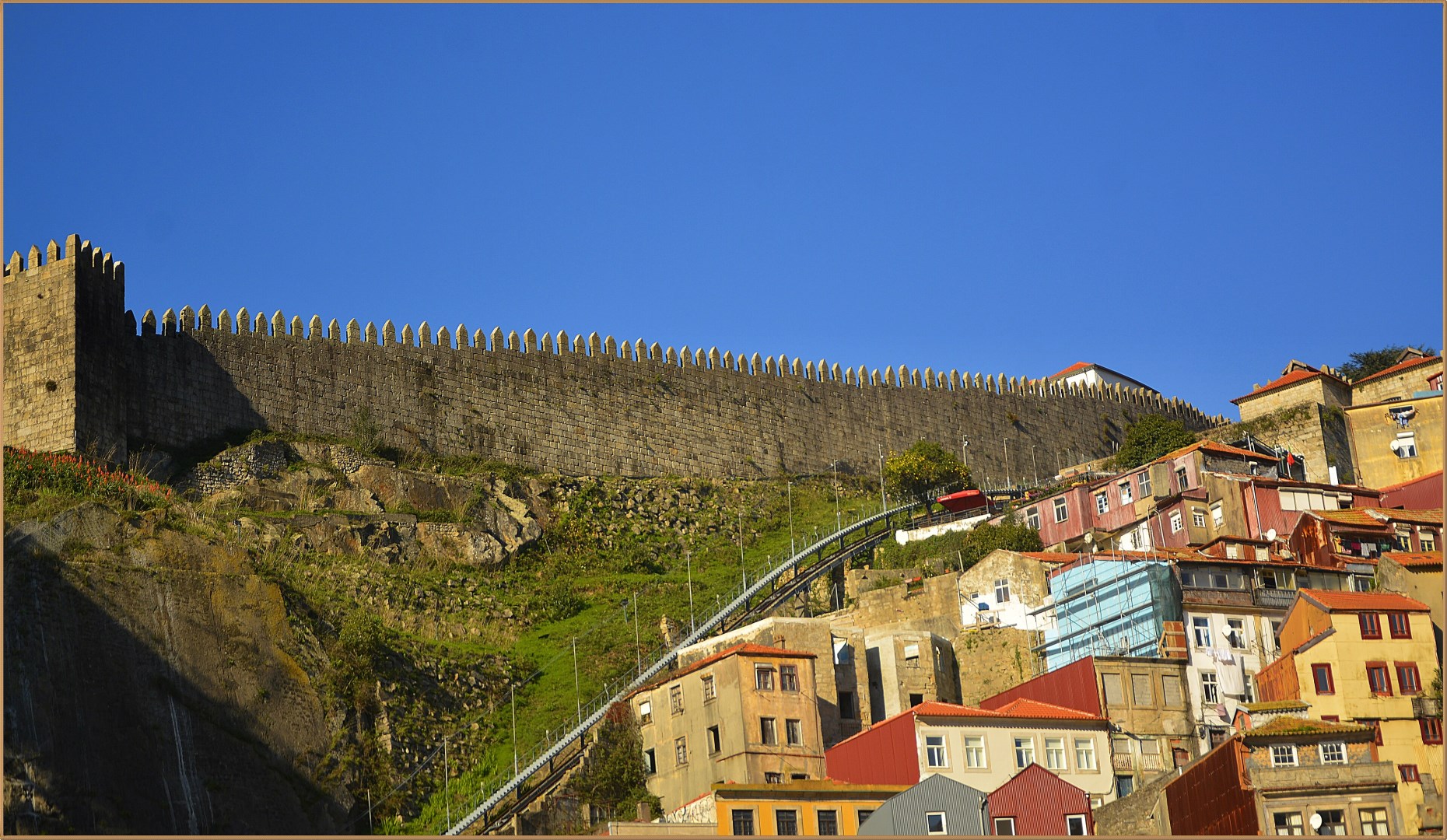
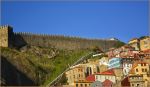
The city of Oporto is situated on the right bank of the River Douro, being the second largest city of the country. Oporto is the regional capital of the northern area.
Rich from centuries of trade, modern Oporto is as much a cosmopolitan center as it is a city steeped in the historical events of the past. The city is best known for its striking bridges and the much celebrated Port wine.
Oporto boasts several important attractions, including the 12th century Sé Cathedral and the magnificent São Francisco Church with its striking gold encrusted interior. Crossing the bridge brings you to the true home of Port wine. Here, visitors can tour the world famous lodges, and taste local wines.
The fishing towns to the north of Oporto boast some of the best fish and seafood restaurants in Portugal. Travelling south, within easy reach of the city, visitors are promised a relaxing beach side resort setting with hotels, clubs and casinos.
Rich from centuries of trade, modern Oporto is as much a cosmopolitan center as it is a city steeped in the historical events of the past. The city is best known for its striking bridges and the much celebrated Port wine.
Oporto boasts several important attractions, including the 12th century Sé Cathedral and the magnificent São Francisco Church with its striking gold encrusted interior. Crossing the bridge brings you to the true home of Port wine. Here, visitors can tour the world famous lodges, and taste local wines.
The fishing towns to the north of Oporto boast some of the best fish and seafood restaurants in Portugal. Travelling south, within easy reach of the city, visitors are promised a relaxing beach side resort setting with hotels, clubs and casinos.
Other Popular Destinations in Portugal

Lisbon, the enchanting capital of Portugal, entices sightseers with its vibrant color, stunning Gothic architecture, and temperate weather. Easily traversed by foot or tram, the city’s distinct quarters and vivid cultural landmarks make Lisbon an excellent spot for exploration.