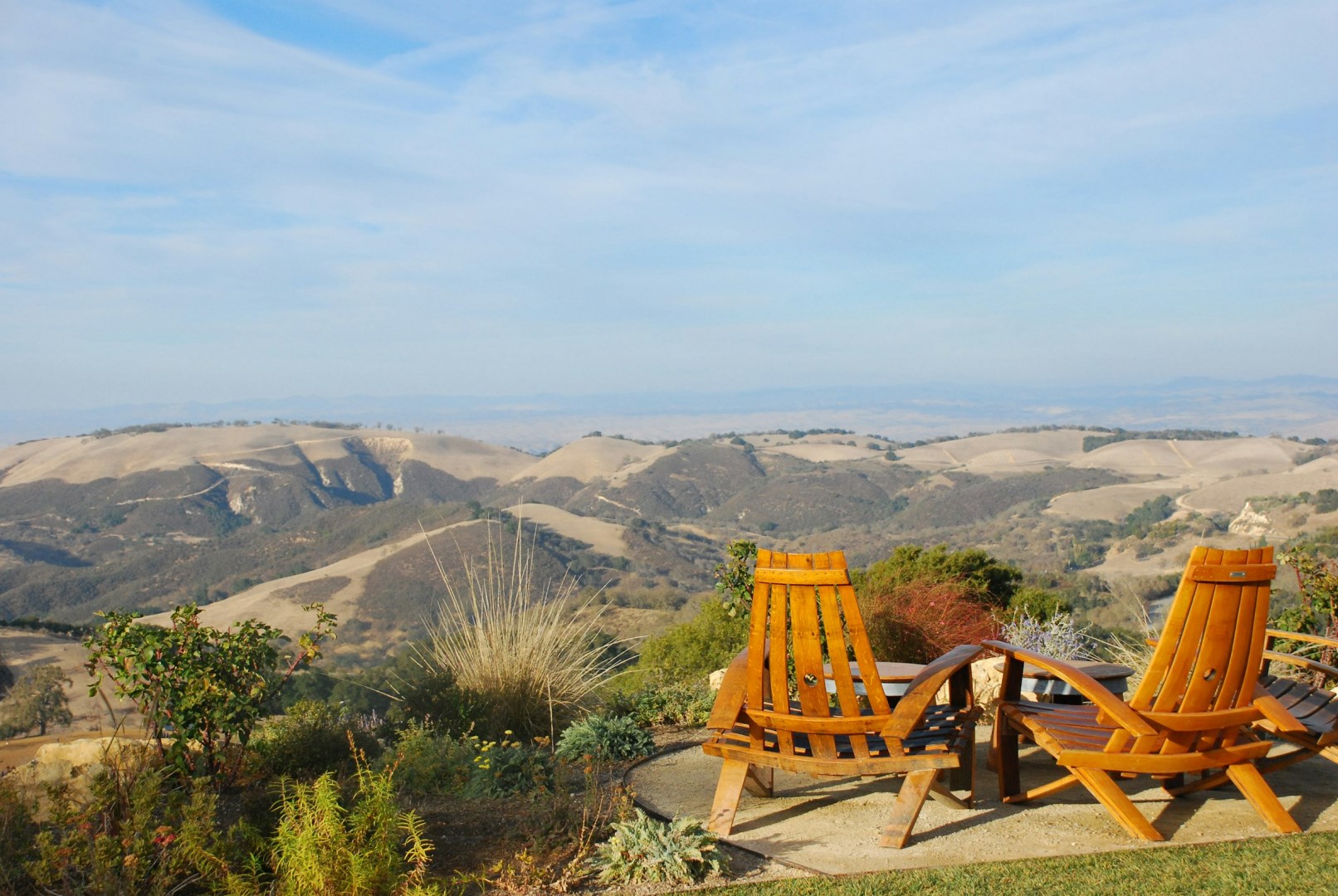

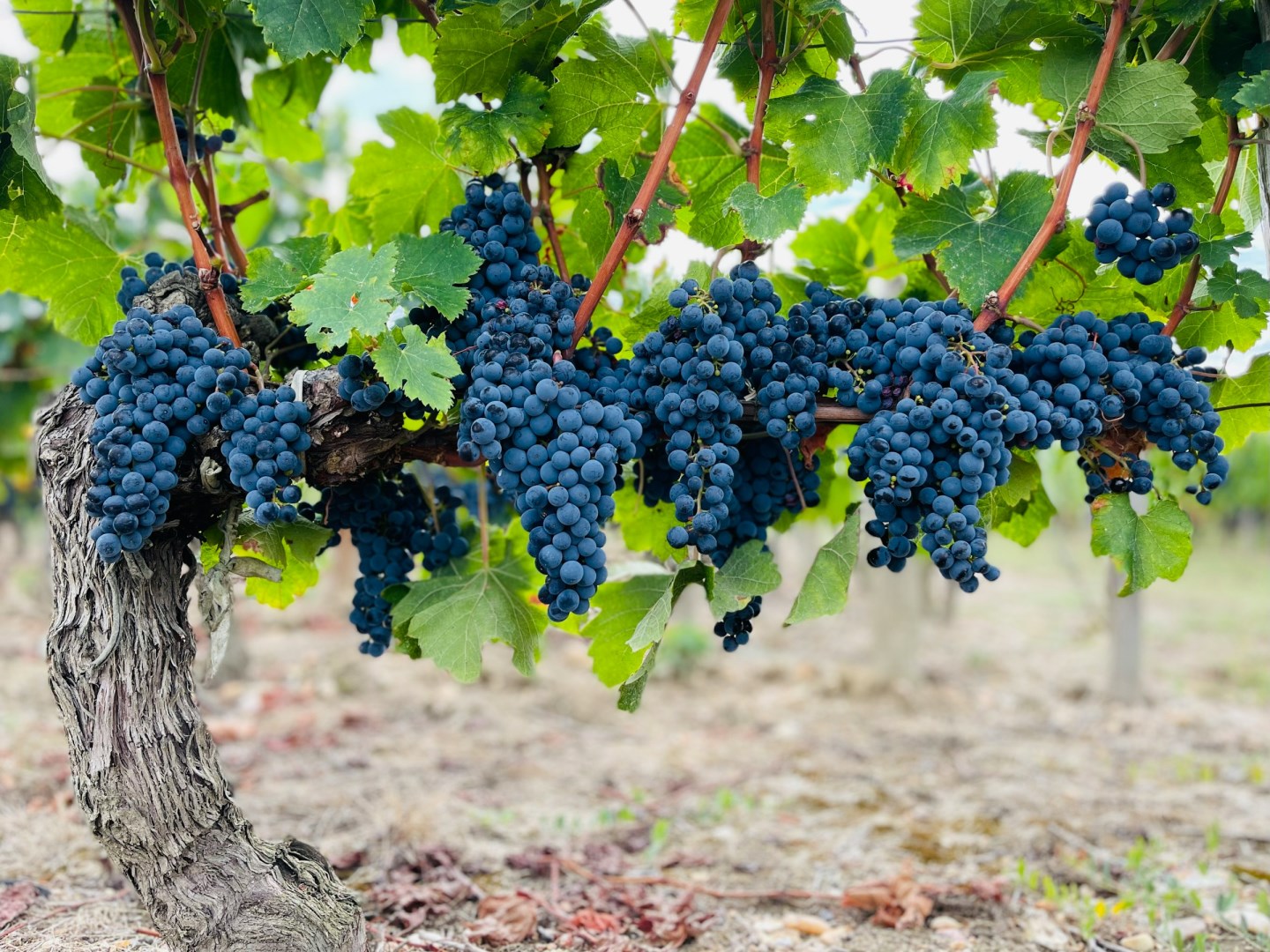




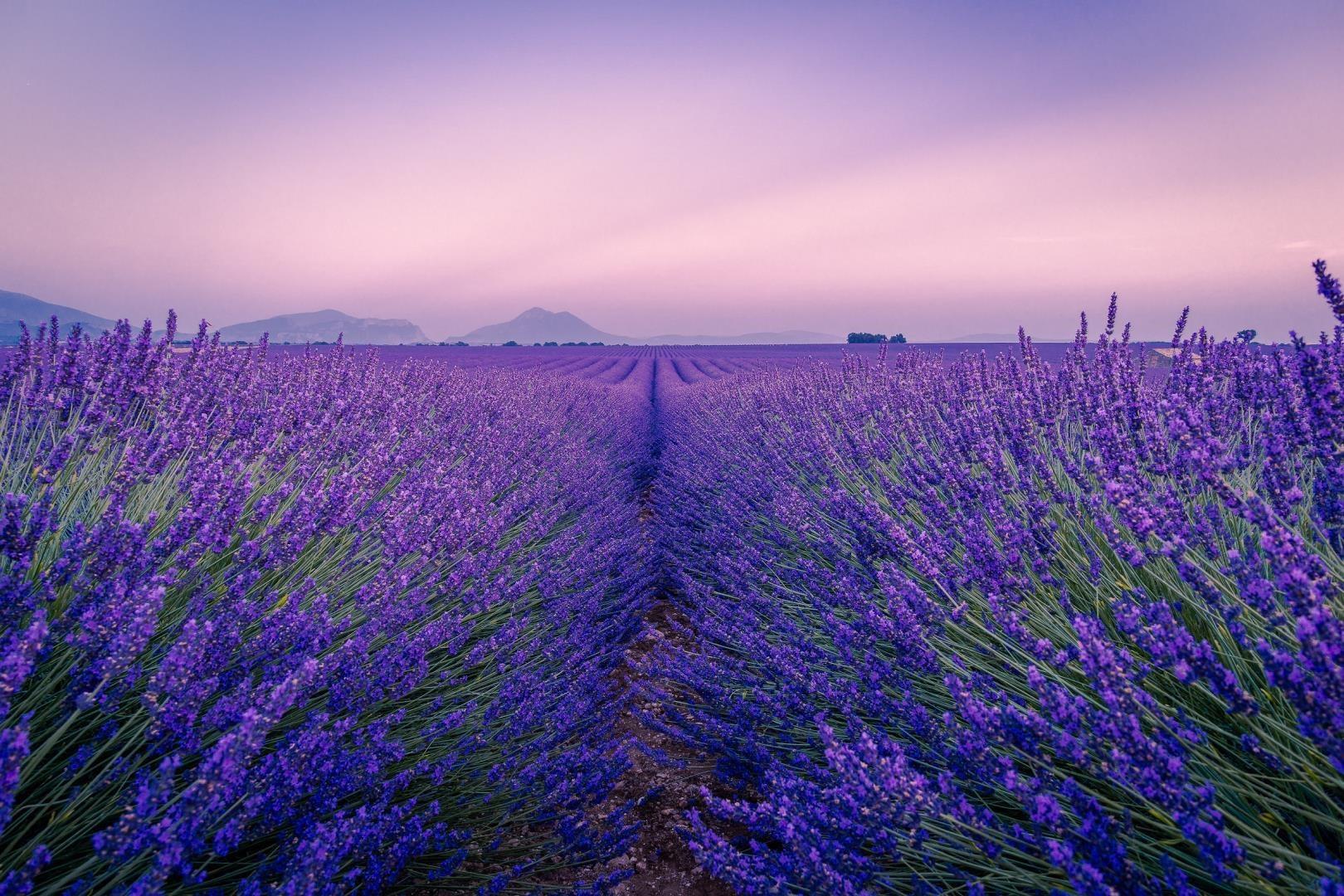

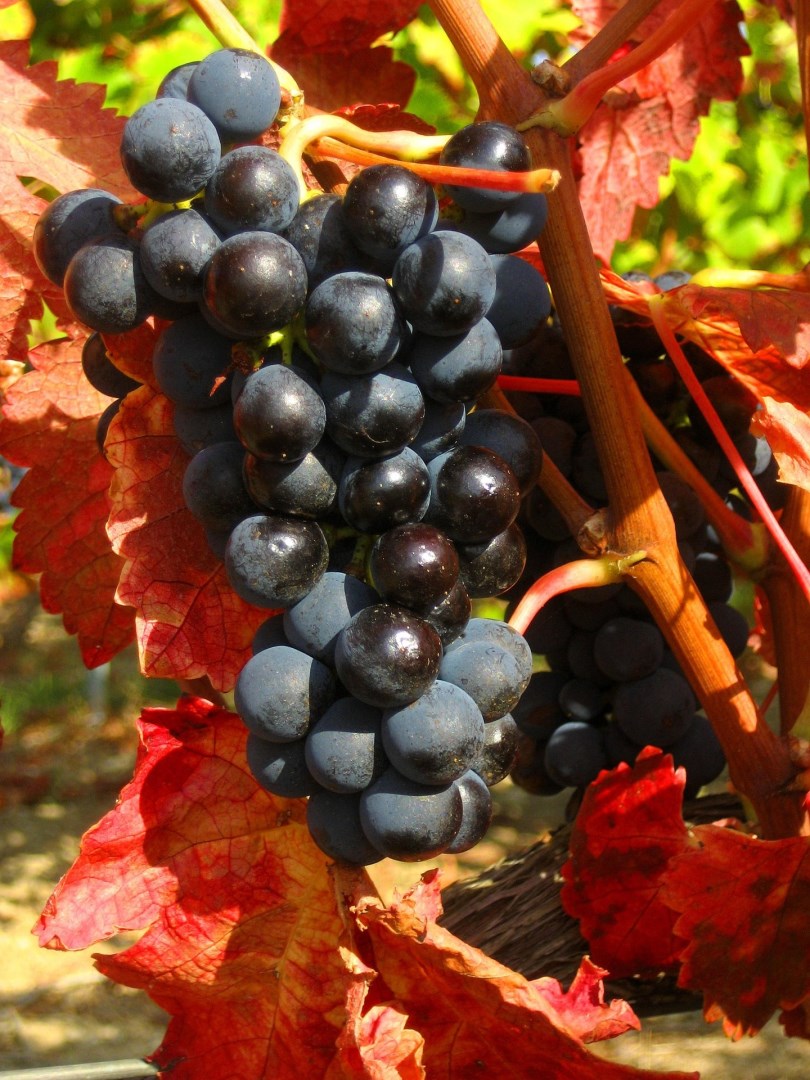

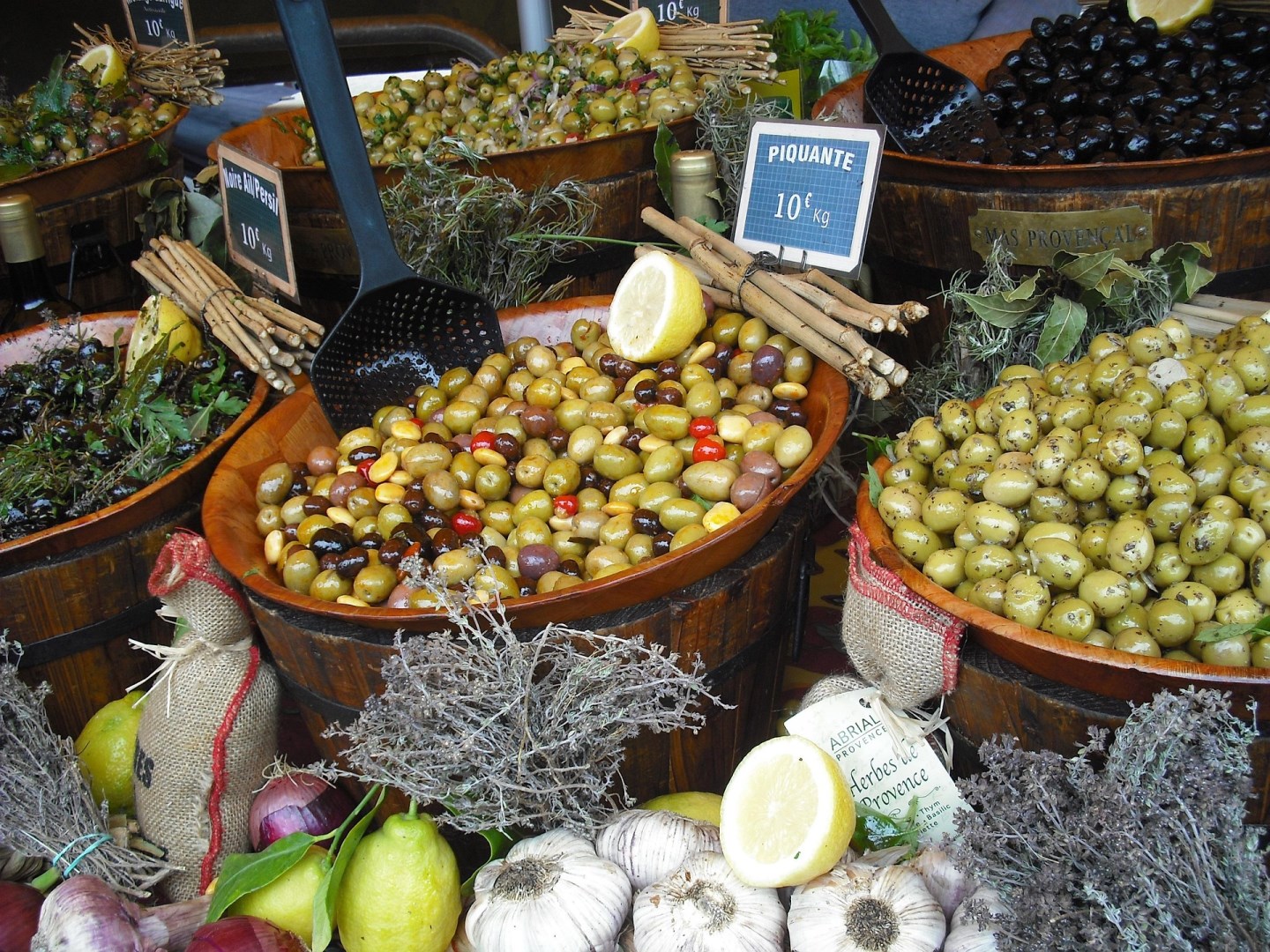

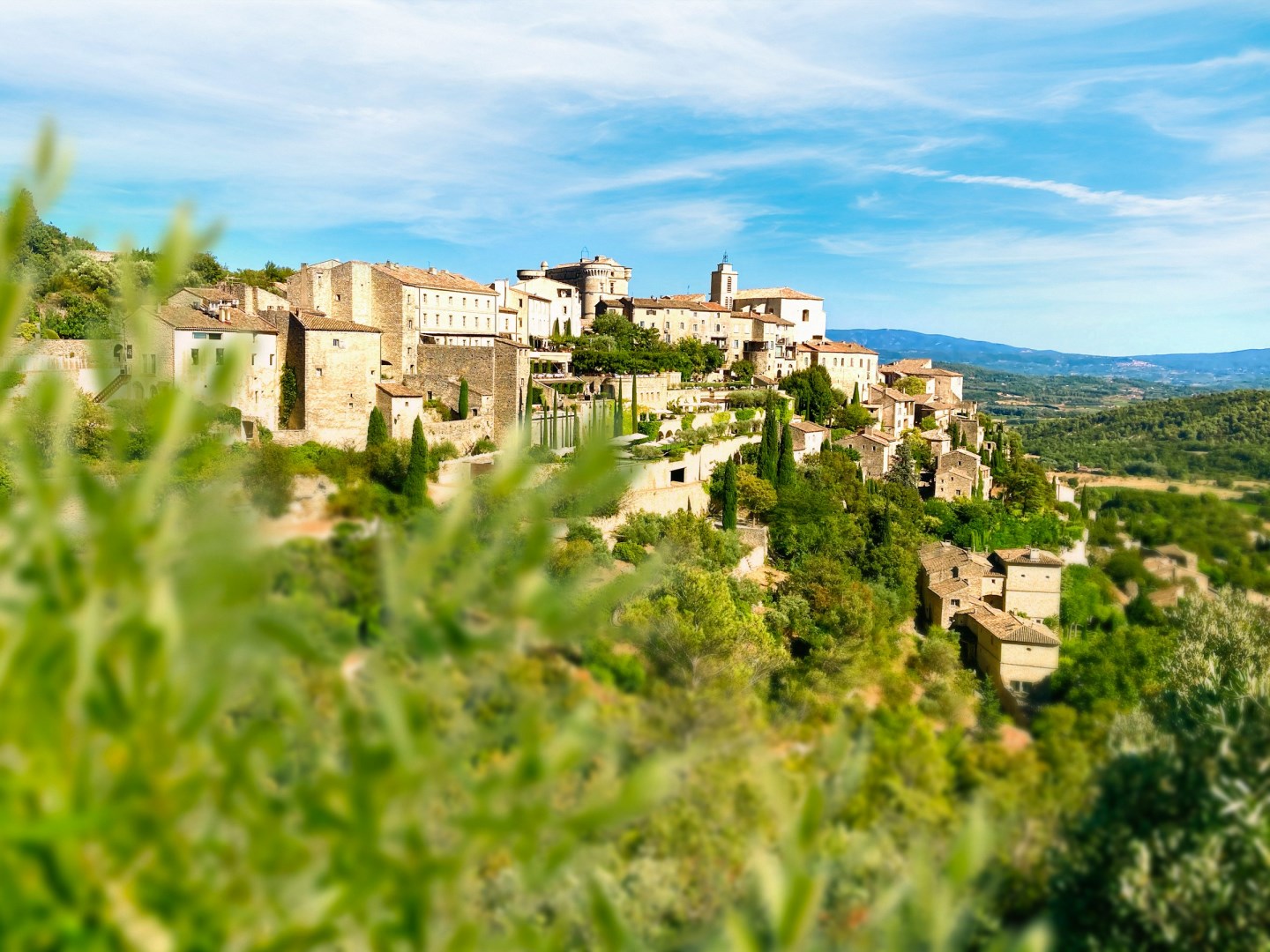
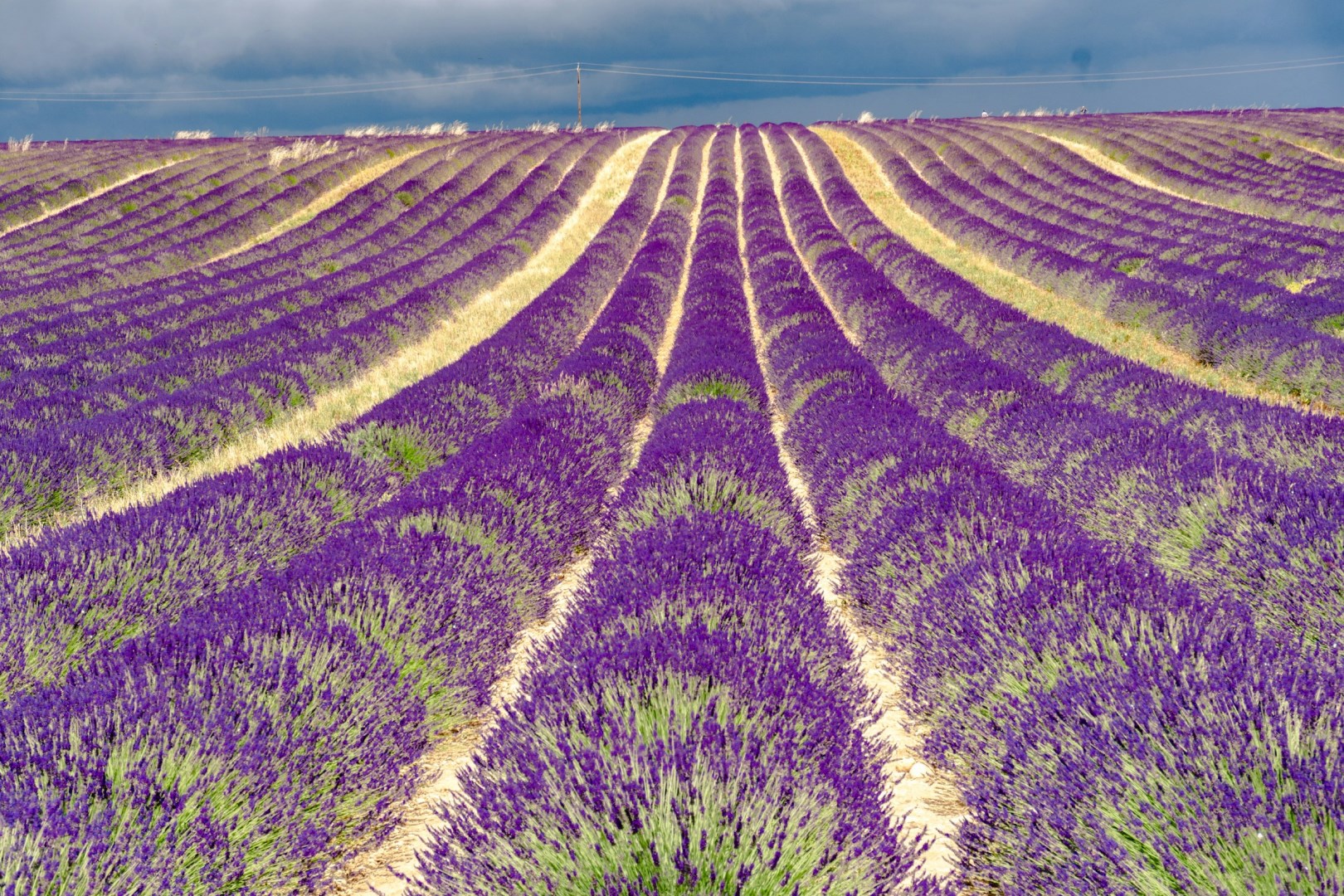

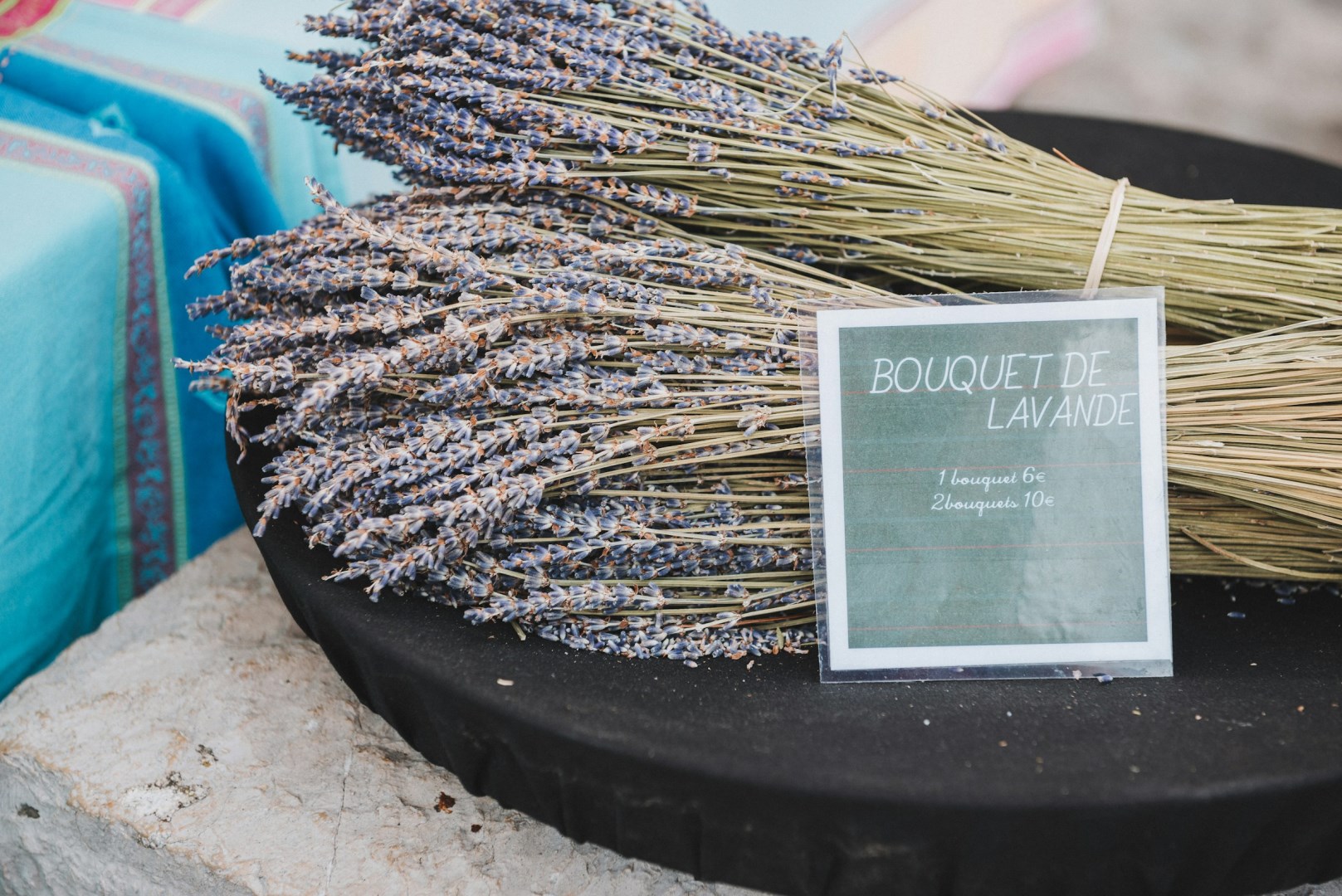
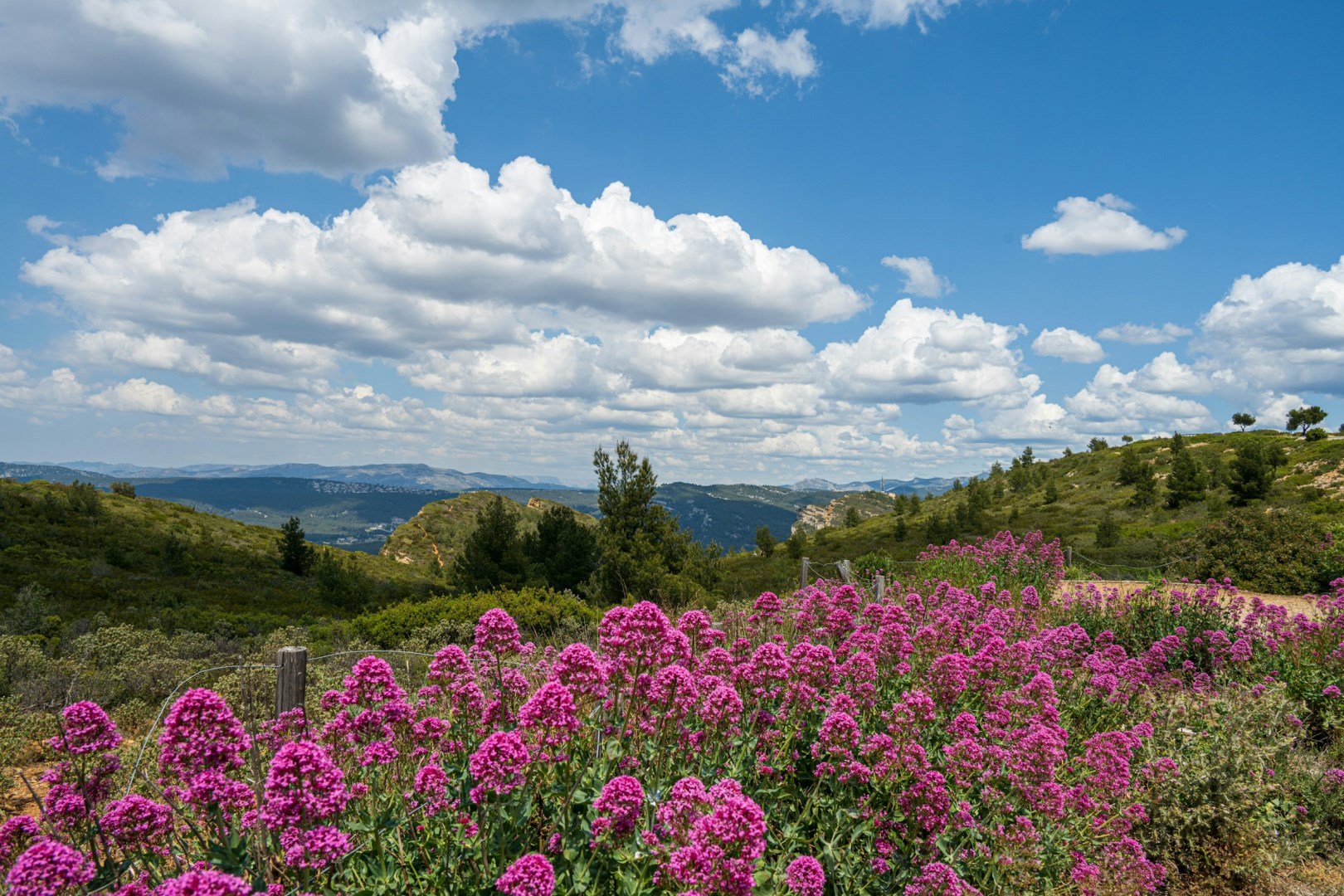

Situated in the French administrative region of Provence-Alpes-Côte d'Azur, Provence is a picturesque delight and one of France's most beloved provinces. Replete with sprawling lavender fields, lush vineyards, cobbled streets, and medieval architecture, Provence will surely capture your heart and mind.
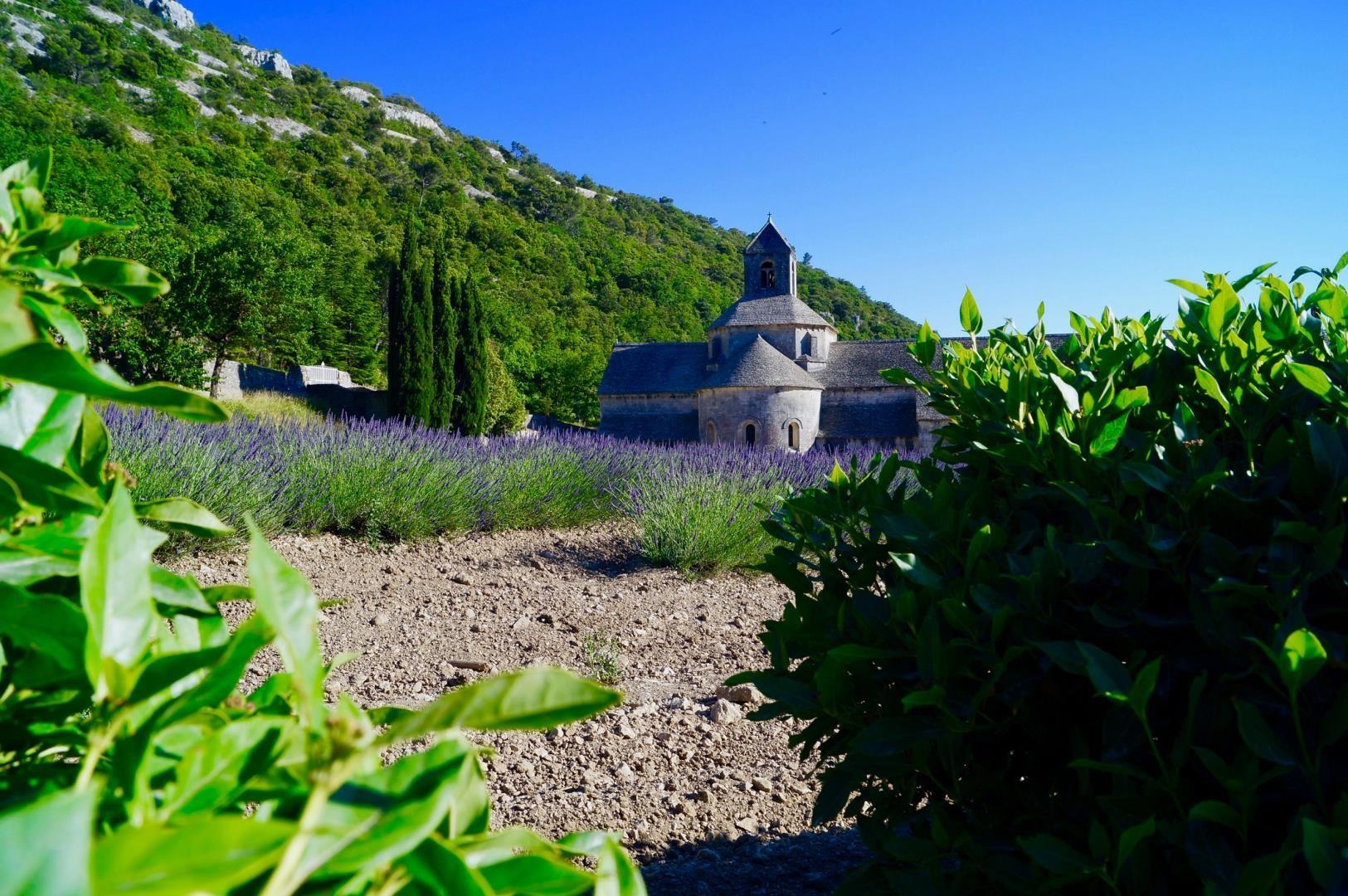
Senanque Abbey is a must-see for any visitor to Provence. Located in the charming village of Gordes, this twelfth-century abbey is surrounded by stunning fields of lavender, with vivid hues of purple that nearly glow in the warm sunlight. The historic Palais des Papes, once the seat of the Avignon papacy, is a UNESCO World Heritage Site whose Gothic walls sit over the city of Avignon in opulent glory.
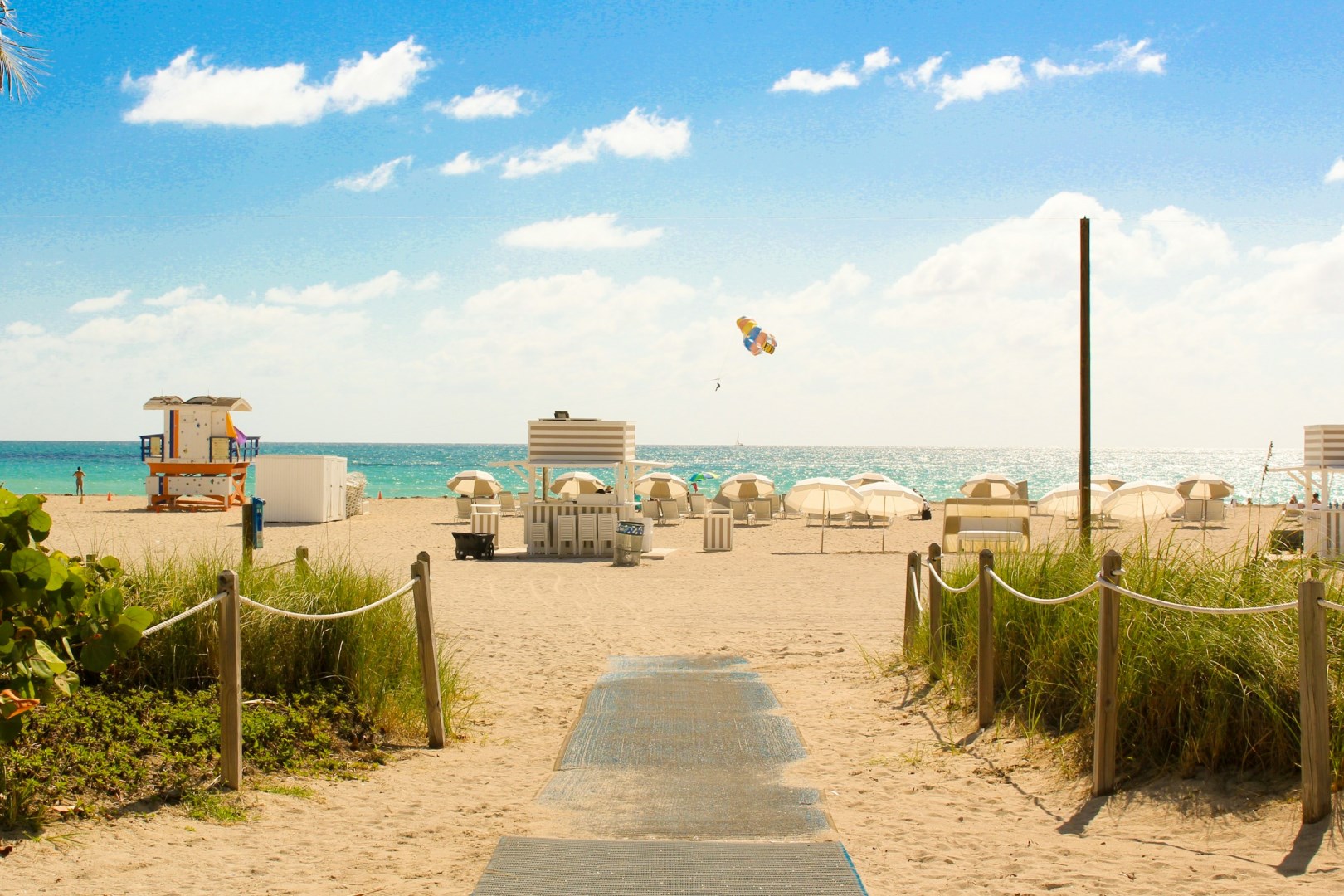
Venture south of the countryside to the French Riviera, or Côte d'Azur, for a taste of luxury and some of France's finest cuisine. Head to Marseille for fresh seafood and delectable eats, from bouillabaise, to bourride, to tagine. Better yet, whisk yourself away to Cannes or Nice for fine dining and designer shopping.
Provence's natural beauty provides the perfect setting for those who love outdoor activities. The Parc National des Calanques offers challenging hikes surrounded by white limestone formations, well-suited for the adventurous traveler. For a calmer experience, kayak down the Gorges du Verdon and marvel at its steep limestone cliffs and the vibrant turquoise waters of the Verdon River.
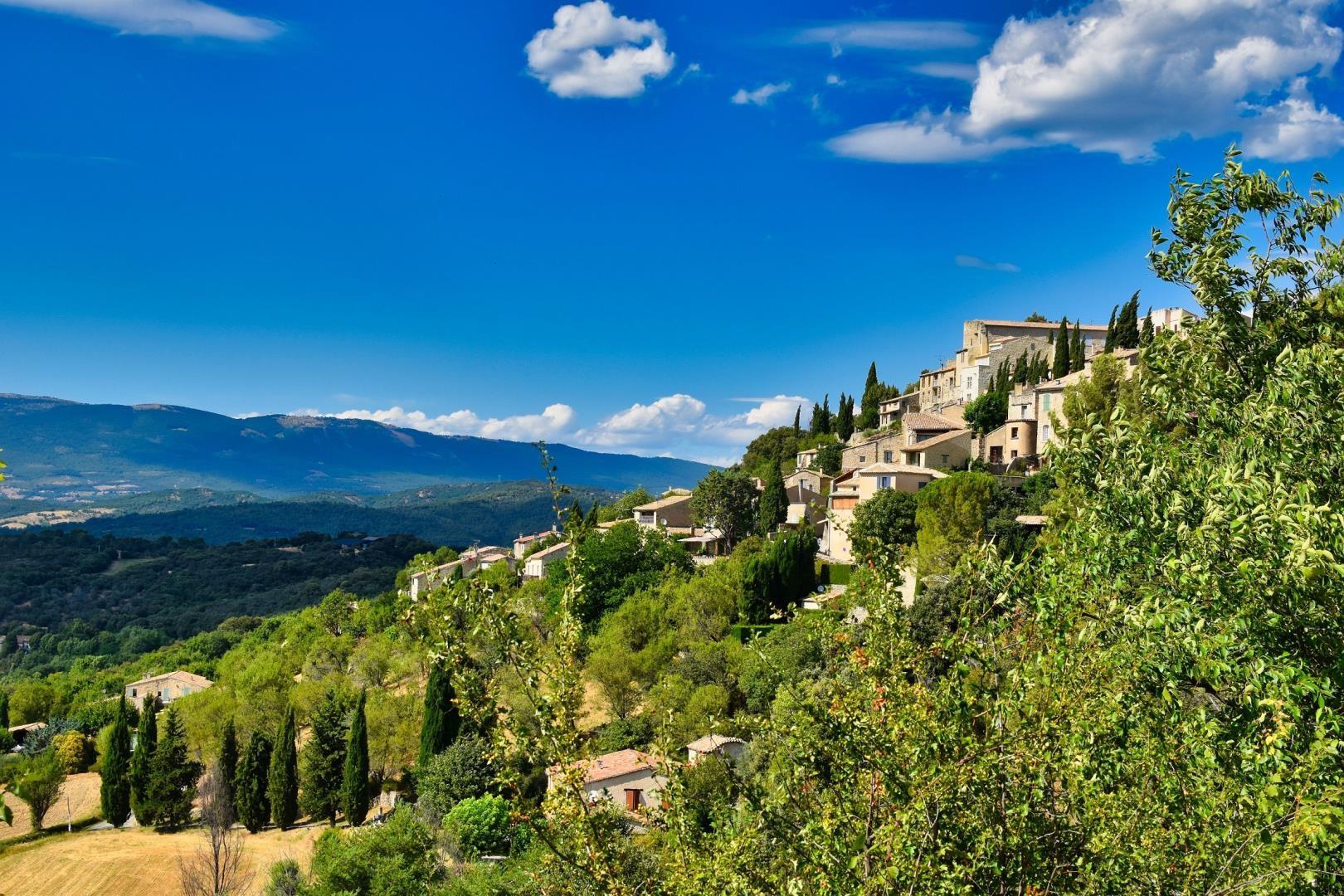
From the cosmopolitan coasts of the French Riviera, to the peaceful countryside of Gordes and Uzès, to the winter-white slopes of the Alps, there's something for everyone in Provence.
Senanque Abbey is a must-see for any visitor to Provence. Located in the charming village of Gordes, this twelfth-century abbey is surrounded by stunning fields of lavender, with vivid hues of purple that nearly glow in the warm sunlight. The historic Palais des Papes, once the seat of the Avignon papacy, is a UNESCO World Heritage Site whose Gothic walls sit over the city of Avignon in opulent glory.
Venture south of the countryside to the French Riviera, or Côte d'Azur, for a taste of luxury and some of France's finest cuisine. Head to Marseille for fresh seafood and delectable eats, from bouillabaise, to bourride, to tagine. Better yet, whisk yourself away to Cannes or Nice for fine dining and designer shopping.
Provence's natural beauty provides the perfect setting for those who love outdoor activities. The Parc National des Calanques offers challenging hikes surrounded by white limestone formations, well-suited for the adventurous traveler. For a calmer experience, kayak down the Gorges du Verdon and marvel at its steep limestone cliffs and the vibrant turquoise waters of the Verdon River.
From the cosmopolitan coasts of the French Riviera, to the peaceful countryside of Gordes and Uzès, to the winter-white slopes of the Alps, there's something for everyone in Provence.
Other Popular Destinations in France

France's capital and most populated city, Paris is an alluring destination and an essential stop for any global traveler. A center of fashion, gastronomy, and the arts. Major tourist attractions in the City of Lights include the Eiffel Tower (such great heights!), the Louvre (home of the Mona Lisa and Venus de Milo), the Arc de Triomphe, and Grand Palais.