

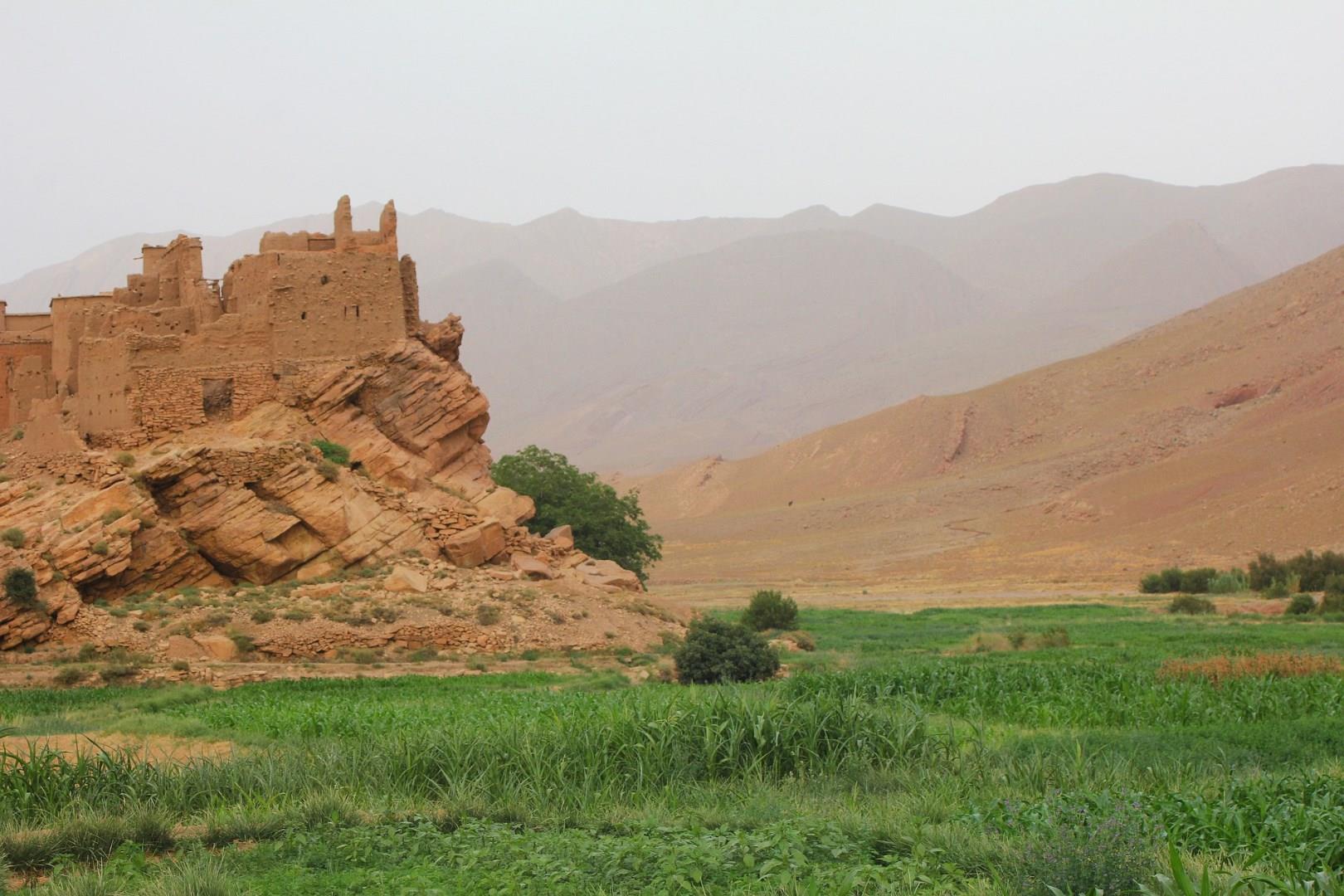


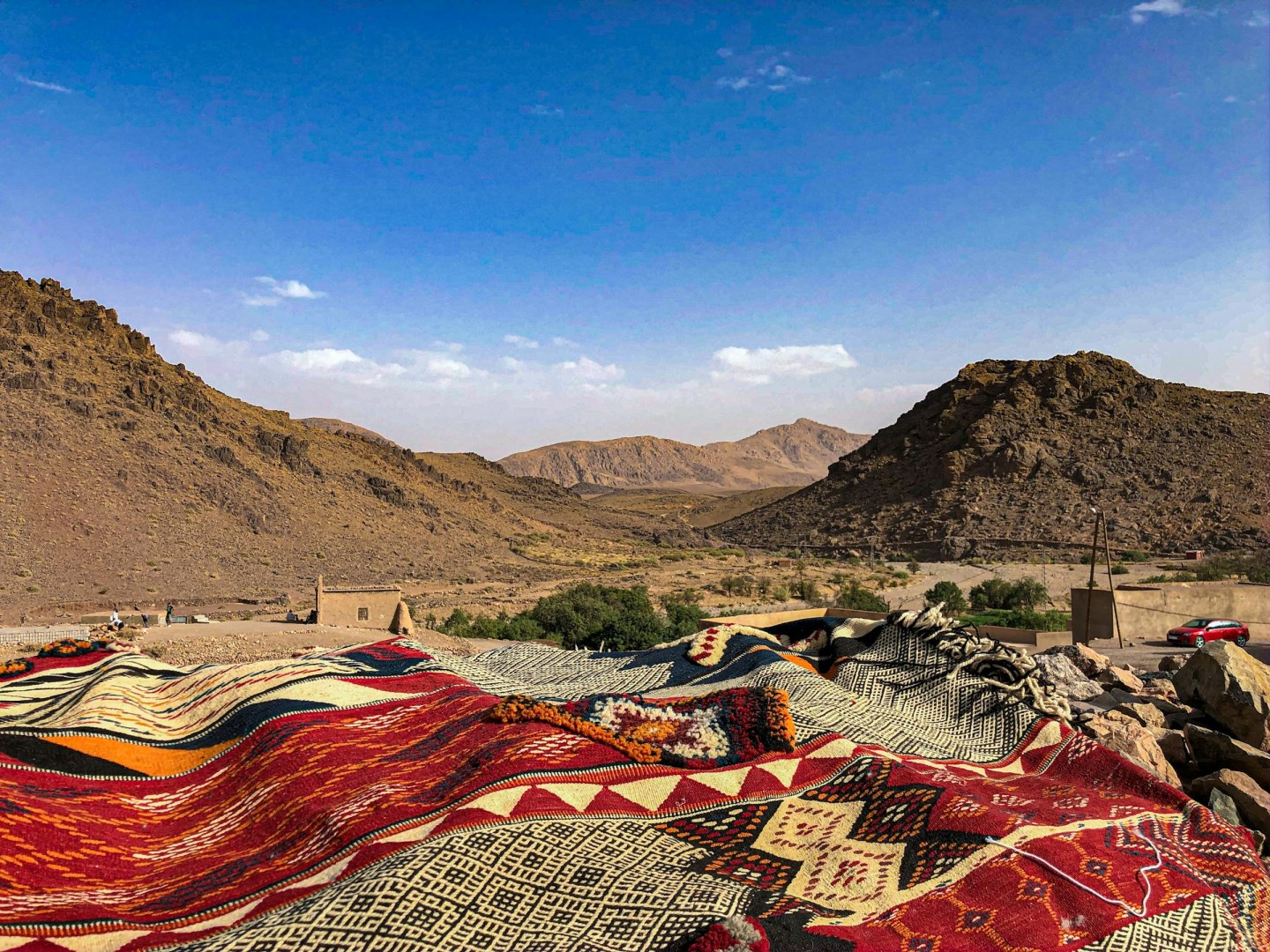
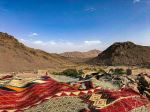
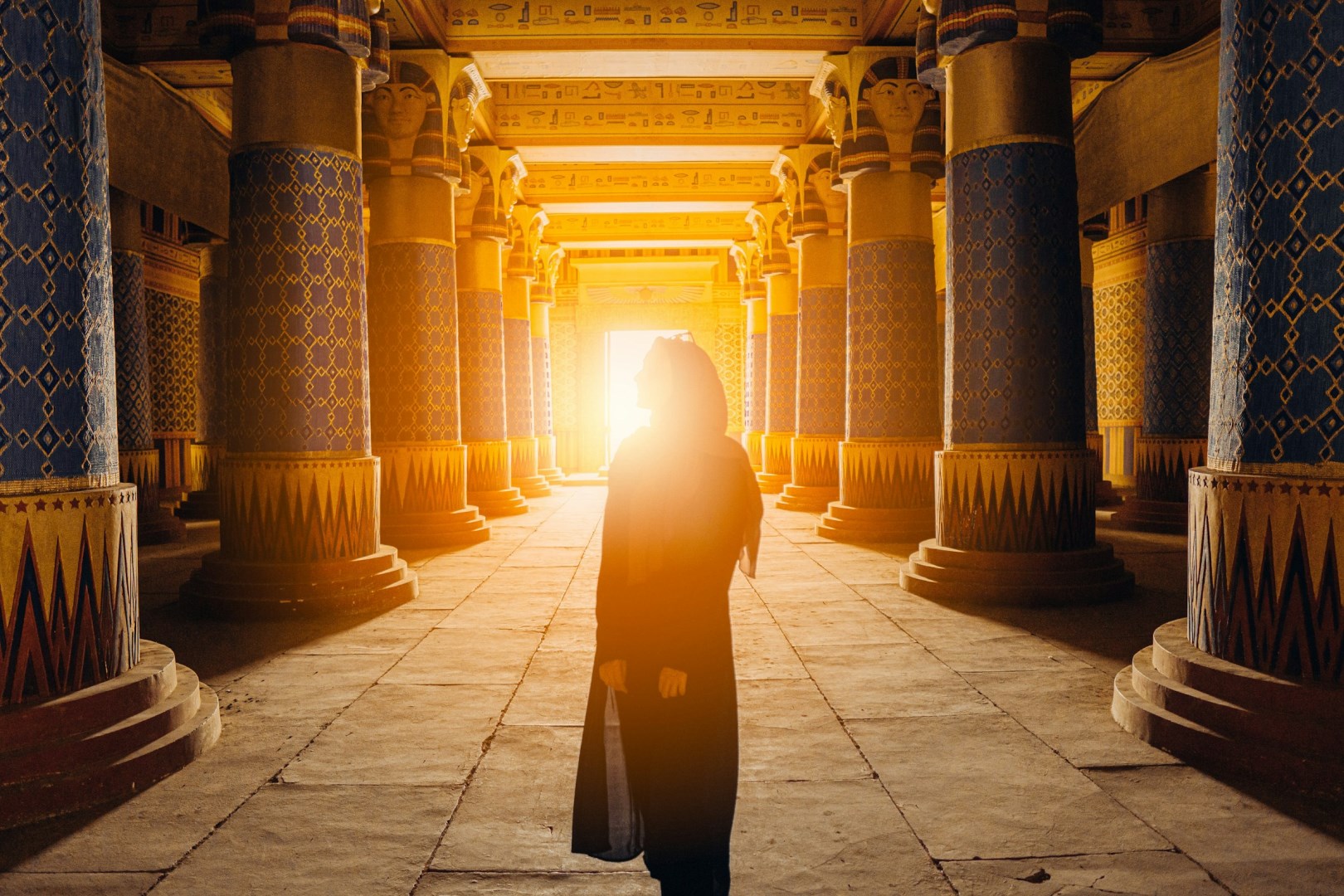
The whole south of Morocco is summarized in the historical, traditional and exotic sounding word "Ouarzazate". In Ouarzazate everything is calm, beautiful and fresh - the very image of the authentic south of Morocco, where time has stood still for centuries. The town has been located in three different places during its existence, two of them still inhabited
today. At 1,160 m altitude, Ouarzazate is a settlement of some twenty thousand inhabitants and offers all the amenities of a modern city. The town is proud of the great Somal mosque, the first stone of which was laid by King Mohammed V in 1958. Large luxury hotels welcome the many tourists who come to discover the exotic beauty of southern Morocco and life in the "pearl of the sands", as "Ouarzazate" is known.
Other Popular Destinations in Morocco

Marrakesh, a vibrant jewel in the heart of Morocco, is a city where ancient traditions blend seamlessly with modern allure. Known as the "Red City" for its rose-hued buildings and walls, Marrakesh offers a sensory experience unlike any other. The city’s medina, a UNESCO World Heritage Site, is a labyrinth of narrow alleyways, bustling souks, and hidden courtyards.
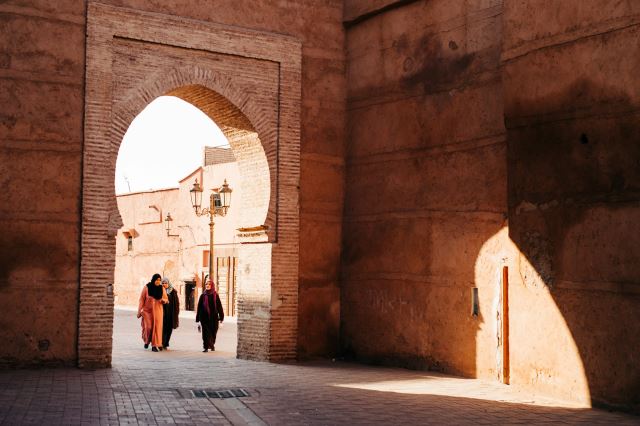
A series of gates surrounds the two centers of ancient, medieval Fez (sometimes spelled Fes). The principal axes link the center to the gates and a street surrounds the heart of the old city. The Kairouan quarter, which is longer, is crossed by an artery. Narrow, tortuous pedestrian streets, covered passages, stairs and numerous dead-ends make up the dense layout with few urban squares.
