


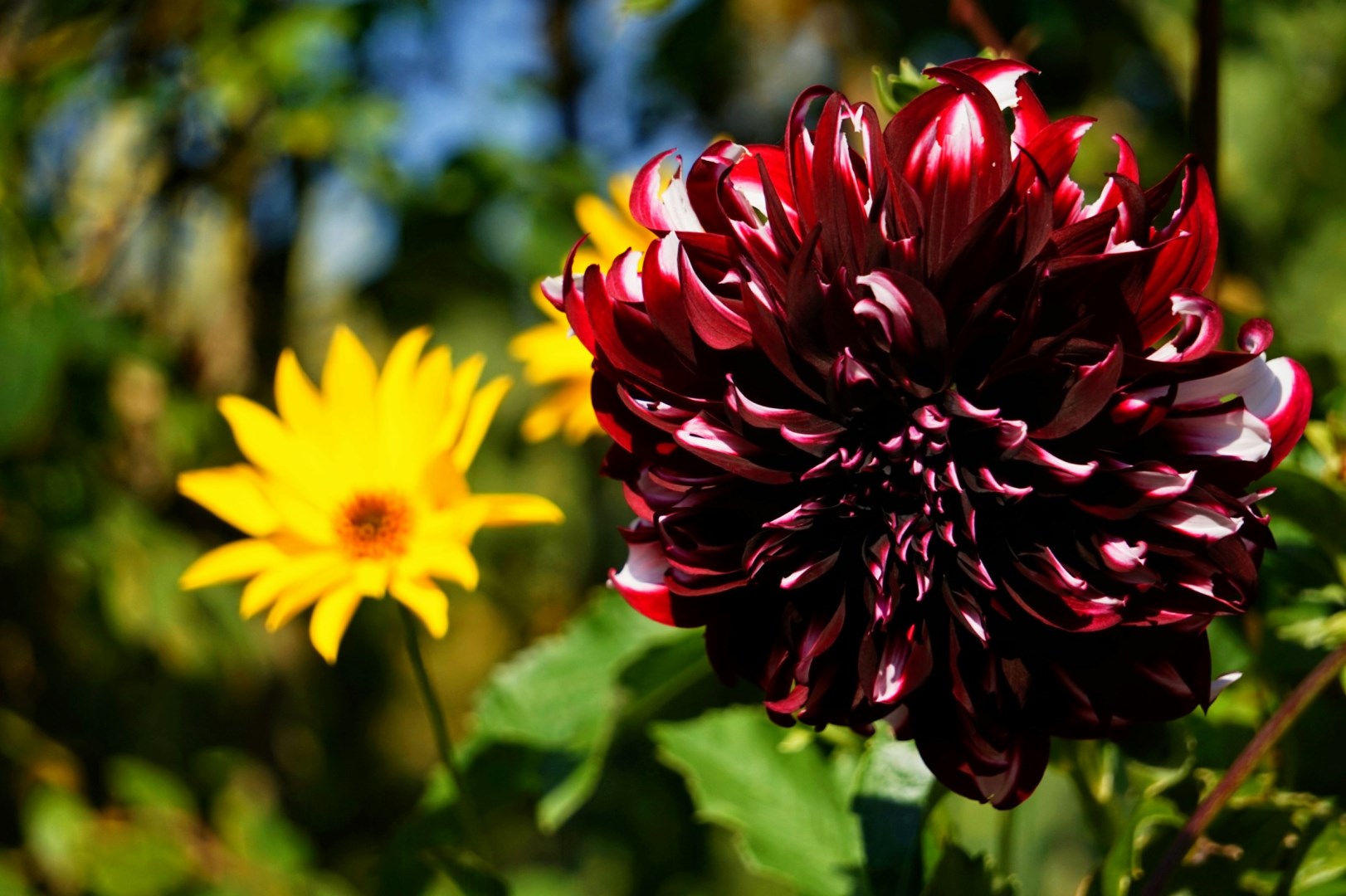
Giverny is a village in Normandy, France, best known for its close association with the painter Claude Monet and the gardens he created around his home. The village lies near the Seine and combines a small rural setting with attractions devoted to art and garden design. Monet’s house and gardens are the principal landmark, while the Musée des Impressionnismes Giverny explores the broader history of Impressionism and related artistic movements. The village’s identity remains closely connected with the gardens, landscapes, and artistic community that developed around Monet’s presence there.
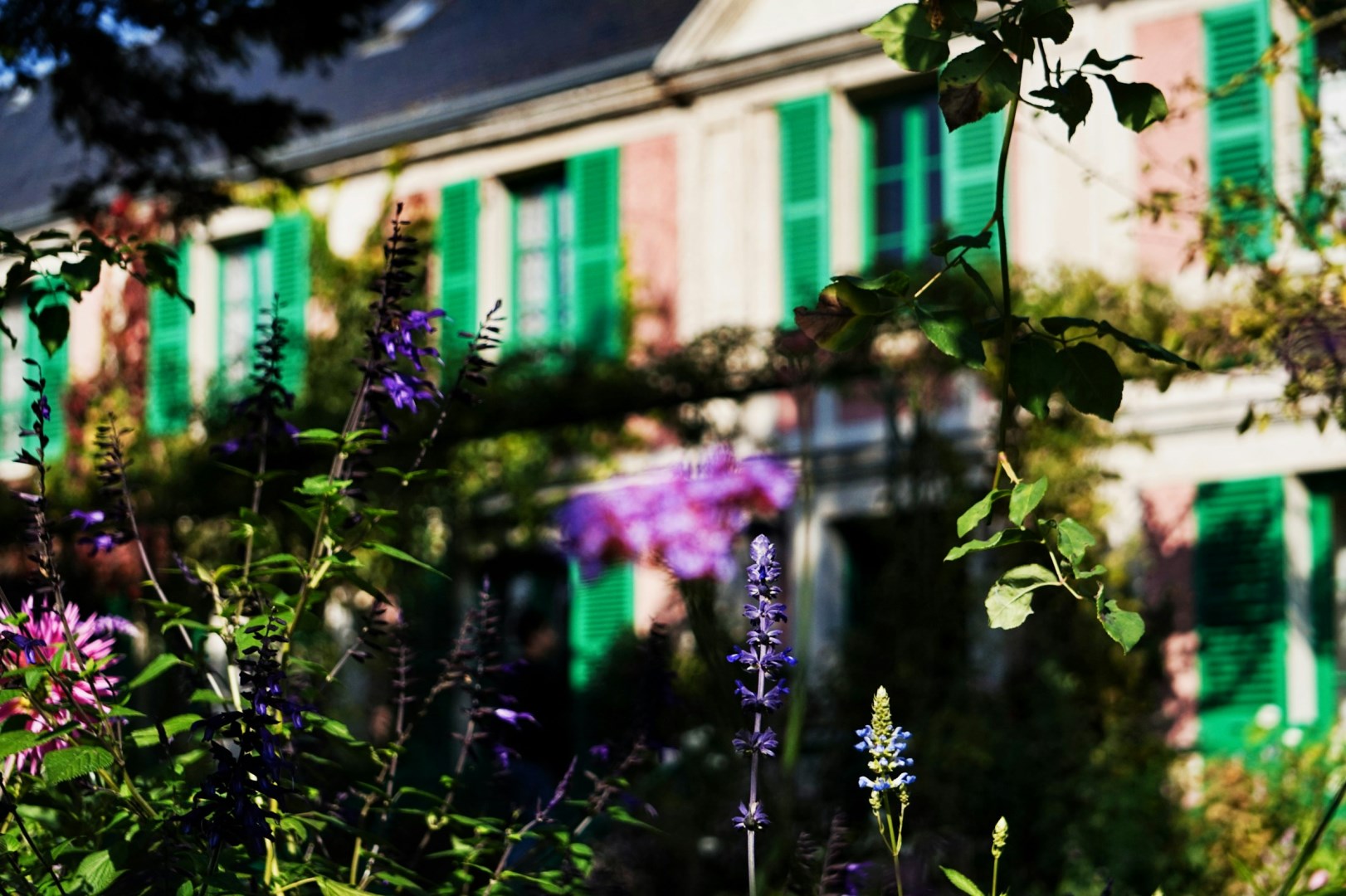
Claude Monet moved to Giverny and lived there for more than four decades, developing the house and gardens as both a home and a source of artistic inspiration. The Fondation Monet now preserves the property, including the house, the Clos Normand flower garden, and the Water Garden with its Japanese bridge and pond. Inside the house, visitors can see rooms arranged to reflect Monet’s domestic life and a collection of Japanese woodblock prints, which influenced his artistic interests.
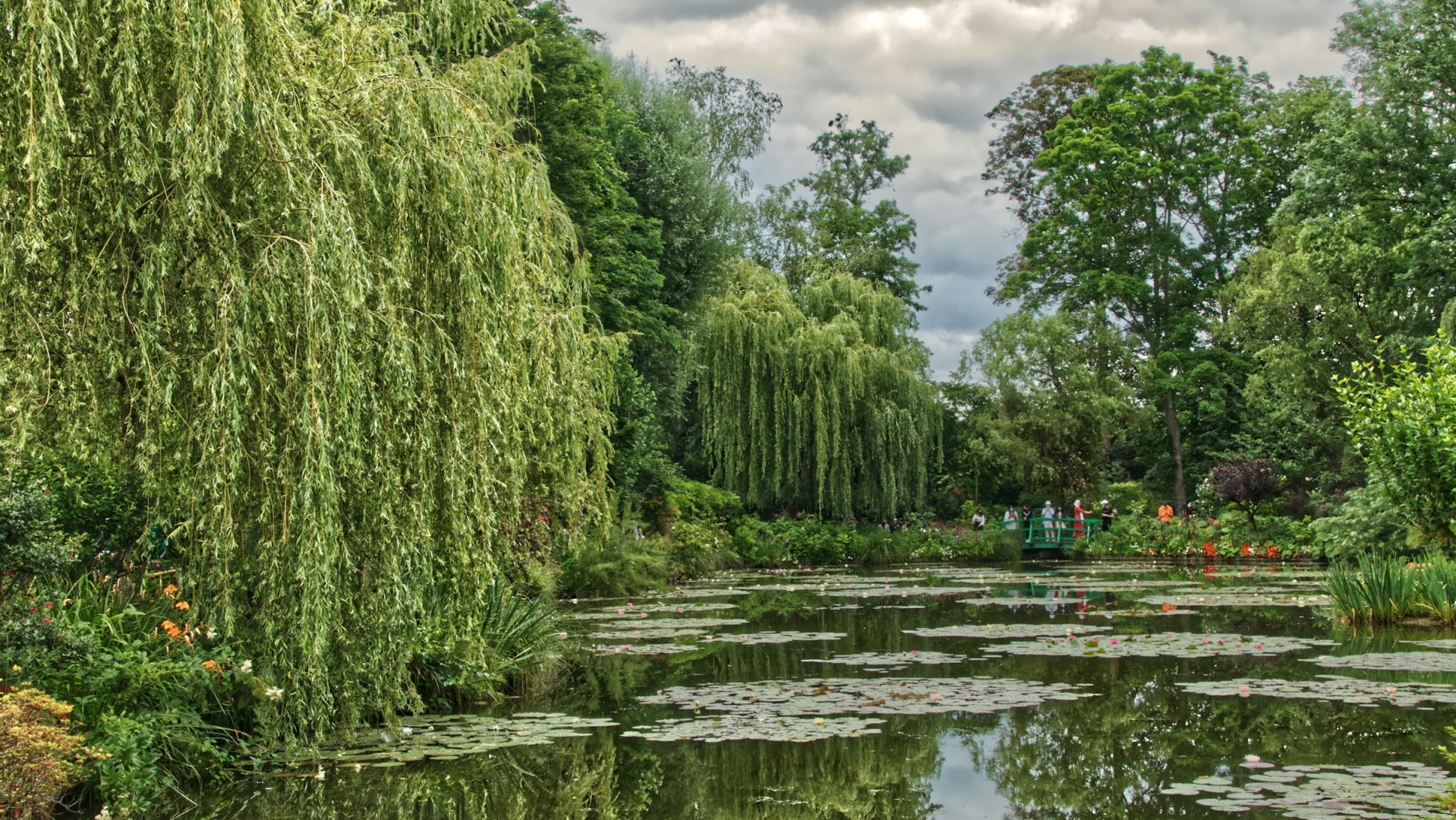
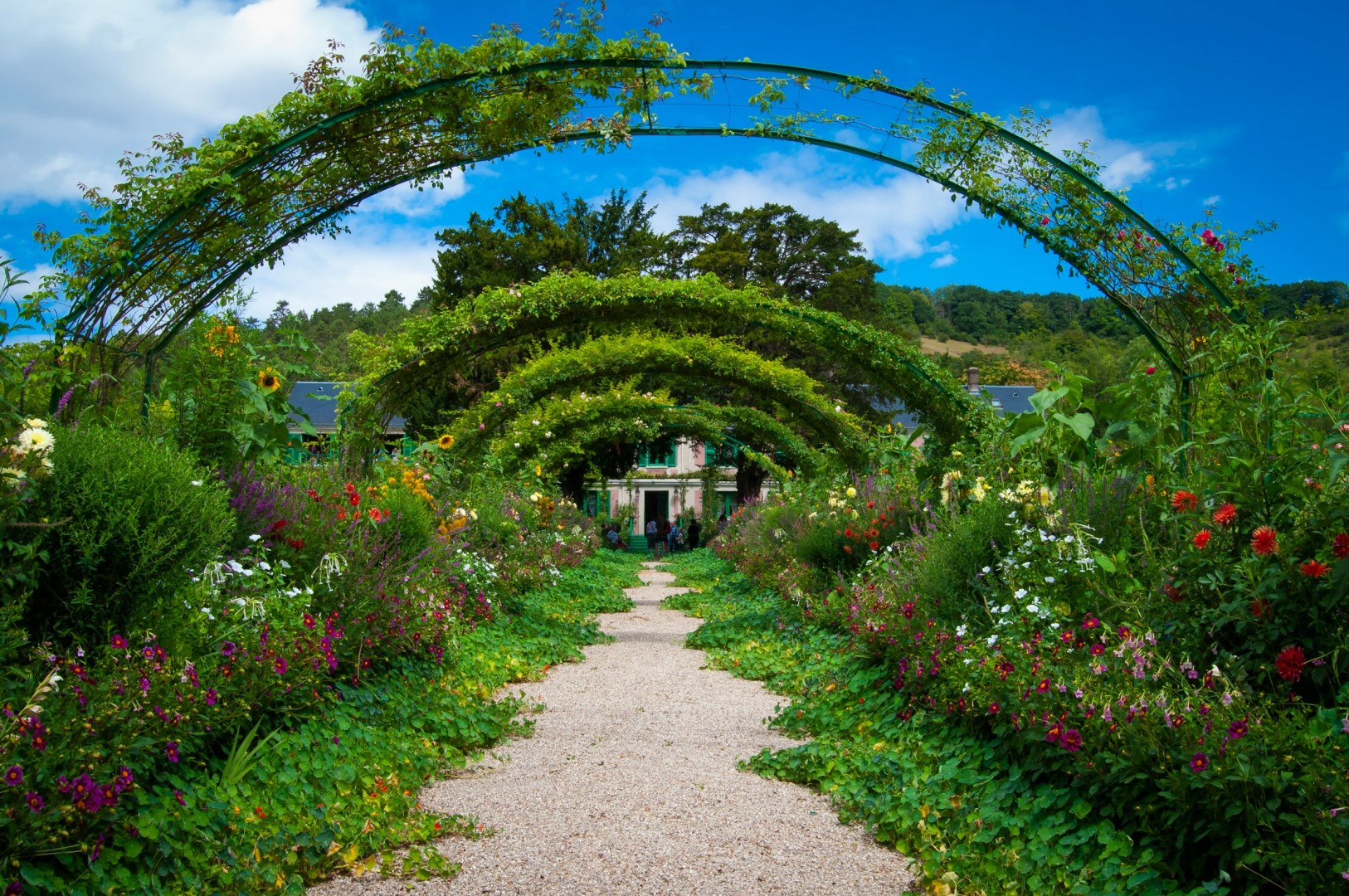
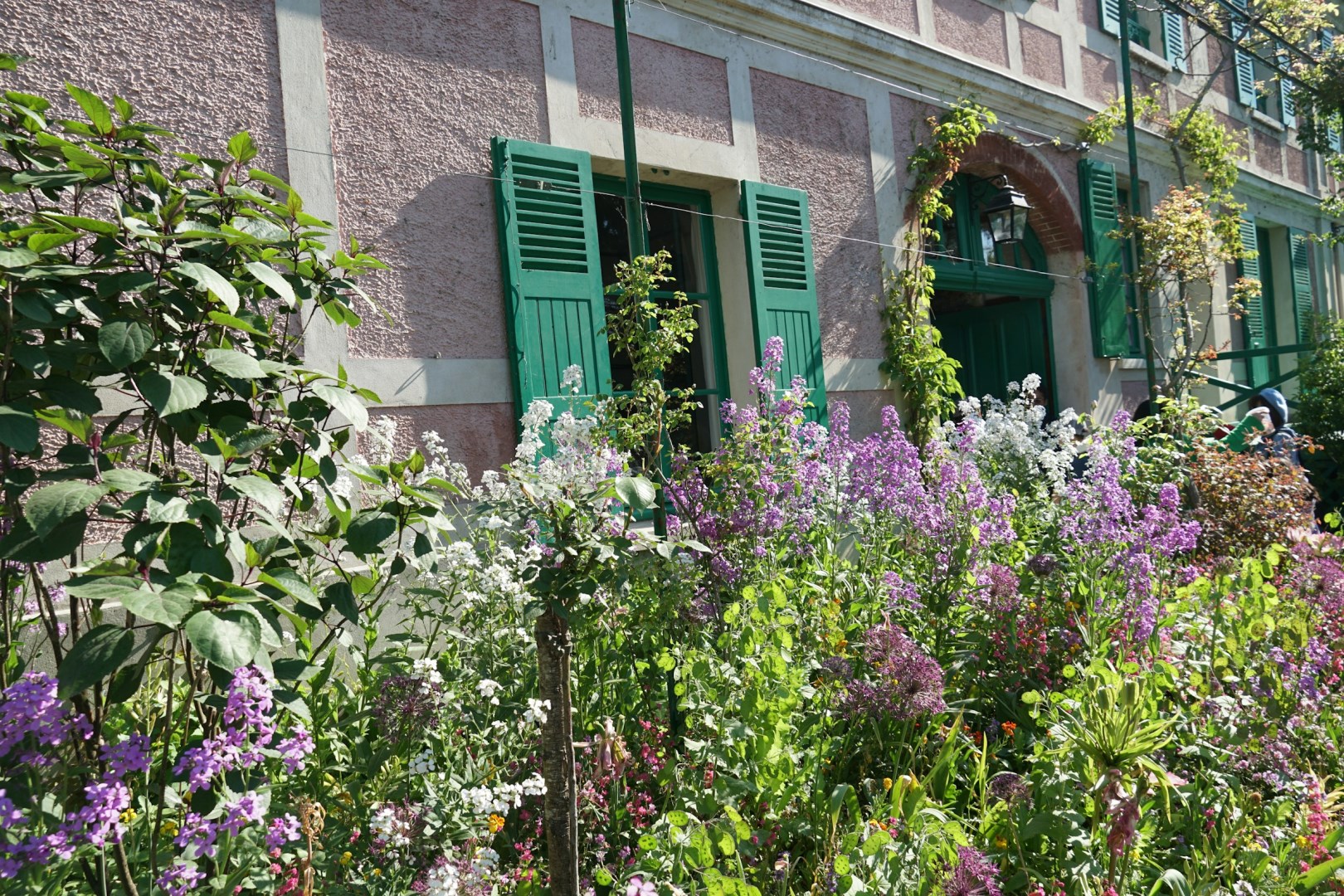
The gardens are the central attraction, with the Clos Normand arranged around broad flower beds containing seasonal plants, climbing roses, and other carefully selected species. Across the road, the Water Garden features the pond and Japanese-style bridge associated with Monet’s paintings of water lilies. Giverny also has walking routes through the surrounding countryside, while the Musée des Impressionnismes presents exhibitions examining Impressionist art and its influence. The village’s small scale allows these cultural attractions to be explored alongside its traditional houses, gardens, and rural landscape.
Giverny’s connection with gardening is particularly visible in the way Monet’s property combines art and horticulture rather than treating the garden simply as a decorative setting. The Water Garden was shaped around plants such as water lilies, while the Clos Normand contains flowers selected for changing colors and seasonal displays. The village also contains restaurants, cafés, and galleries serving visitors to the gardens and museum. Together, these sites explain why Giverny is closely associated with Monet’s paintings while also providing a view of the Normandy landscape that surrounded his home.
Learn More About Giverny
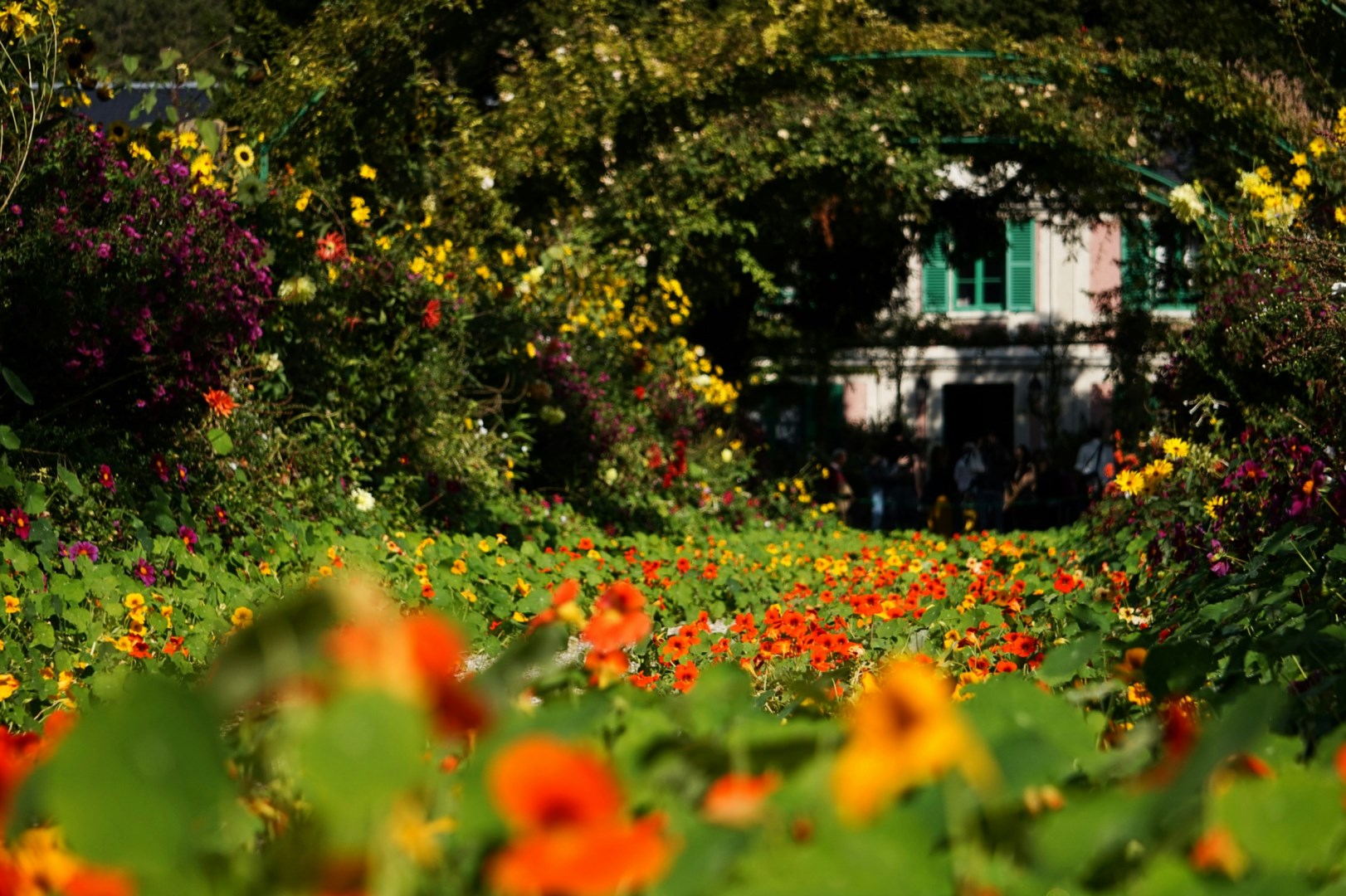
Monet’s Garden in Giverny is the former home and garden of Claude Monet, preserved by the Fondation Claude Monet in Normandy, France. The property is divided into two distinct areas: the Clos Normand flower garden in front of the house and the Water Garden across the road. The Clos Normand contains broad flower beds, climbing roses, fruit trees, and seasonal plants arranged in informal combinations of color and form. The Water Garden includes the famous lily pond, a Japanese-style bridge, and plantings of willows, bamboo, wisteria, and other vegetation that frame the water.
The garden was an important part of Monet’s life and artistic work, with its plants, water, reflections, and changing light providing subjects for many of his paintings. The Water Garden was developed around a pond that Monet expanded and landscaped, eventually creating the setting associated with his celebrated water-lily series. The Japanese-style bridge became a recurring feature in his paintings, while the lily pond allowed him to study reflections and changing colors on the water. Today, visitors can walk through the same garden spaces while seeing the landscape that influenced these works.
The Clos Normand is designed around long paths and flower beds planted with a wide range of annuals, perennials, bulbs, roses, and climbing plants. Rather than separating flowers by species, the garden combines plants according to height, texture, and color, creating different views along the paths. The Water Garden has a more secluded character, with the pond surrounded by trees and shrubs and crossed by the green bridge. Together, the two gardens show how Monet treated gardening as a creative activity and made the landscape itself part of his artistic practice.
Other Popular Destinations in France