
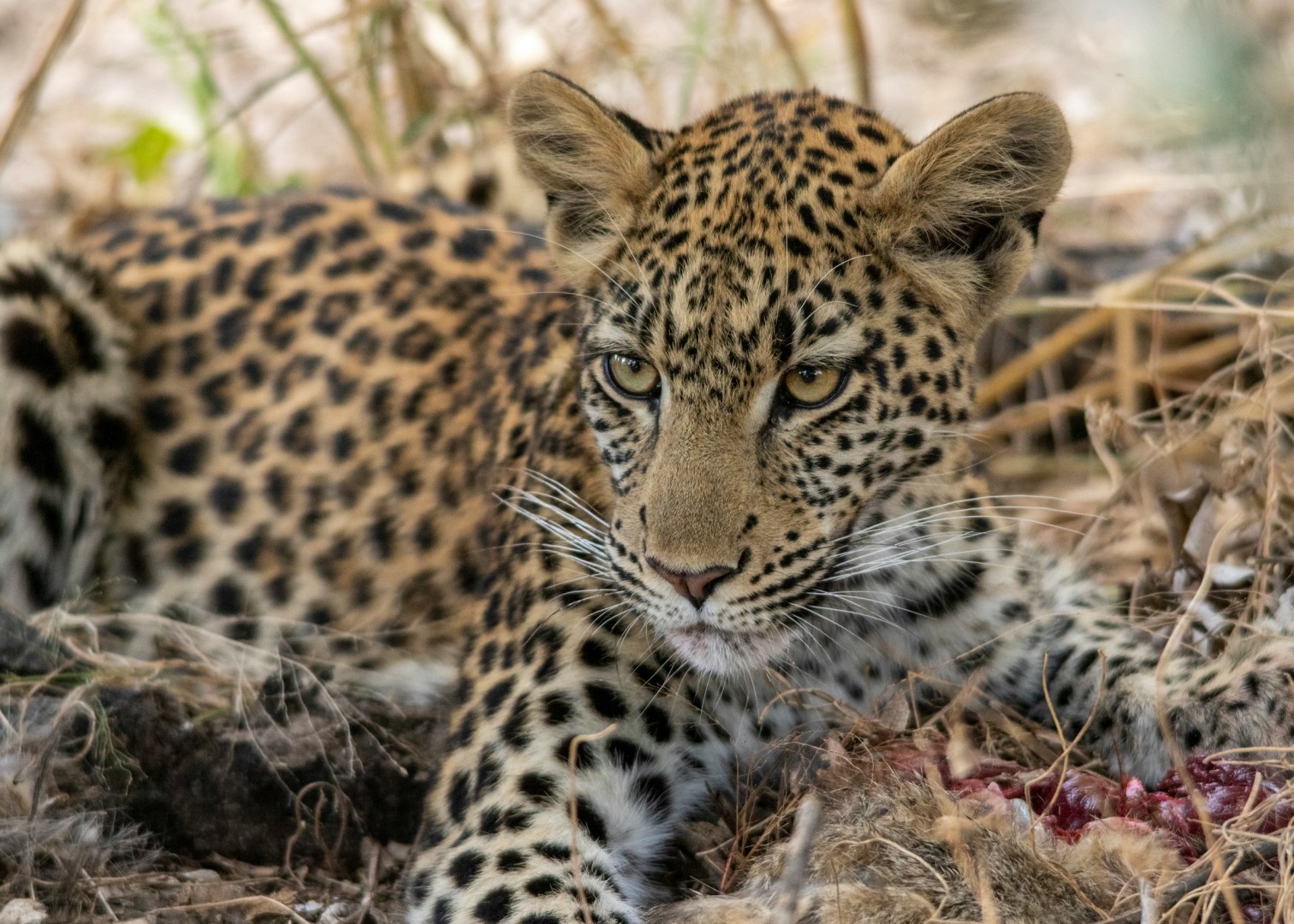

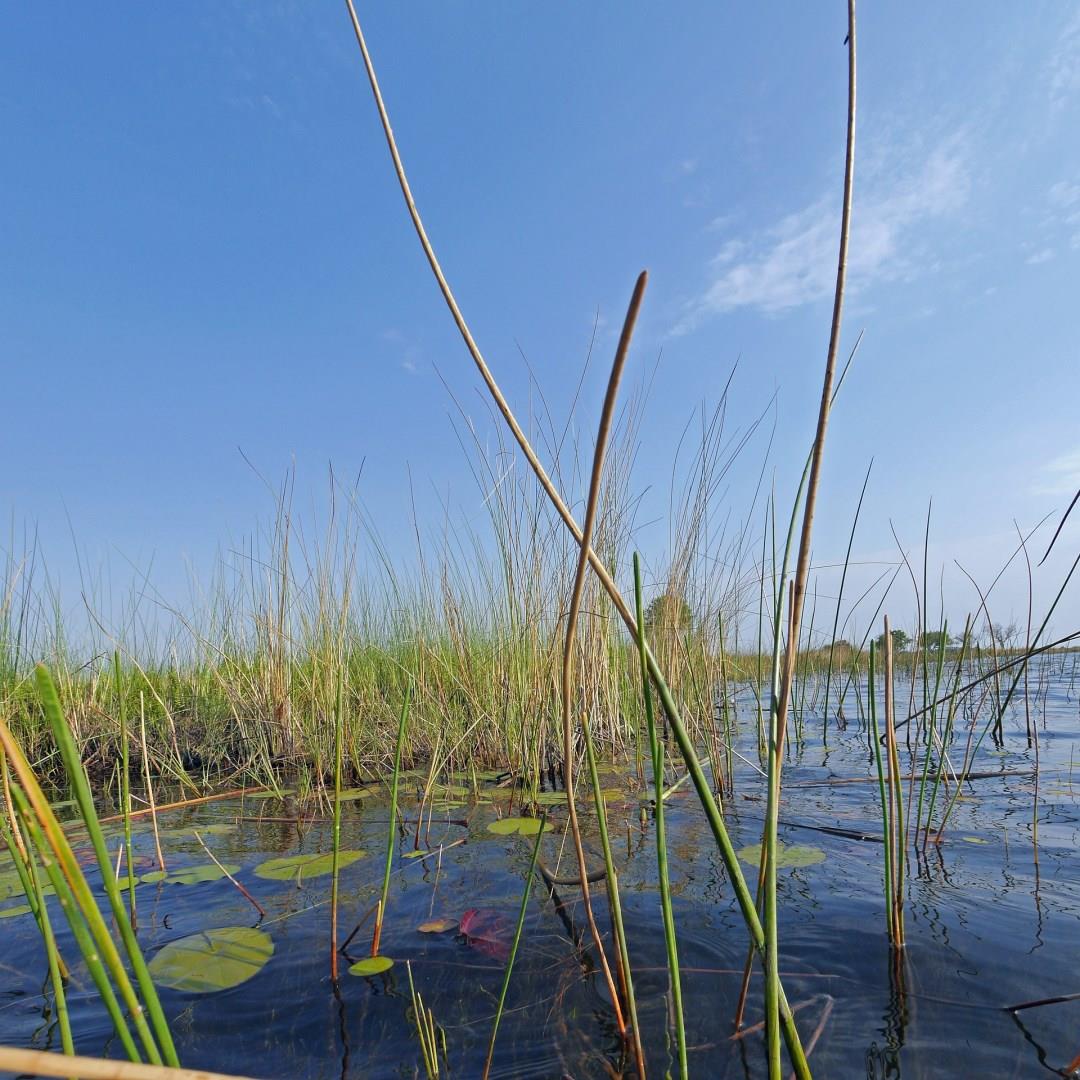




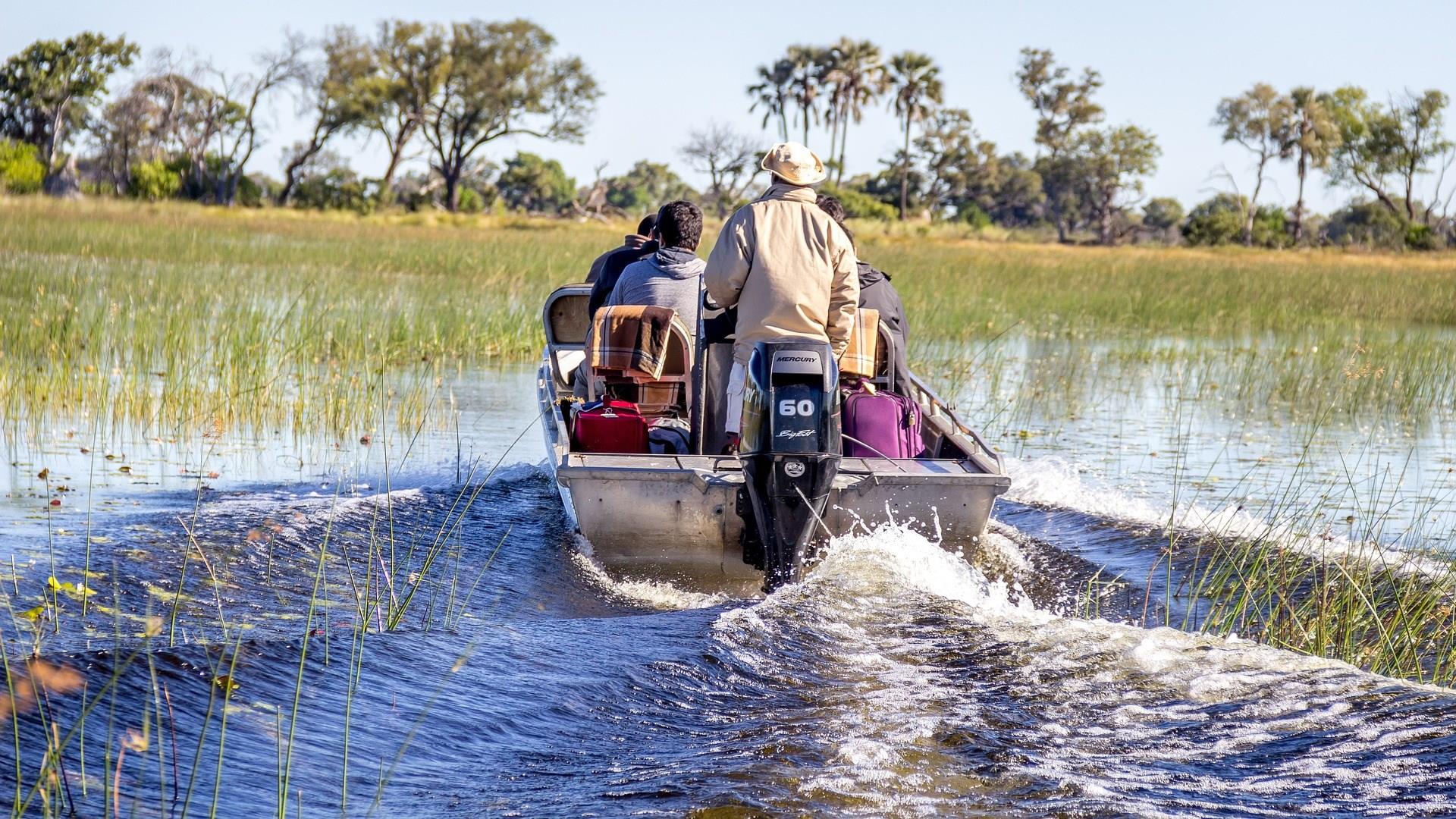

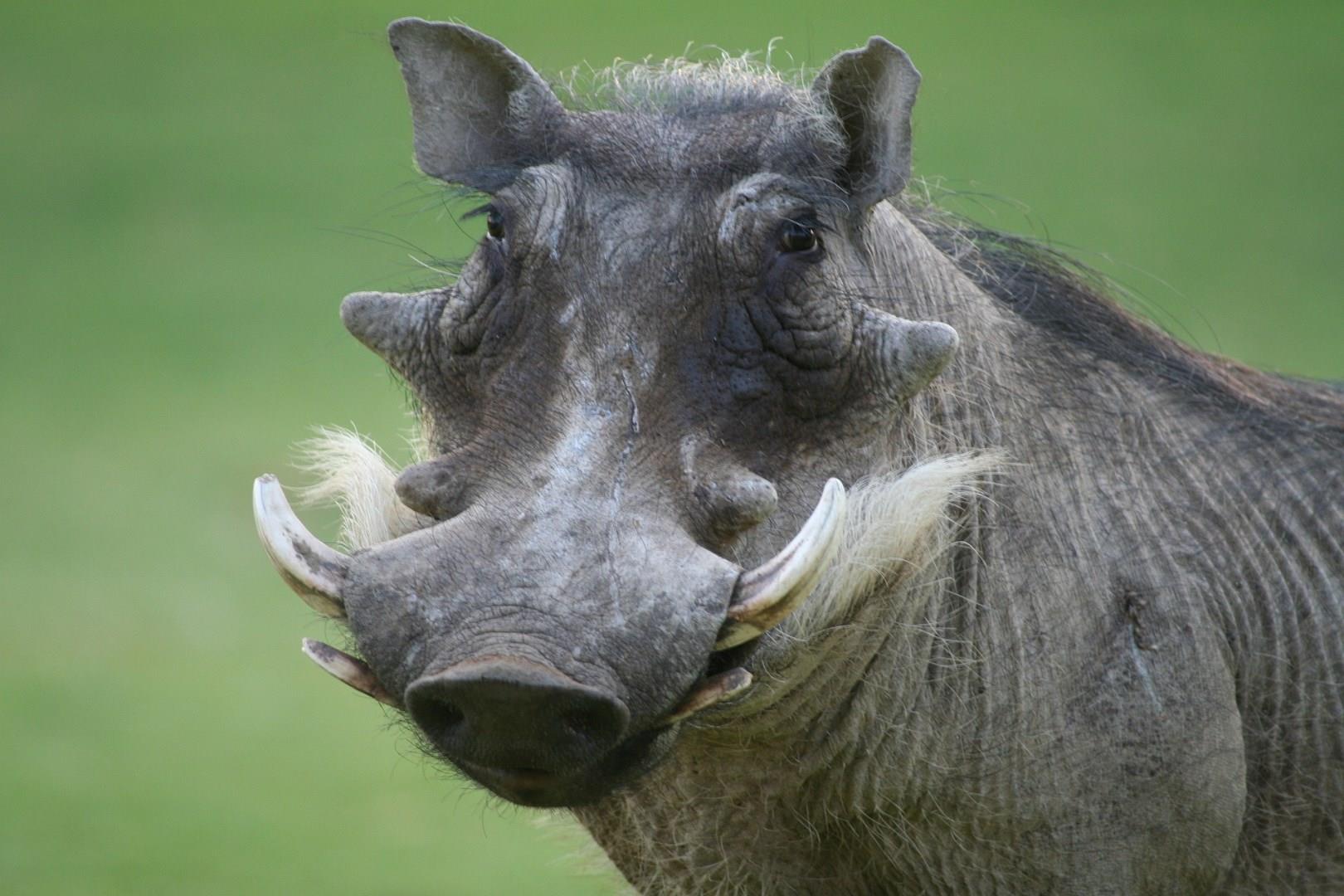

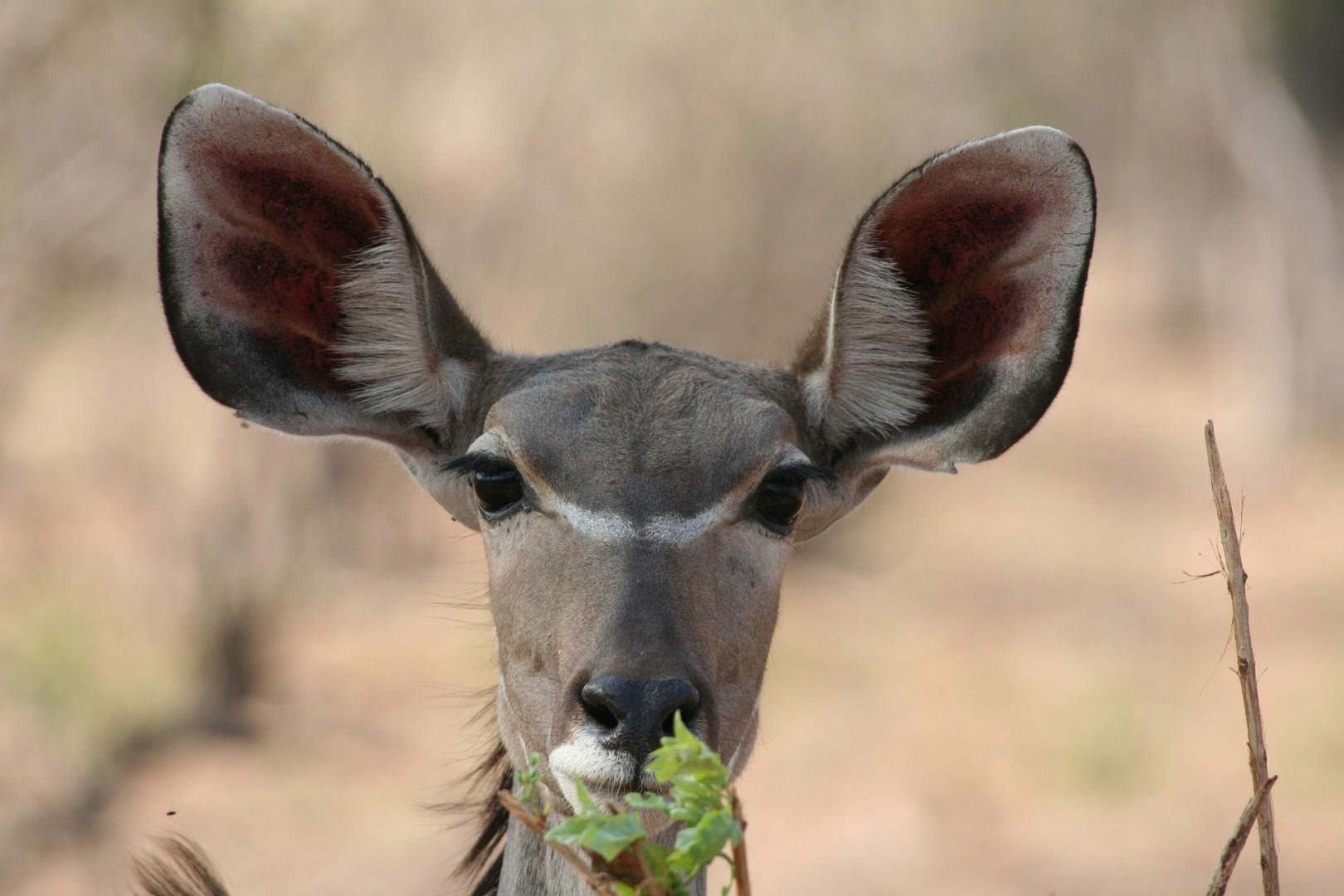

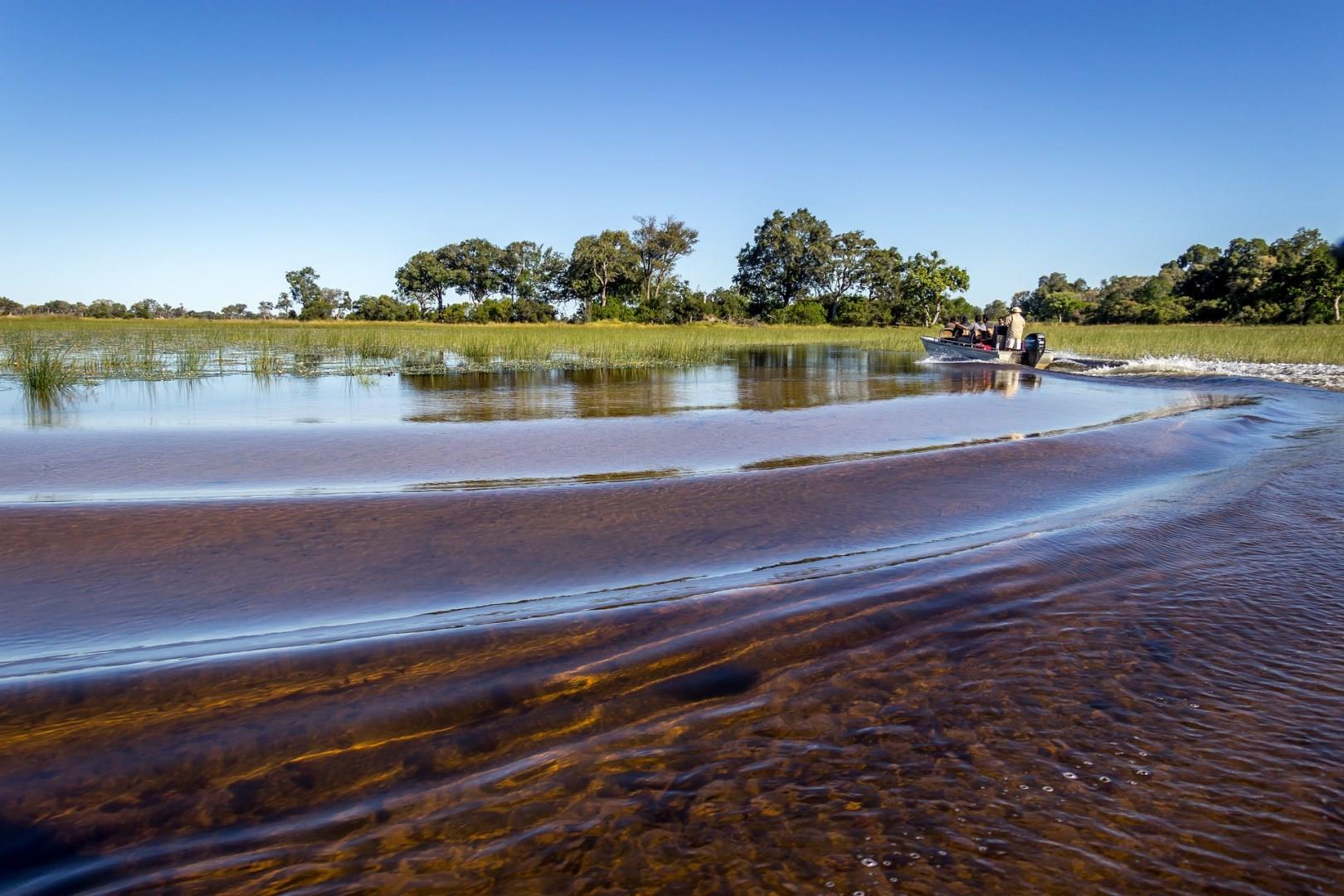

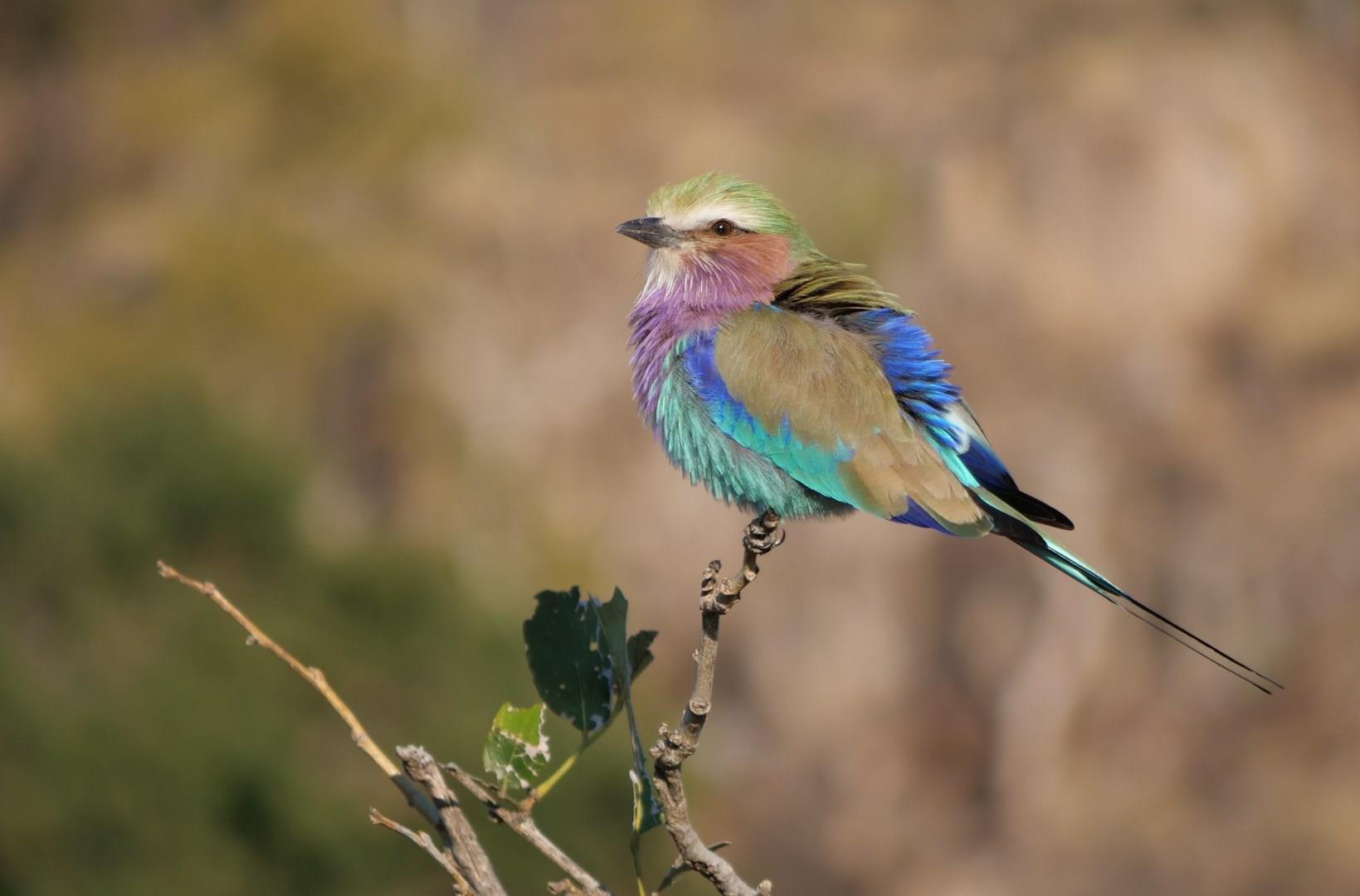

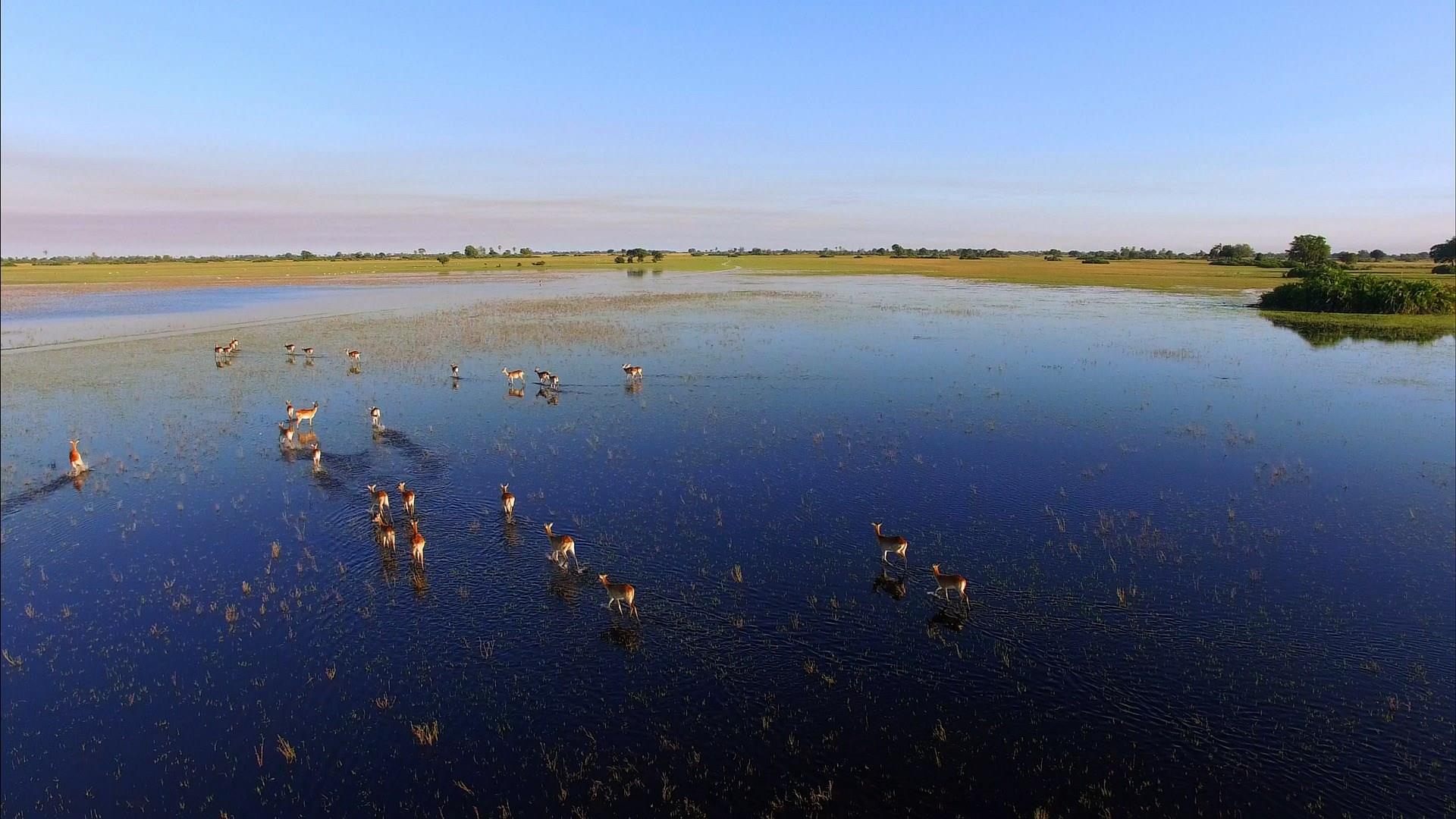

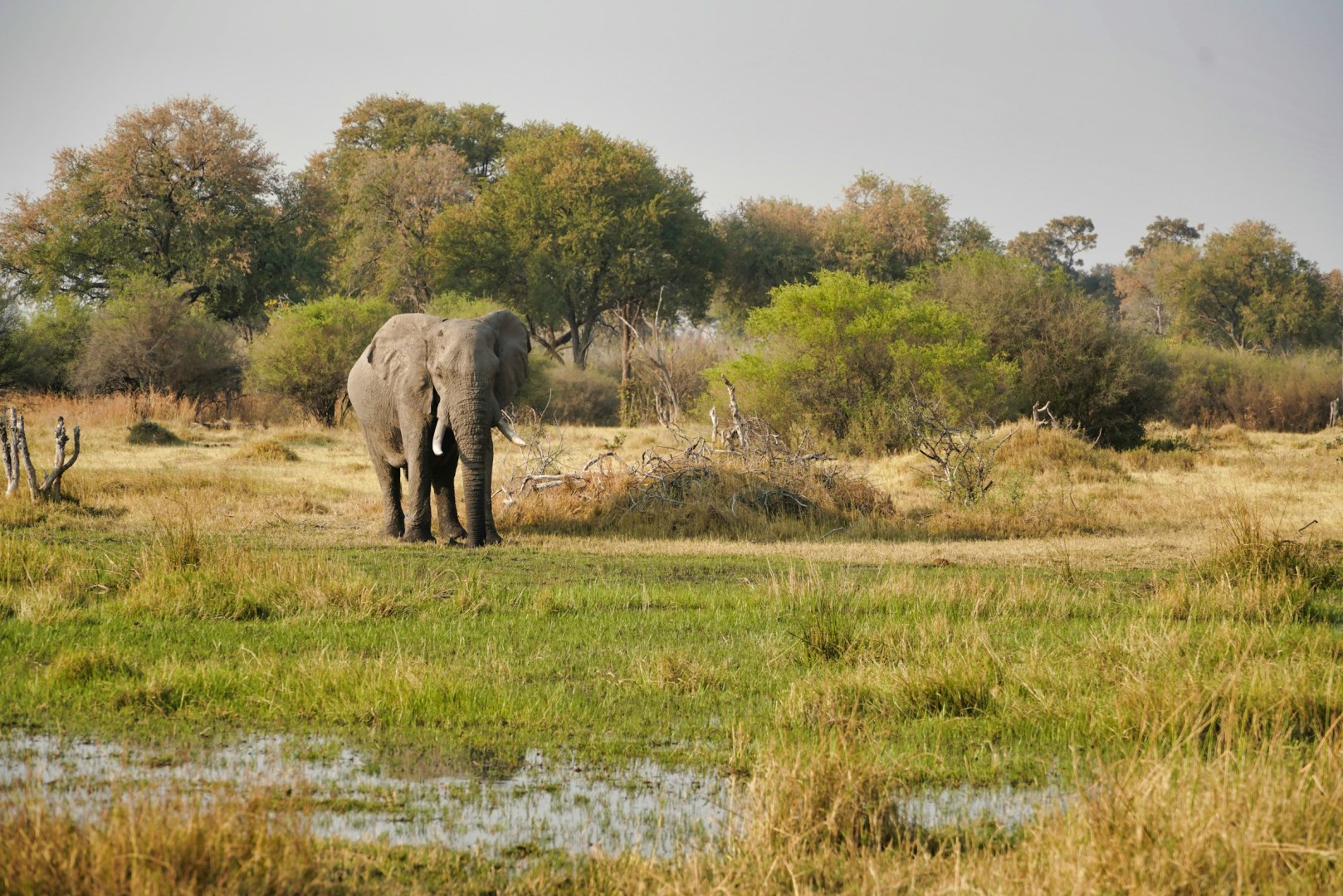
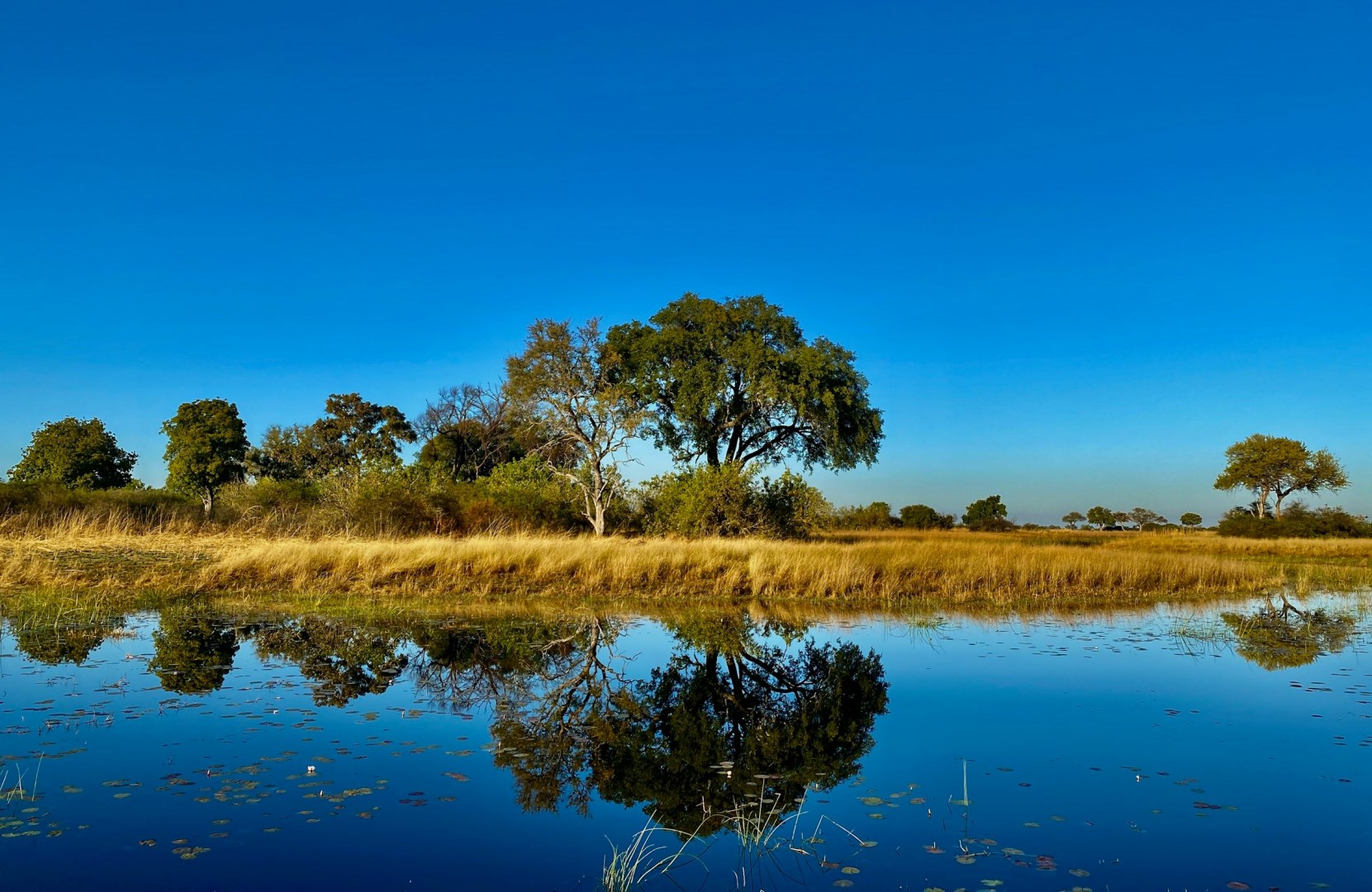
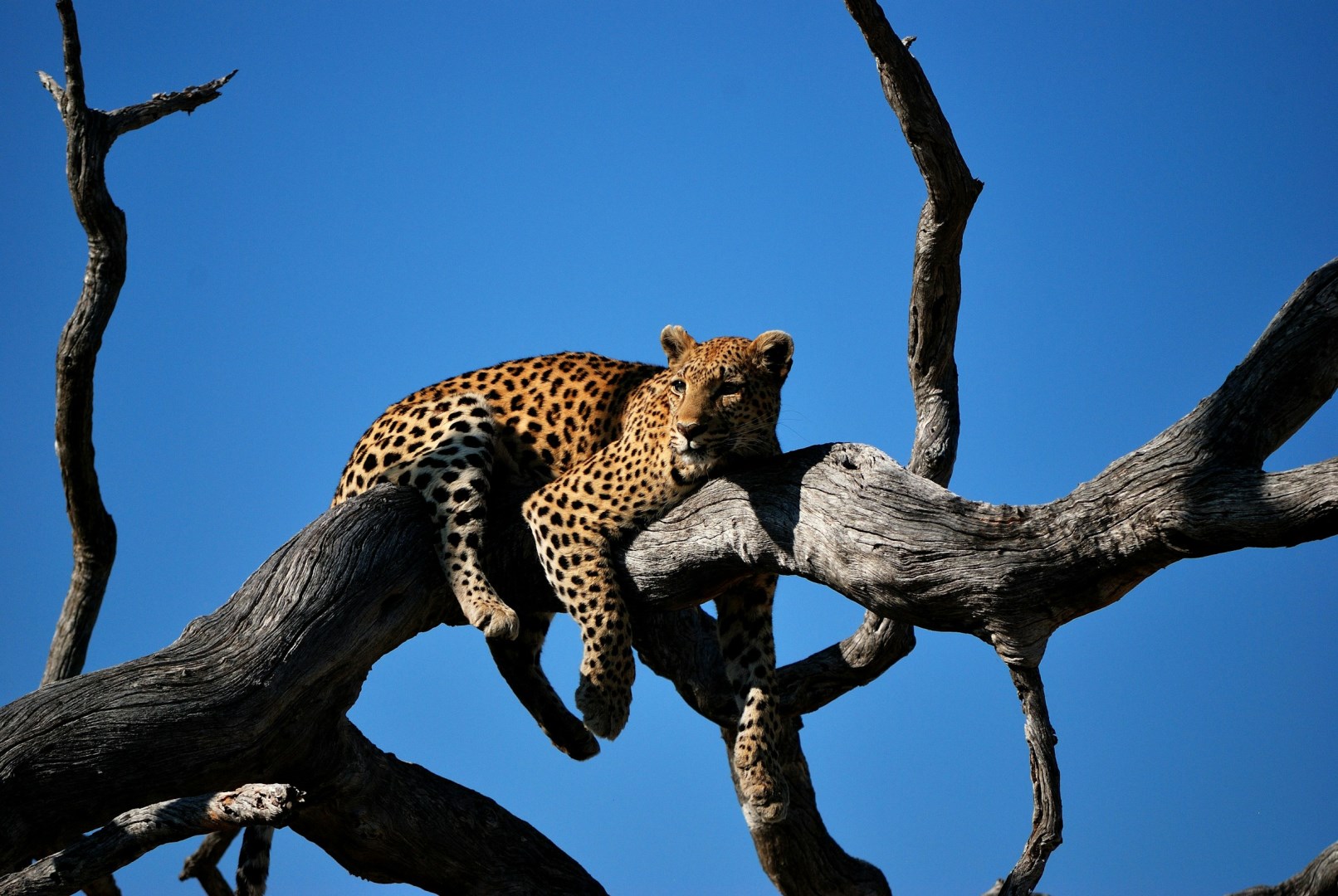
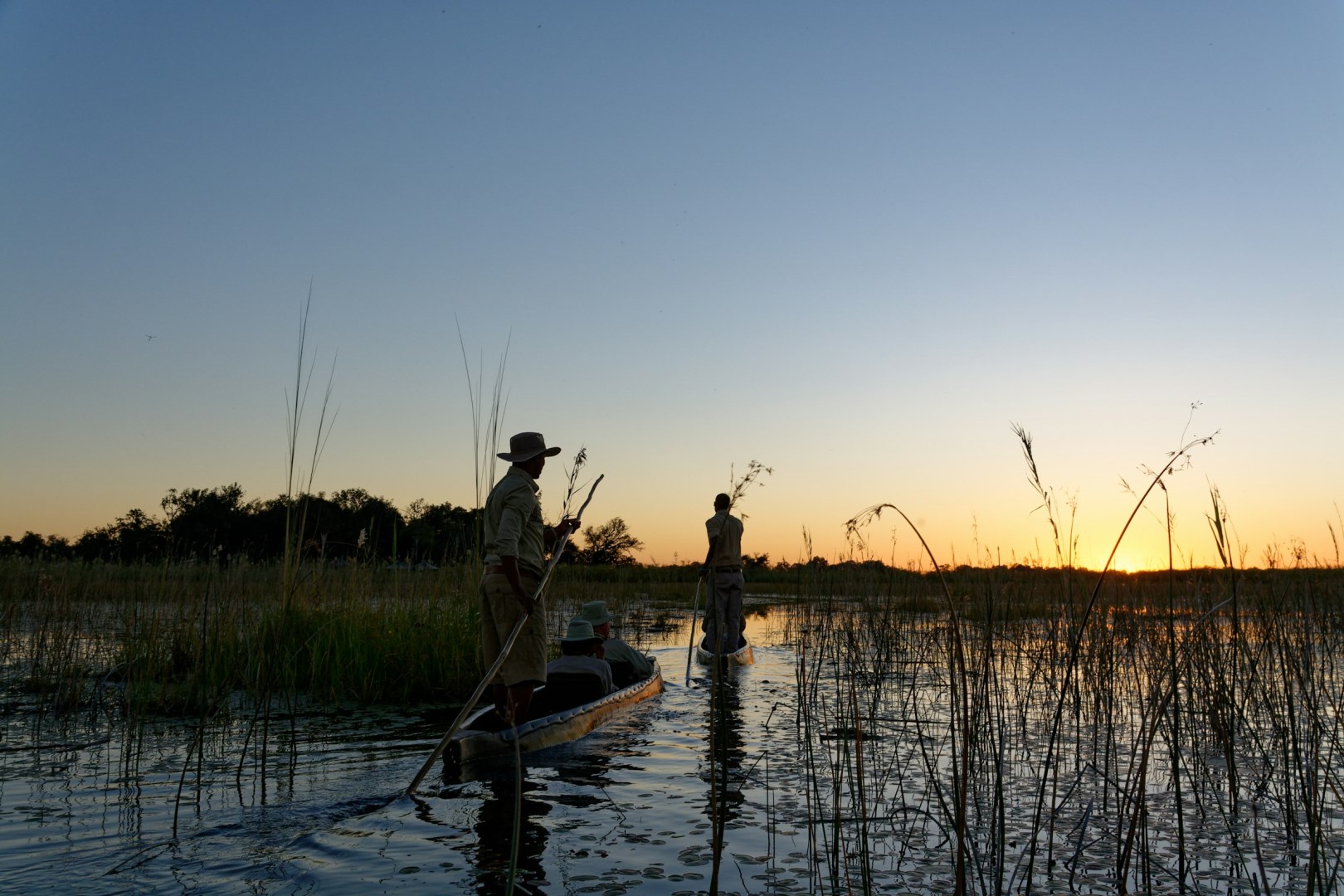
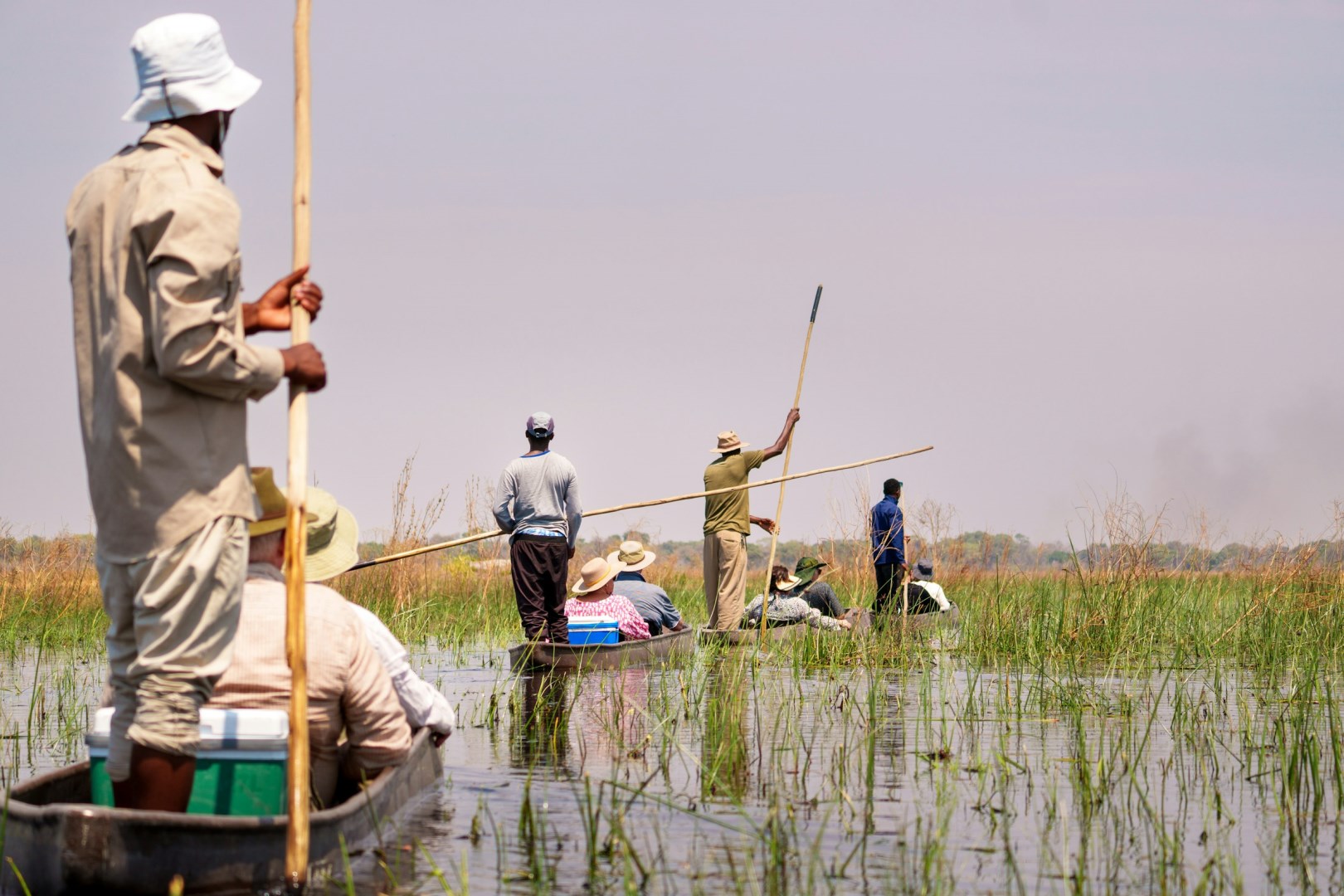
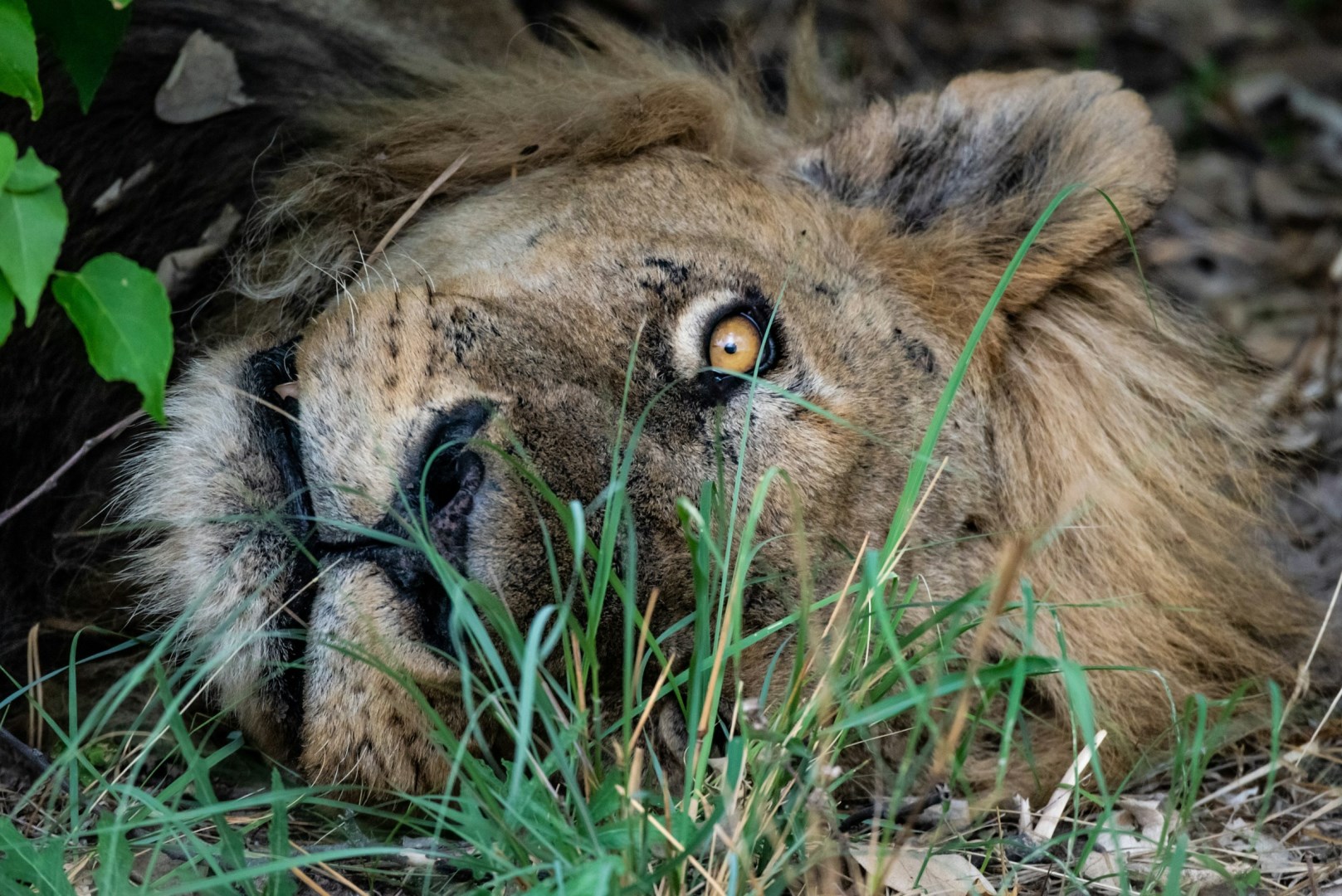
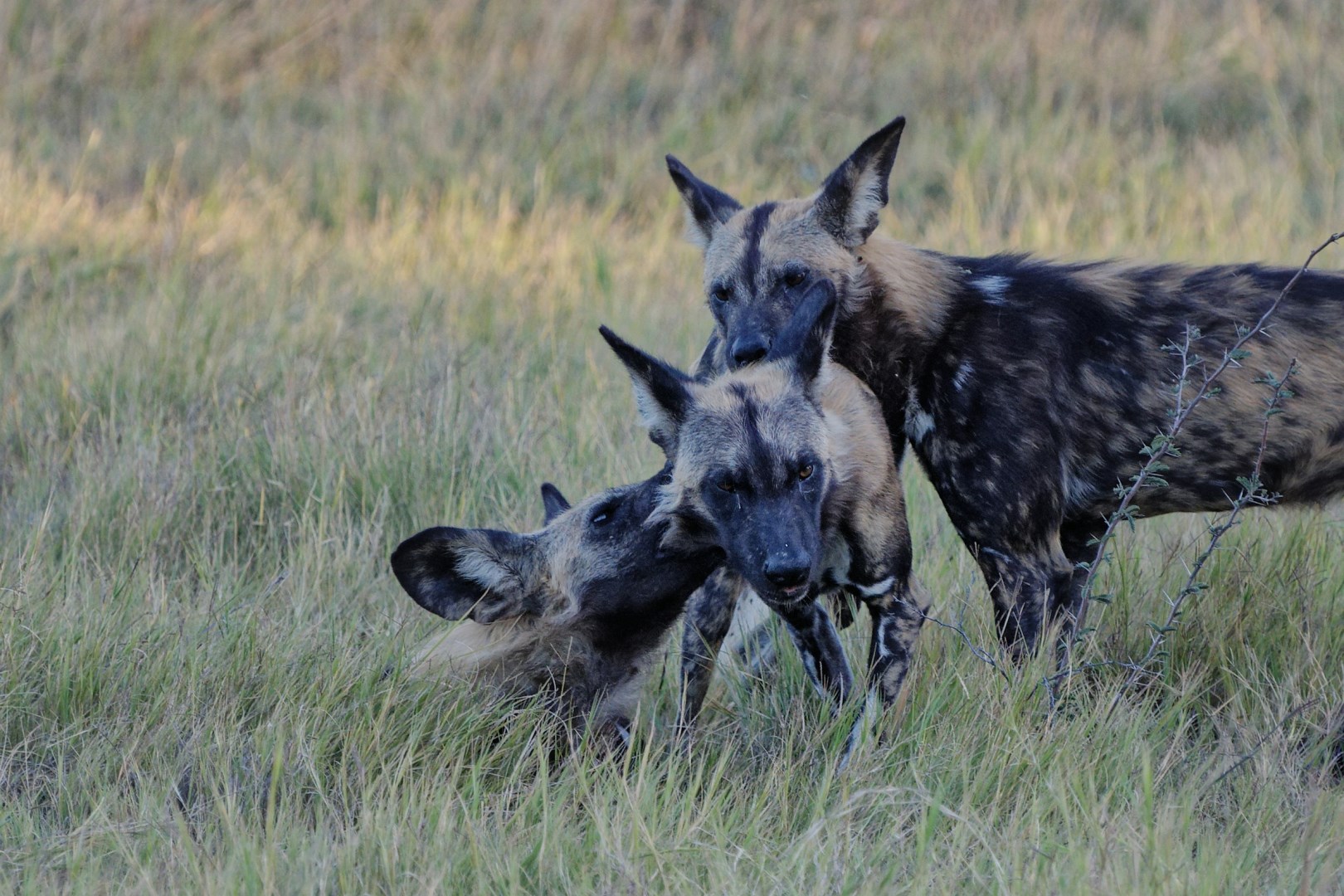

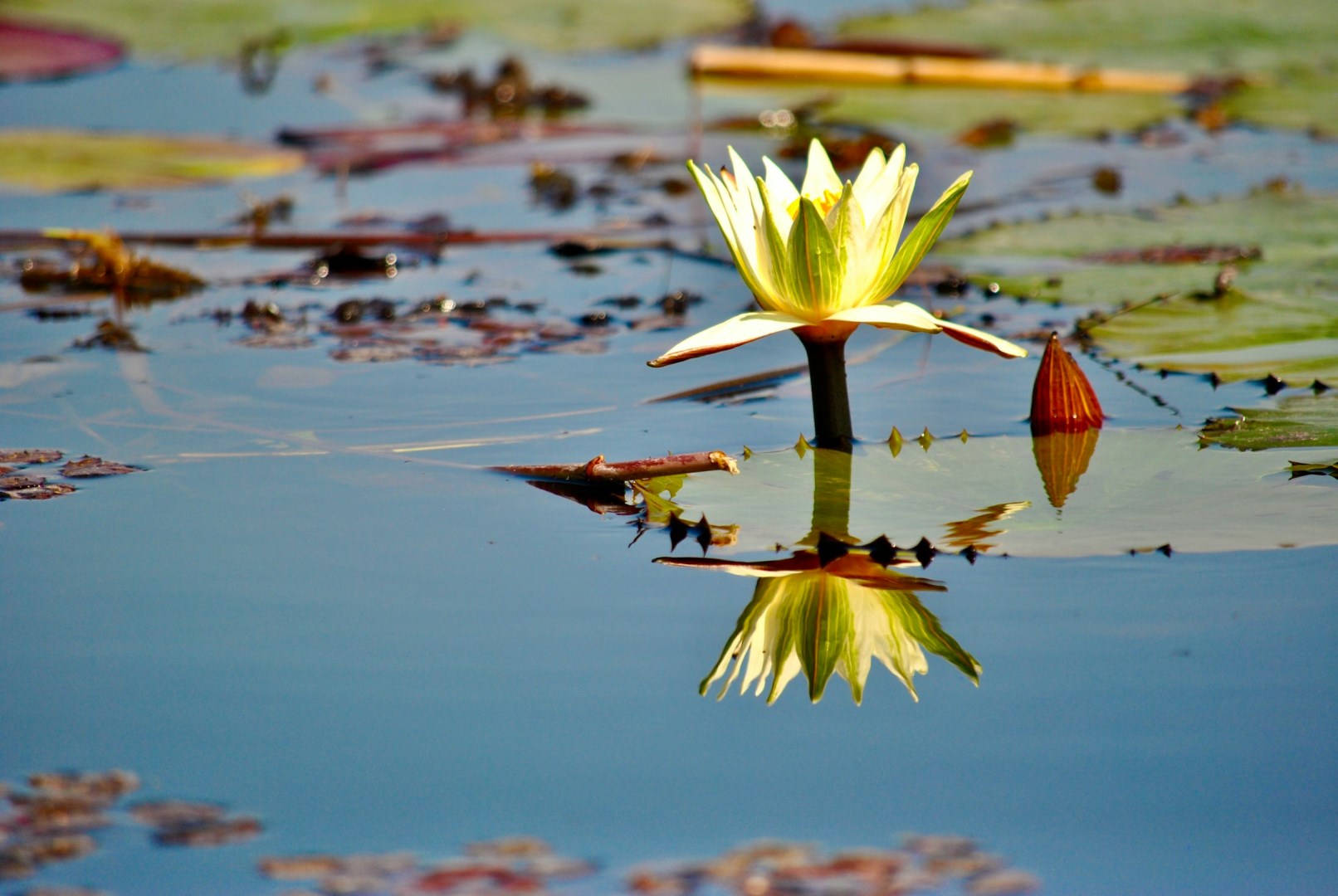
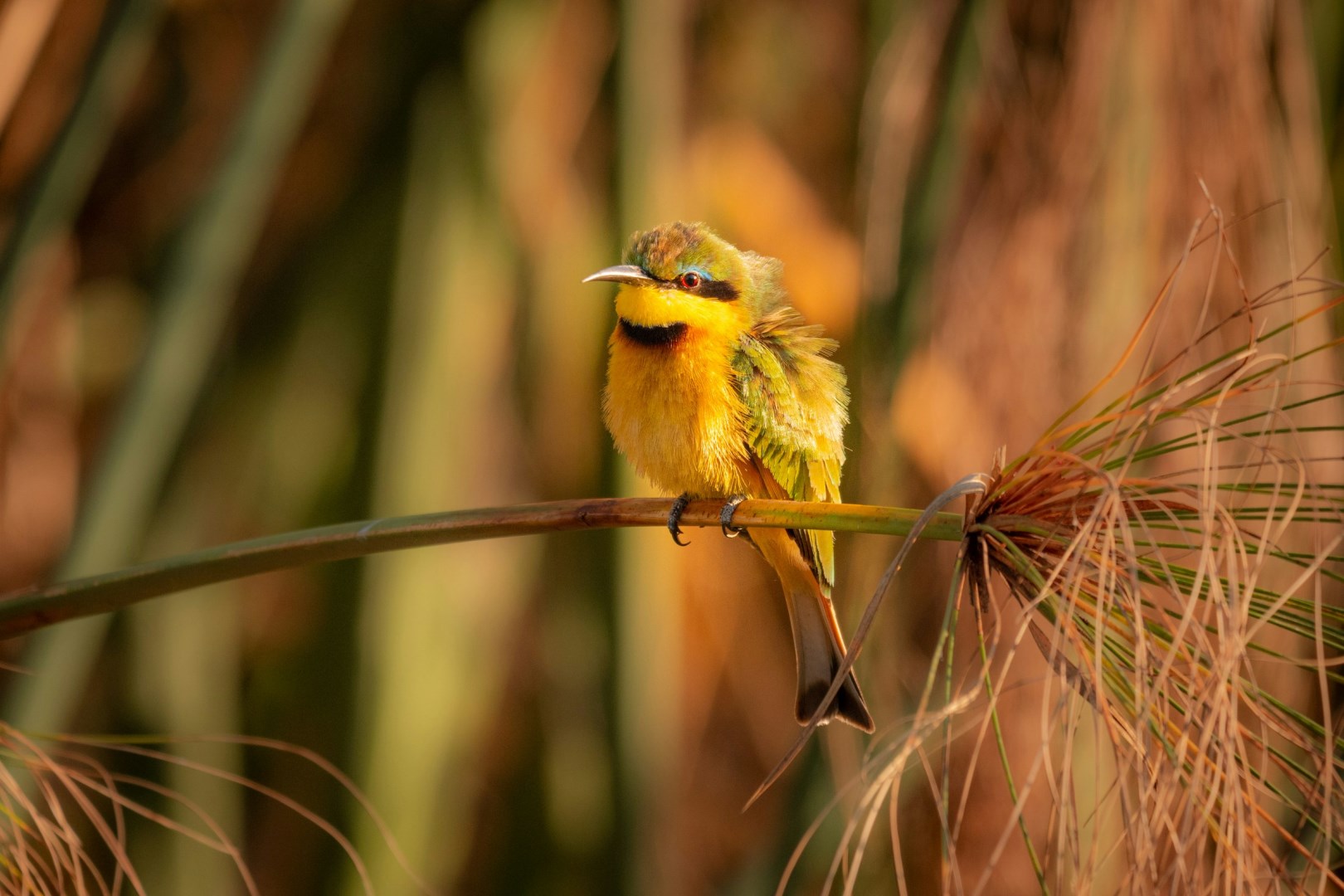
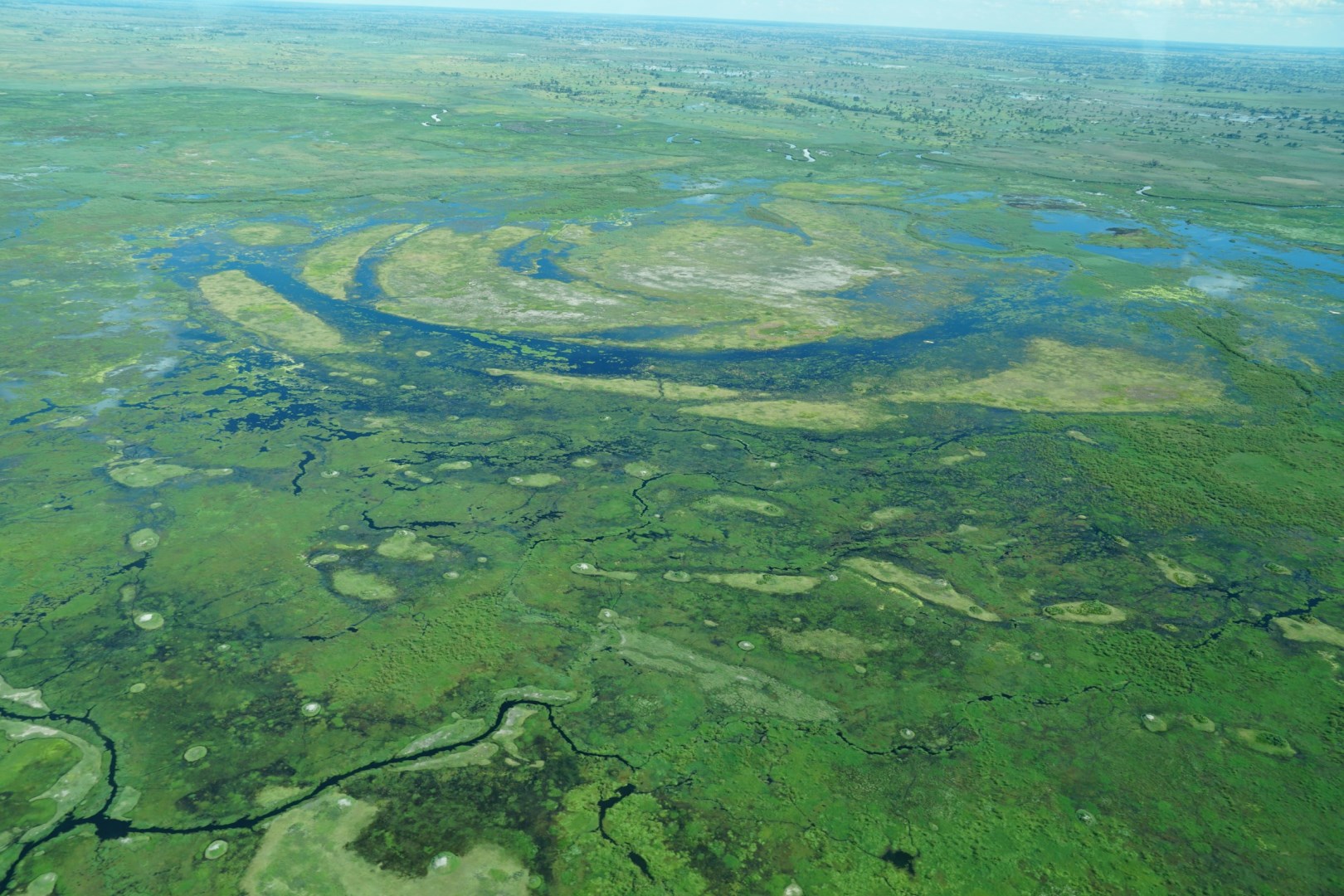
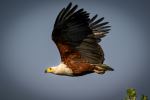
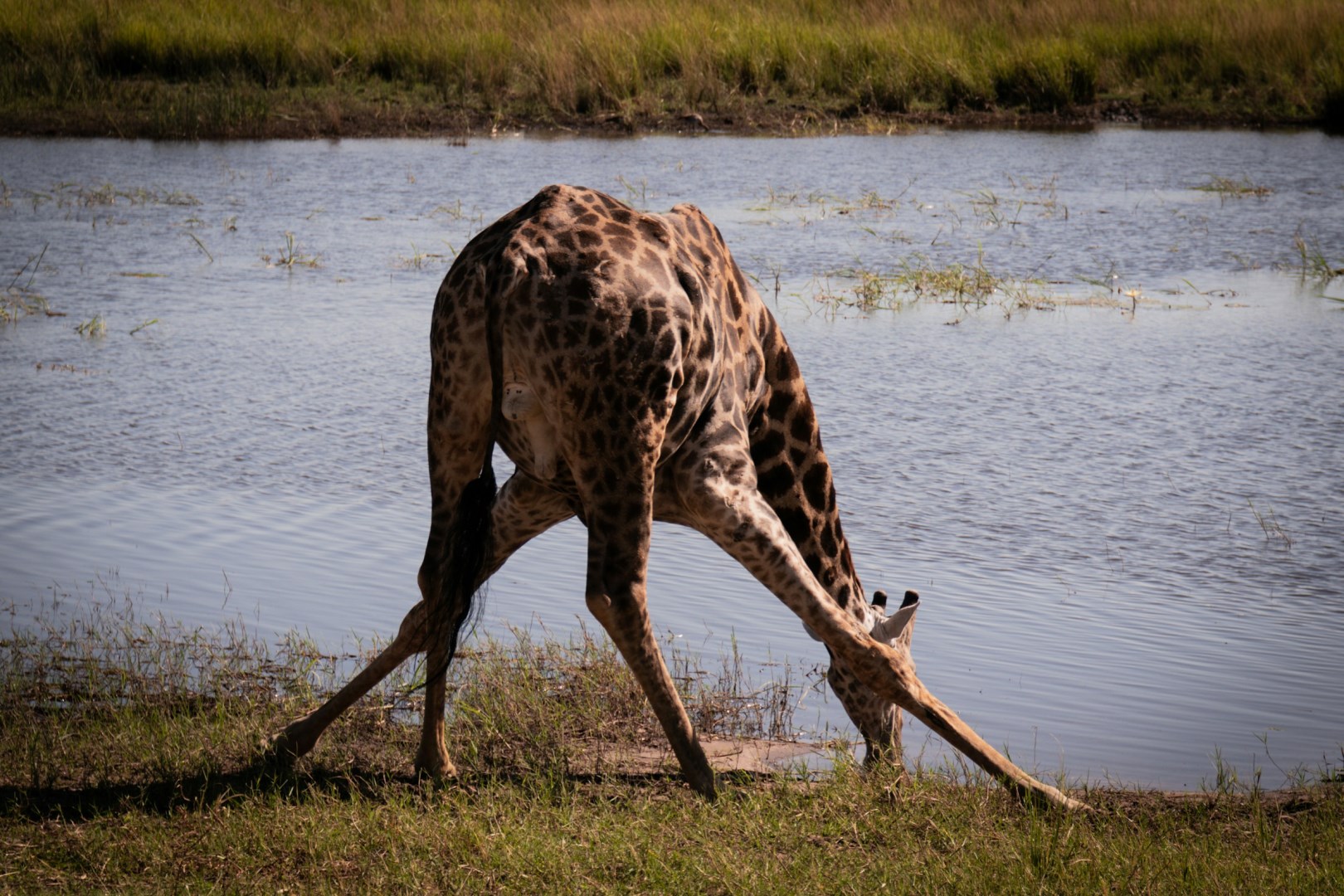
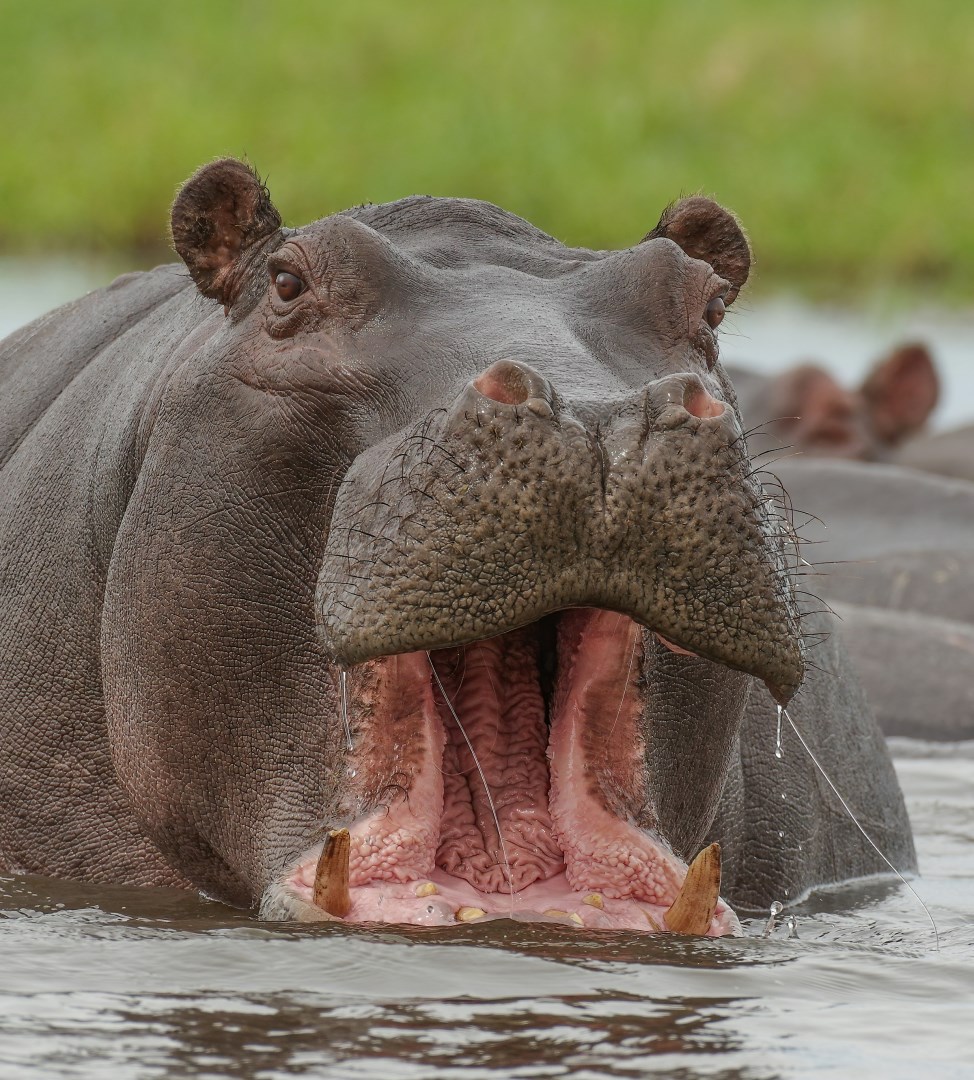
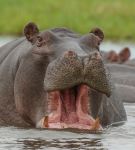
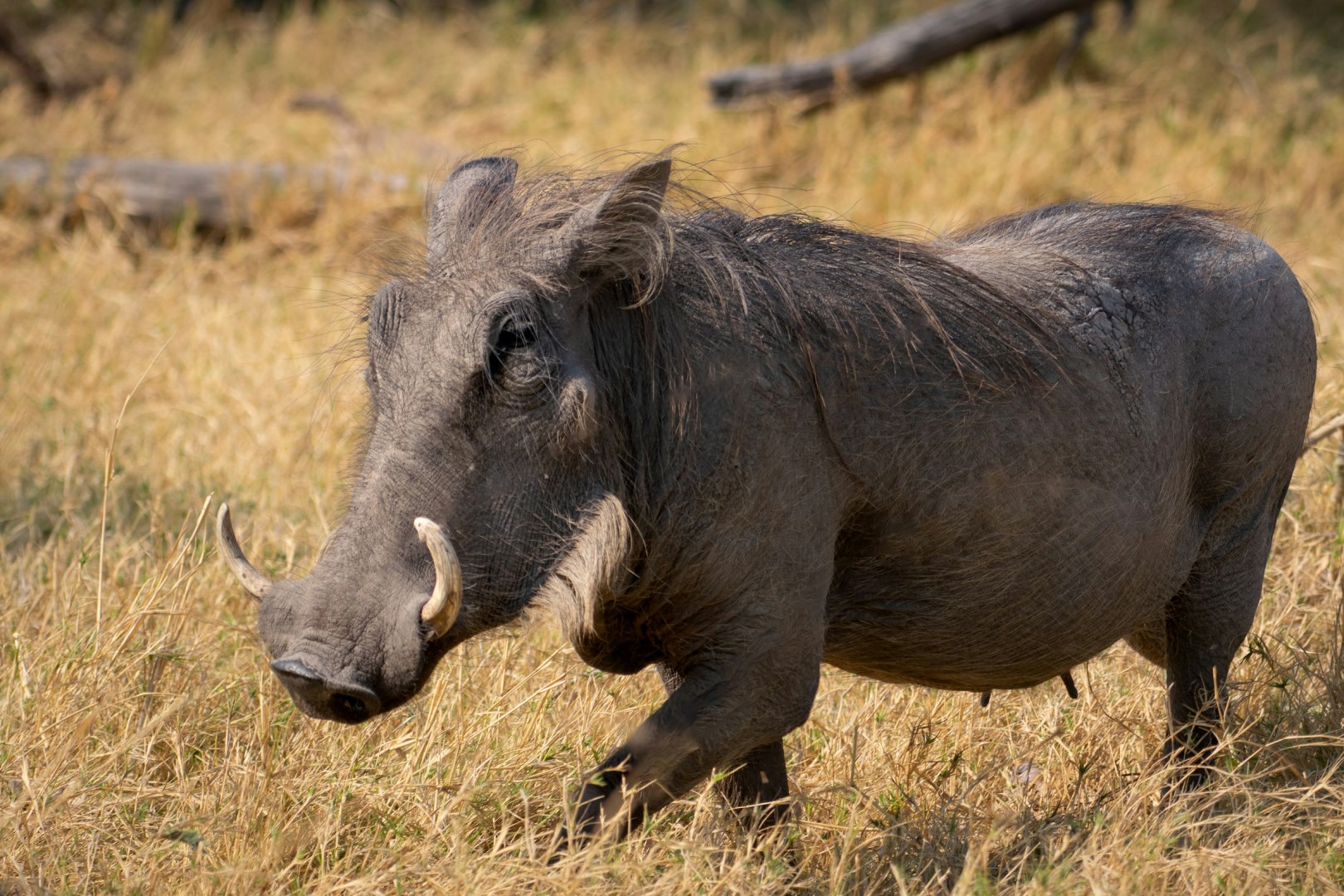
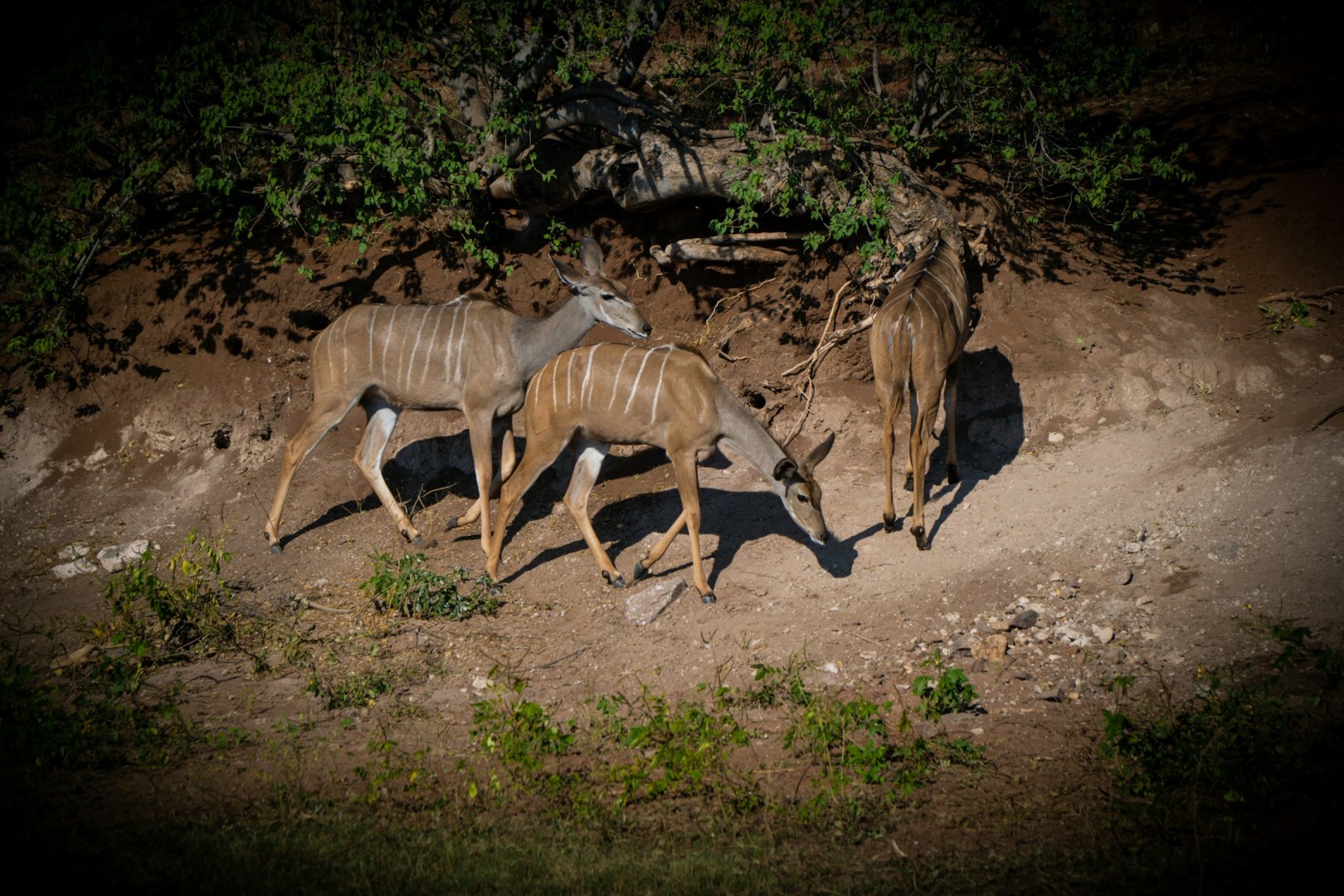
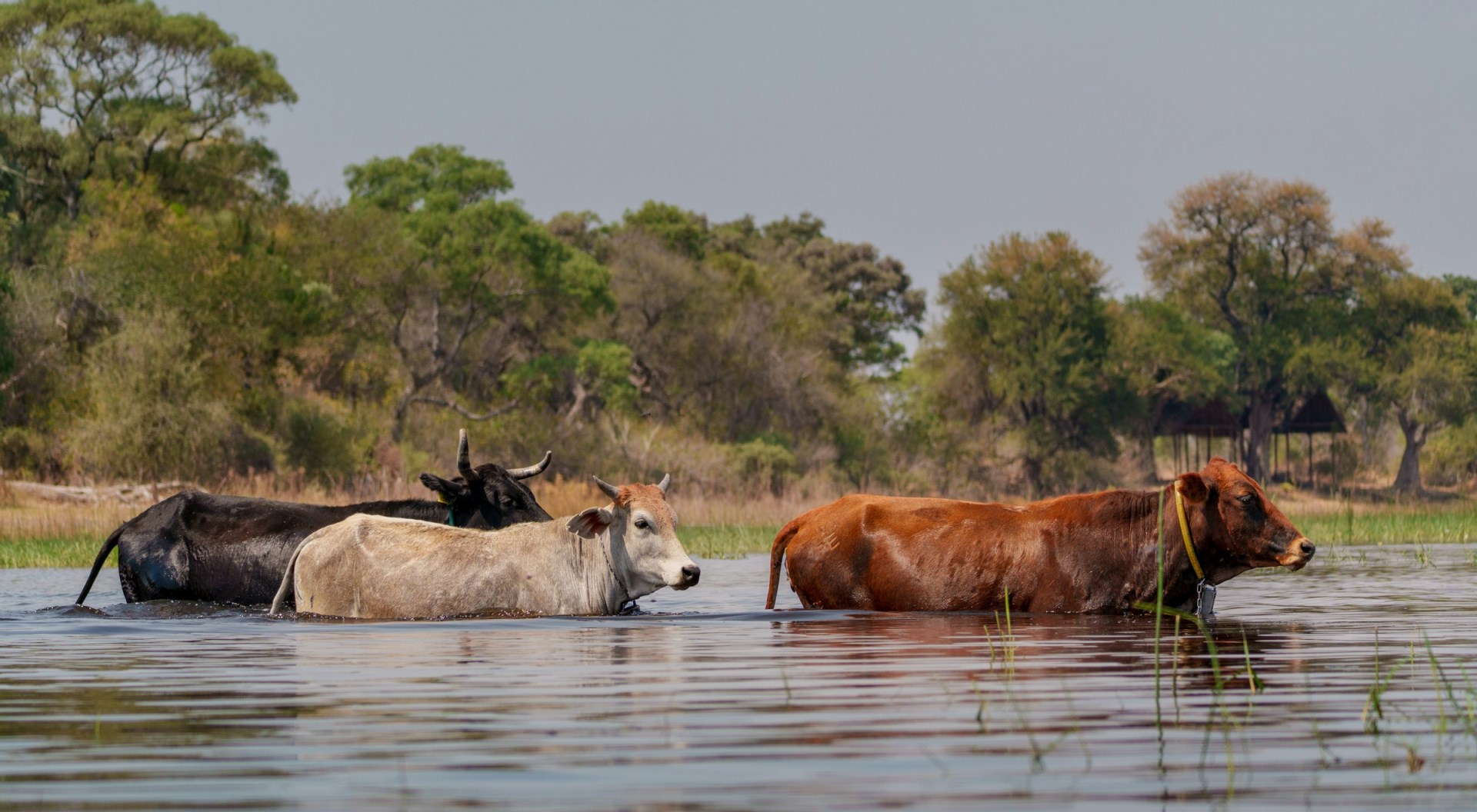
The Okavango Delta, located in Botswana, is one of Africa’s most extraordinary natural wonders. This vast inland delta, renowned for its rich biodiversity and stunning landscapes, offers a unique opportunity to experience a pristine wilderness. As the Okavango River meanders into the Kalahari Desert, it creates a sprawling floodplain that transforms into a lush oasis during the annual flood. The delta’s complex network of channels, lagoons, and islands provides diverse habitats for wildlife and spectacular views.
For an immersive experience, consider staying at one of the delta’s luxurious lodges, which blend seamlessly with the environment and offer exceptional wildlife viewing opportunities. The seasonal flood, which peaks between May and August, brings life to the delta and is the best time for wildlife sightings and photographic safaris.
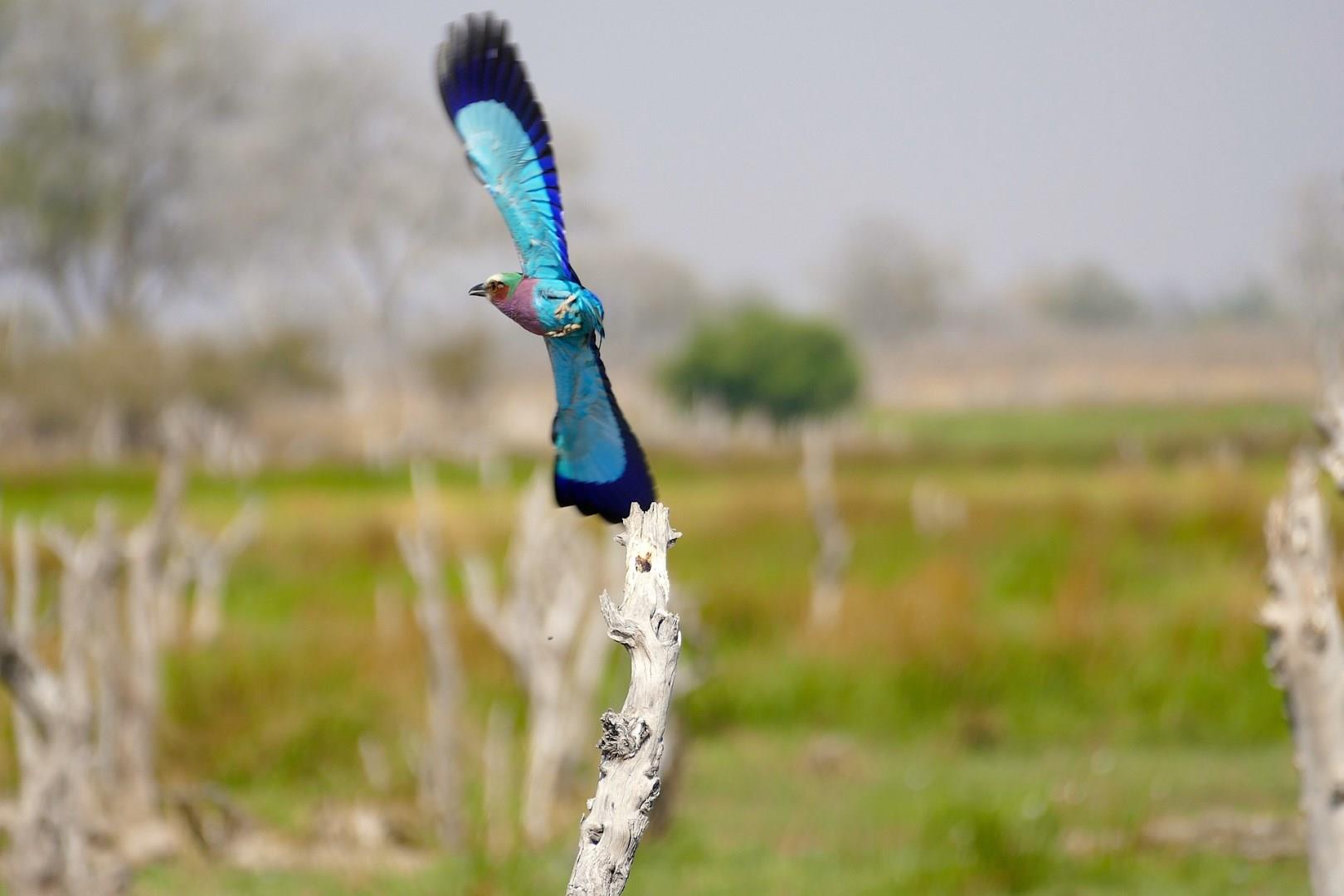
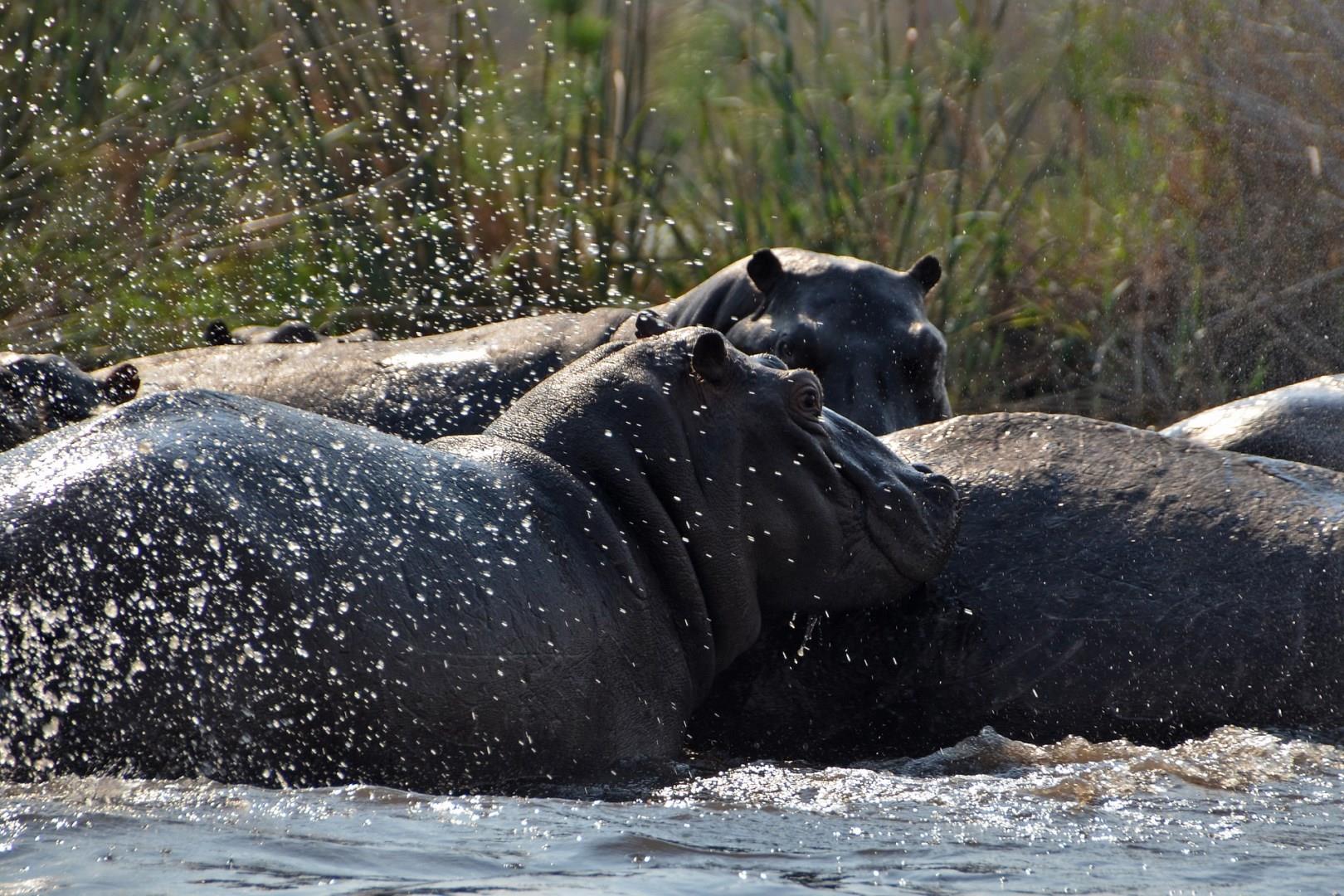
Fun Fact: The Okavango Delta is the world’s largest inland delta and a UNESCO World Heritage Site. Its unique seasonal flooding pattern supports one of the most diverse ecosystems on the planet, making it a vital haven for both endemic and migratory species.
A visit to the Okavango Delta promises a mesmerizing adventure amidst some of the most breathtaking and unspoiled landscapes in Africa, offering unparalleled wildlife encounters and tranquil natural beauty.
For an immersive experience, consider staying at one of the delta’s luxurious lodges, which blend seamlessly with the environment and offer exceptional wildlife viewing opportunities. The seasonal flood, which peaks between May and August, brings life to the delta and is the best time for wildlife sightings and photographic safaris.
Fun Fact: The Okavango Delta is the world’s largest inland delta and a UNESCO World Heritage Site. Its unique seasonal flooding pattern supports one of the most diverse ecosystems on the planet, making it a vital haven for both endemic and migratory species.
A visit to the Okavango Delta promises a mesmerizing adventure amidst some of the most breathtaking and unspoiled landscapes in Africa, offering unparalleled wildlife encounters and tranquil natural beauty.
Other Popular Destinations in Botswana

Chobe National Park, located in the far northeastern corner of Botswana, is a haven for wildlife enthusiasts and one of Africa's premier safari destinations. Known for its immense elephant population—estimated at over 120,000—the park offers an unparalleled opportunity to witness these majestic creatures in their natural habitat
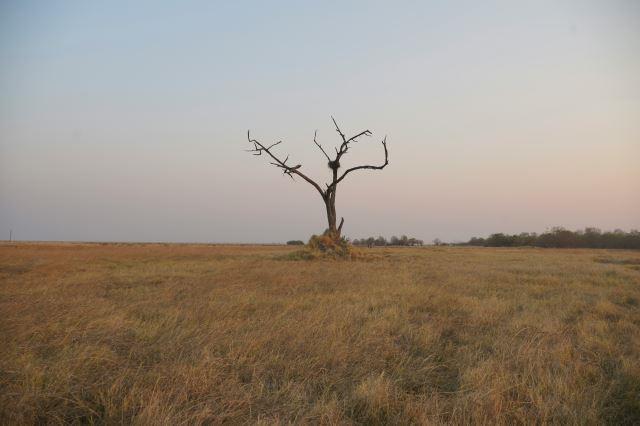
Maun, often referred to as the "tourism capital" of Botswana, is a vibrant gateway to the Okavango Delta, one of the world's largest inland deltas. Visitors can explore the nearby Moremi Game Reserve, known for its diverse wildlife and stunning landscapes, or take a scenic flight over the delta for a bird's-eye view of this spectacular UNESCO World Heritage Site.
