
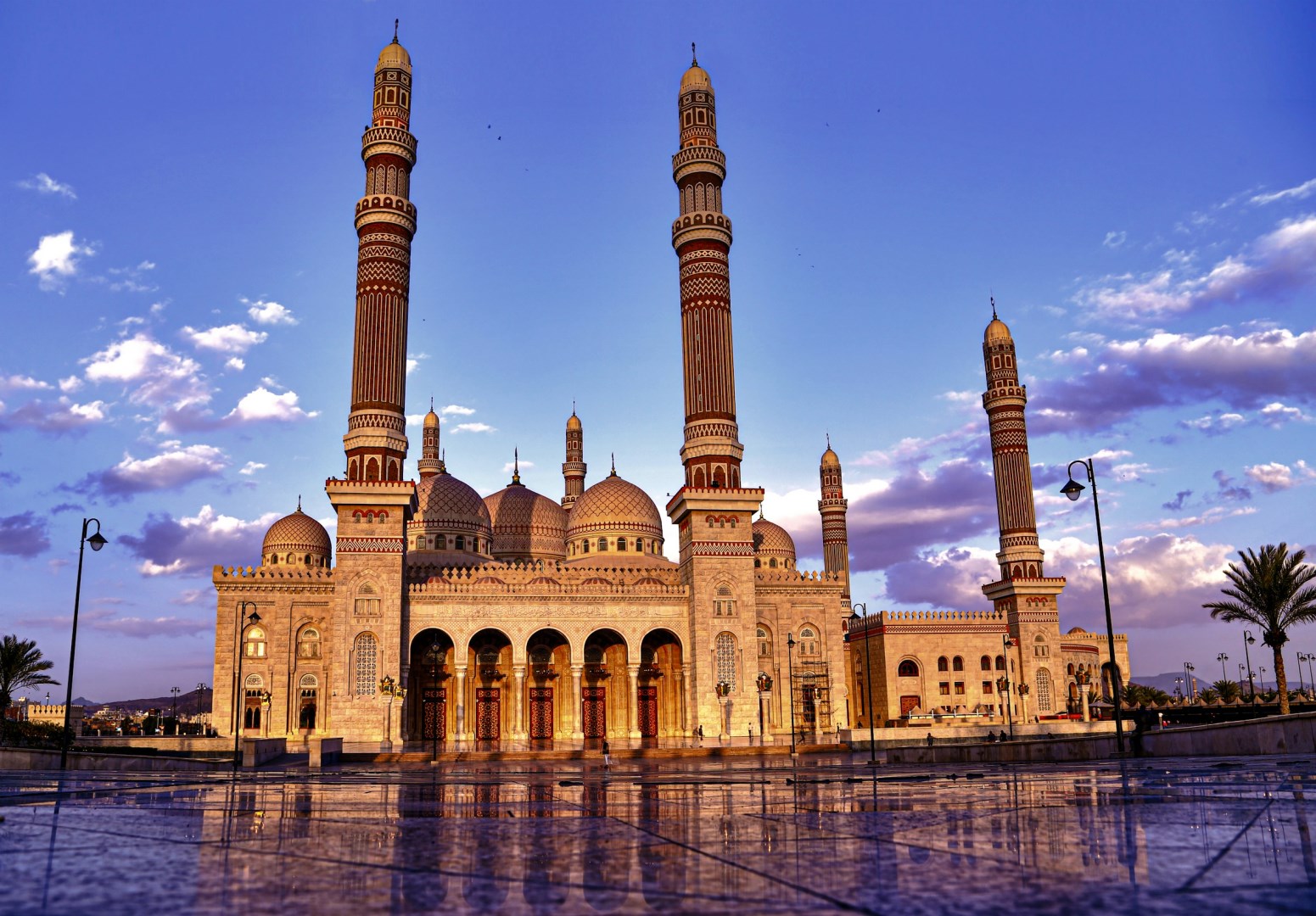
Yemen’s Old City of Sana'a stands as a living mosaic of civilizations. Just past the ornate Bab al‑Yaman gate, towering homes made of adobe, lime plaster, and layered with qatad (plaster) rise like giants in the maze of markets and quiet courtyards. Nearby, the ruins of Ghumdan Palace, once said to rival skyscrapers, recall a pre‑Islamic past and offer echoes of bygone architectural ambition.
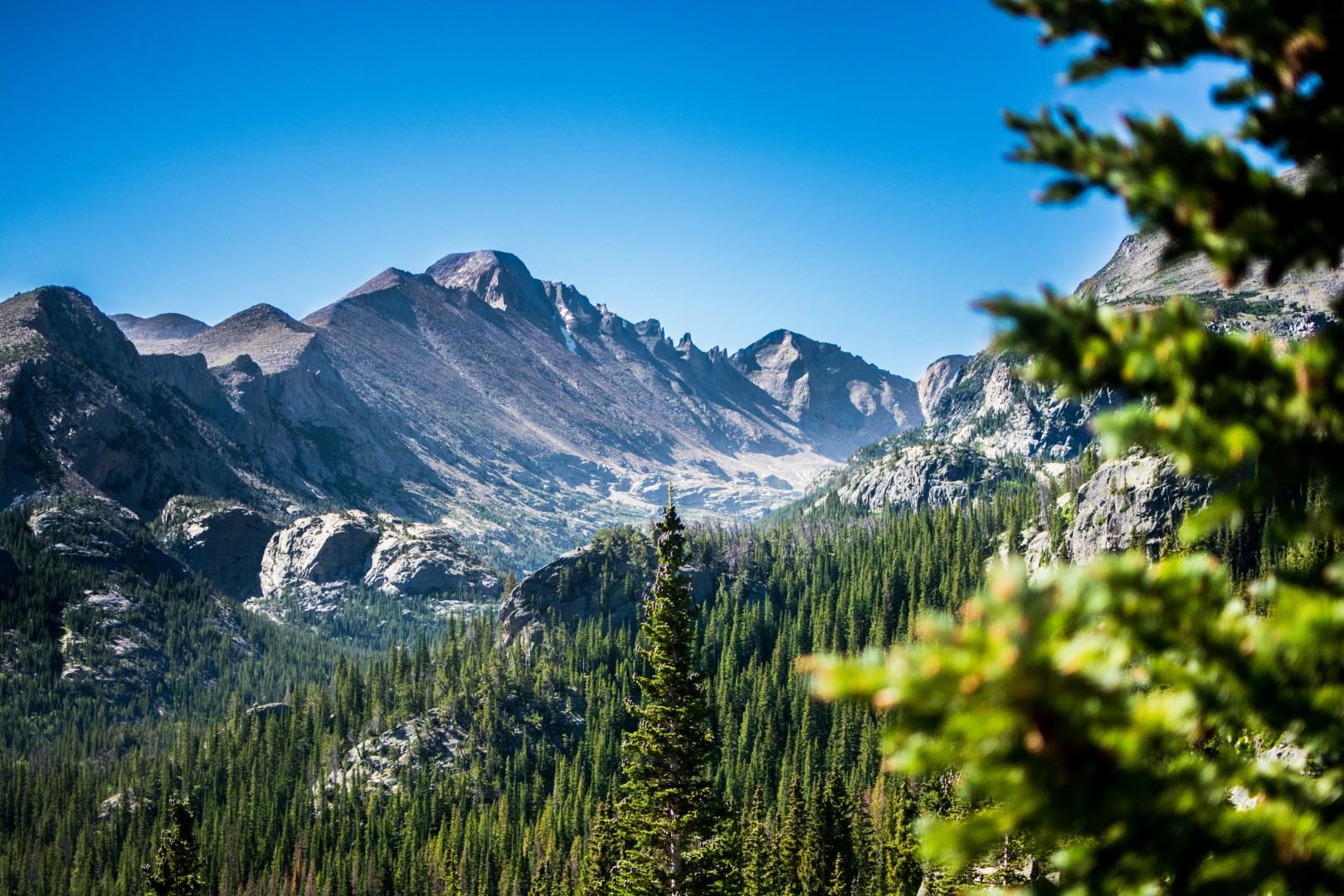
Estes Park, Colorado, is a picturesque mountain town nestled at the entrance of Rocky Mountain National Park. Known for its stunning natural beauty, it offers visitors a perfect blend of adventure and relaxation. With over 300 miles of hiking trails, pristine alpine lakes, and breathtaking mountain vistas, Estes Park is an outdoor enthusiast’s paradise.
Spain offers a wide range of experiences shaped by centuries of layered history and regional diversity. From the Moorish palaces of Andalusia to the Roman aqueduct in Segovia and the Gaudí-designed landmarks of Barcelona, each city reflects a different chapter in Spain’s past. In Granada, the Alhambra still stands as a masterpiece of Islamic architecture, with detailed carvings, hidden courtyards, and panoramic views of the Sierra Nevada mountains.
The Philippines is an archipelago of more than 7,600 islands in Southeast Asia, known for its striking coastlines, tropical forests, and vibrant cultural diversity.
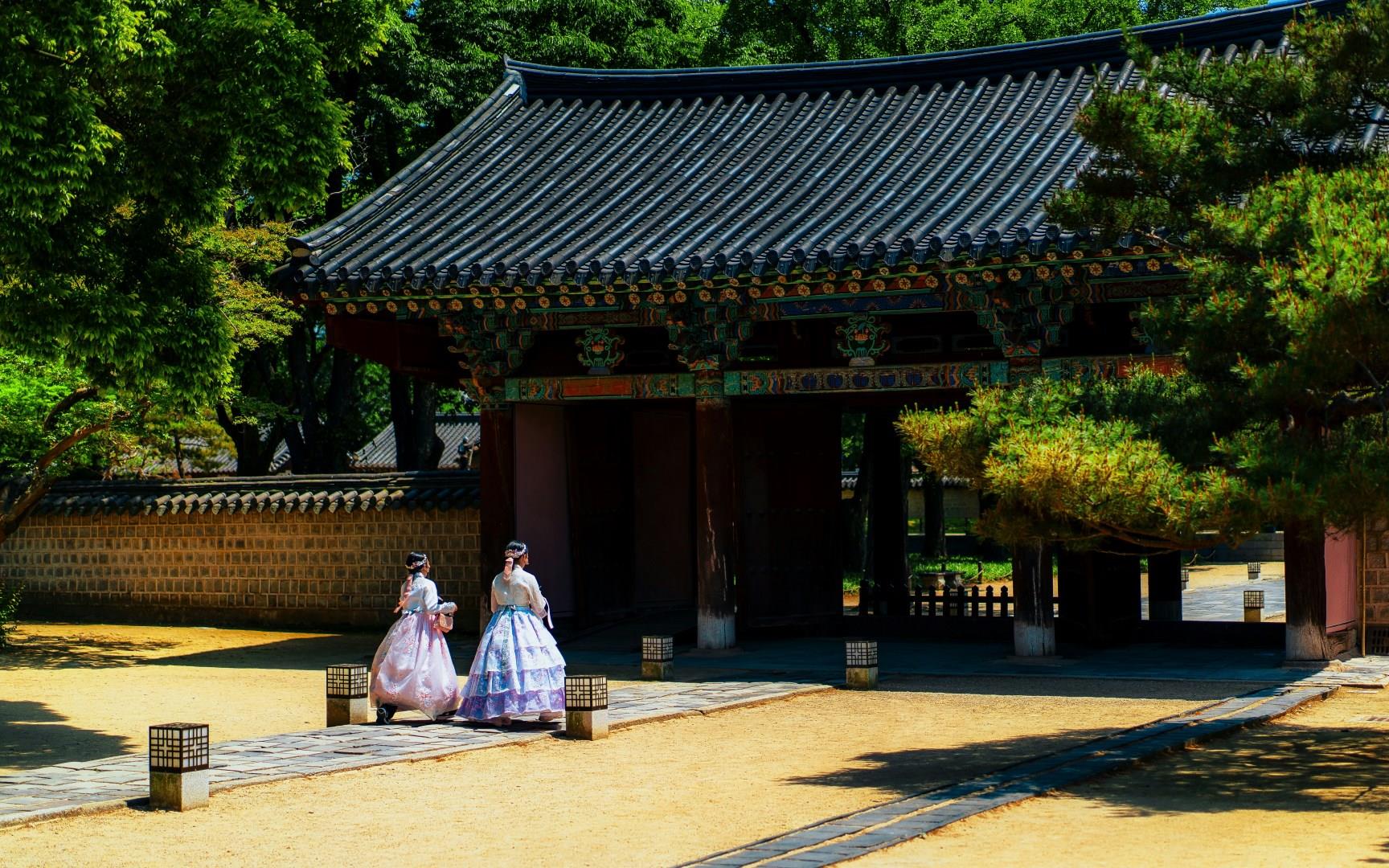
Jeonju-si, in South Korea’s North Jeolla Province, is widely associated with preservation rather than spectacle. The city’s identity is closely tied to its role as a former provincial capital during the Joseon Dynasty and as the birthplace of the royal Yi family.
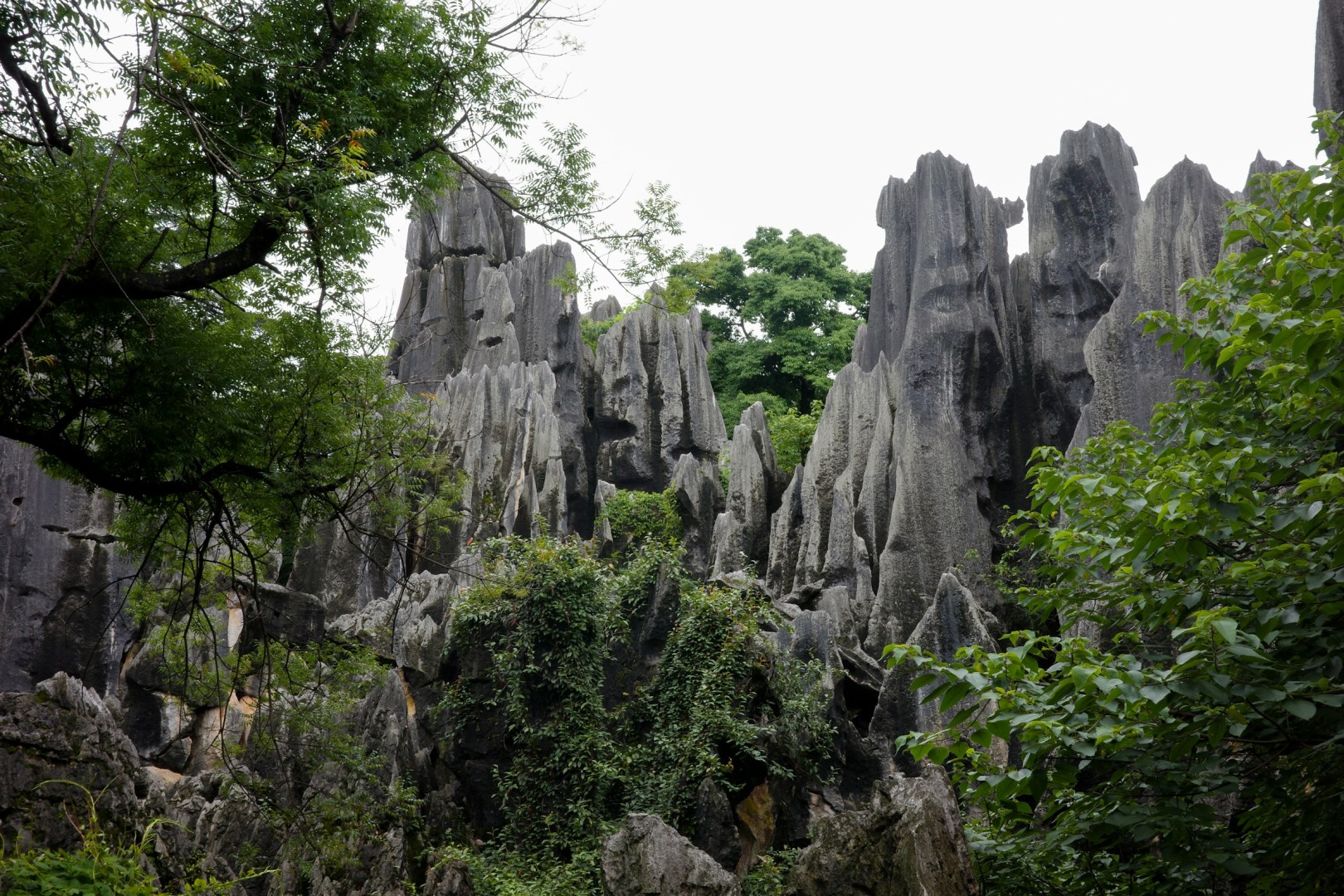
Kunming, the capital of China’s Yunnan Province, is often called the “City of Eternal Spring” for its mild climate and blooming flowers year-round. Perched on a plateau more than 6,000 feet above sea level, Kunming has long served as a crossroads of cultures and trade routes connecting China to Southeast Asia.
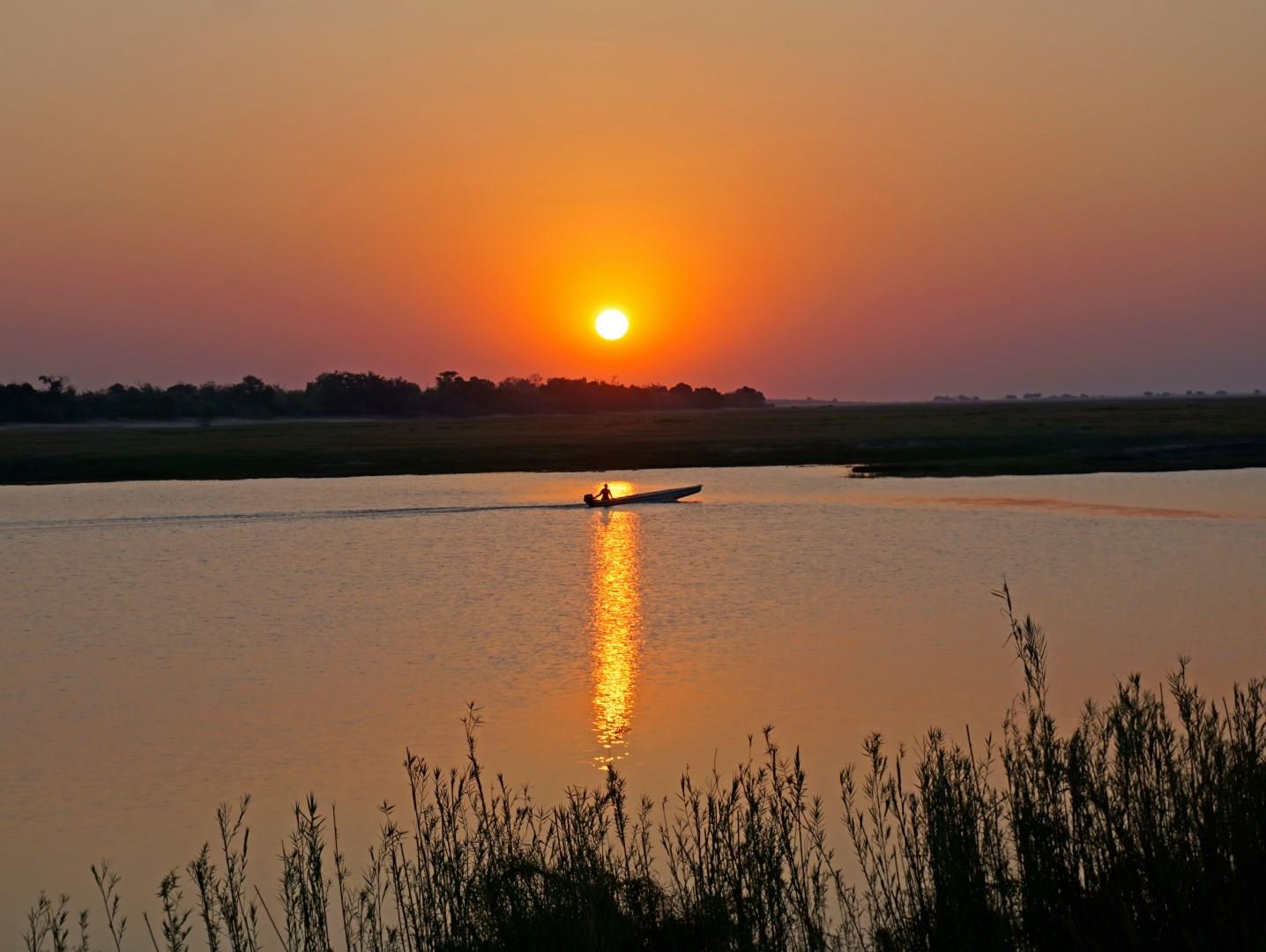
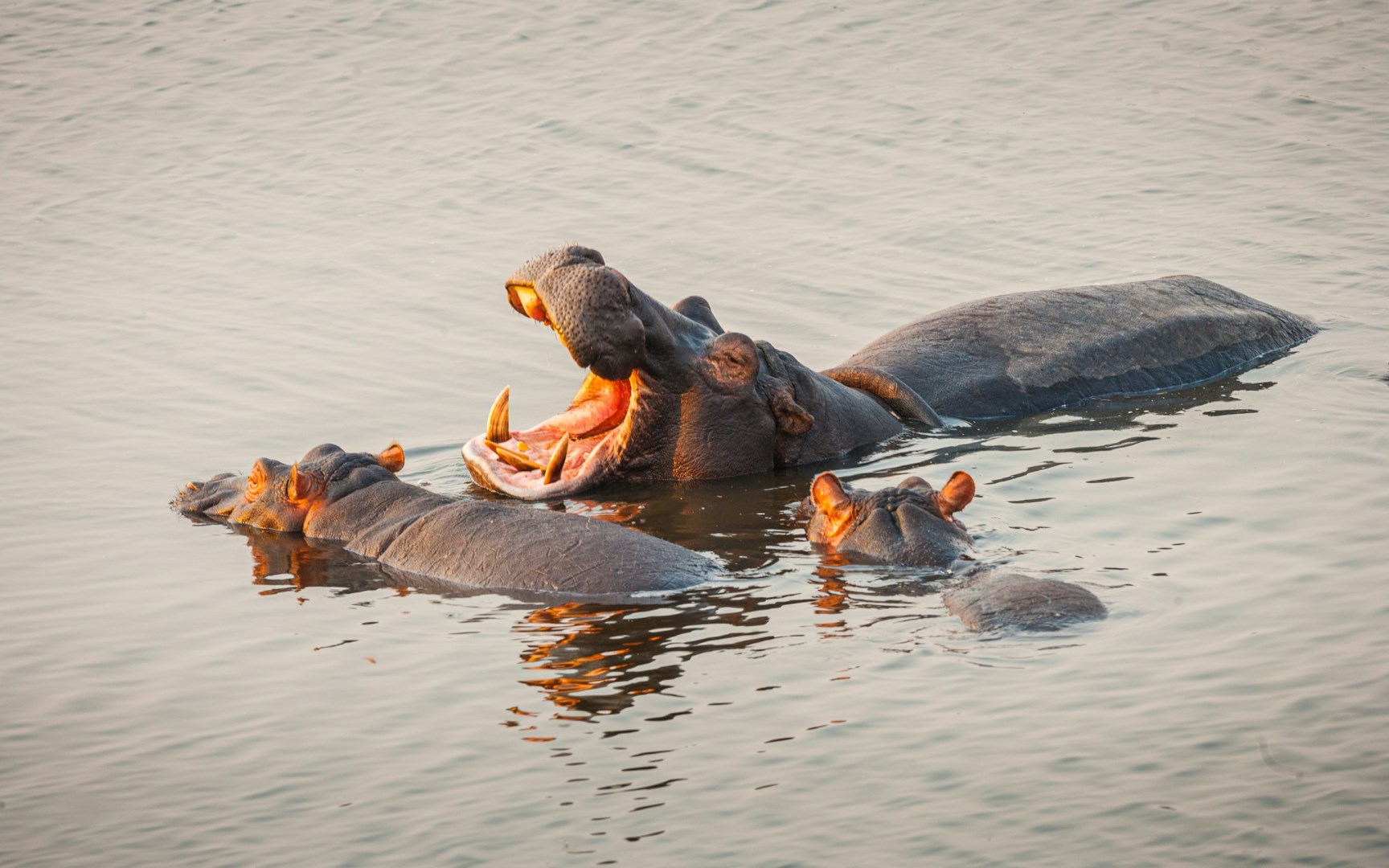
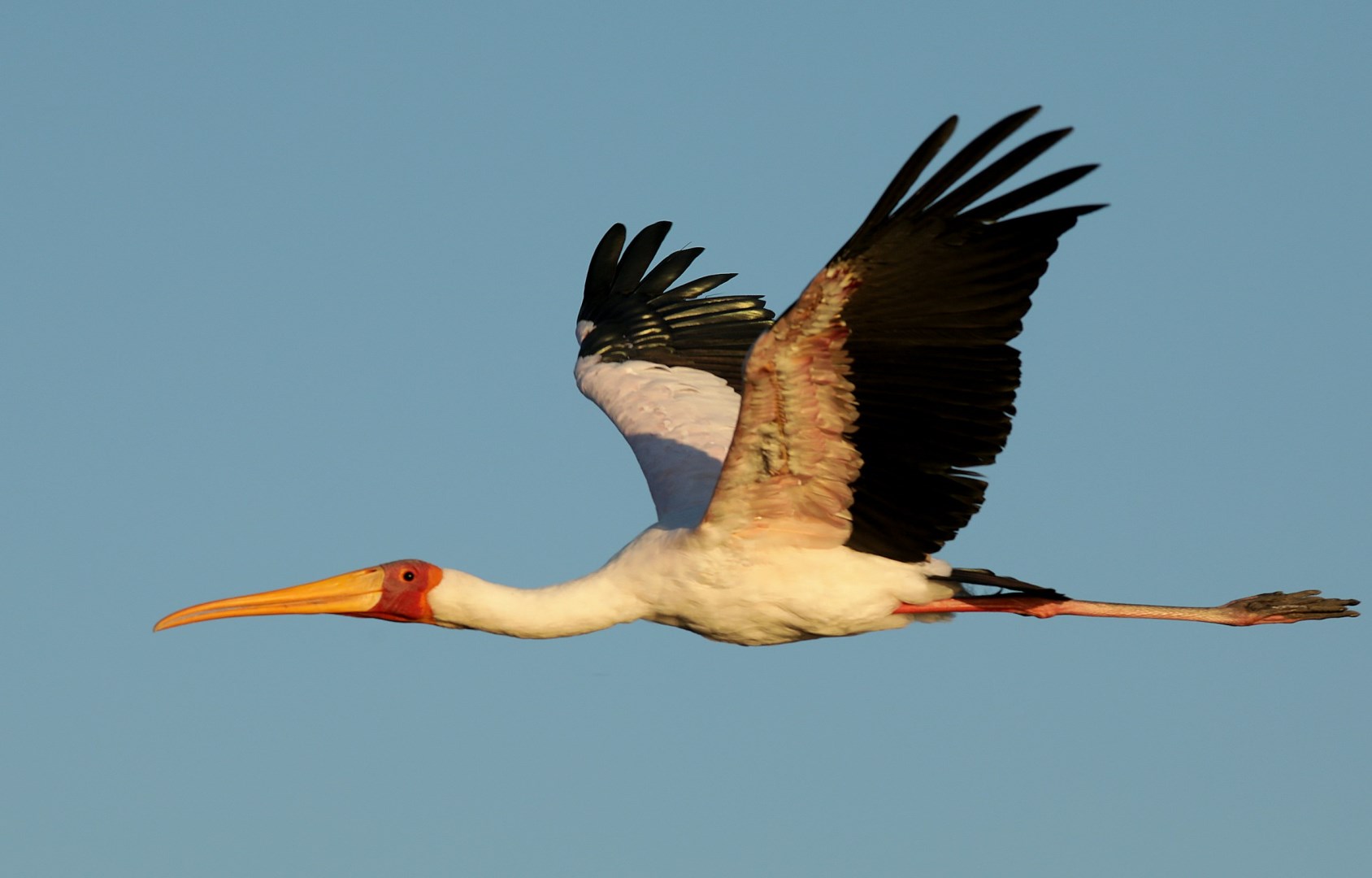
The Chobe River forms the northern boundary of the Chobe National Park. Animal lovers and safari enthusiasts know it as the place where the elephants congregate during winter's dry season and migrant birds are in full color during the wet summer months. The river itself is actually a section of the Cuando River, known as the Chobe from the seasonal lake Liambesi to its outflow at the Zambezi River.