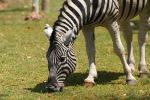
Okaukuejo is a settlement and rest camp in the southern part of Etosha National Park, serving as an important administrative and tourism center for the protected area. It lies near the park’s southern entrance and is surrounded by the open plains, salt pans, and dry savanna that define central Etosha. The area is particularly known for its permanent waterhole, where wildlife gathers when water is scarce. Okaukuejo also houses the Etosha Ecological Institute, making it a base for conservation research as well as a starting point for exploring the park’s wildlife and landscapes.
Okaukuejo has a complex history involving conservation, colonial administration, and the Hai||om people who traditionally lived in the Etosha region. The name is associated with an area where salt bush was abundant, reflecting the local environment. The settlement was established as a military and administrative post before becoming part of the developing protected area. Hai||om residents were later displaced from their traditional settlements in Etosha, while some remained in Okaukuejo and contributed labor to roads, waterholes, and tourism facilities. Their history forms an important part of the cultural story surrounding the camp and the wider park.
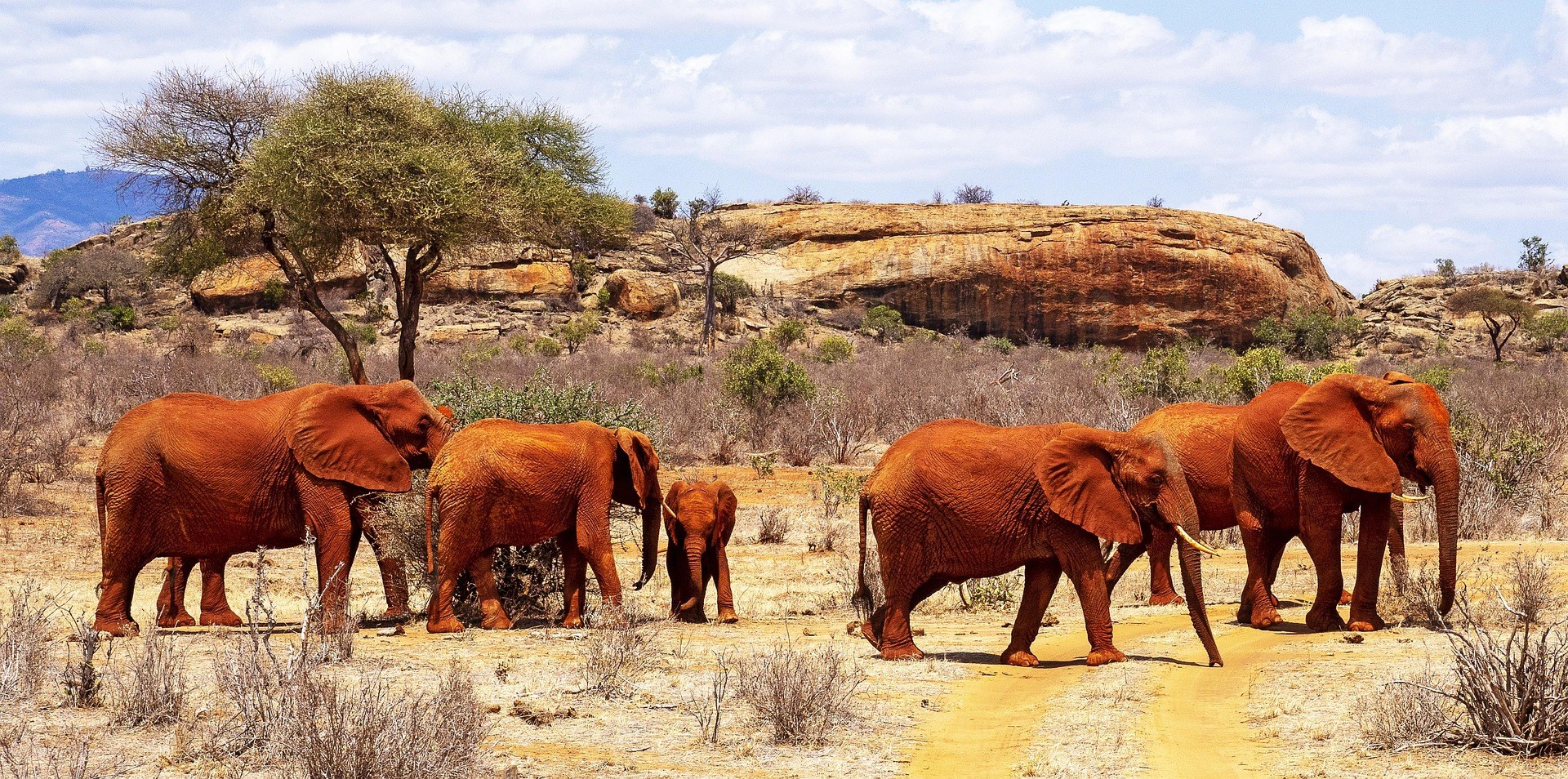
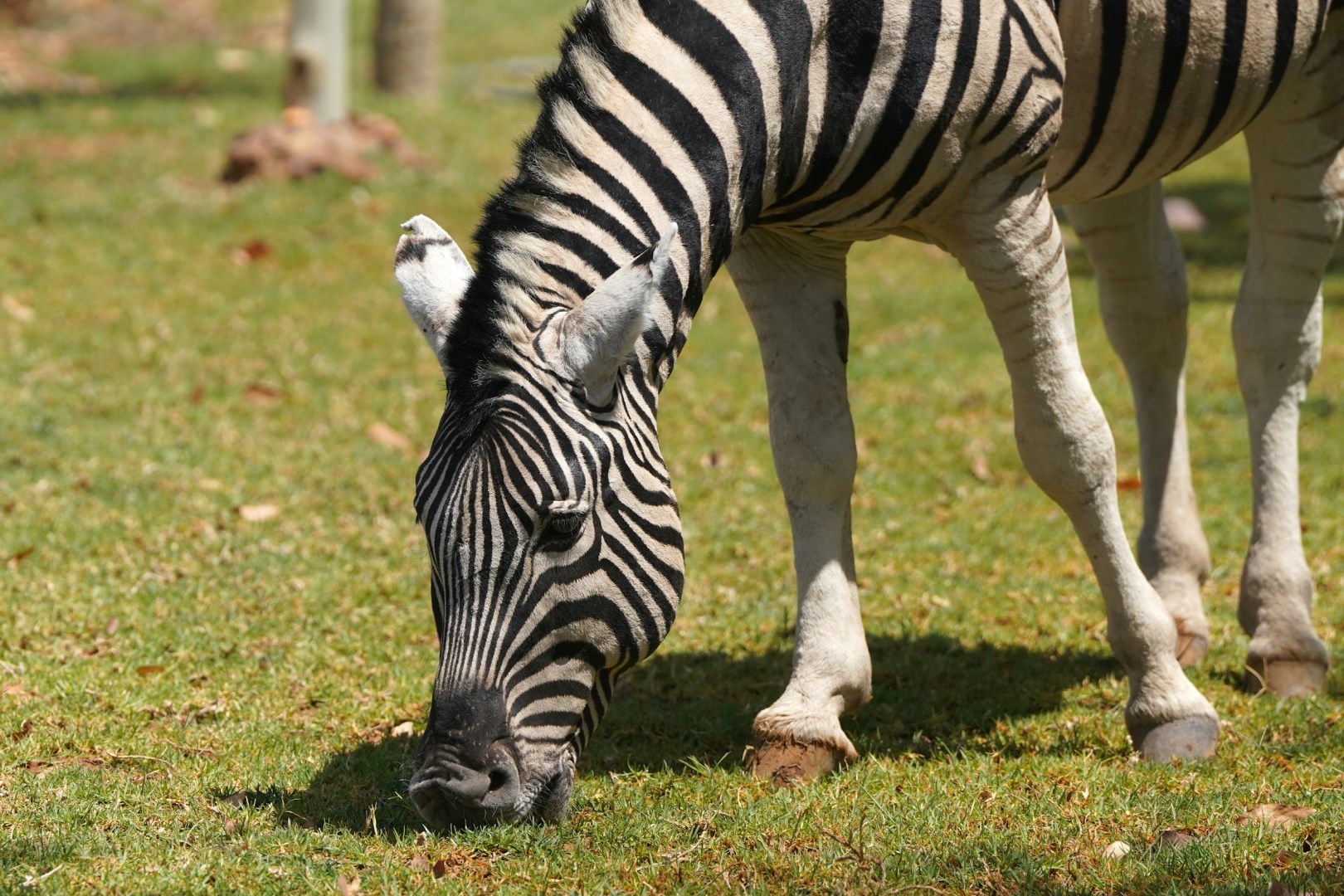
The floodlit Okaukuejo waterhole is the main attraction and provides opportunities to observe animals from a designated viewing area, particularly after sunset. Black rhinoceros, elephants, lions, and other wildlife are known to visit the waterhole. During the day, game drives from Okaukuejo explore the surrounding plains and smaller waterholes, where visitors may encounter giraffes, zebras, springbok, oryx, wildebeest, and the endemic black-faced impala. The camp itself is recognizable by its stone tower and offers accommodation, camping, a restaurant, shop, swimming pool, and other facilities for travelers exploring Etosha.
Okaukuejo is closely connected with Etosha’s dry climate, in which waterholes become important gathering points for wildlife. The wider park contains an expansive salt pan, several smaller pans, grasslands, shrublands, and woodland habitats, supporting more than 400 recorded bird species alongside its large mammals. The camp’s restaurant provides meals and refreshments, while nearby towns supply additional provisions before visitors enter the park. One distinctive feature is the opportunity to watch wildlife at the illuminated waterhole at night, when species such as black rhinoceros and elephants may approach the water in relative darkness.
Other Popular Destinations in Namibia