
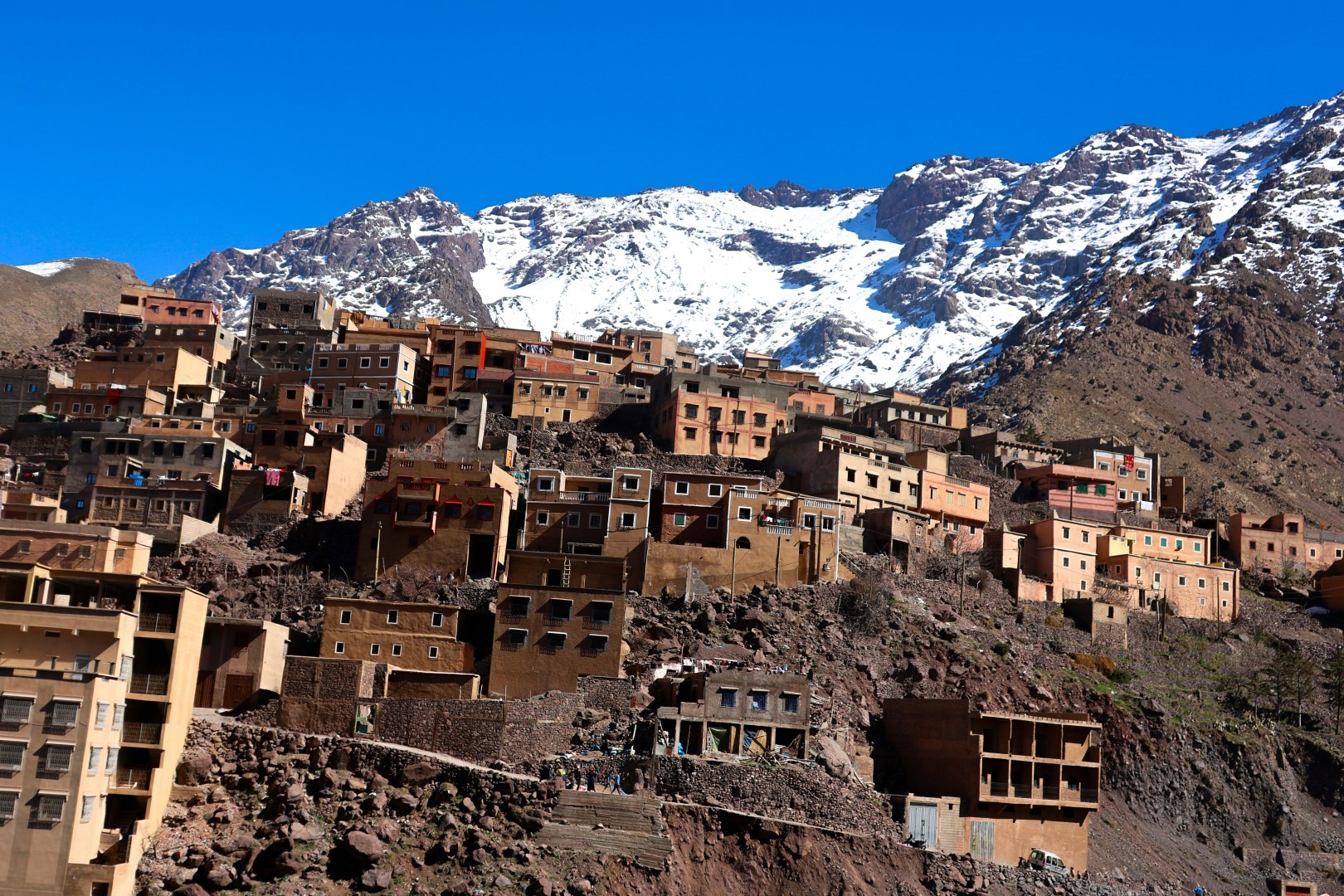
Central America | Guatemala | Chichicastenango


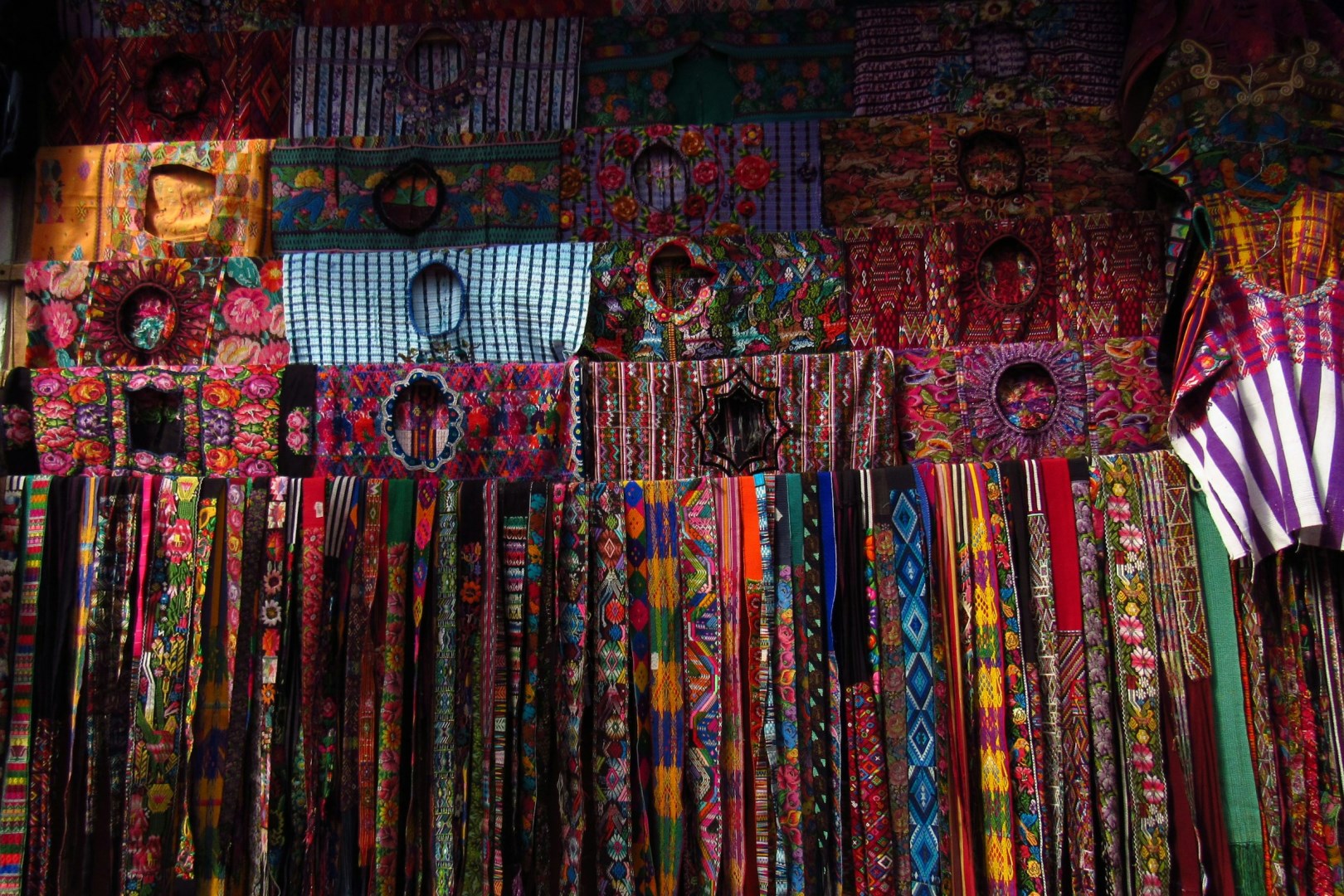
Chichicastenango, often simply called "Chichi," is a vibrant town in the highlands of Guatemala that offers an unparalleled cultural experience. Known for its lively indigenous market, which takes place every Thursday and Sunday, this bustling bazaar is one of the most famous in Central America. Here, visitors can immerse themselves in the rich tapestry of Mayan culture while browsing colorful textiles, handcrafted masks, and traditional pottery.
The town is also home to the Church of Santo Tomás, an impressive colonial-era church that stands on the site of a former Mayan temple. The church's unique architectural blend of Spanish and indigenous influences is a testament to Chichicastenango's complex history.
For those interested in the spiritual and mystical, Chichicastenango is a significant location for traditional Mayan ceremonies. Visitors can observe or participate in rituals led by local shamans, offering a profound glimpse into the spiritual practices that have persisted through centuries.
A fun fact about Chichicastenango is that its market and traditions are deeply intertwined with the surrounding natural environment. The town’s name is derived from the K'iche' Maya language, meaning "the place of the nettles," which reflects the rich flora of the region. With its vibrant market, rich history, and cultural significance, Chichicastenango offers an unforgettable journey into the heart of Guatemalan heritage.
The town is also home to the Church of Santo Tomás, an impressive colonial-era church that stands on the site of a former Mayan temple. The church's unique architectural blend of Spanish and indigenous influences is a testament to Chichicastenango's complex history.
For those interested in the spiritual and mystical, Chichicastenango is a significant location for traditional Mayan ceremonies. Visitors can observe or participate in rituals led by local shamans, offering a profound glimpse into the spiritual practices that have persisted through centuries.
A fun fact about Chichicastenango is that its market and traditions are deeply intertwined with the surrounding natural environment. The town’s name is derived from the K'iche' Maya language, meaning "the place of the nettles," which reflects the rich flora of the region. With its vibrant market, rich history, and cultural significance, Chichicastenango offers an unforgettable journey into the heart of Guatemalan heritage.
Other Popular Destinations in Guatemala

Tikal is one of the most extraordinary ancient cities in Guatemala, hidden deep in the Petén region’s tropical forests. Once called Yax Mutal by its Maya builders, these ruins reveal thousands of years of history in carved stone stelae and towering limestone structures, some of which rise more than 60 meters above the jungle floor. Today, visitors can walk among the Great Plaza and gaze up at the Temple of the Great Jaguar and the Temple of the Masks, reminders of the city’s long legacy.