
Montréal is a city shaped by layers of French and British history, with modern flair built into every corner. Founded in 1642 as Ville-Marie, it’s one of the oldest cities in North America. Visitors walking through Old Montréal will find cobblestone streets, 18th-century buildings, and landmarks like the Notre-Dame Basilica, known for its deep blue interior and grand organ with over 7,000 pipes.
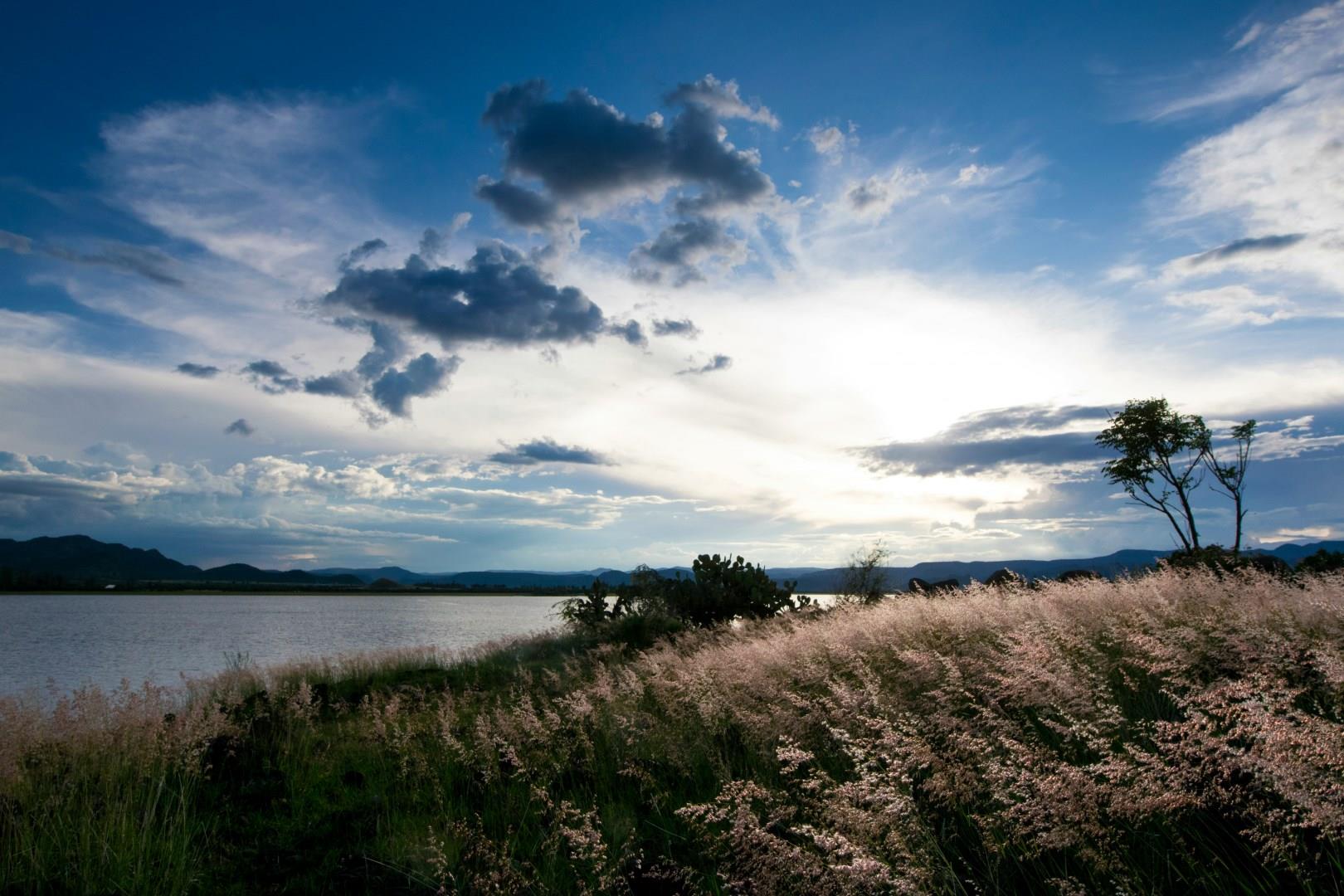
Durango, located in north-central Mexico, is a destination rich in history, dramatic landscapes, and cultural traditions that date back centuries. Once a key outpost during Spanish colonization, Durango played an important role in the development of northern Mexico. The city of Victoria de Durango, the state capital, features cobblestone streets and more than 1,000 officially registered historical structures.
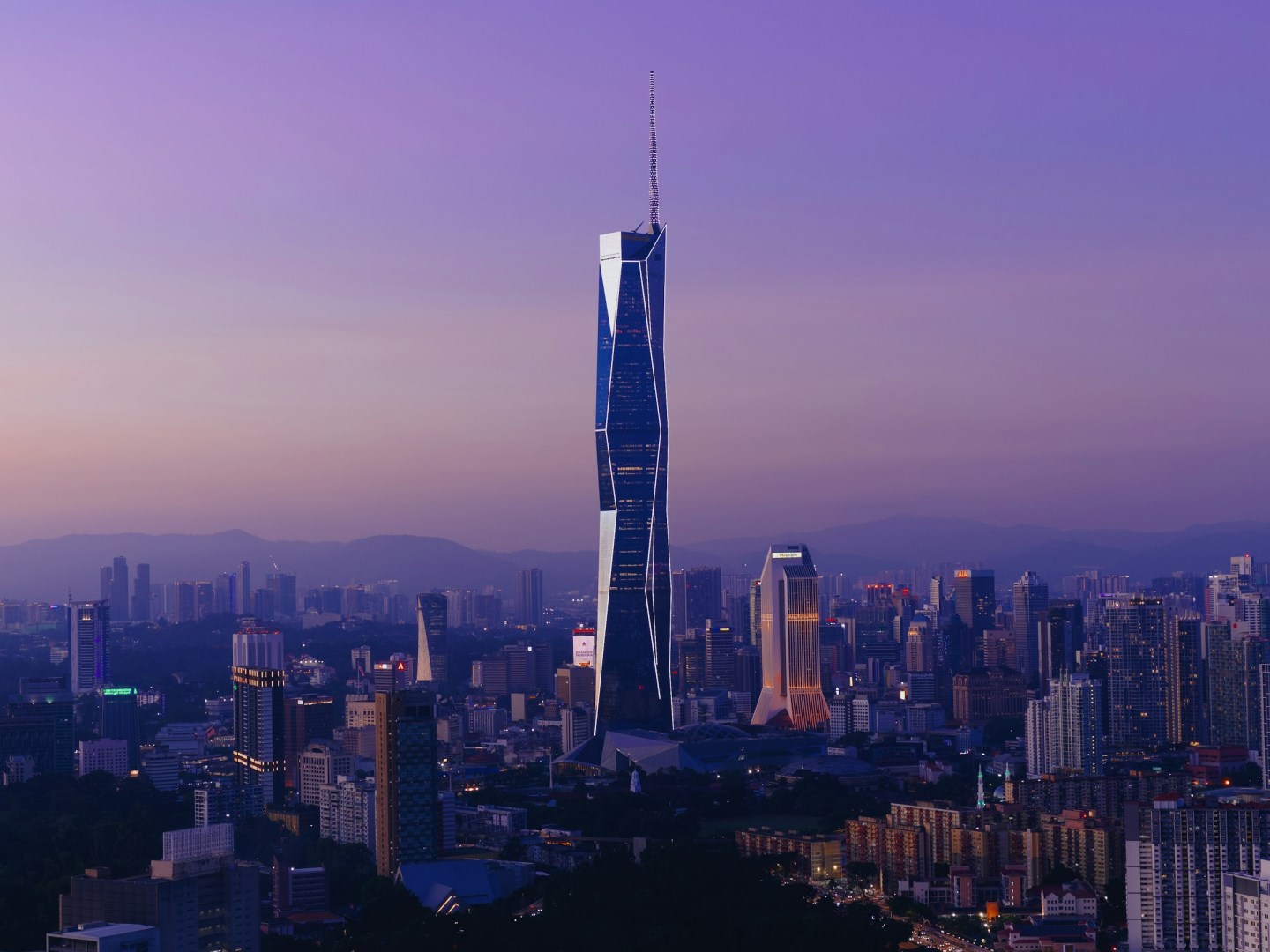
Kuala Lumpur, the capital of Malaysia, is a city where tradition and modernity meet in striking ways. Towering over the skyline are the Petronas Twin Towers, once the tallest buildings in the world, while at street level you’ll find lively markets, ornate temples, and colonial-era architecture.
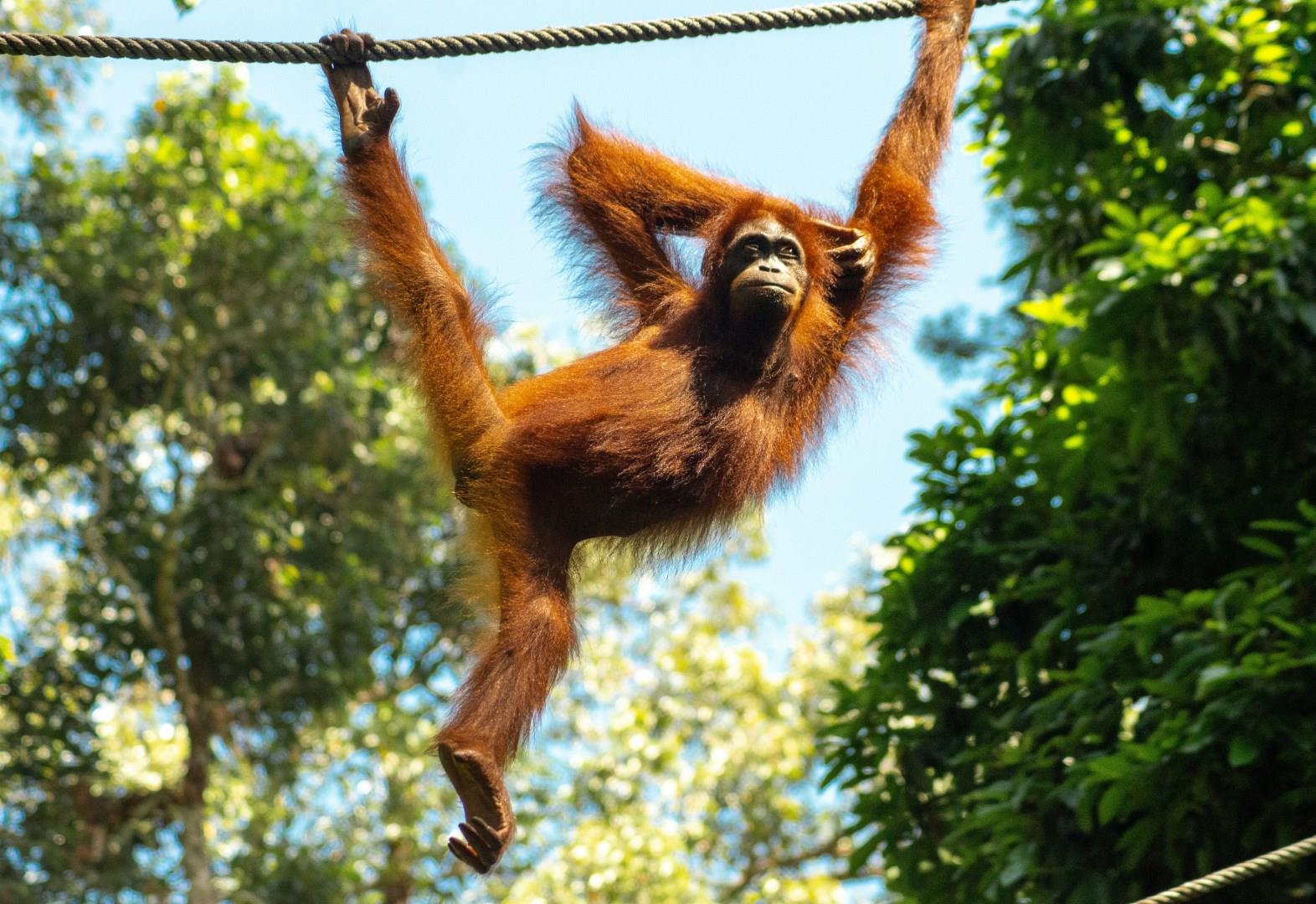
Sandakan, on the northeast coast of Sabah in Malaysian Borneo, is a city where history, wildlife, and culture come together. Once a major trading port known as “Little Hong Kong” for its bustling connections to the wider world, Sandakan has retained its multicultural character, with influences from Chinese, Malay, and Indigenous communities visible in its temples, markets, and cuisine.
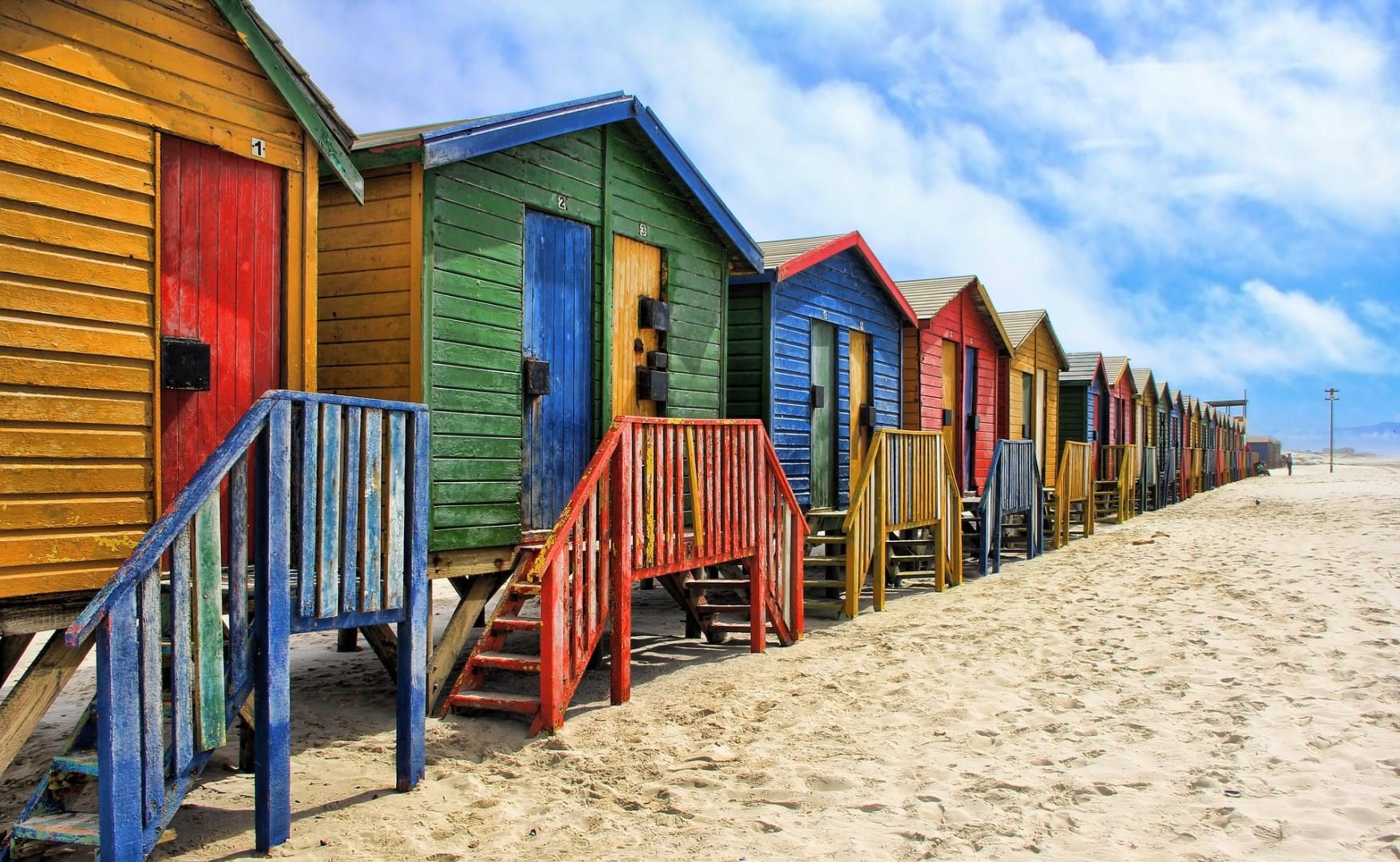
Muizenberg, a picturesque suburb of Cape Town, South Africa, is renowned for its stunning coastline and vibrant atmosphere. Located along the False Bay, Muizenberg is celebrated for its expansive sandy beach and crystal-clear waters, making it a haven for surfers and sun-seekers alike. The beach is not only popular for its surf but also for its colorful Victorian-style beach huts, which have become iconic symbols of the area. These charming structures, with their bright hues and retro charm, pro
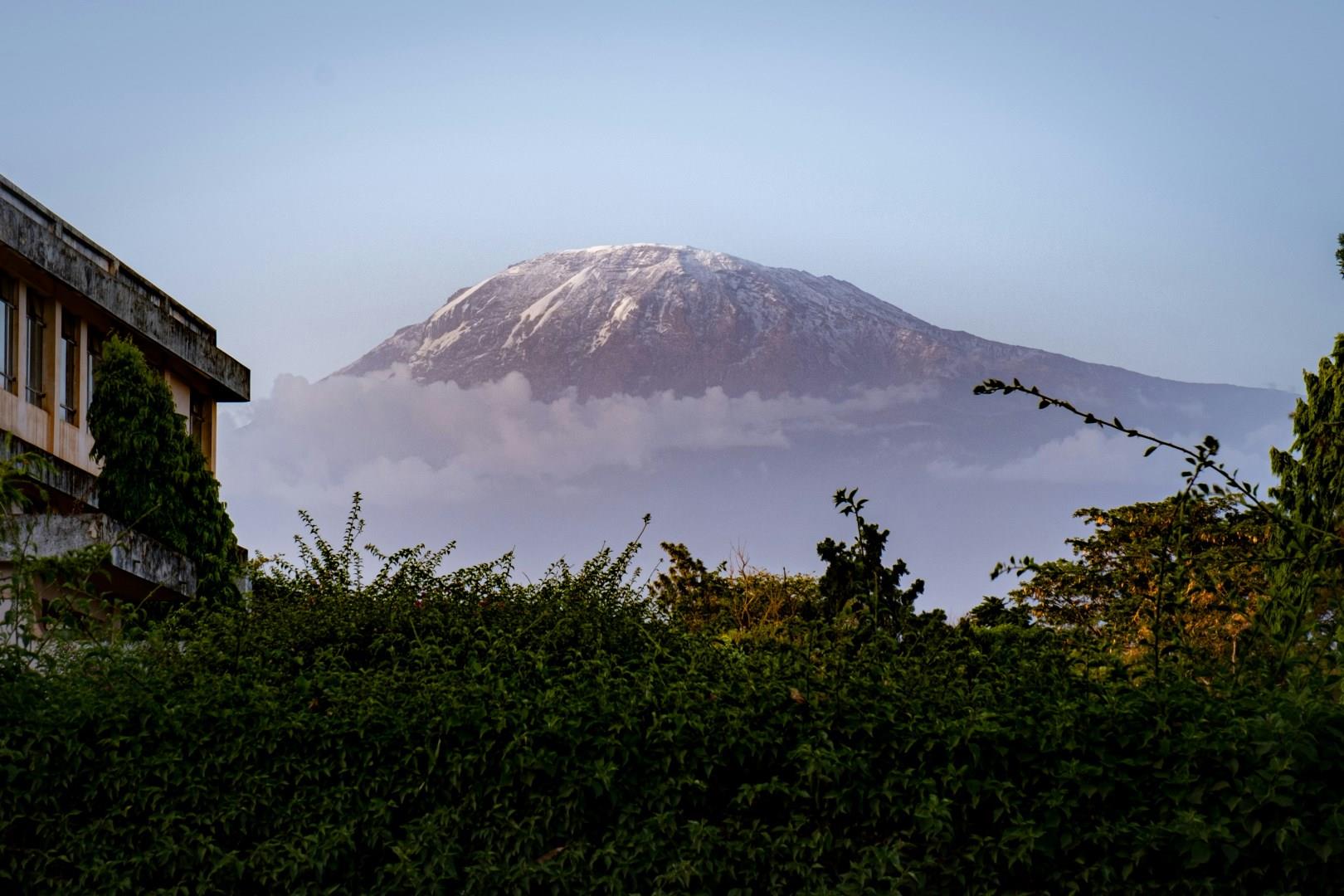
Moshi sits on the southern slopes of Mount Kilimanjaro in northern Tanzania, shaped by both Chagga culture and its role as a crossroads for trade and travel.
Located roughly in the center of the country, Riobamba is one of Ecuador's largest cities and the starting point of the scenic train ride to Nariz del Diablo (Devil's Nose). The city has a strong indigenous presence, which lends itself well to the open-air artisan market, and plenty of opportunities for mountainous activities such as hiking and mountain biking.