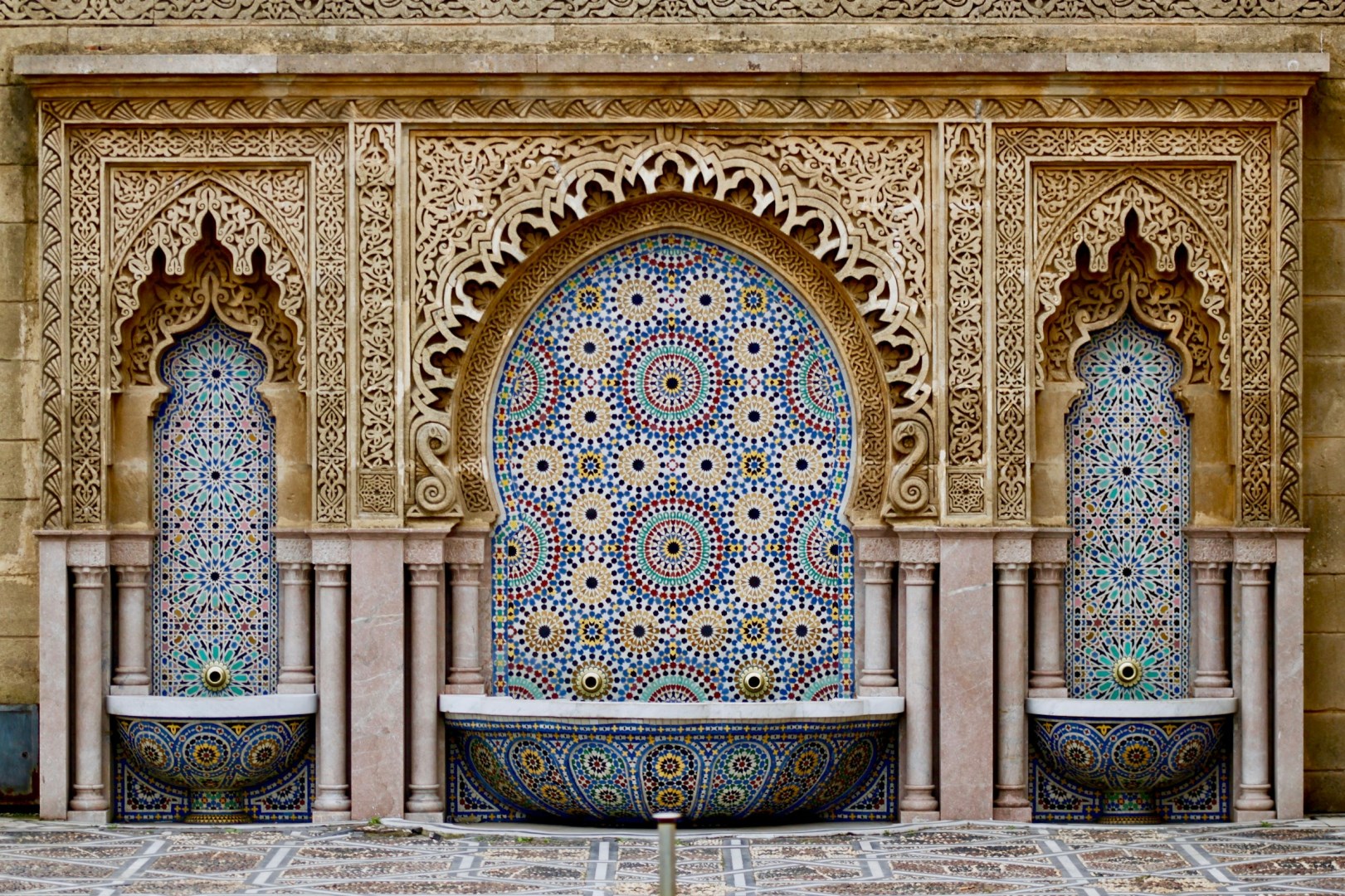
Rabat, the capital of the kingdom of Morocco, is located on the edge of the Atlantic Ocean on the left bank of the Bou Regreg Estuary. A city of trees and flowers, Rabat combines peace, beauty and Serenity, and is steeped in history.
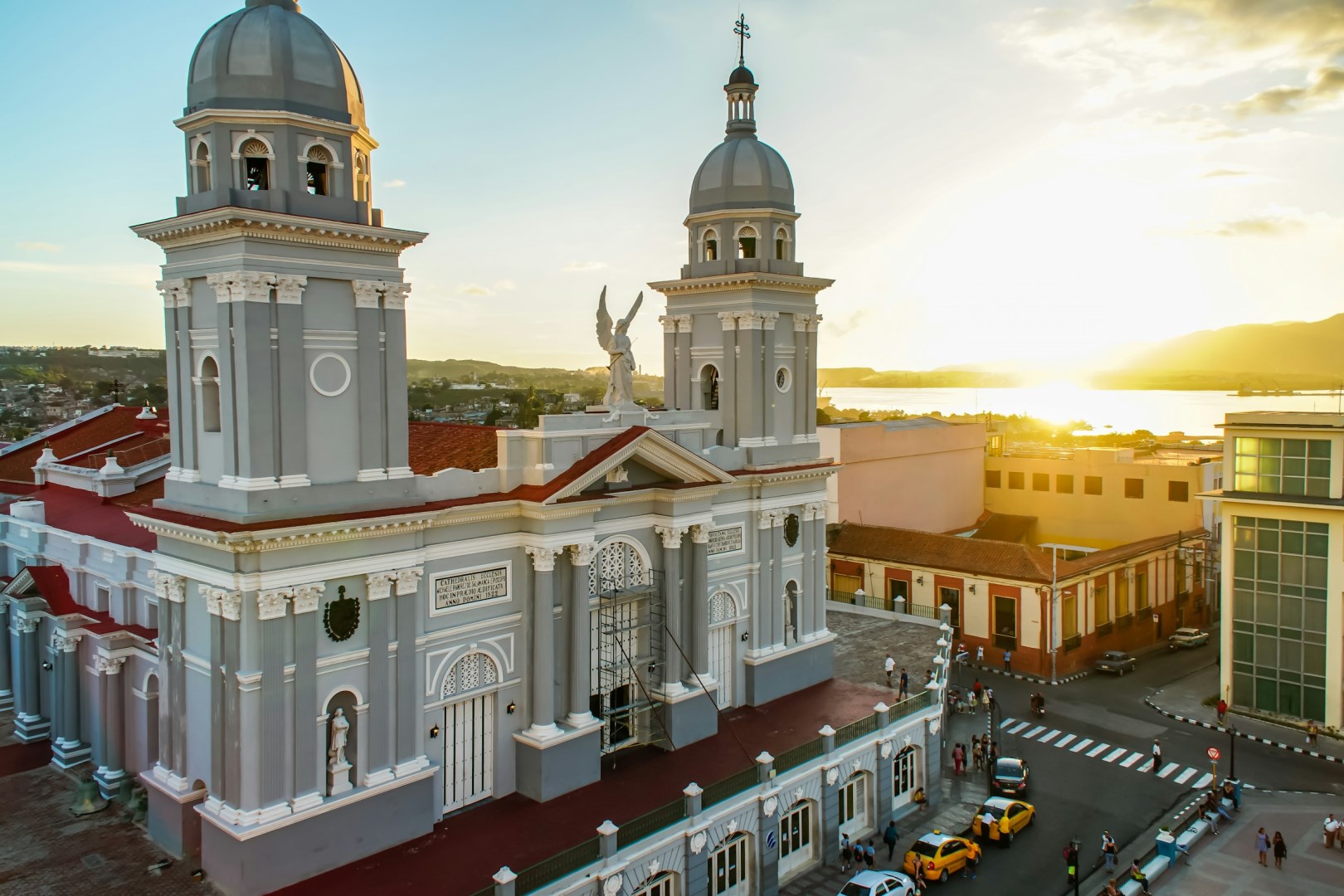
Santiago, the cultural capital of Cuba, is a passionate, unique destination, second in size and importance only to Havana, the governmental capital of the island. Some of Cuba's most famous musicians were born here, as well as the Bacardi brand of spirits, and the UNESCO World Heritage describes the local citadel of San Pedro de la Roca as "the most complete, best-preserved example of Spanish-American military architecture."
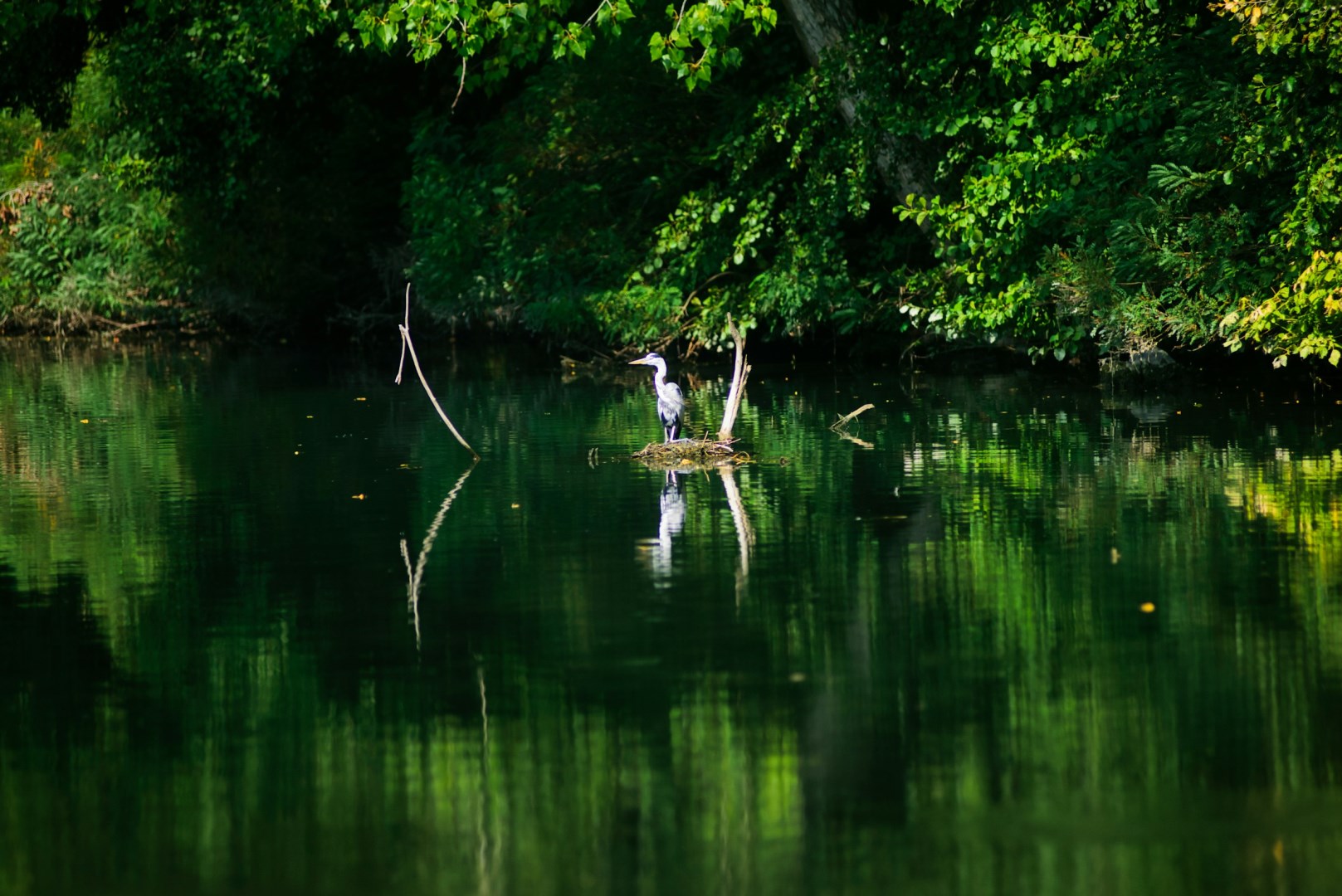
The Po River, the longest in Italy, flows eastward from Monte Viso, in the Cottian Alps, through the northern part of the country and drains into the Adriatic Sea near Venice. The Po flows through many important Italian cities, including Turin, Cremona, Piacenza, Ferrara.
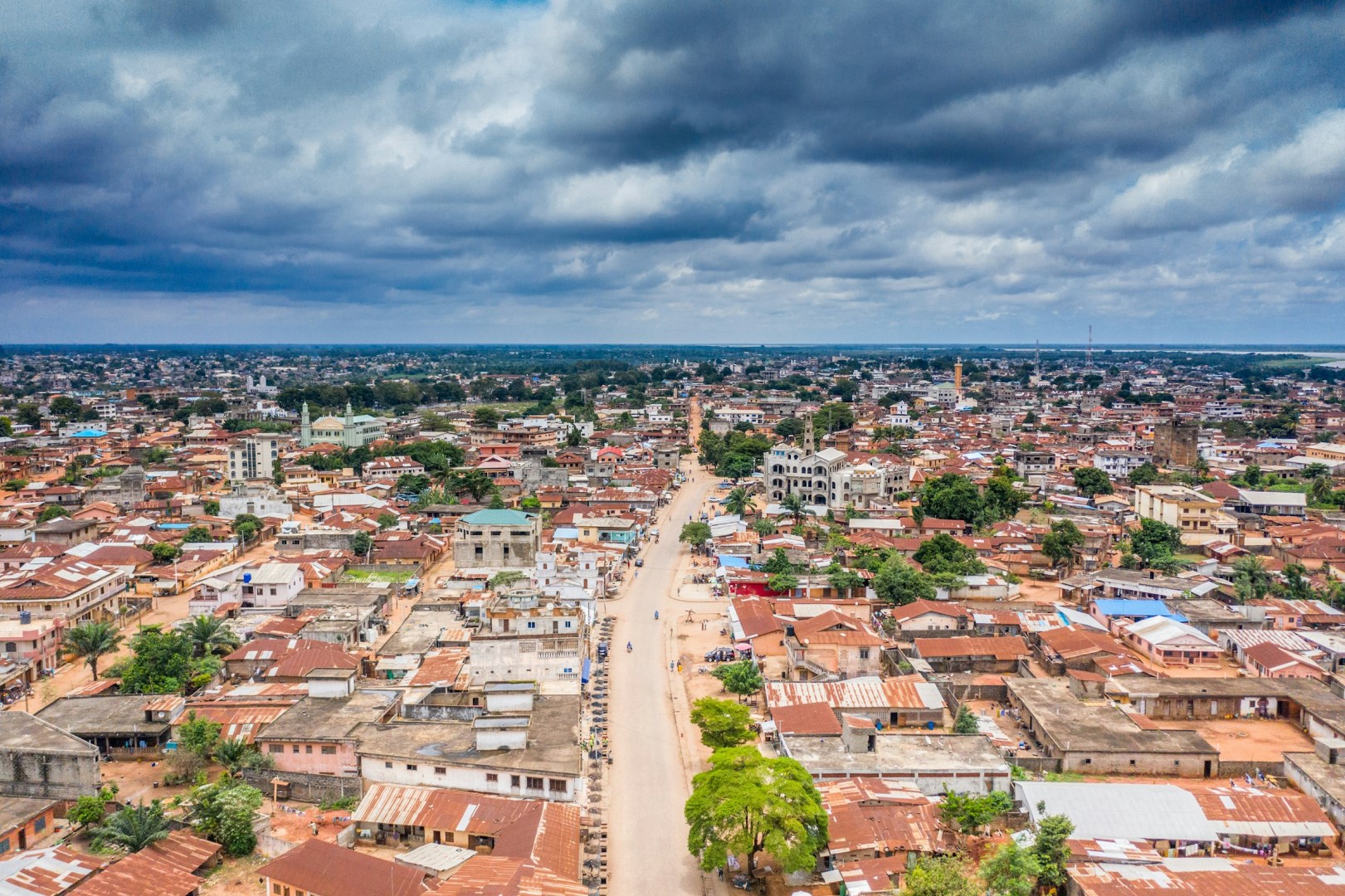
Porto-Novo is the political capital of Benin, located in the country's southeast near the Porto-Novo Lagoon and not far from the Nigerian border. The city is known for its combination of Yoruba heritage, royal traditions, and Afro-Brazilian architecture. Historic neighbourhoods contain distinctive buildings with decorated facades, while markets, workshops, museums, and religious sites remain part of everyday urban life.
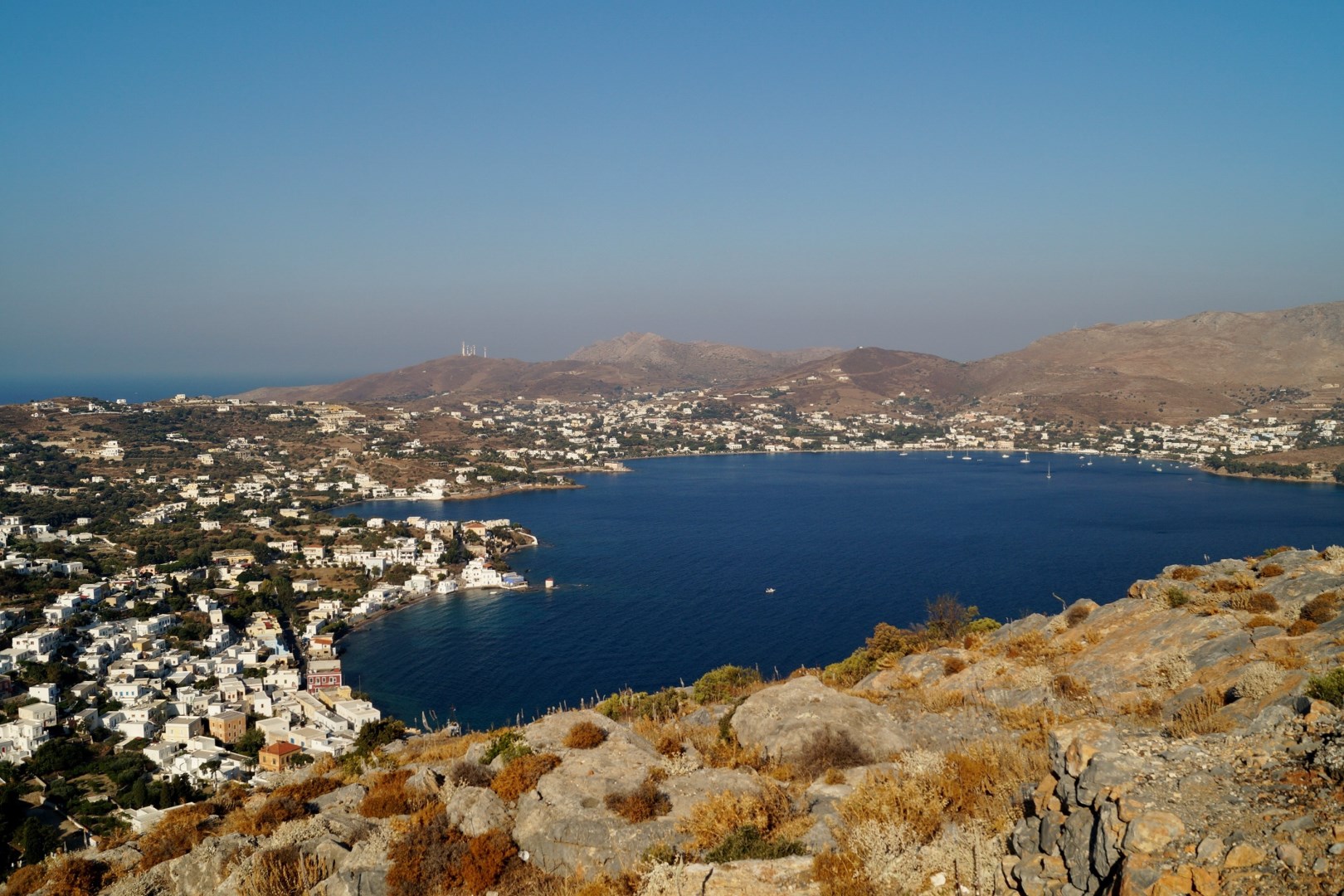
Leros Island, Greece, rests quietly in the Aegean Sea, offering a combination of sun-drenched beaches and historical landmarks that invite exploration. The main town, Agia Marina, spreads along a natural harbor, where fishing boats and small yachts sway gently against the backdrop of colorful houses climbing the hillside. Winding streets reveal a mix of architecture, from traditional whitewashed homes to neoclassical buildings.
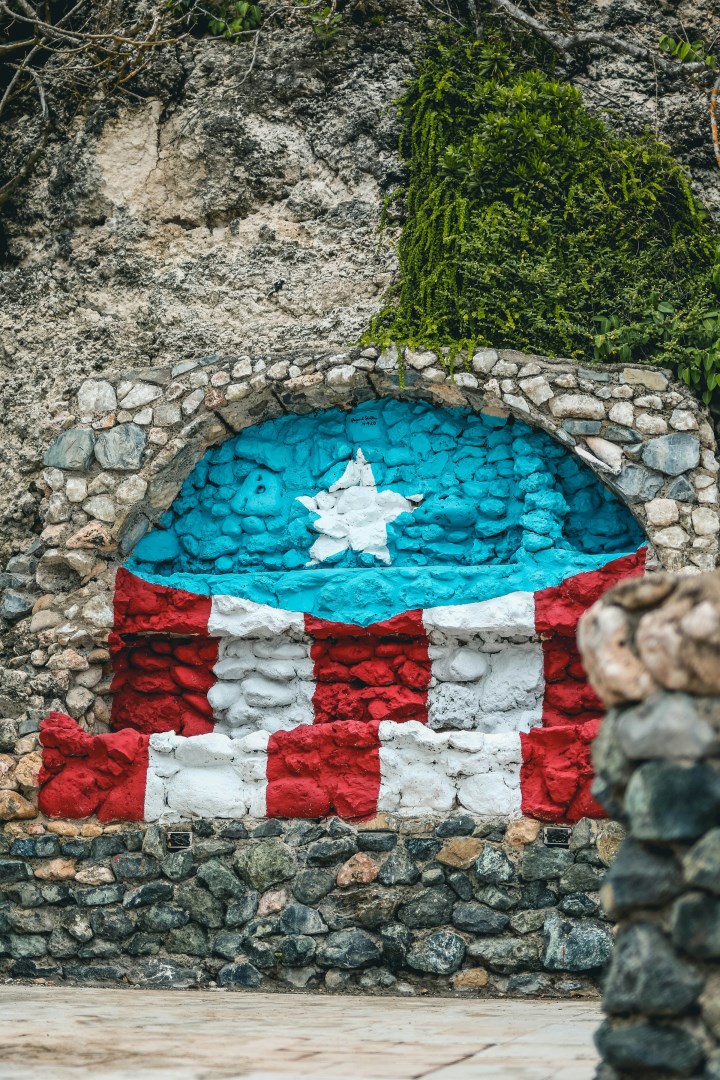
Isabela is a coastal municipality on the northwestern side of Puerto Rico, where limestone hills meet the Atlantic Ocean. Its landscape includes long beaches, rocky shores, caves, karst formations, wetlands, and areas of tropical vegetation. Isabela is often associated with surfing and other coastal activities, while inland communities retain a strong agricultural character. The municipality is sometimes called the “Garden of the Northwest,” reflecting its fertile countryside and rural landscape
Photo Credit: Photo by Meg von Haartman on Unsplash
Photo Credit: Photo by Ming Chen on Unsplash
Photo Credit: Photo by Letian Zhang on Unsplash
Photo Credit: Photo by Meina Yin on Unsplash
Photo Credit: Photo by Angela Márquez on Unsplash
Photo Credit: Photo by Adèle Beausoleil on Unsplash
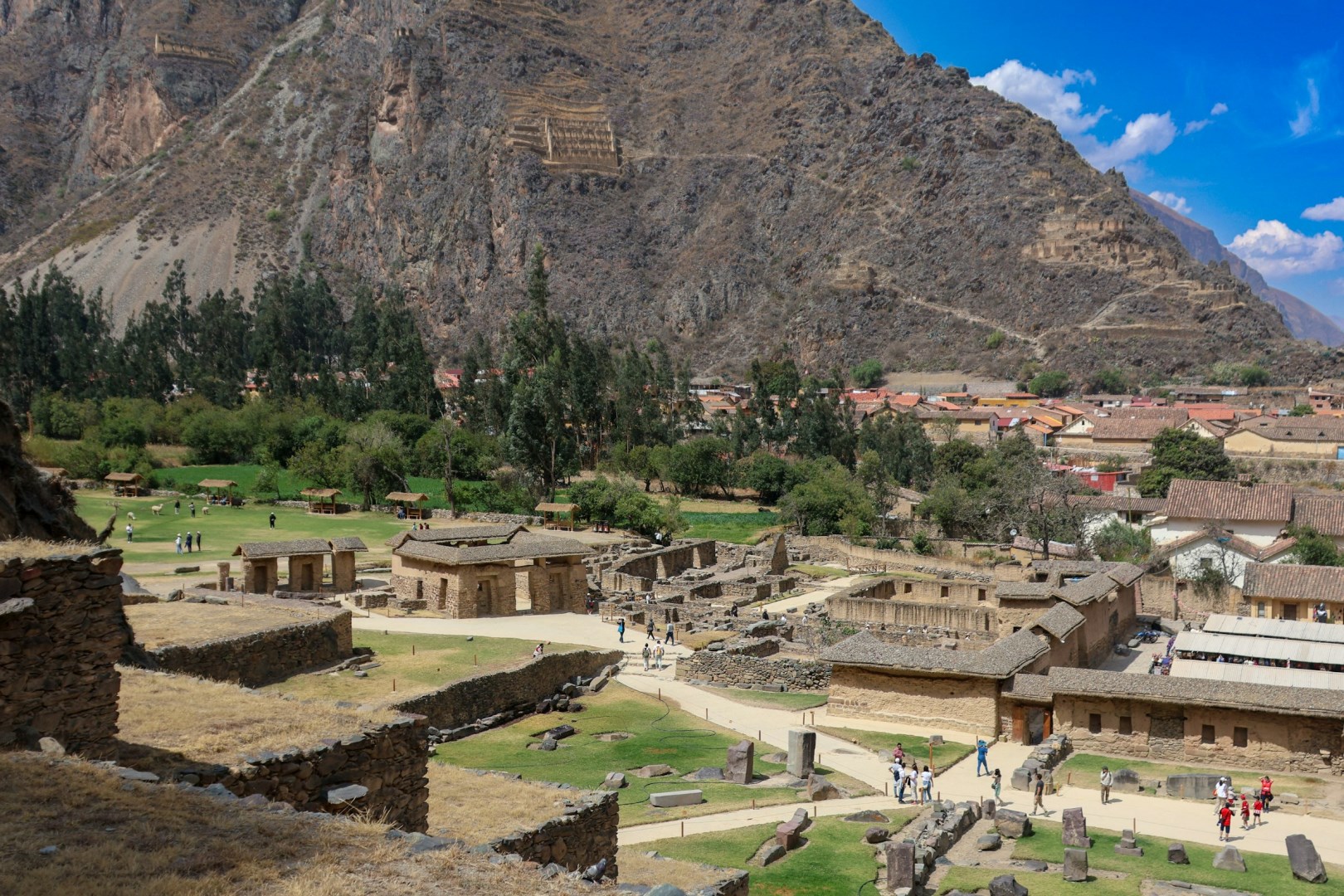
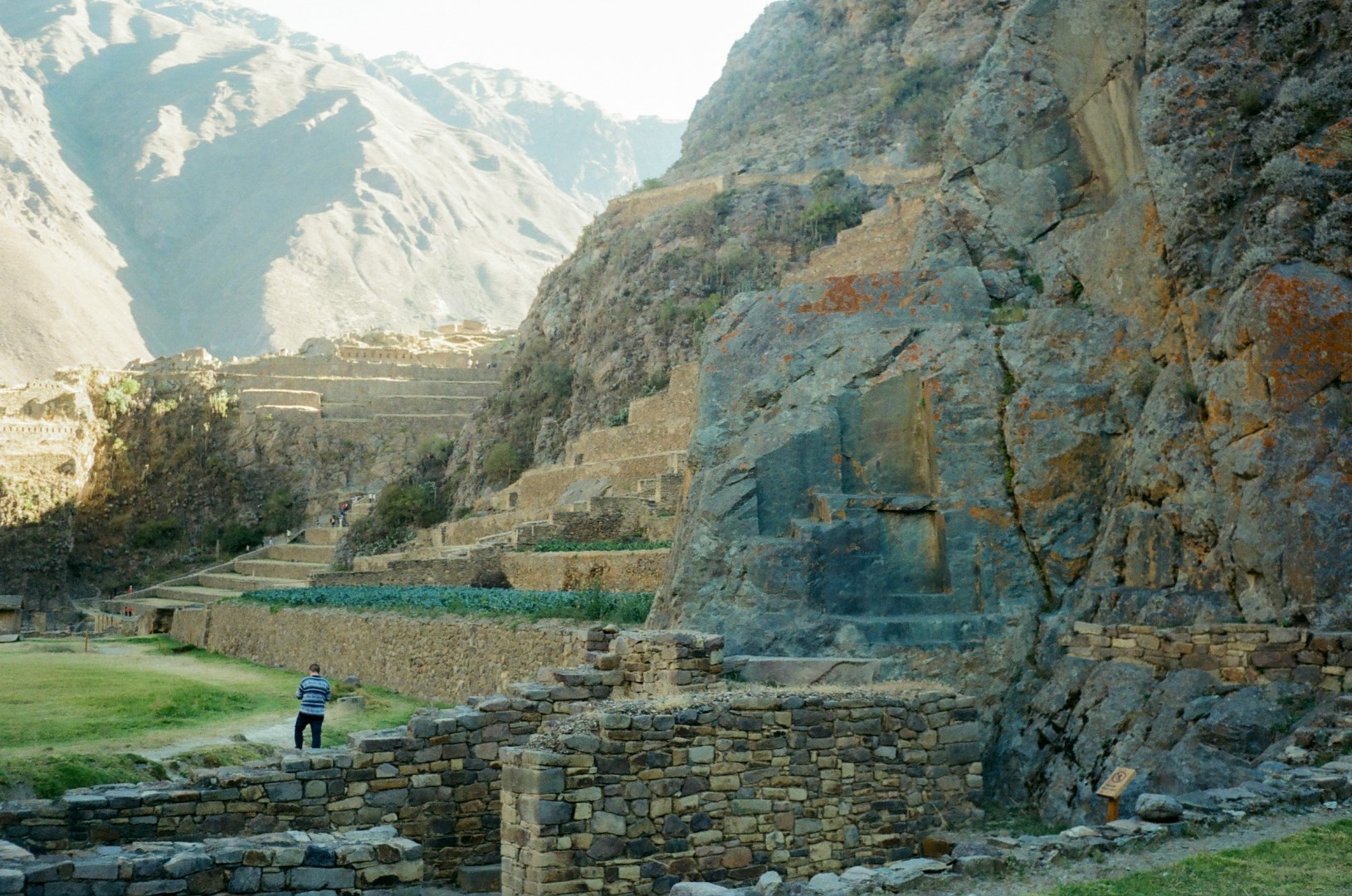
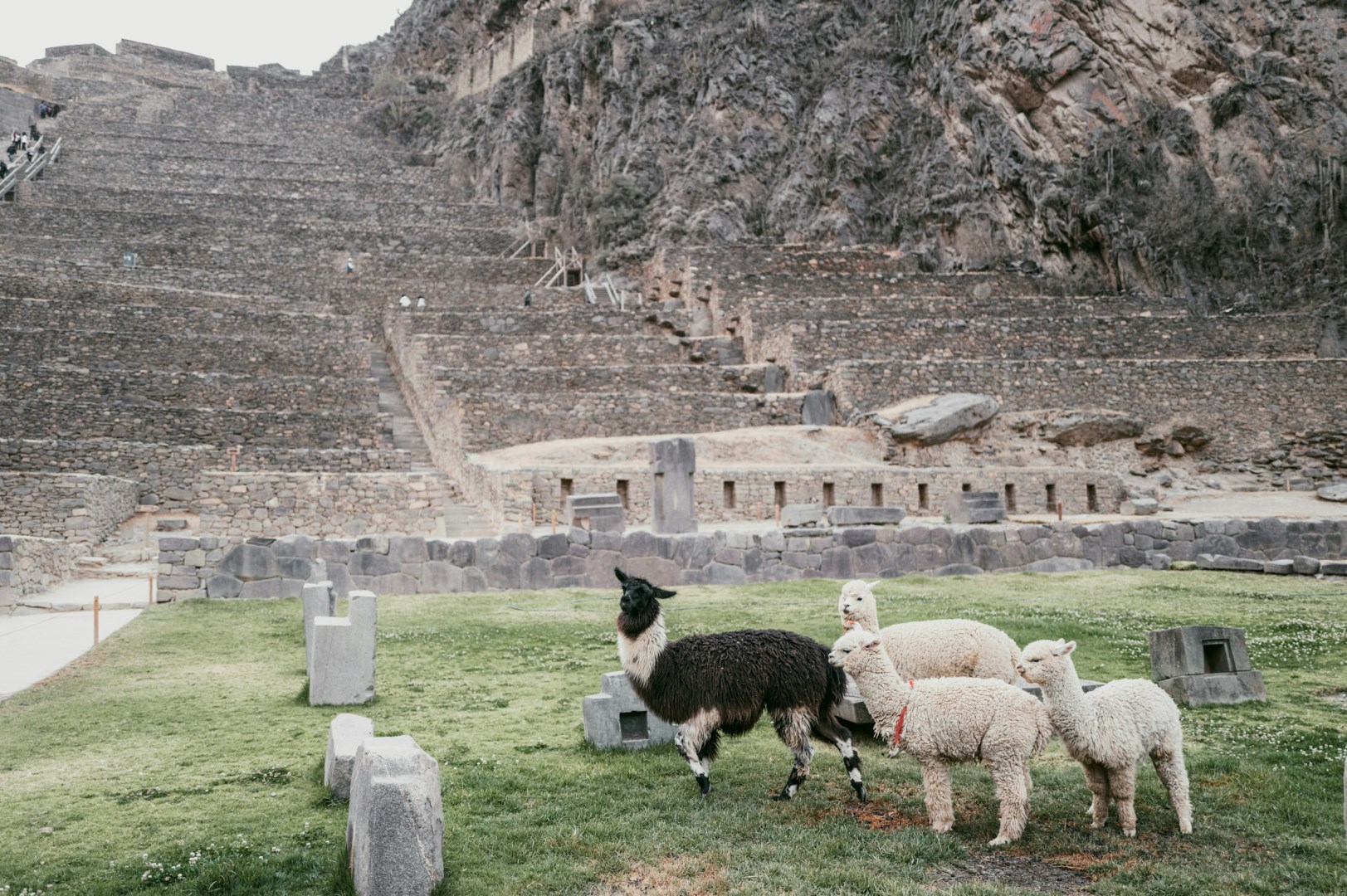
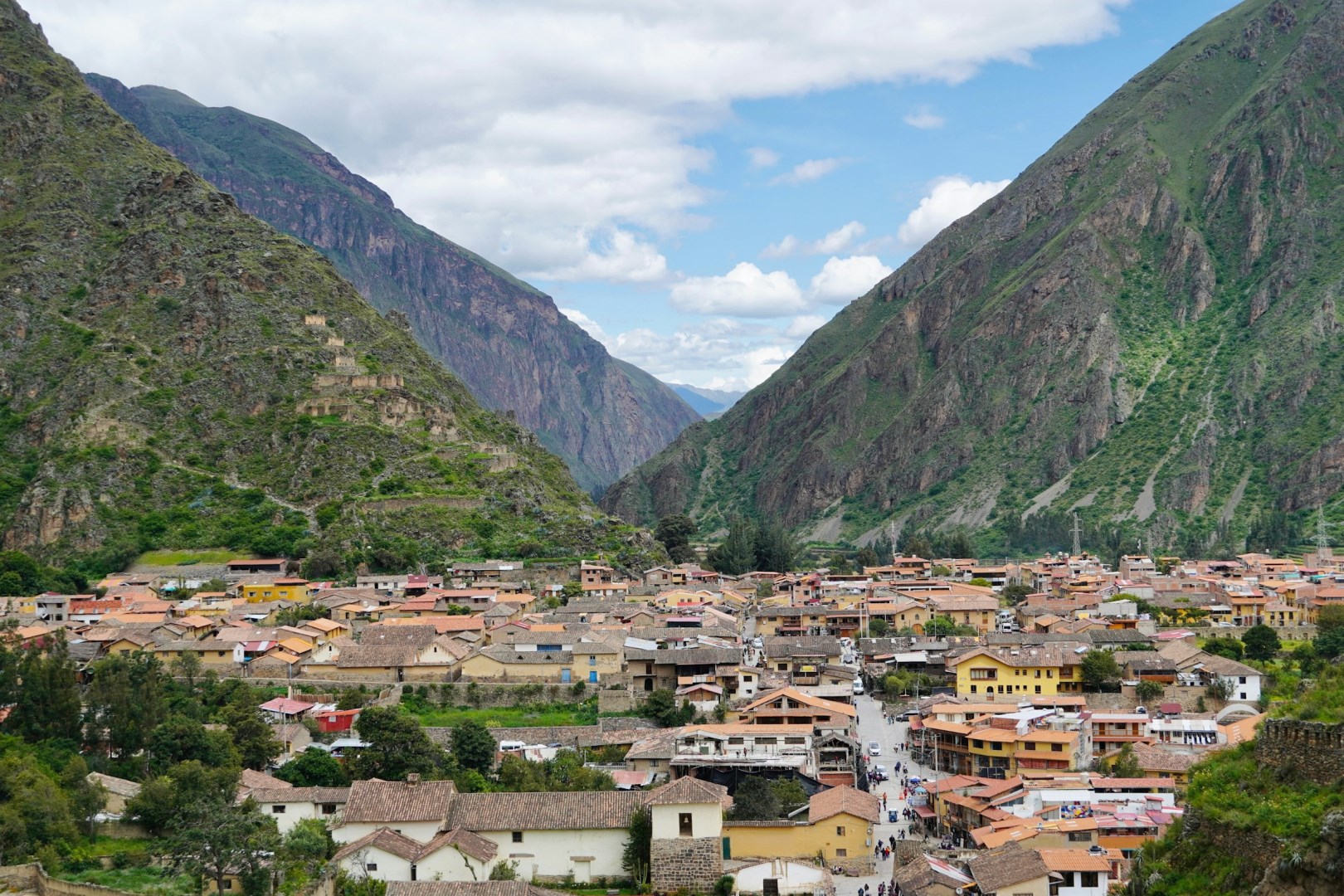
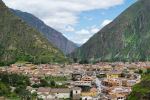
Most commonly reached via travel from Cusco, Ollantaytambo is an Incan archaeological site in the Sacred Valley of southern Peru. The town dates from the late 15th century and is home to some of the oldest continuously-occupied dwellings in South America. Its primary attraction is the fortress ruins, and it's also a favorite starting point for the famous Inca Trail, a four-day, three-night hike to Machu Picchu.
Other Popular Destinations in Peru
Cusco
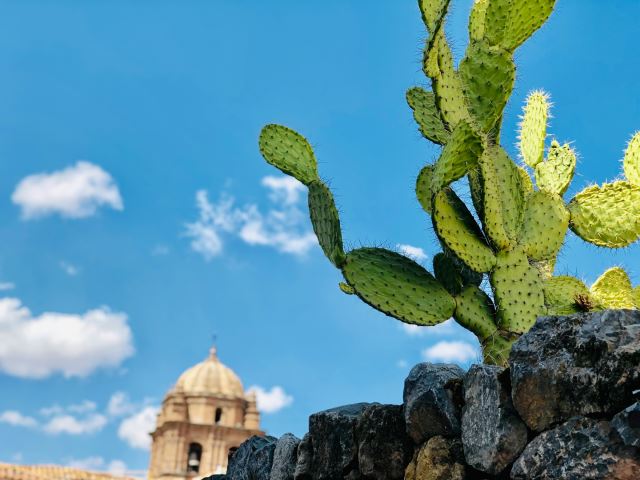
Cusco once served as the heart of the Inca Empire, and that legacy still shapes every corner of the city even as it serves as a gateway to Machu Picchu. Outside the historic center, the ruins of Sacsayhuamán overlook the city from a nearby hilltop. This ceremonial complex is best known for its massive zigzag stone walls, some weighing over 100 tons. During the Inti Raymi festival in June, thousands gather here to reenact ancient Andean rituals.
Machu Picchu
Machu Picchu is a story carved into stone, perched nearly 2,500 meters above sea level in the cloud forests of southern Peru. Built in the 15th century and later abandoned, this Inca citadel was unknown to the outside world until 1911, when explorer Hiram Bingham brought it to international attention. Today, it remains remarkably well-preserved, with more than 150 stone structures, terraced fields, ceremonial fountains, and temples aligned with astronomical events.