The Bahamas, an archipelago of more than 700 islands and cays, is known for its dazzling turquoise waters, powdery white and pink sand beaches, and vibrant culture rooted in African, British, and Caribbean influences.
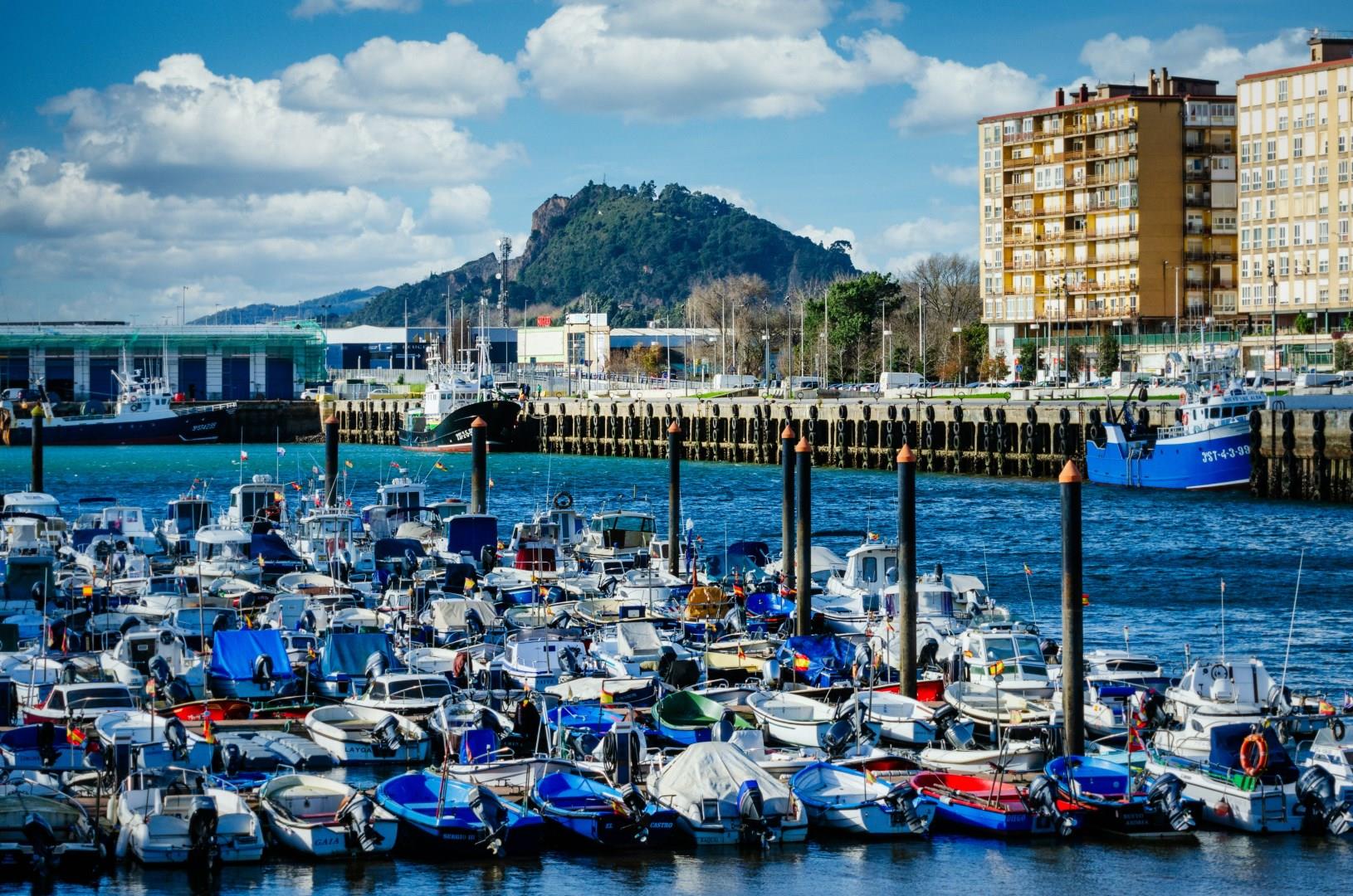
Santander, the capital of Spain’s Cantabria region, sits along the Bay of Biscay and offers travelers a mix of coastline, culture, and history shaped by centuries of maritime life. Once a bustling port for Castilian exports, Santander saw its golden age in the 19th century when Spanish royalty turned it into a summer retreat. The legacy of that era remains visible at the Palacio de la Magdalena, perched on a peninsula with views of the sea and home to royal stables, a mini zoo, and guided tours.
Negril, Jamaica, offers an idyllic escape with its renowned Seven Mile Beach, a stretch of golden sand that is consistently ranked among the world's top beaches. The crystal-clear waters and gentle waves make it a perfect spot for swimming, snorkeling, and sunbathing. The beach is lined with vibrant beach bars and restaurants where visitors can enjoy local dishes and tropical drinks while soaking up the Caribbean ambiance.
Kerala, India is a lush, tropical paradise that captivates travelers with its serene backwaters, vibrant culture, and stunning landscapes. Nestled between the Arabian Sea and the Western Ghats, Kerala boasts a unique blend of natural beauty and cultural richness. The tranquil backwaters of Alleppey and Kumarakom offer a quintessential Kerala experience, where visitors can cruise on traditional houseboats through a labyrinth of canals, lagoons, and lakes.
Photo Credit: Photo by Meg von Haartman on Unsplash
Photo Credit: Photo by Ming Chen on Unsplash
Photo Credit: Photo by Letian Zhang on Unsplash
Photo Credit: Photo by Meina Yin on Unsplash
Photo Credit: Photo by Angela Márquez on Unsplash
Photo Credit: Photo by Adèle Beausoleil on Unsplash
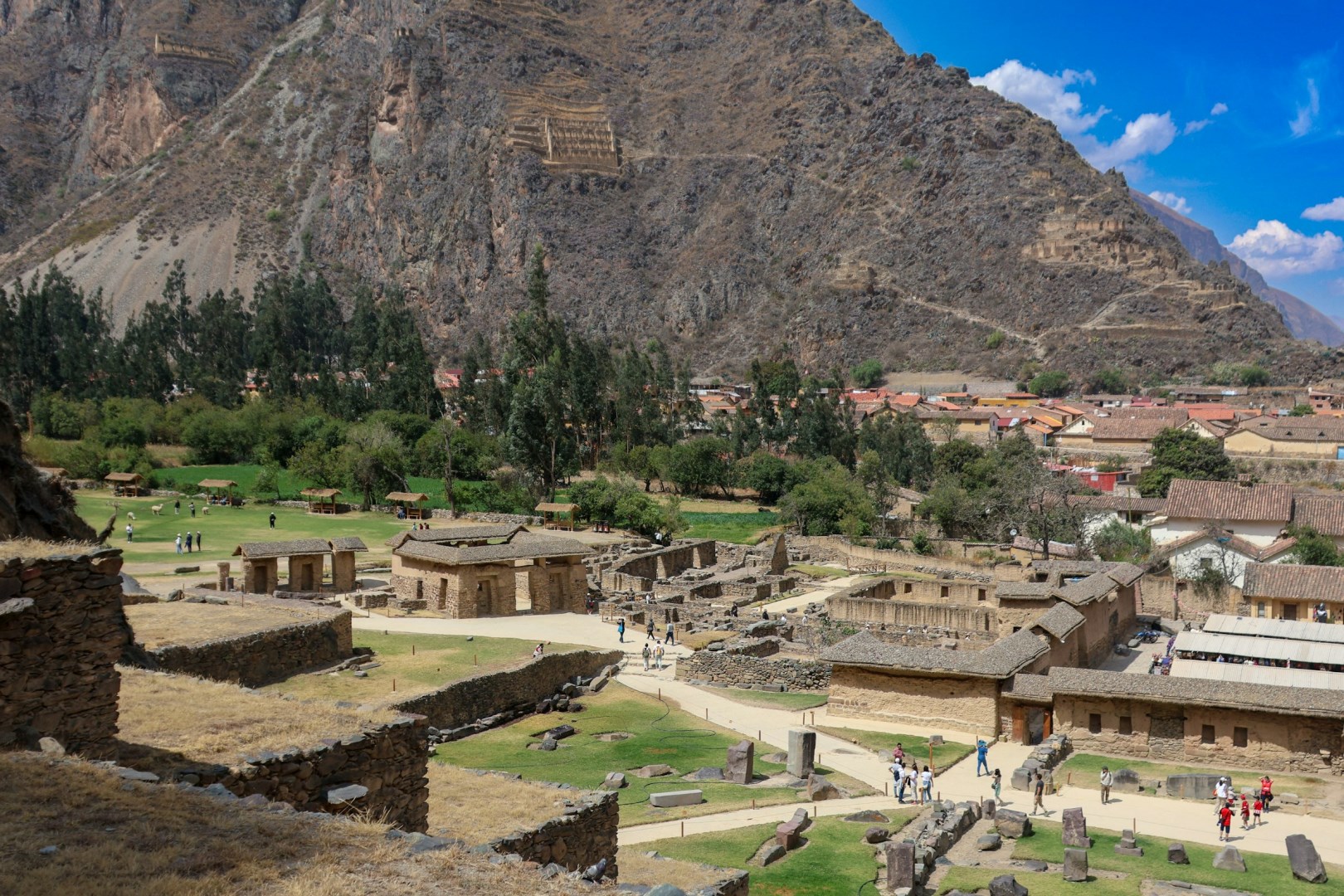
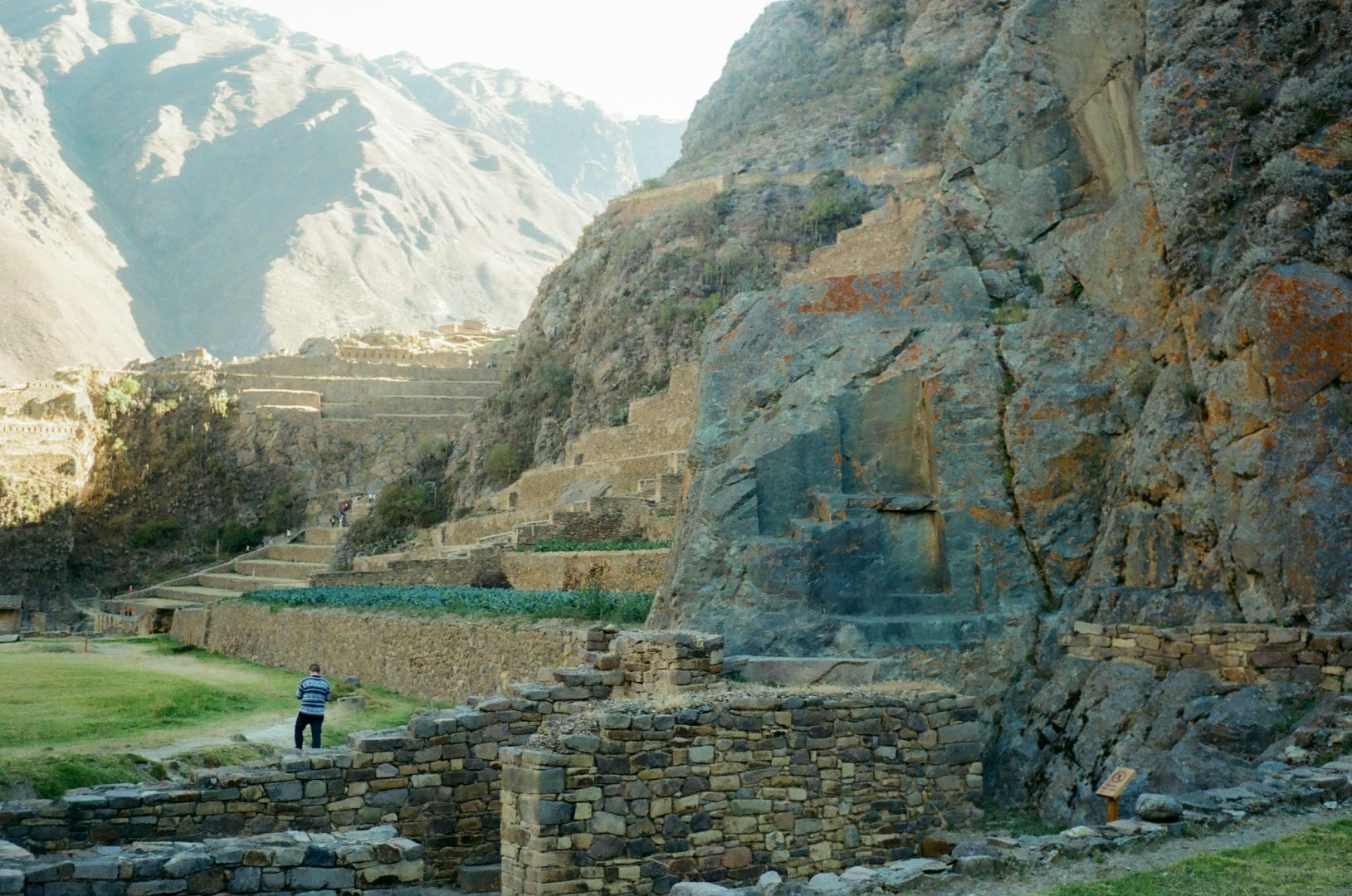
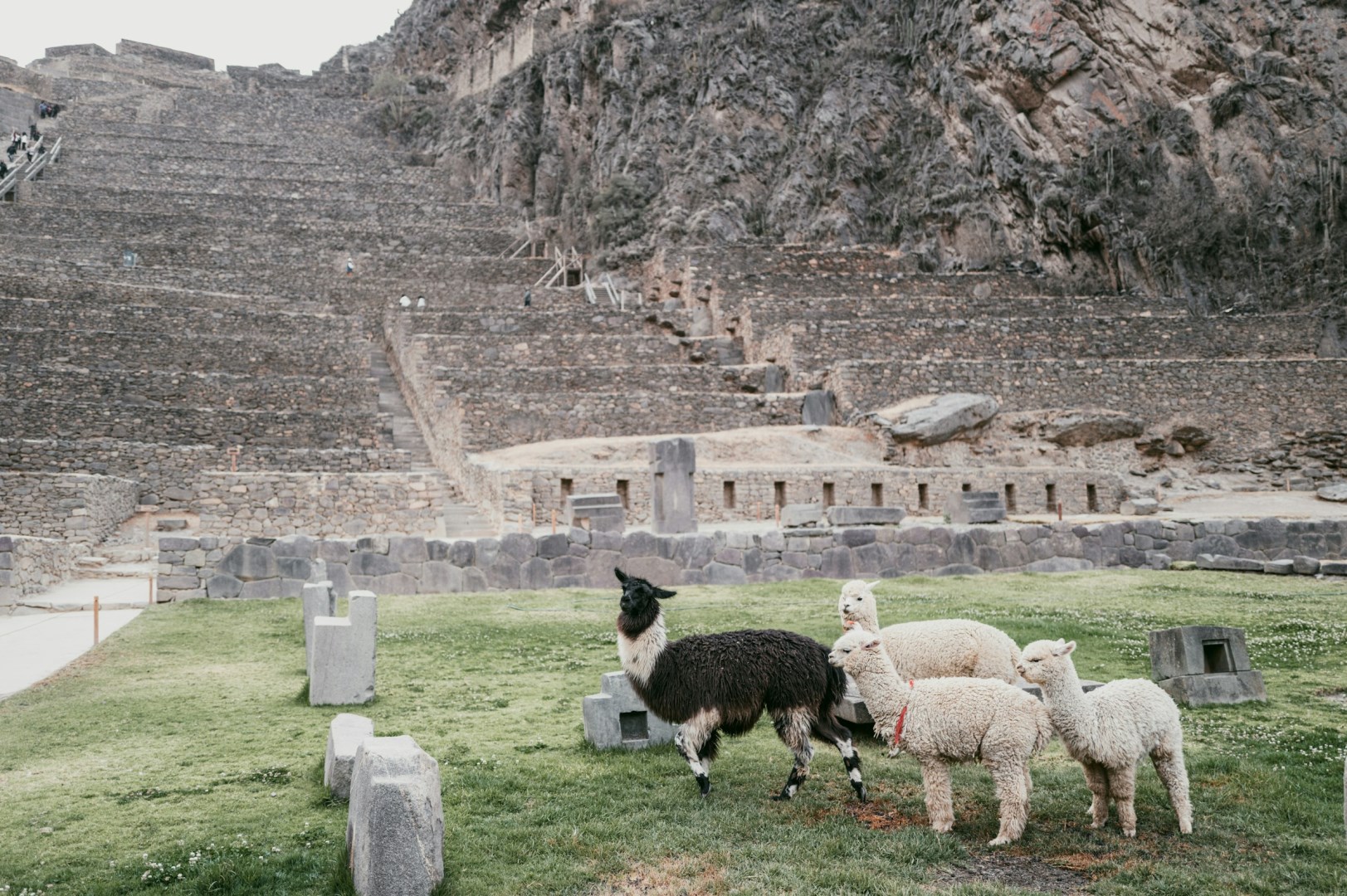
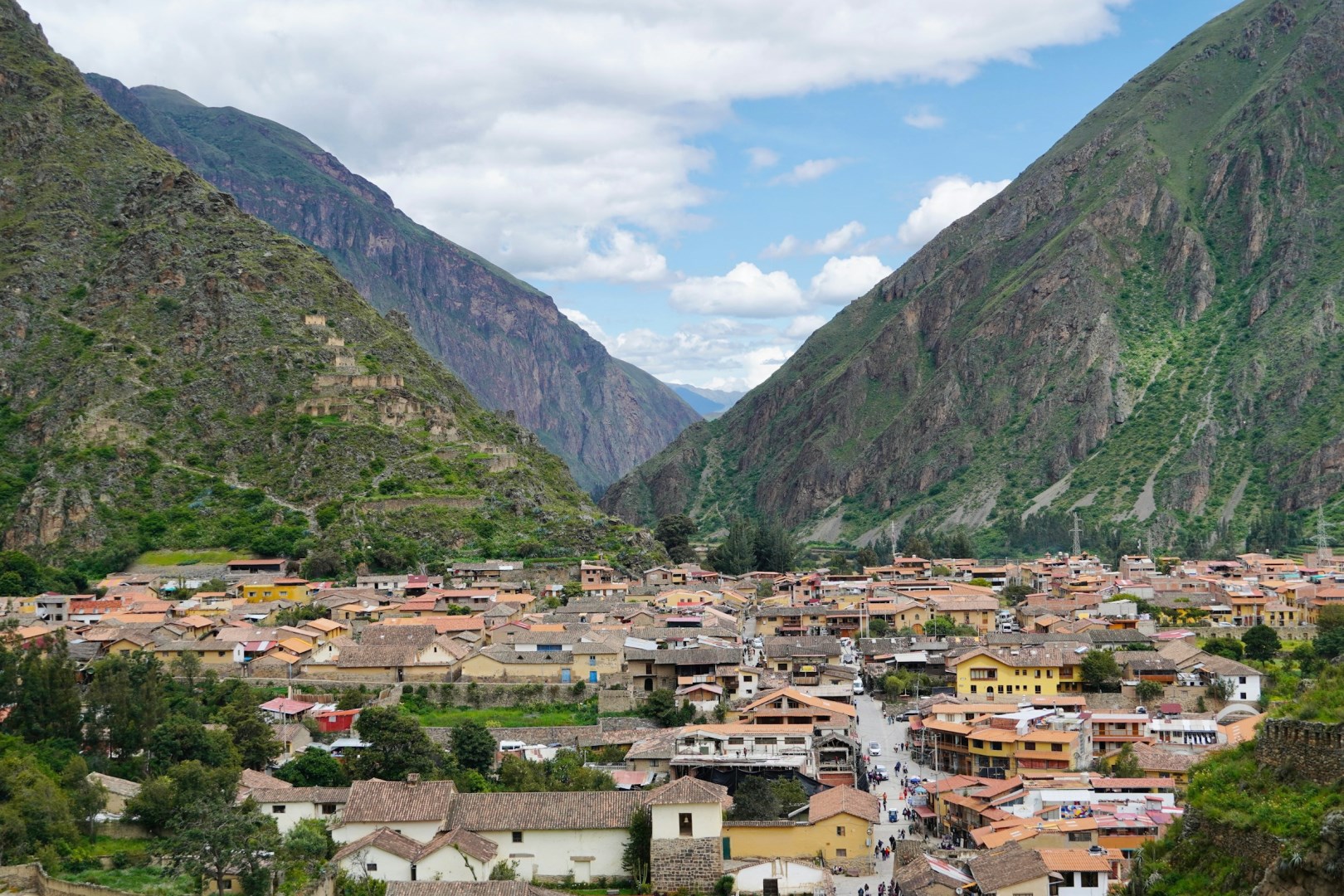
Most commonly reached via travel from Cusco, Ollantaytambo is an Incan archaeological site in the Sacred Valley of southern Peru. The town dates from the late 15th century and is home to some of the oldest continuously-occupied dwellings in South America. Its primary attraction is the fortress ruins, and it's also a favorite starting point for the famous Inca Trail, a four-day, three-night hike to Machu Picchu.
Other Popular Destinations in Peru
Cusco
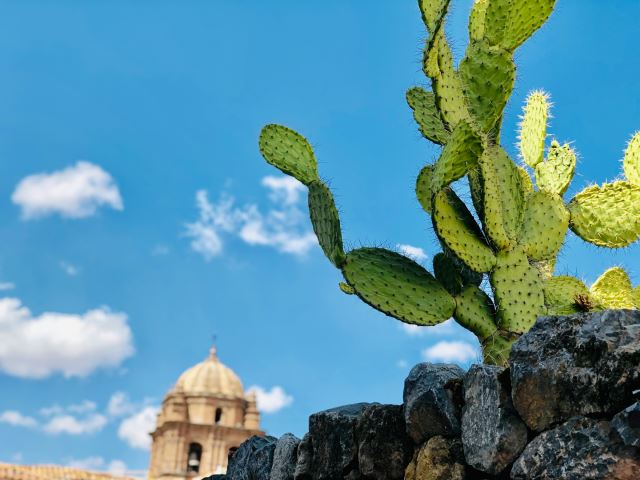
Cusco once served as the heart of the Inca Empire, and that legacy still shapes every corner of the city even as it serves as a gateway to Machu Picchu. Outside the historic center, the ruins of Sacsayhuamán overlook the city from a nearby hilltop. This ceremonial complex is best known for its massive zigzag stone walls, some weighing over 100 tons. During the Inti Raymi festival in June, thousands gather here to reenact ancient Andean rituals.
Machu Picchu
Machu Picchu is a story carved into stone, perched nearly 2,500 meters above sea level in the cloud forests of southern Peru. Built in the 15th century and later abandoned, this Inca citadel was unknown to the outside world until 1911, when explorer Hiram Bingham brought it to international attention. Today, it remains remarkably well-preserved, with more than 150 stone structures, terraced fields, ceremonial fountains, and temples aligned with astronomical events.