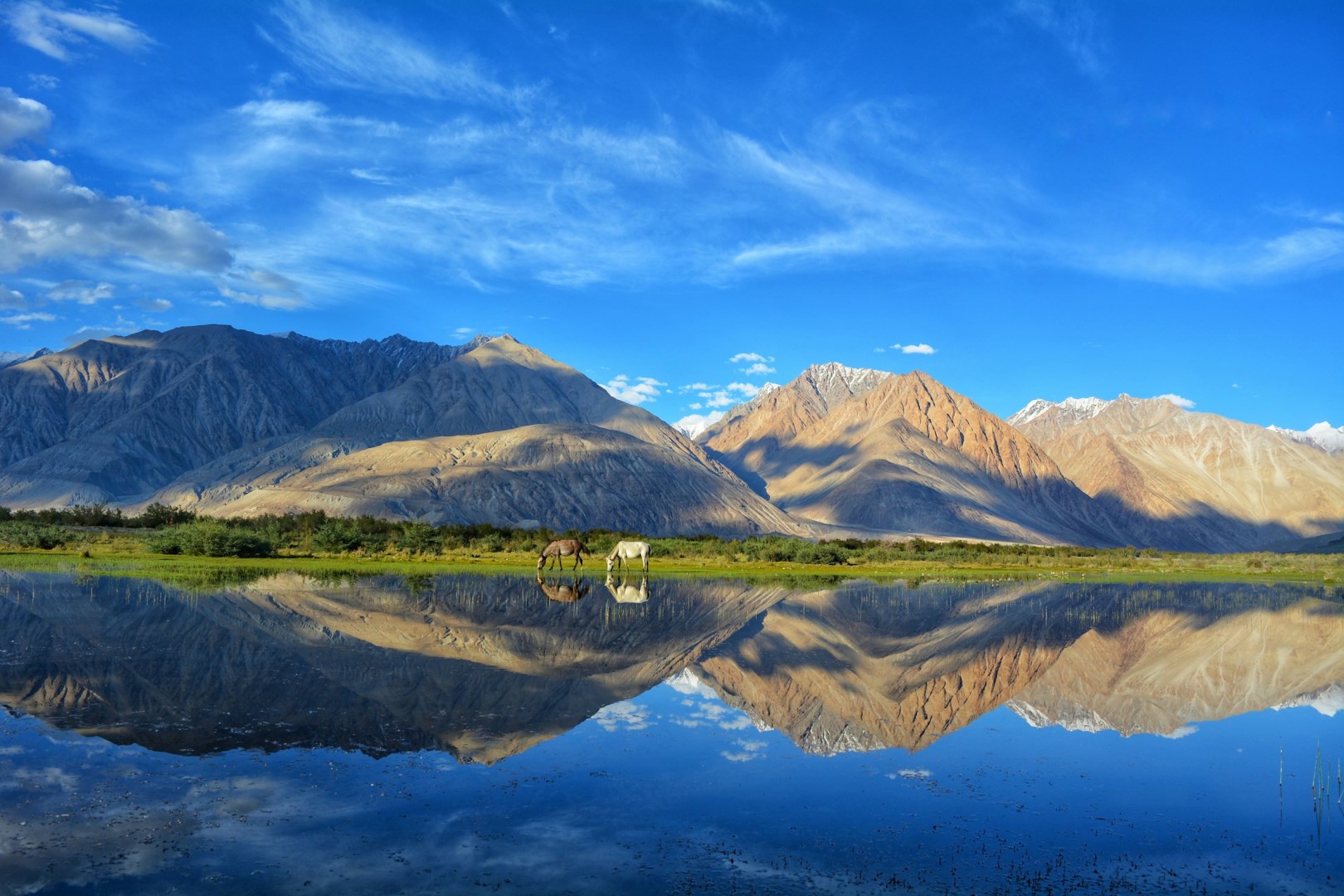
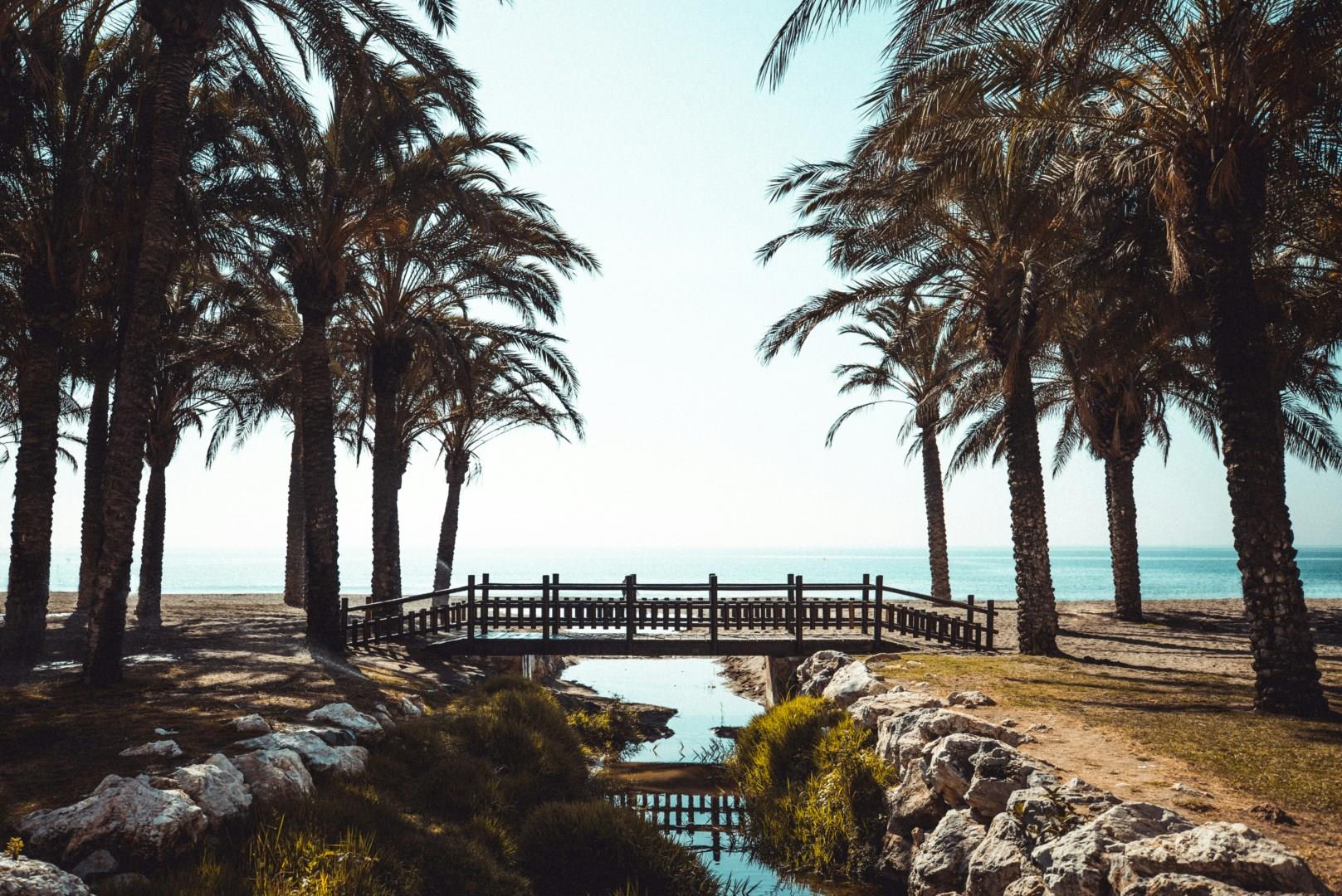
Nestled on the sun-drenched southern coast of Madeira, Funchal, the island's capital, offers an enchanting mix of old-world charm, vibrant culture, and natural beauty. This picturesque city, set against a backdrop of rugged mountains and the deep blue Atlantic Ocean, is known for its lush botanical gardens, stunning vistas, and year-round mild climate.
Mijas, perched on the hillside above the Costa del Sol, blends centuries of Andalusian tradition with views that stretch across the Mediterranean. The whitewashed buildings of Mijas Pueblo reflect sunlight from narrow cobbled streets that wind through small plazas, each with its own fountain, chapel, or overlook. The town’s layout still follows Moorish-era planning, and remnants of the old wall (La Muralla) offer shaded walks lined with native plants and panoramic views over the coast.
The Gulf of Oman is a region of diverse landscapes and rich history. Stretching between the coasts of Oman, the United Arab Emirates, and Iran, this gulf is lined with stunning shorelines, port cities, and hidden natural gems.
Port of Spain, the capital of Trinidad and Tobago, is a city that brims with cultural energy and layered history. Set against the backdrop of the Northern Range mountains and overlooking the Gulf of Paria, it has long been a hub of trade, migration, and creativity.
Marbella, located between the Mediterranean Sea and the Sierra Blanca mountains, is often associated with its luxury resorts and famous marina, Puerto Banús. But beyond the polished storefronts and designer yachts, the city has a layered past. Its old town, known as Casco Antiguo, is a well-preserved network of narrow streets built during Moorish rule, with whitewashed buildings, flower-filled balconies, and hidden plazas like Plaza de los Naranjos, which dates back to the 15th century.
Indianapolis, known as the Crossroads of America, is more than just a hub for interstates and conventions, it’s a city where speed, sports, and creativity intersect. At the center of it all is Monument Circle, a grand civic plaza anchored by the Soldiers and Sailors Monument, which visitors can climb for panoramic views of the skyline. Just a few blocks away is the Indianapolis Motor Speedway, the largest sporting venue in the world by capacity.
Its legacy as the former imperial capital of Vietnam is just one of many reasons to visit Hue. For more than a century, the emperors of the Nguyen dynasty (1802-1945) ruled from the Forbidden Purple City, the innermost enclosure of the citadel. Today, this complex is designated as a UNESCO World Heritage site and draws millions of visitors each year. Besides stimulating the tourism industry, Hue's rich history has also had a significant impact on the culture and characteristics of the city and its people, including naming customs, fashion, and cuisine.