





East and Southeast Asia | Vietnam | Huế



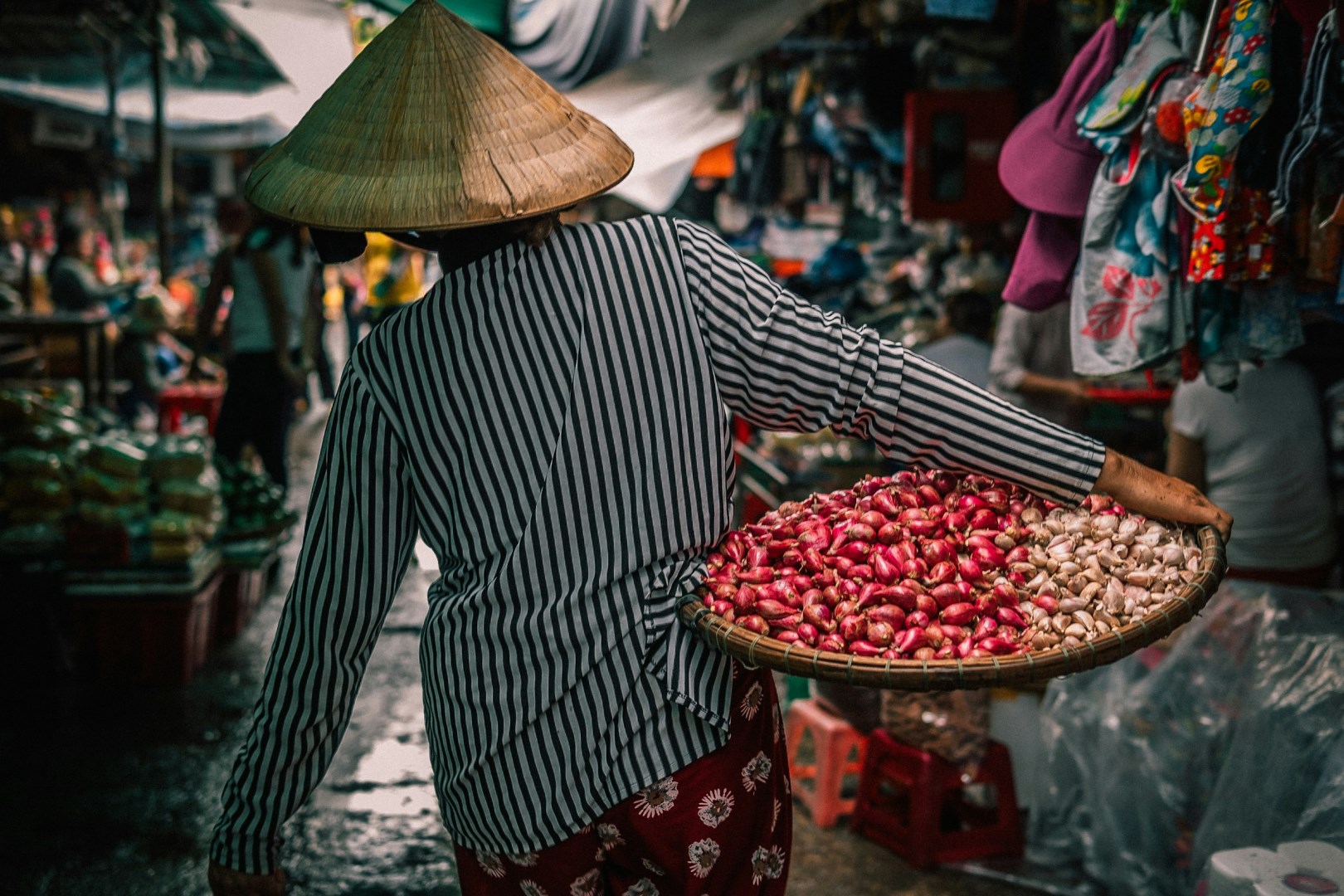

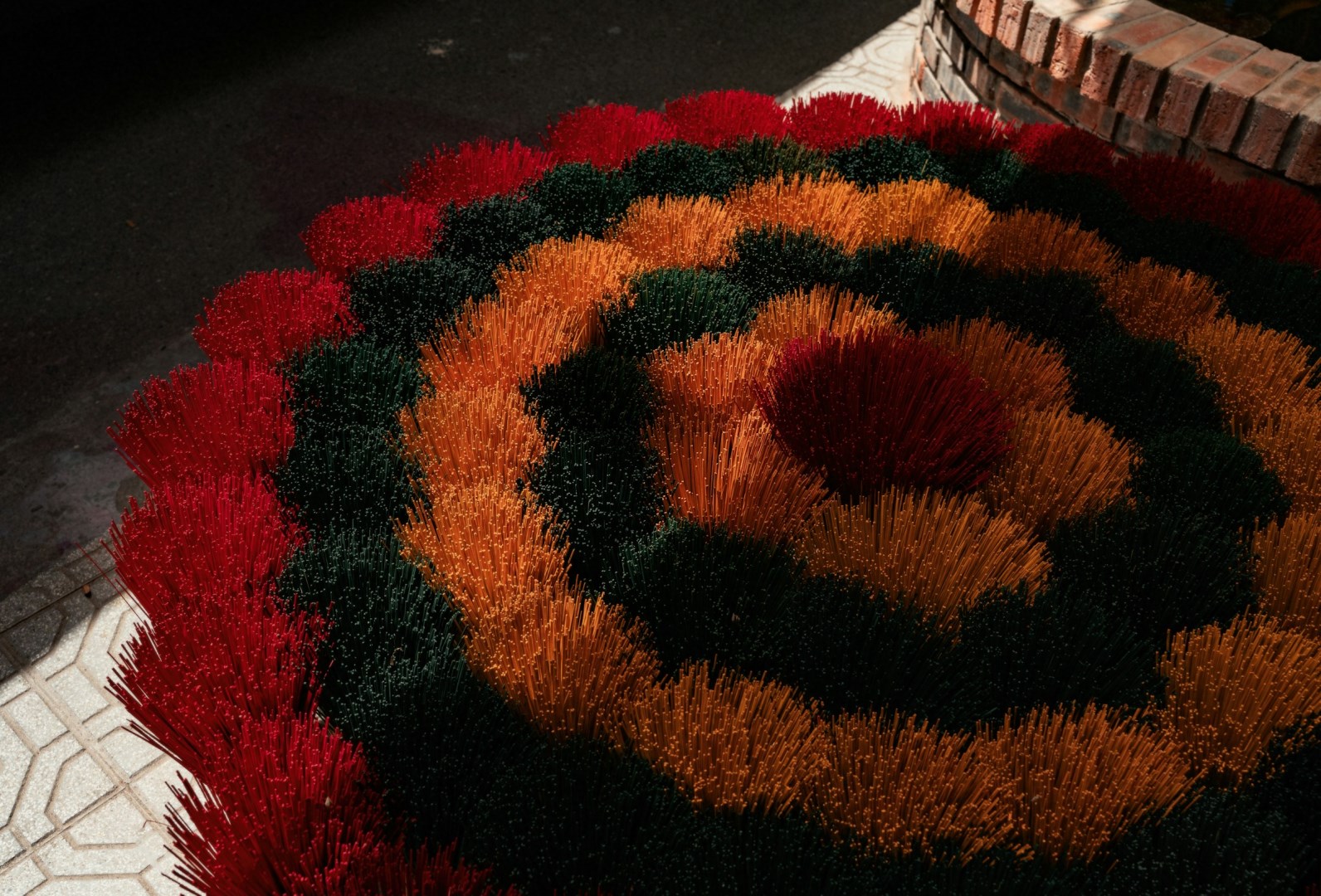

Its legacy as the former imperial capital of Vietnam is just one of many reasons to visit Hue. For more than a century, the emperors of the Nguyen dynasty (1802-1945) ruled from the Forbidden Purple City, the innermost enclosure of the citadel. Today, this complex is designated as a UNESCO World Heritage site and draws millions of visitors each year. Besides stimulating the tourism industry, Hue's rich history has also had a significant impact on the culture and characteristics of the city and its people, including naming customs, fashion, and cuisine.
Learn More About Huế
Mausoleum of Emperor Tu Duc
The Mausoleum of Emperor Tu Duc, in a wooded valley outside Hue, is one of the most distinctive royal tomb complexes of the Nguyen dynasty. Rather than serving only as a burial site, the complex was designed as a retreat where the emperor could spend time surrounded by gardens, ponds, pavilions, and traditional Vietnamese architecture. Luu Khiem Lake forms a central feature, with Xung Khiem Pavilion and Du Khiem Pavilion overlooking the water. The site also includes Hoa Khiem Temple, where Tu Duc and Empress Le Thien Anh were honored, while the modest burial area contrasts with the scale of the surrounding grounds.
Other Popular Destinations in Vietnam

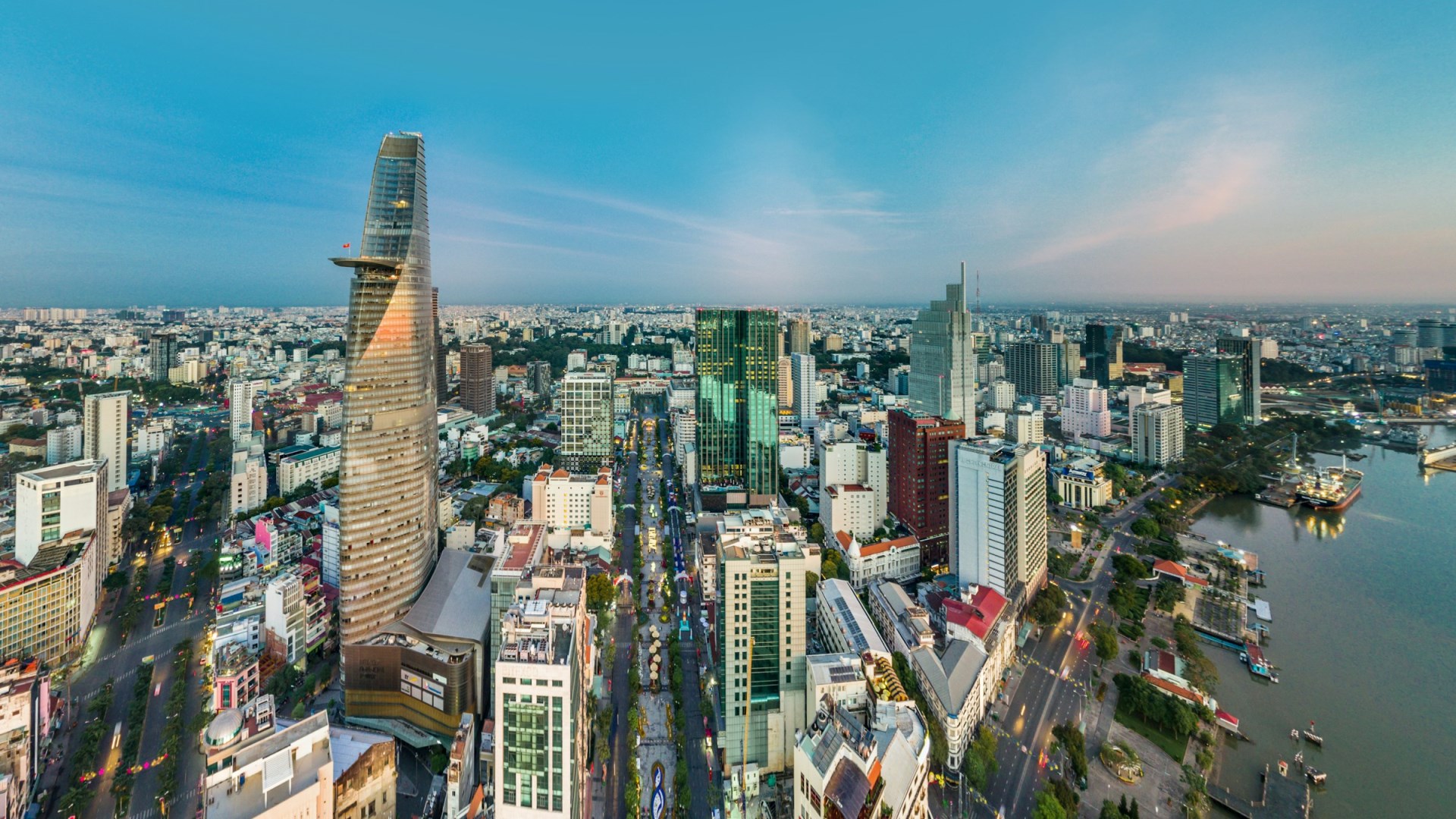
Ho Chi Minh City, Vietnam’s largest metropolis, is a dynamic hub where history, culture, and commerce intersect. Formerly known as Saigon, the city reflects layers of its past, from French colonial architecture to markets and historic districts that capture the energy of daily life.

