



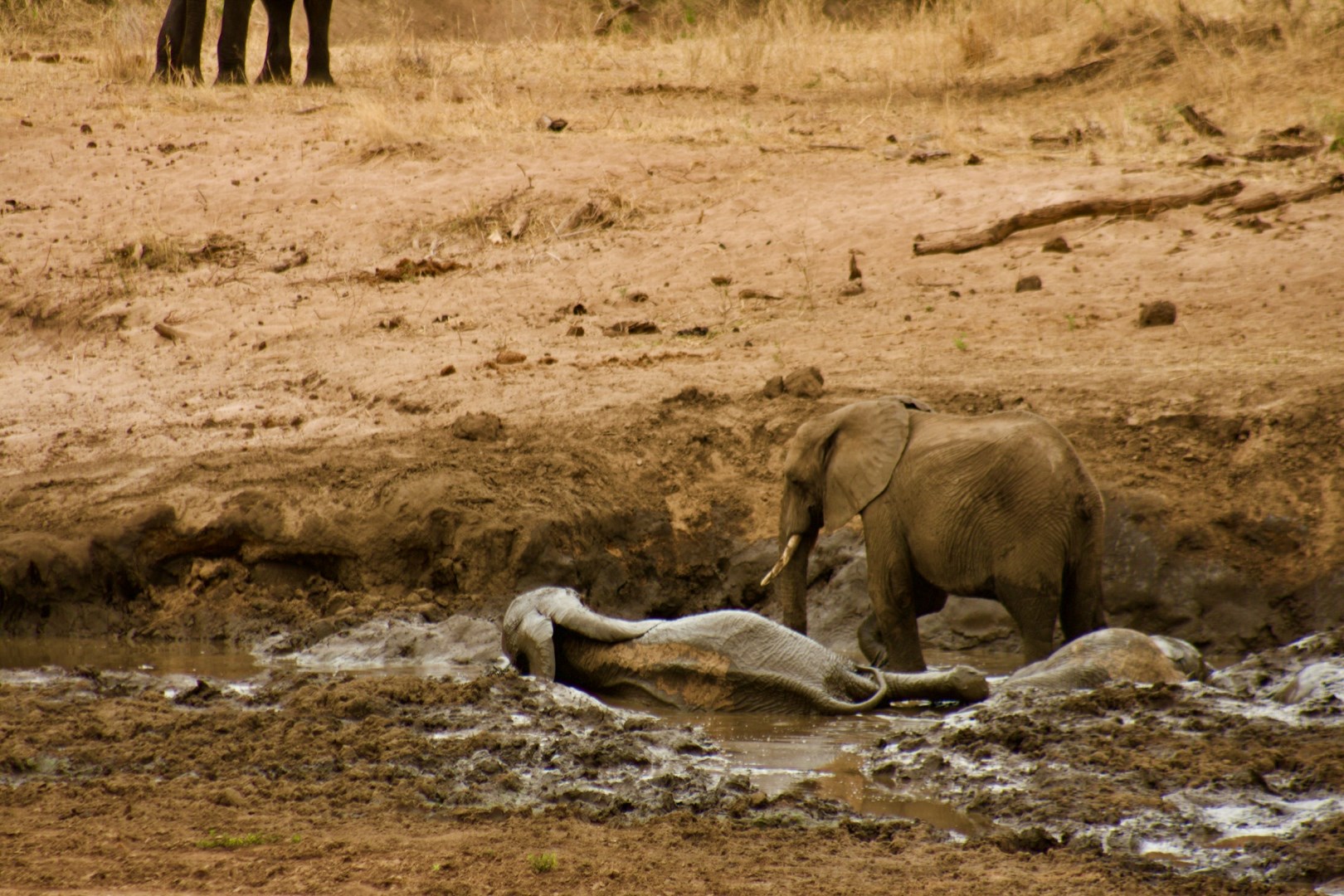
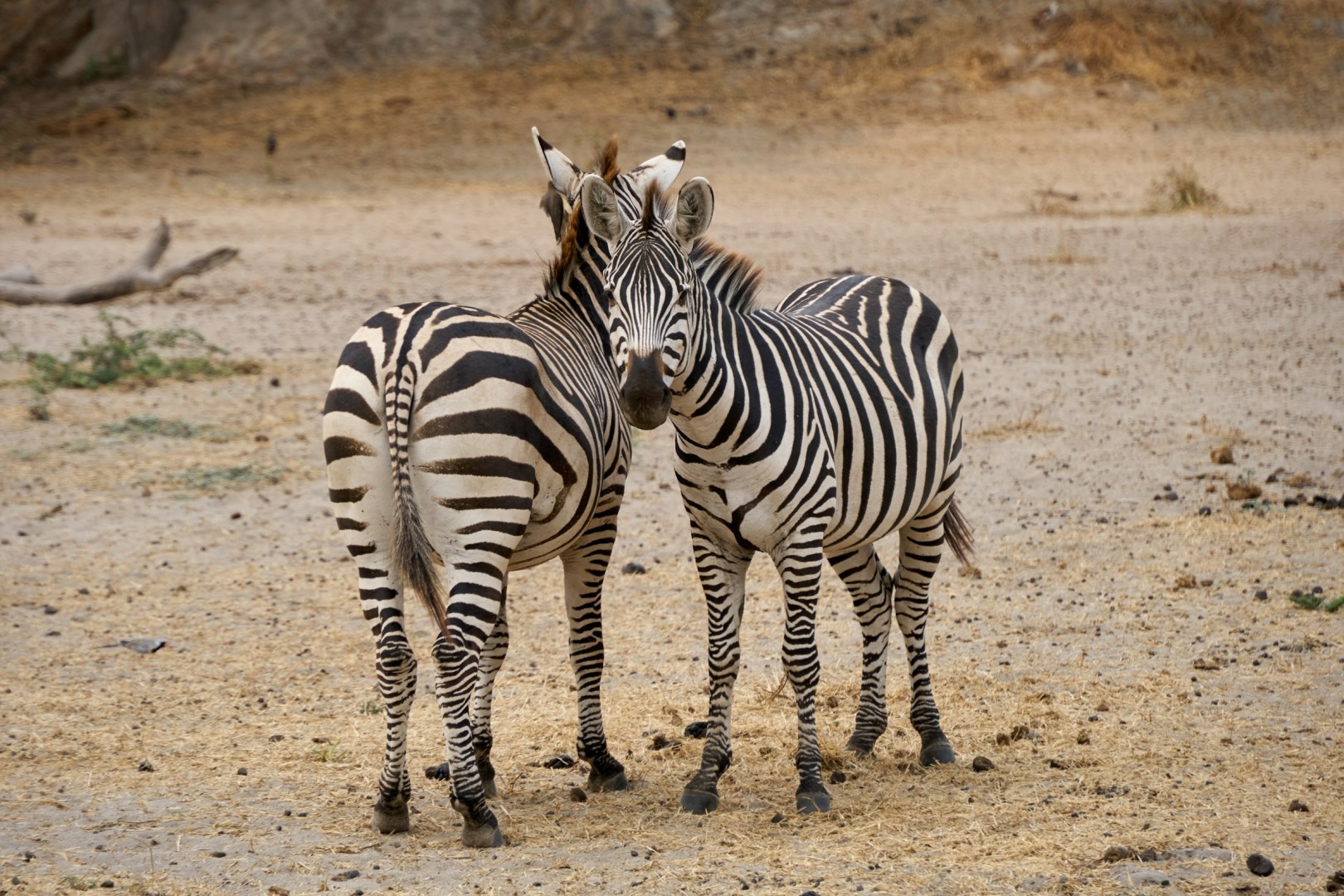

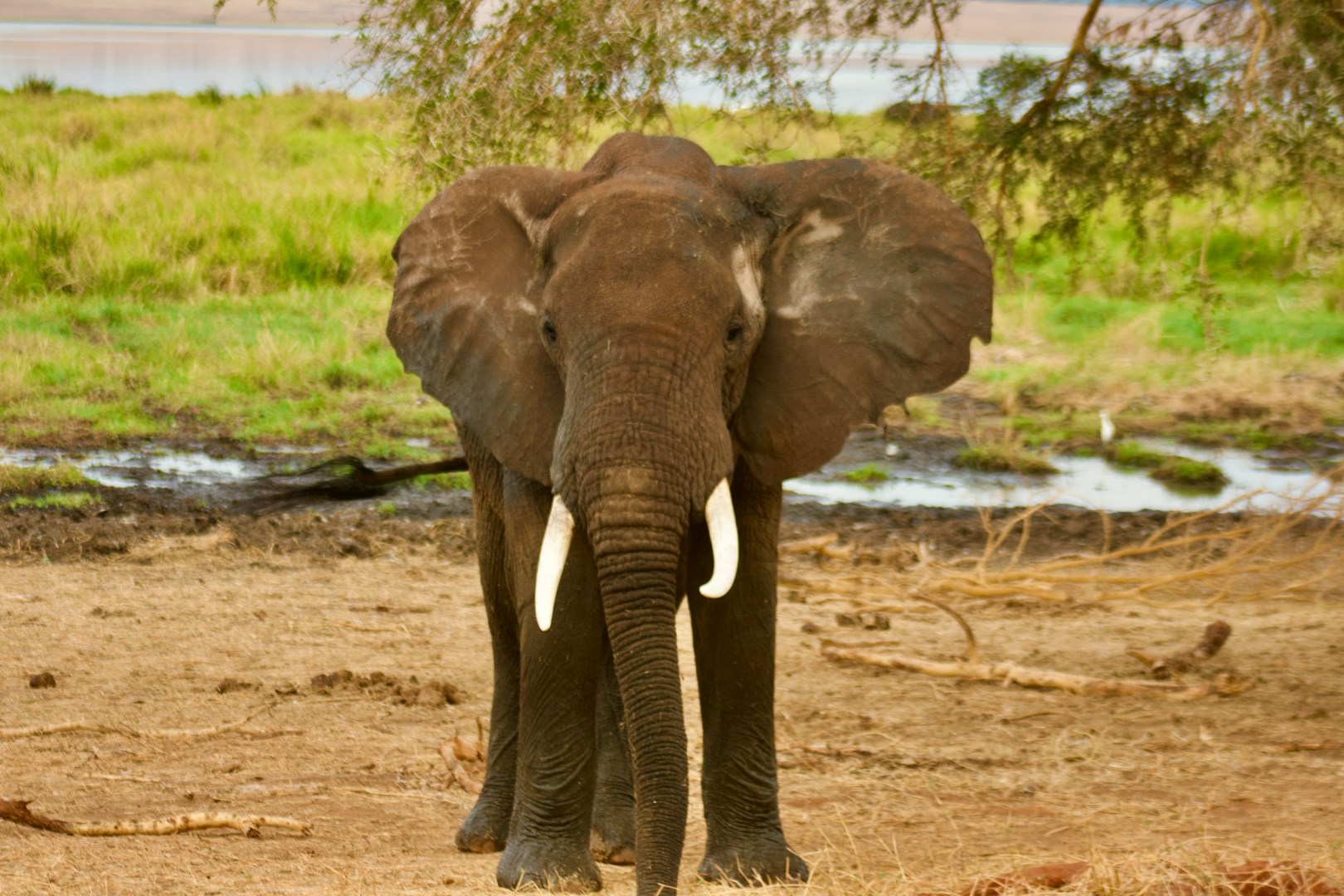
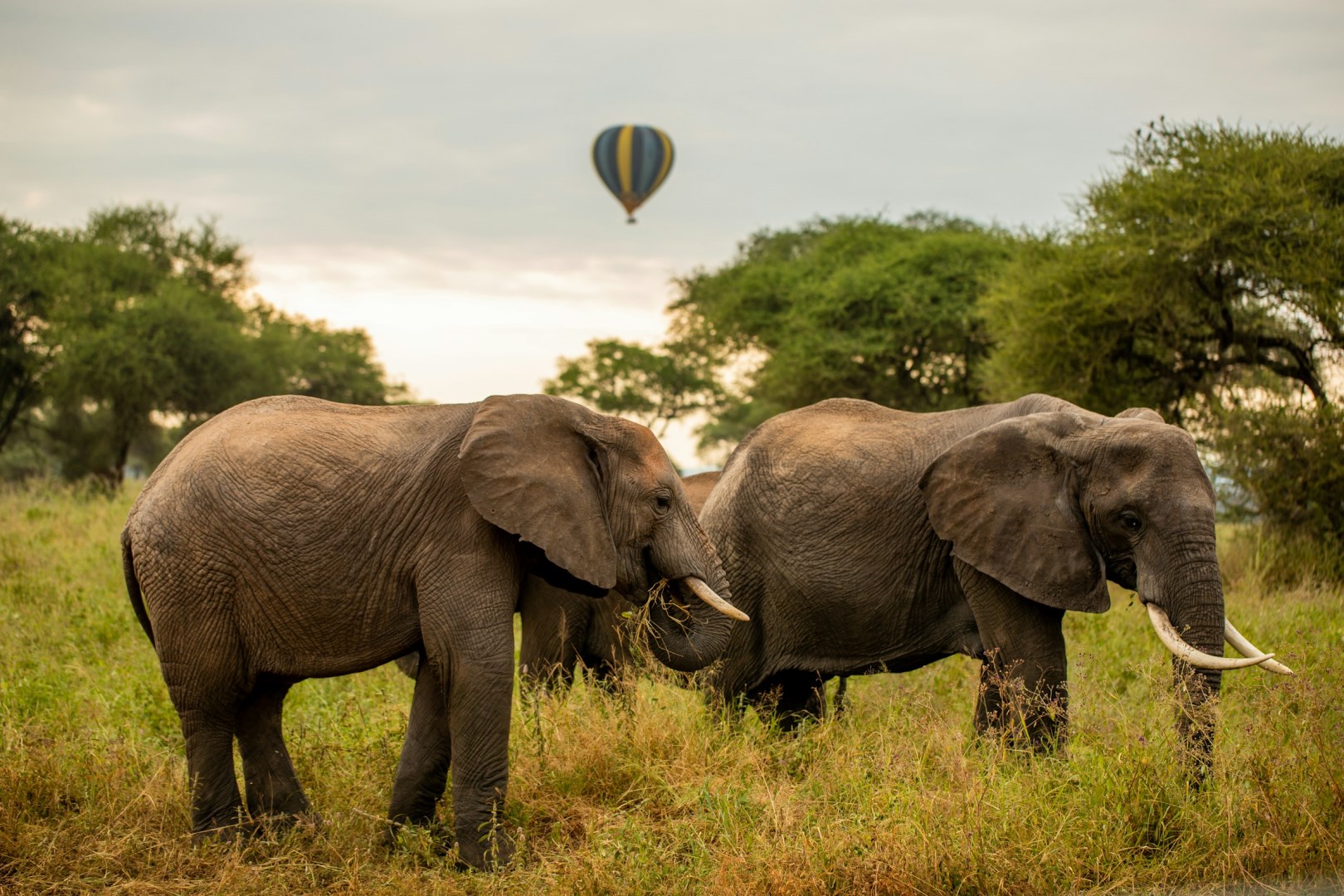
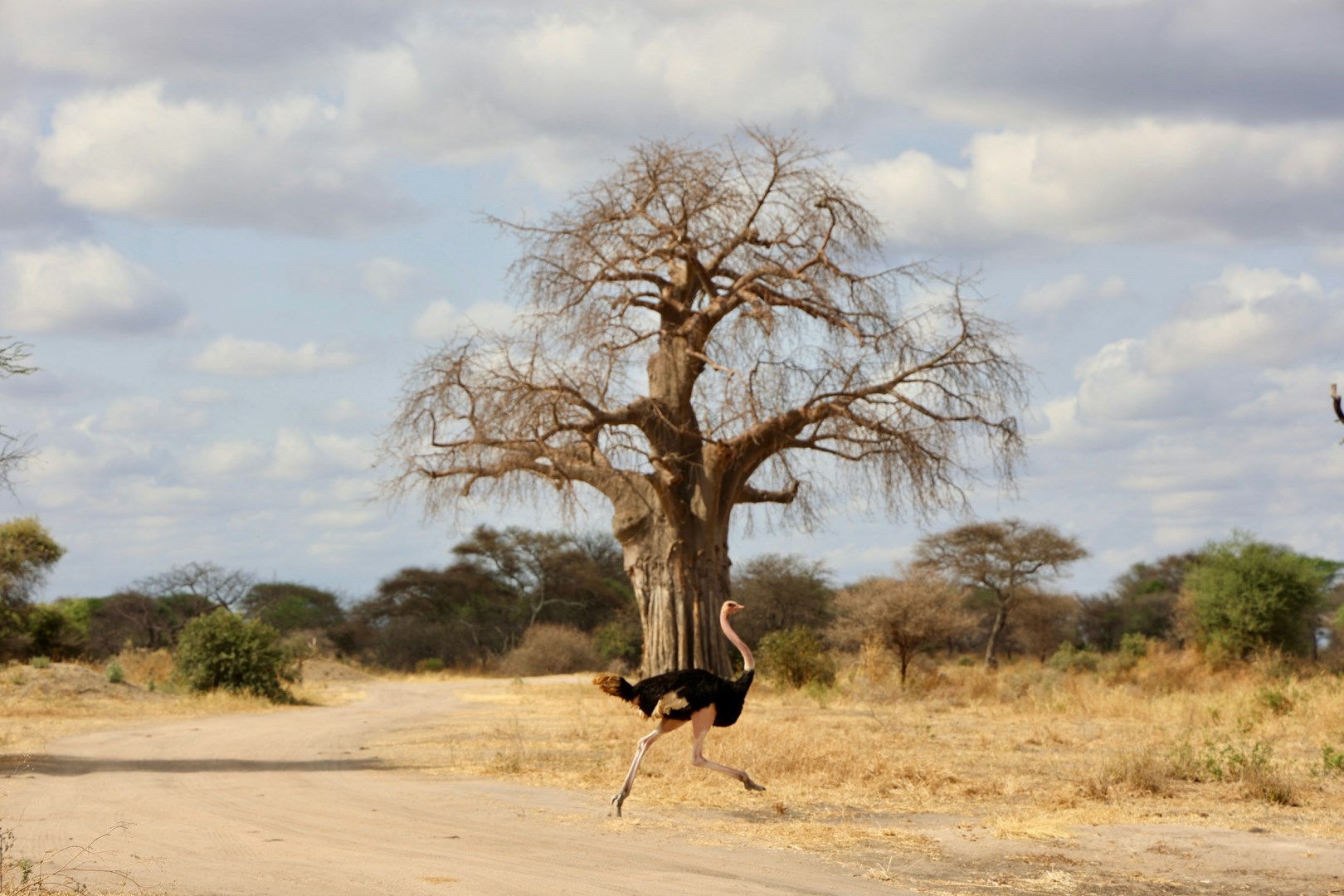
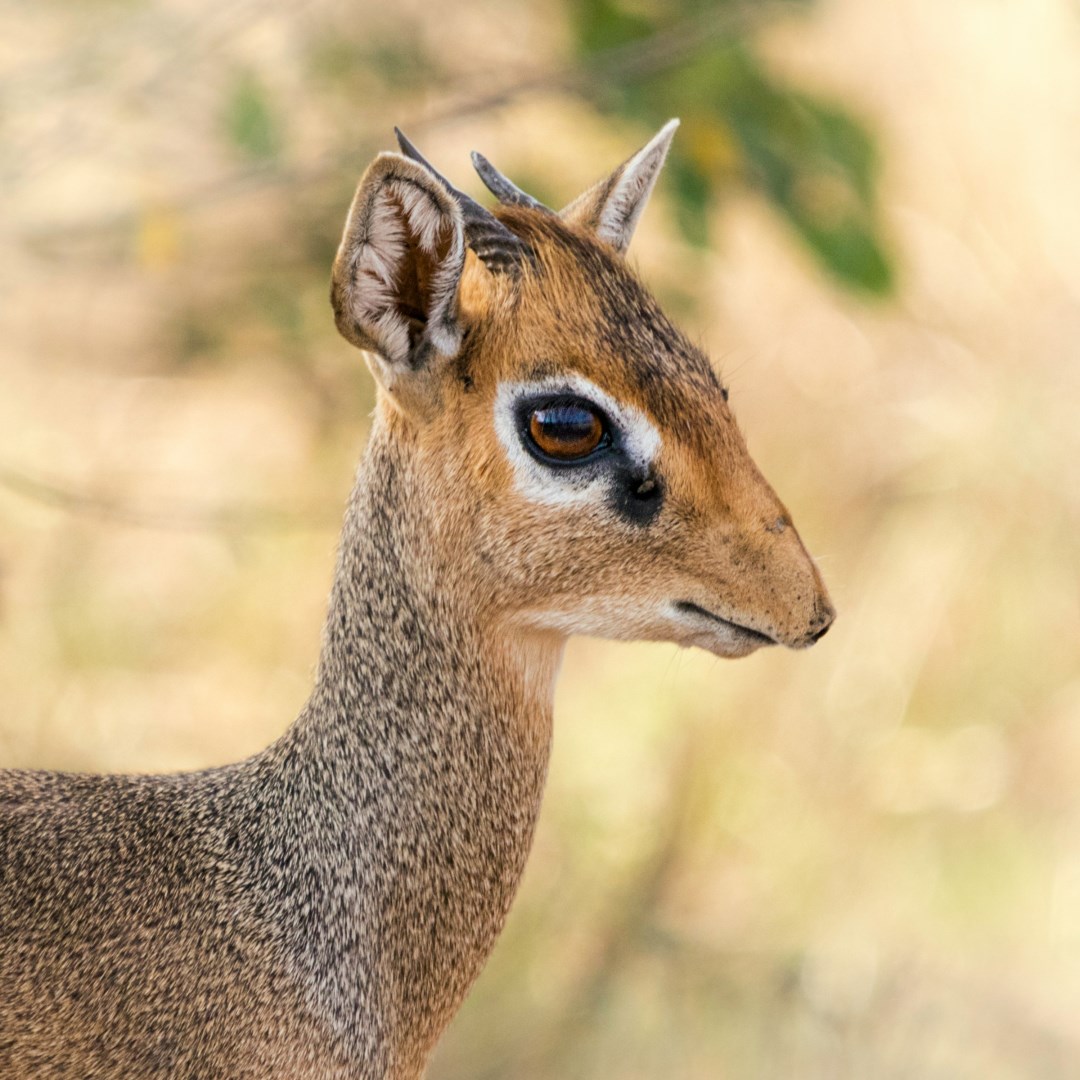
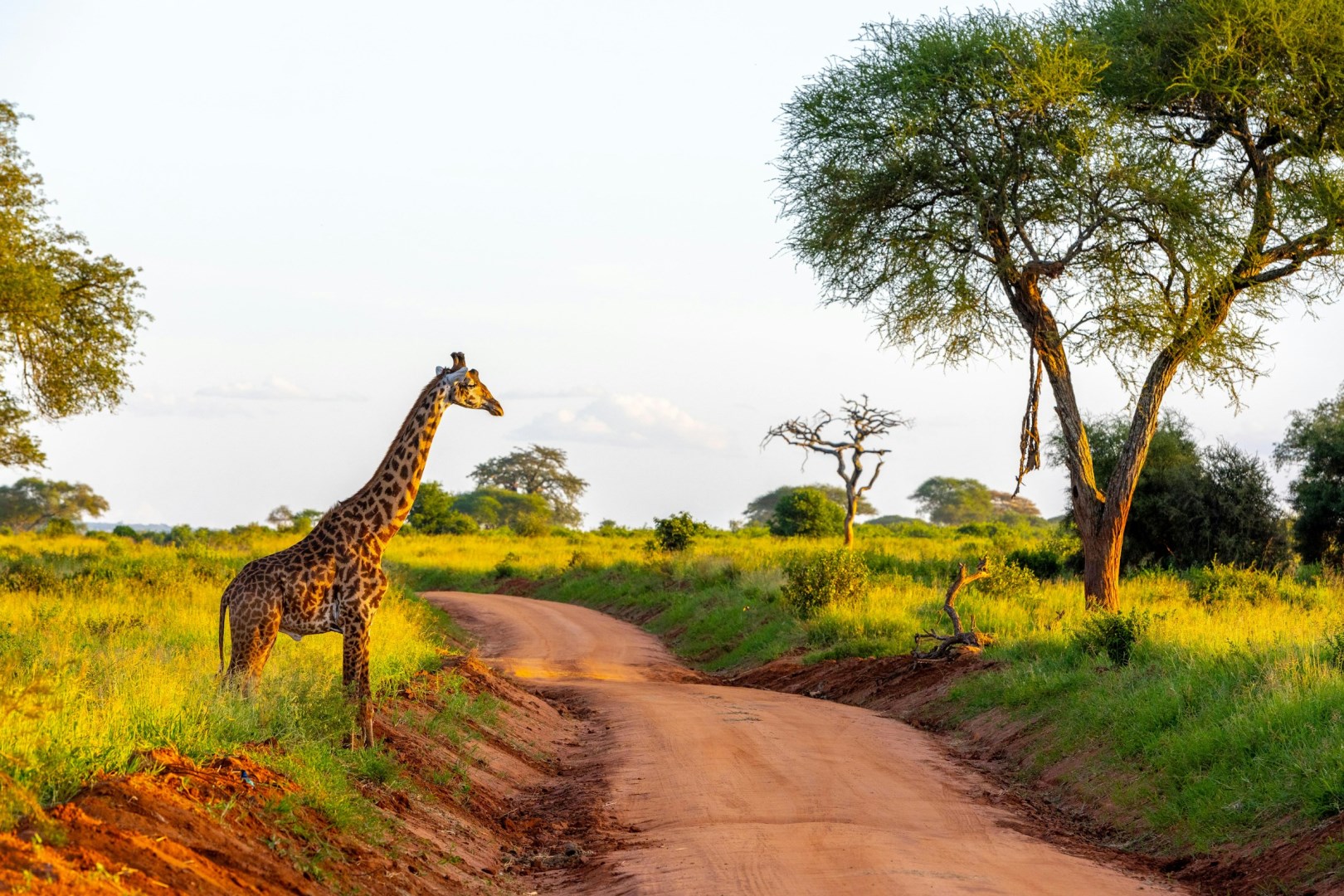
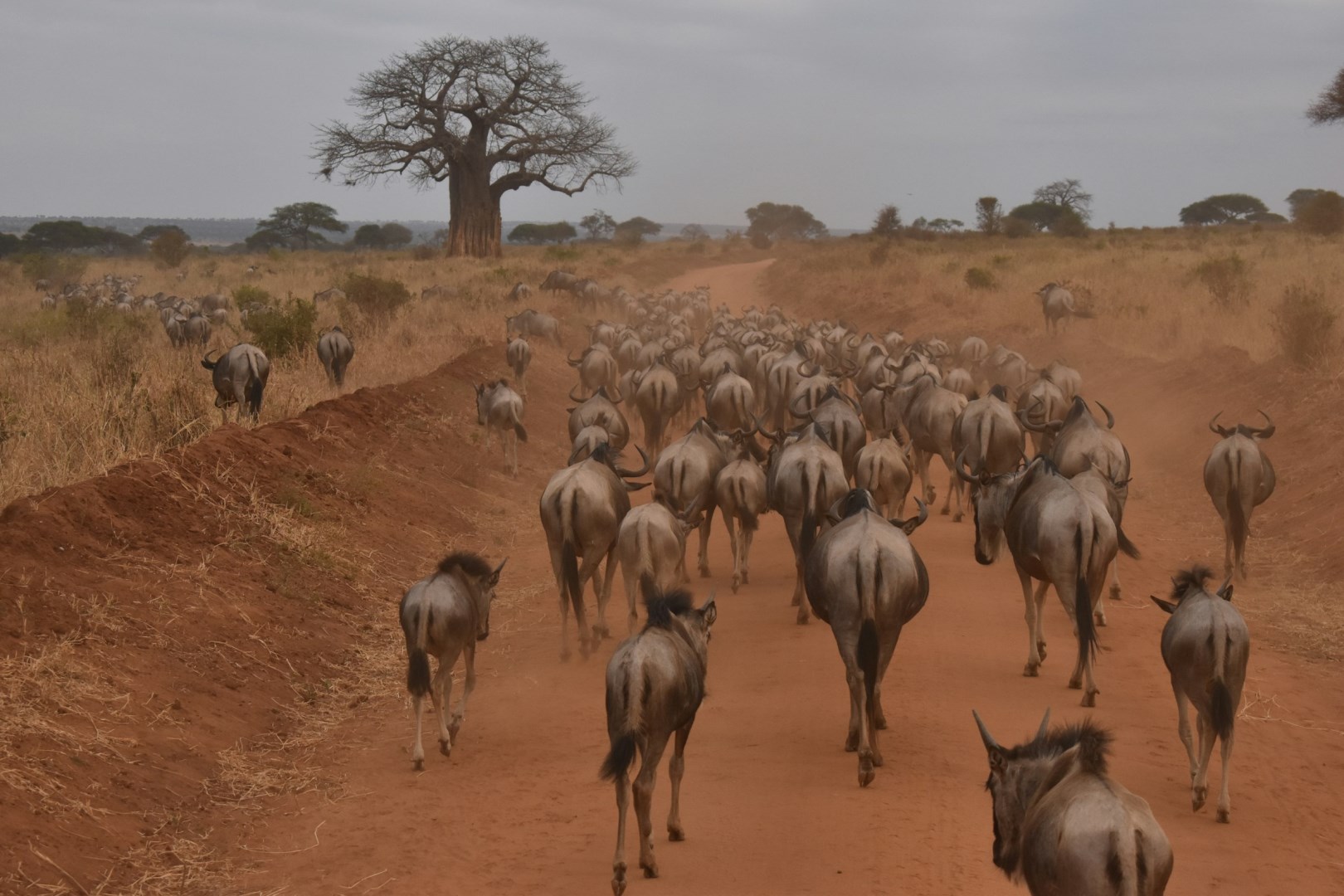
Tarangire National Park, a stunning gem in northern Tanzania, offers an unparalleled safari experience amid its diverse landscapes and wildlife. Renowned for its dense population of elephants, the park's vast baobab-studded plains and swamps create a dramatic setting that brings you face-to-face with these magnificent creatures. The park is home to over 300 bird species, including the strikingly beautiful Lilac-breasted Roller and the majestic Secretary Bird.
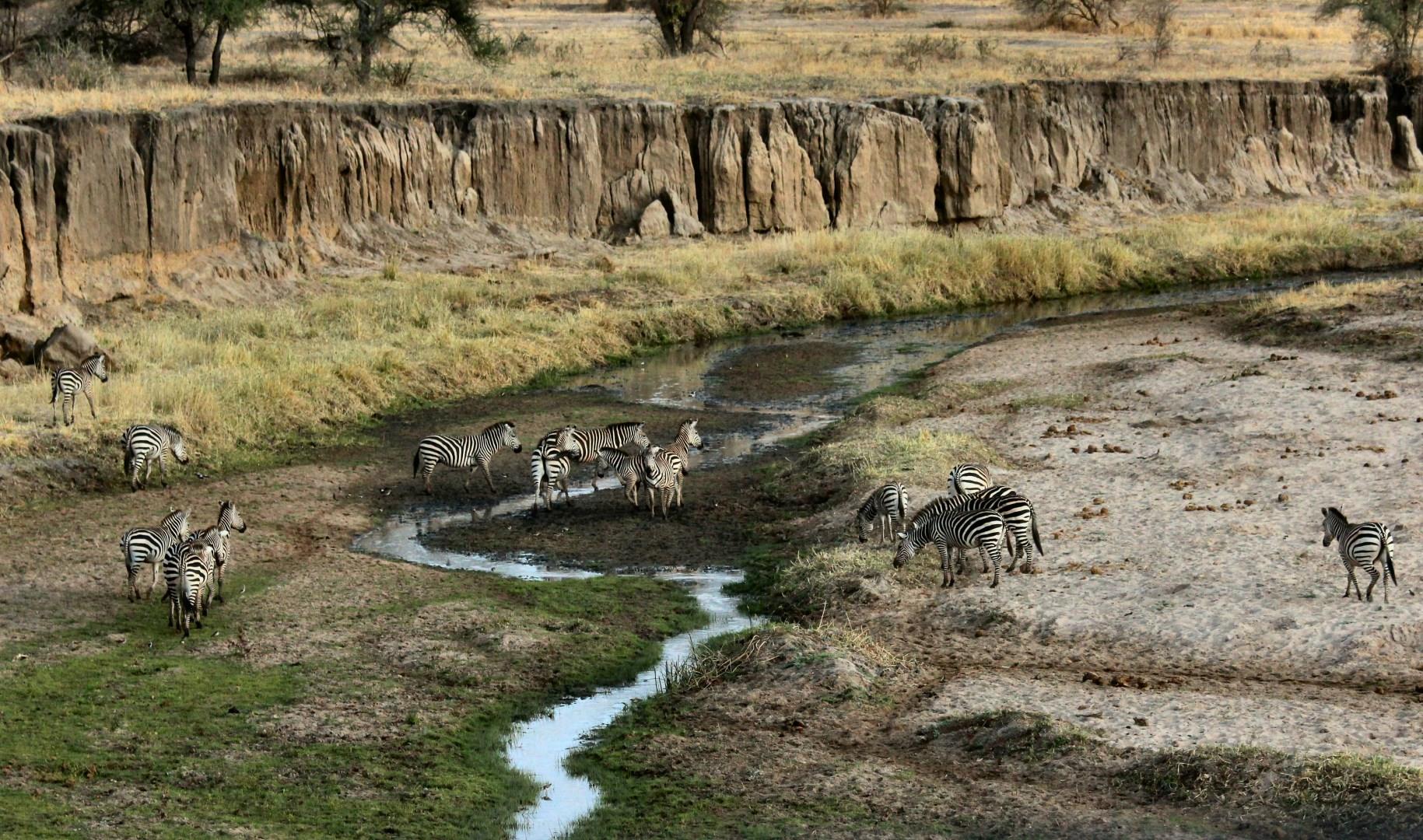
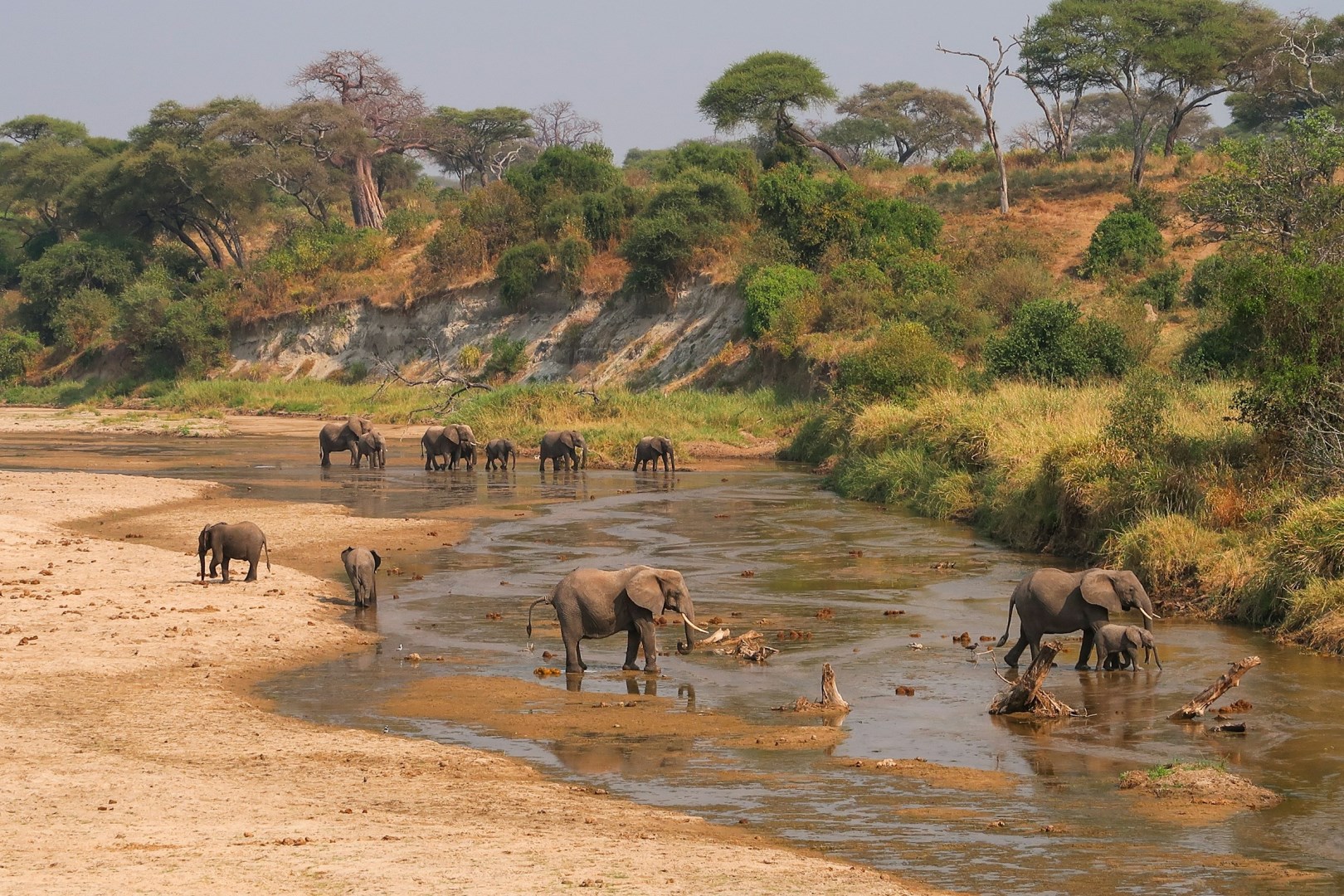
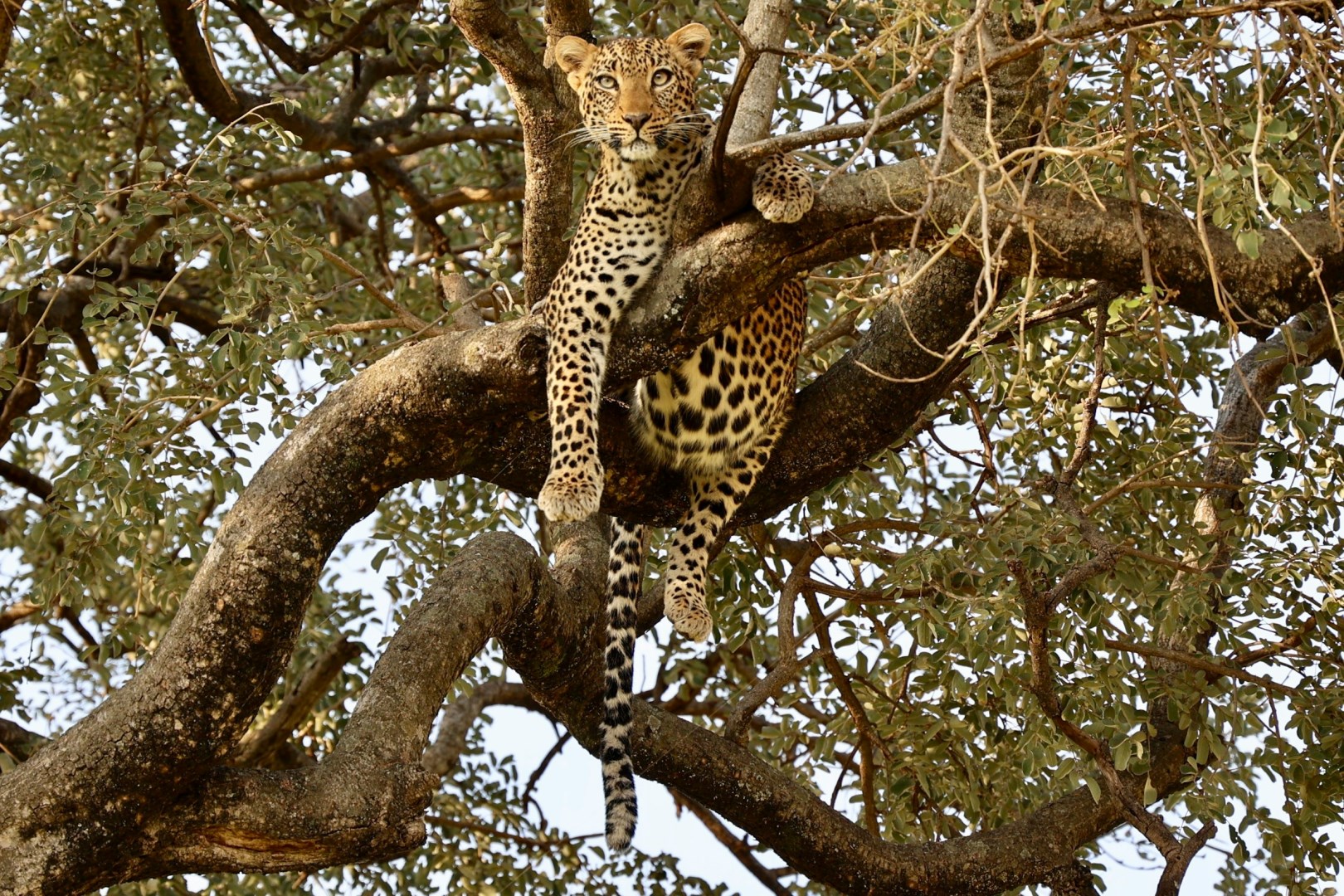
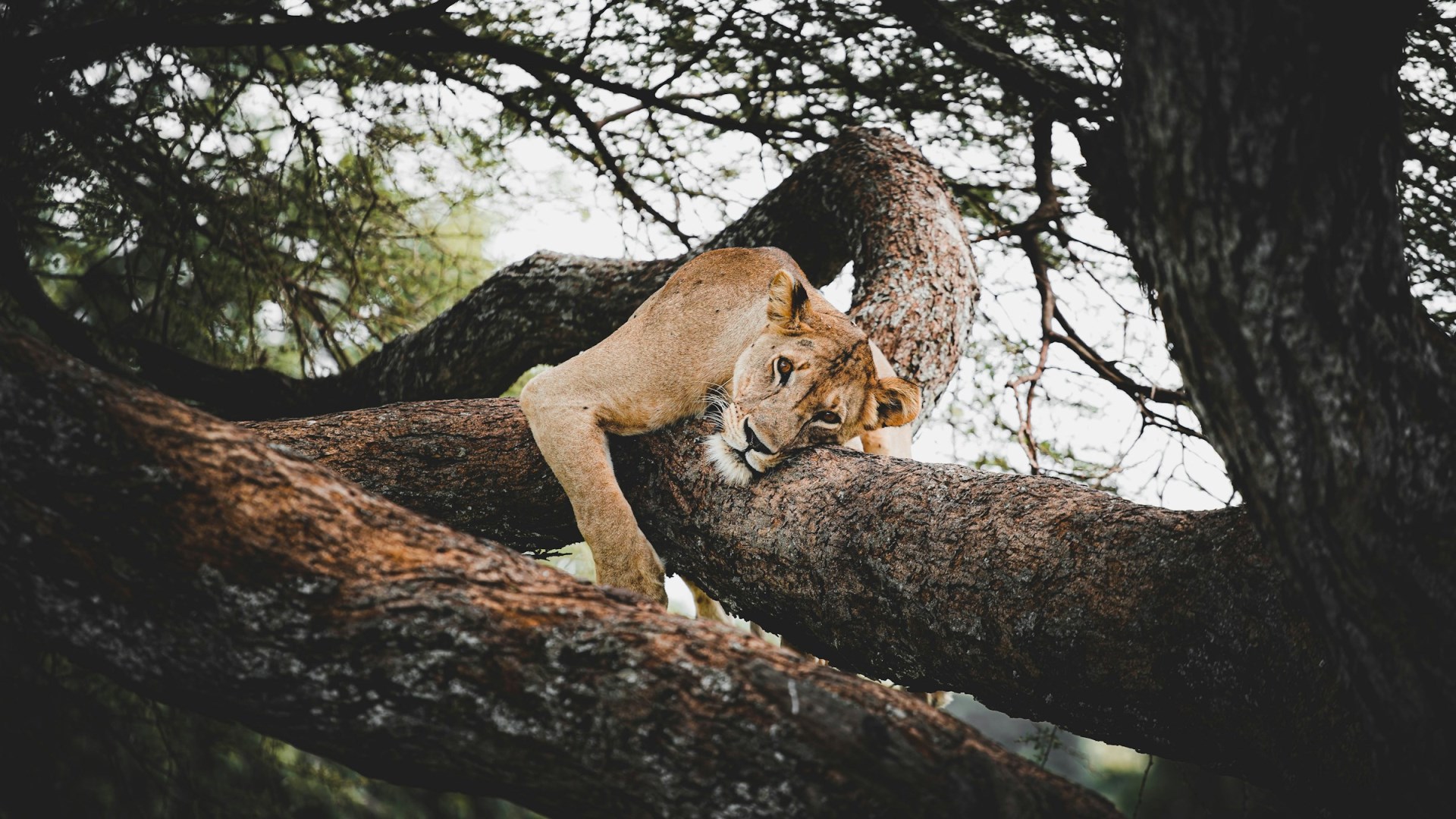
The park’s unique topography includes the Tarangire River, which serves as a vital water source and attracts a variety of wildlife, especially during the dry season. Visitors can witness large herds of elephants, often seen feeding on the ancient baobabs, along with lions, leopards, and wildebeest in their natural habitat. The changing scenery of savannah, swamps, and forested hills provides a dramatic backdrop for game drives and walking safaris, offering a truly immersive wildlife experience.
A notable feature of Tarangire is its ability to offer remarkable wildlife sightings year-round. The park's water sources ensure that animal sightings are rich even during the off-peak seasons, unlike some other parks where wildlife density may vary with the seasons. For birdwatchers and nature enthusiasts, Tarangire provides a rich tableau of species and ecosystems that are particularly accessible from the well-maintained lodges and campsites throughout the park.
Fun fact: Tarangire National Park is named after the Tarangire River, which runs through it and is a crucial water source for the park’s wildlife. During the dry season, the river becomes a focal point for wildlife, creating spectacular opportunities for viewing large concentrations of animals.
The park’s unique topography includes the Tarangire River, which serves as a vital water source and attracts a variety of wildlife, especially during the dry season. Visitors can witness large herds of elephants, often seen feeding on the ancient baobabs, along with lions, leopards, and wildebeest in their natural habitat. The changing scenery of savannah, swamps, and forested hills provides a dramatic backdrop for game drives and walking safaris, offering a truly immersive wildlife experience.
A notable feature of Tarangire is its ability to offer remarkable wildlife sightings year-round. The park's water sources ensure that animal sightings are rich even during the off-peak seasons, unlike some other parks where wildlife density may vary with the seasons. For birdwatchers and nature enthusiasts, Tarangire provides a rich tableau of species and ecosystems that are particularly accessible from the well-maintained lodges and campsites throughout the park.
Fun fact: Tarangire National Park is named after the Tarangire River, which runs through it and is a crucial water source for the park’s wildlife. During the dry season, the river becomes a focal point for wildlife, creating spectacular opportunities for viewing large concentrations of animals.
Other Popular Destinations in Tanzania

Serengeti, Tanzania, is a jewel of the African continent, renowned for its spectacular wildlife and breathtaking landscapes. This iconic destination is synonymous with the Great Migration, one of nature’s most awe-inspiring events. Each year, millions of wildebeest, zebras, and gazelles traverse the Serengeti’s vast plains in search of fresh grazing grounds, creating a dramatic and unforgettable spectacle.

Zanzibar Island, off the coast of Tanzania, is a captivating destination where history and natural beauty converge. The island’s Stone Town, a UNESCO World Heritage Site, is a maze of narrow alleys, vibrant markets, and historical buildings. Wander through the bustling Darajani Market, where local spices, textiles, and crafts create a sensory feast.
