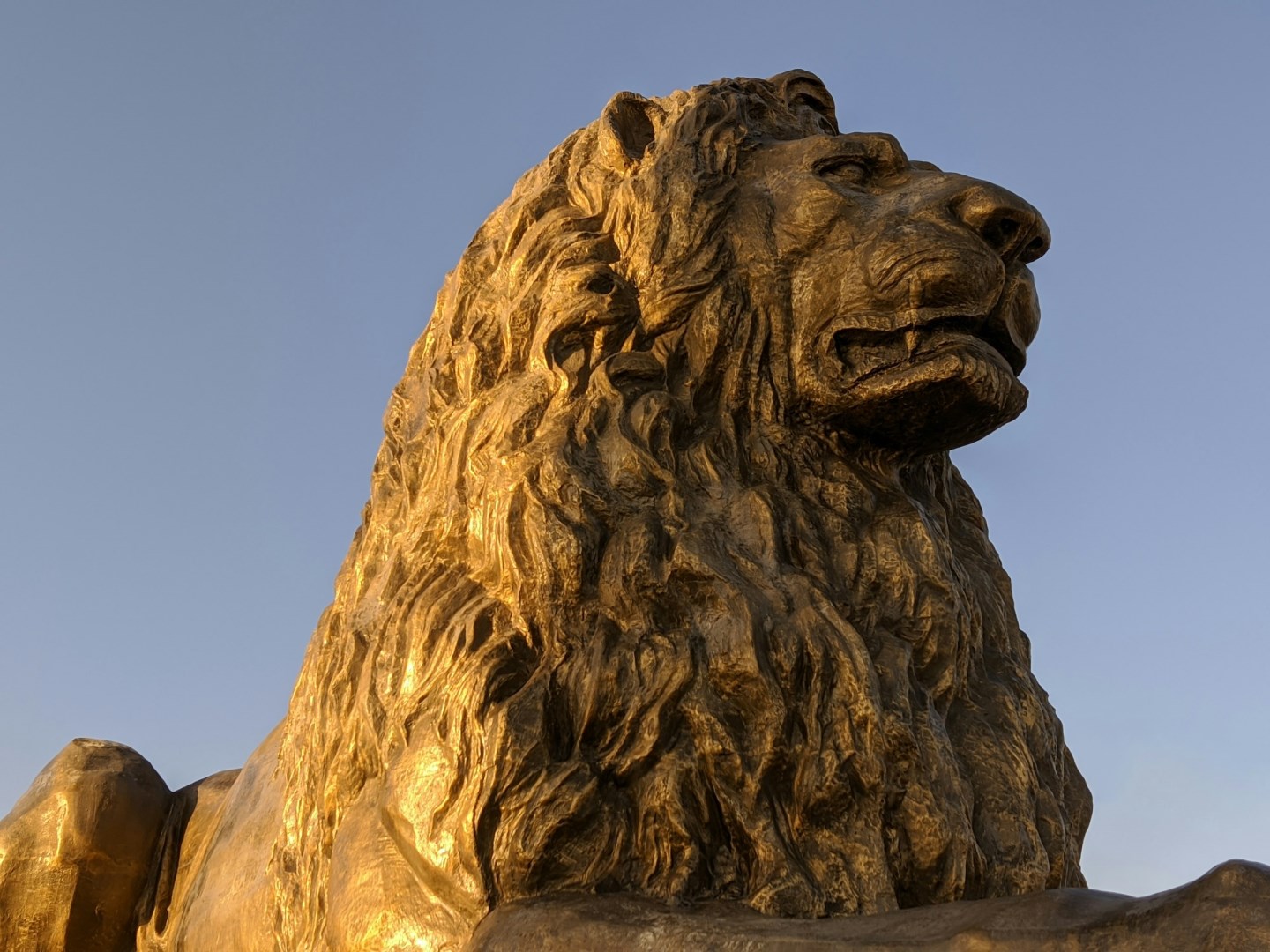
Antananarivo, Madagascar’s vibrant capital, offers a unique blend of cultural richness and historical depth. Perched on a series of hills, the city’s layout is characterized by its steep streets and traditional architecture. The Royal Palace, or Rova of Antananarivo, is a central landmark, offering a glimpse into Madagascar's royal past. Although much of the palace was destroyed by fire in 1995, the site remains a significant cultural and historical monument.
Khujand is a major city in northern Tajikistan, situated along the Syr Darya River in the Sughd Region. It is one of Central Asia’s oldest urban centers and was an important stopping point along historic trade routes linking the region with Persia and China. Today, the city combines a long urban tradition with busy markets, riverside parks, museums, and broad views toward the surrounding hills.
Chobe National Park, located in the far northeastern corner of Botswana, is a haven for wildlife enthusiasts and one of Africa's premier safari destinations. Known for its immense elephant population—estimated at over 120,000—the park offers an unparalleled opportunity to witness these majestic creatures in their natural habitat
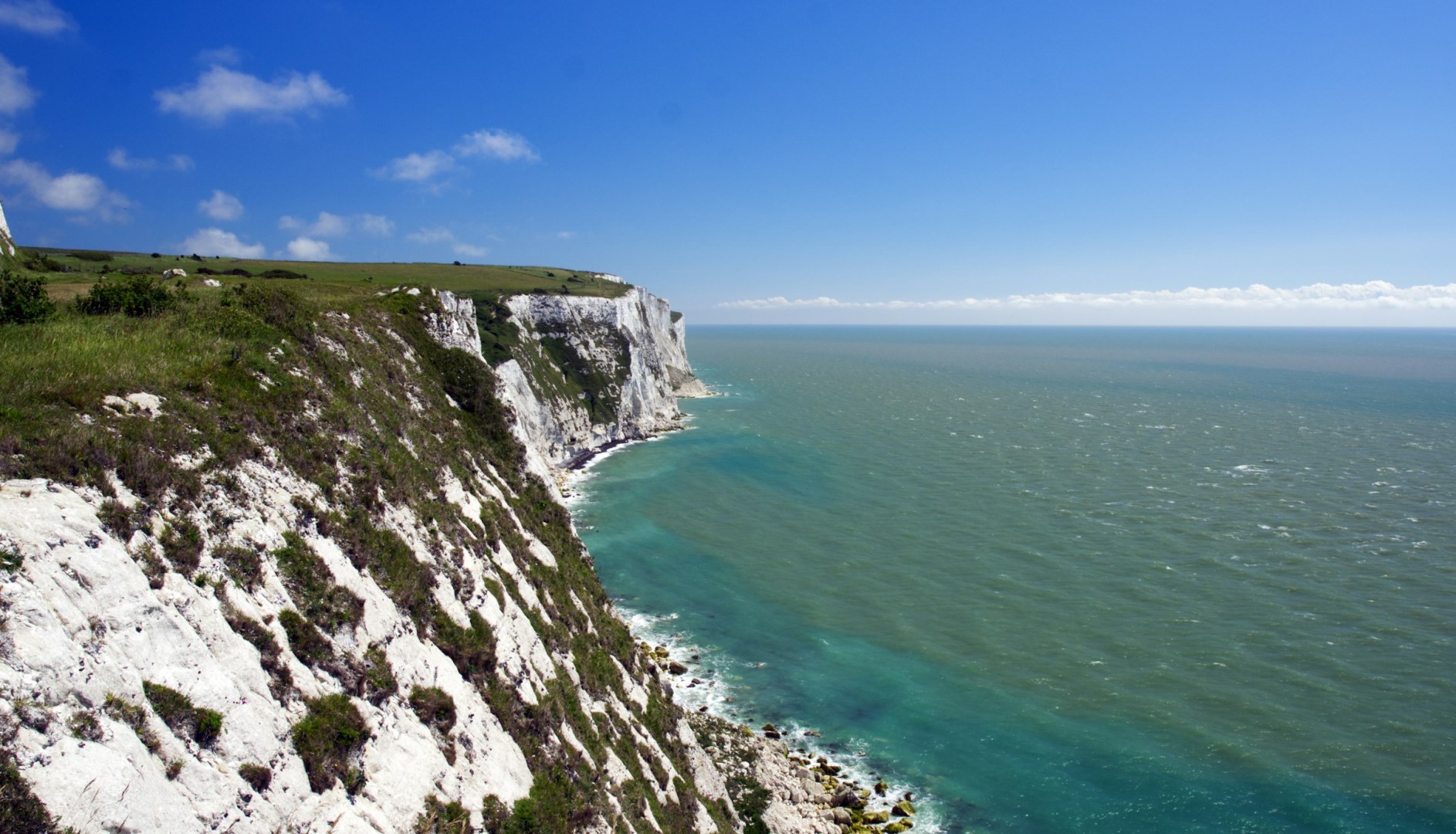
The historic city of Dover, nestled on the southern coast of England, is a captivating destination known for its iconic White Cliffs and strategic maritime heritage. Overlooking the Strait of Dover, these towering chalk cliffs offer breathtaking views across to France and serve as a symbol of Britain's resilience.
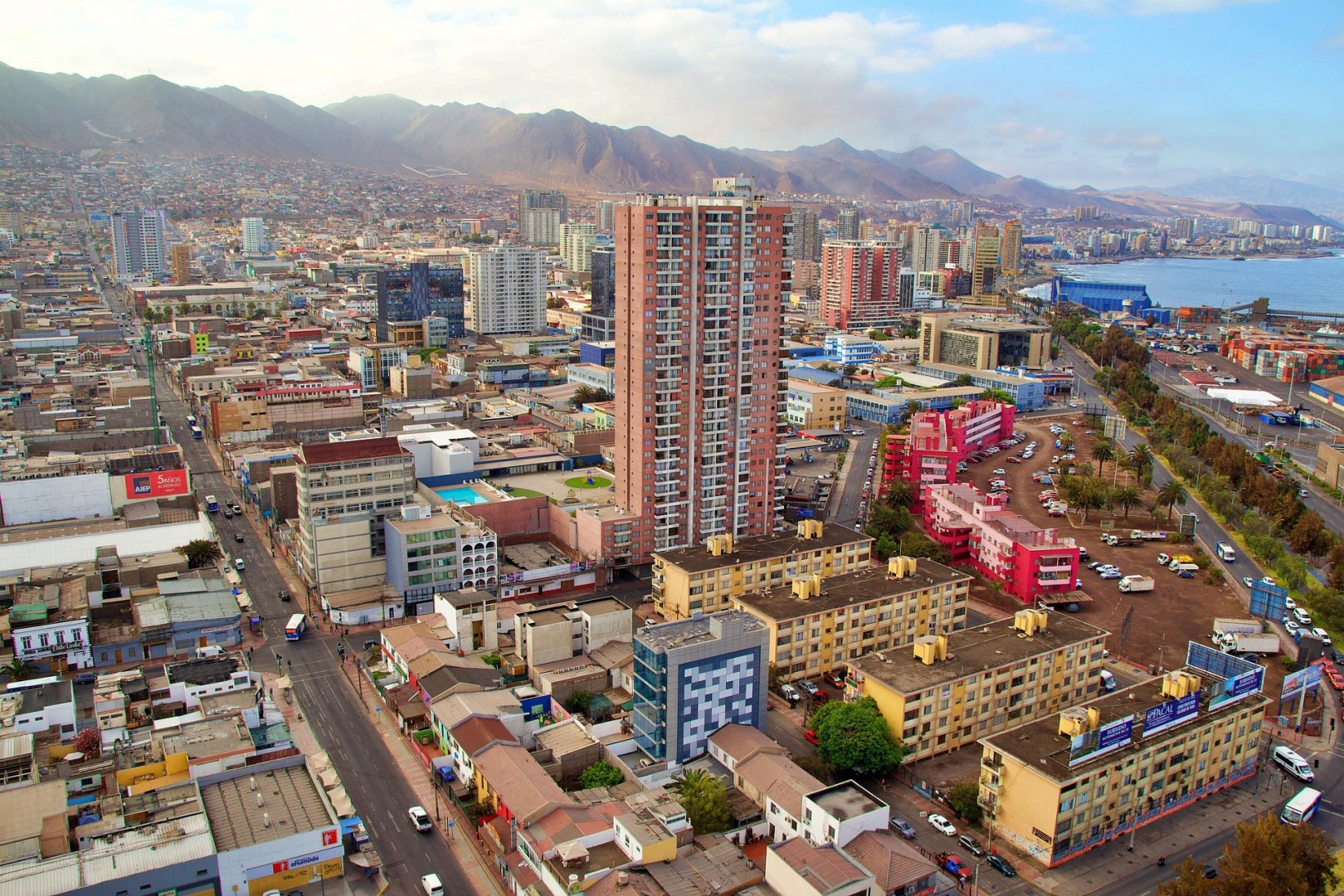
In Chile's arid Norte Grande, only one river in 700 miles of coastline makes it to the sea. Many towns have never experienced rainfall and depend on "Fogcatchers" to collect the morning dew for drinking water.
If it wasn't for Paris, Ghent would be medieval Europe's largest city. Steeped in history both rebellious and industrious, it sits at the junction of the Leie and Scheldt rivers and was once the site of armed battles by its townsfolk, who raged against heavy taxes and restricted civil liberties.
Photo Credit: Photo by Cemrecan Yurtman on Unsplash
An Eastern city of Turkey, known in ancient times as Amida, spreads across a basalt plateau close to the banks of the Dicle River. The black basalt triple walls which encircle the old town give the city a rather ominous appearance.
Other Popular Destinations in Turkey
Istanbul
Istanbul is a city built on layers of empire. Spanning two continents, it was once the capital of three major empires: Roman, Byzantine, and Ottoman. Visitors walking through the Sultanahmet district can witness this timeline firsthand, from the Roman-era Hippodrome to the Byzantine mosaics of Hagia Sophia, and the towering minarets of the Blue Mosque. At nearby Topkapi Palace, rooms still display the jeweled swords, ceremonial robes, and handwritten Qurans once used by Ottoman sultans.
Kuşadası
Kuşadası is a seaside city on Türkiye’s Aegean coast, set around a broad bay with beaches, a marina, and a busy harbor. Its location places it close to several major archaeological sites, including Ephesus, making it an important base for exploring the cultural landscape of western Anatolia. The city itself combines waterfront districts with the narrow streets of Kaleiçi, where shops, cafés, and restaurants occupy traditional buildings.