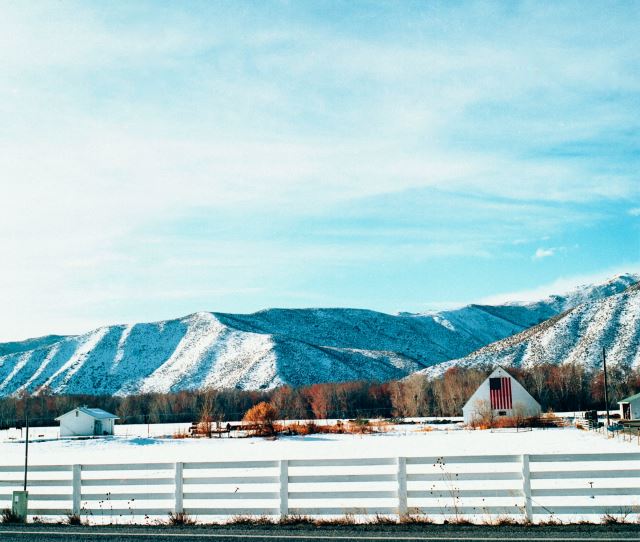
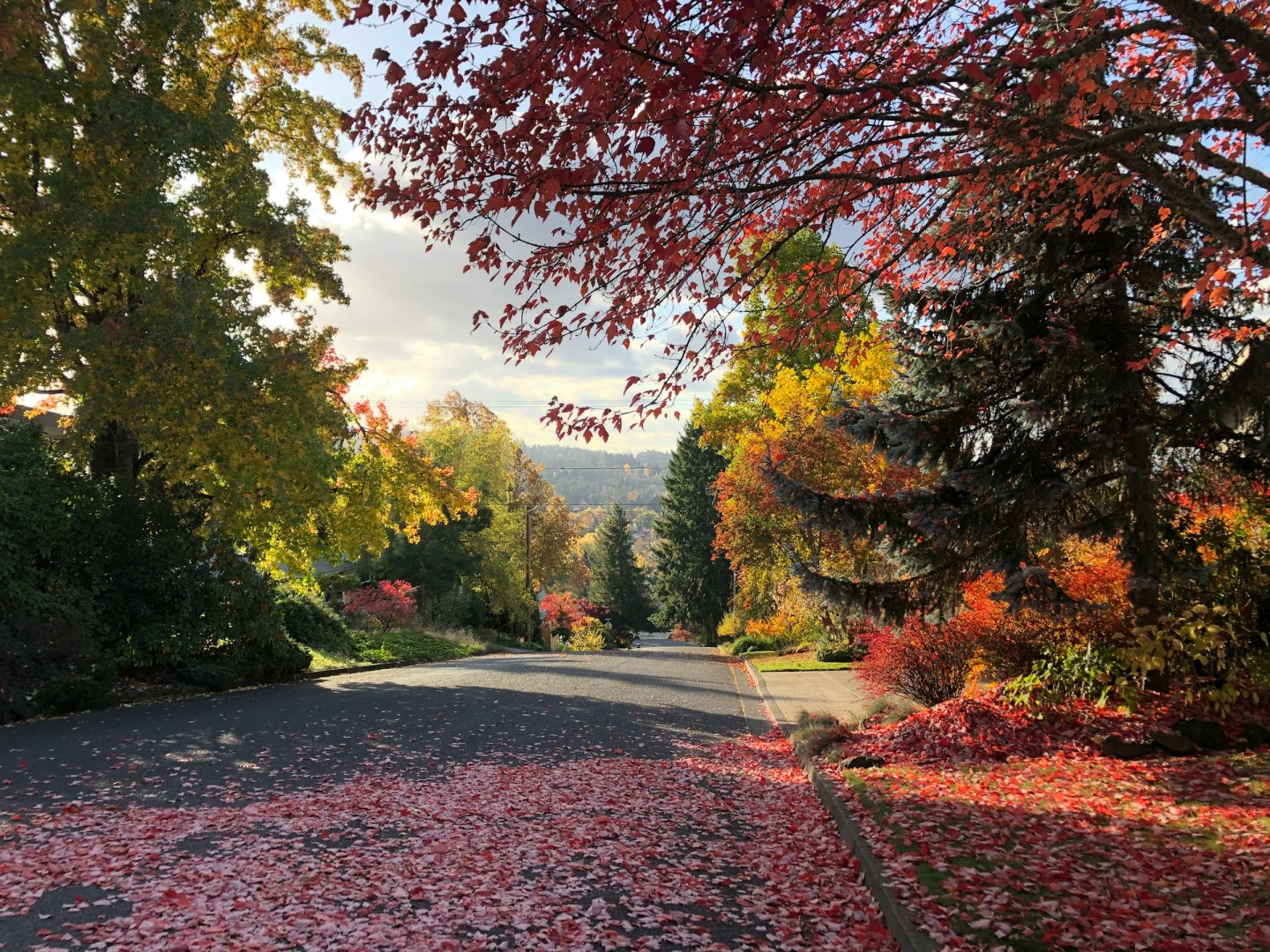



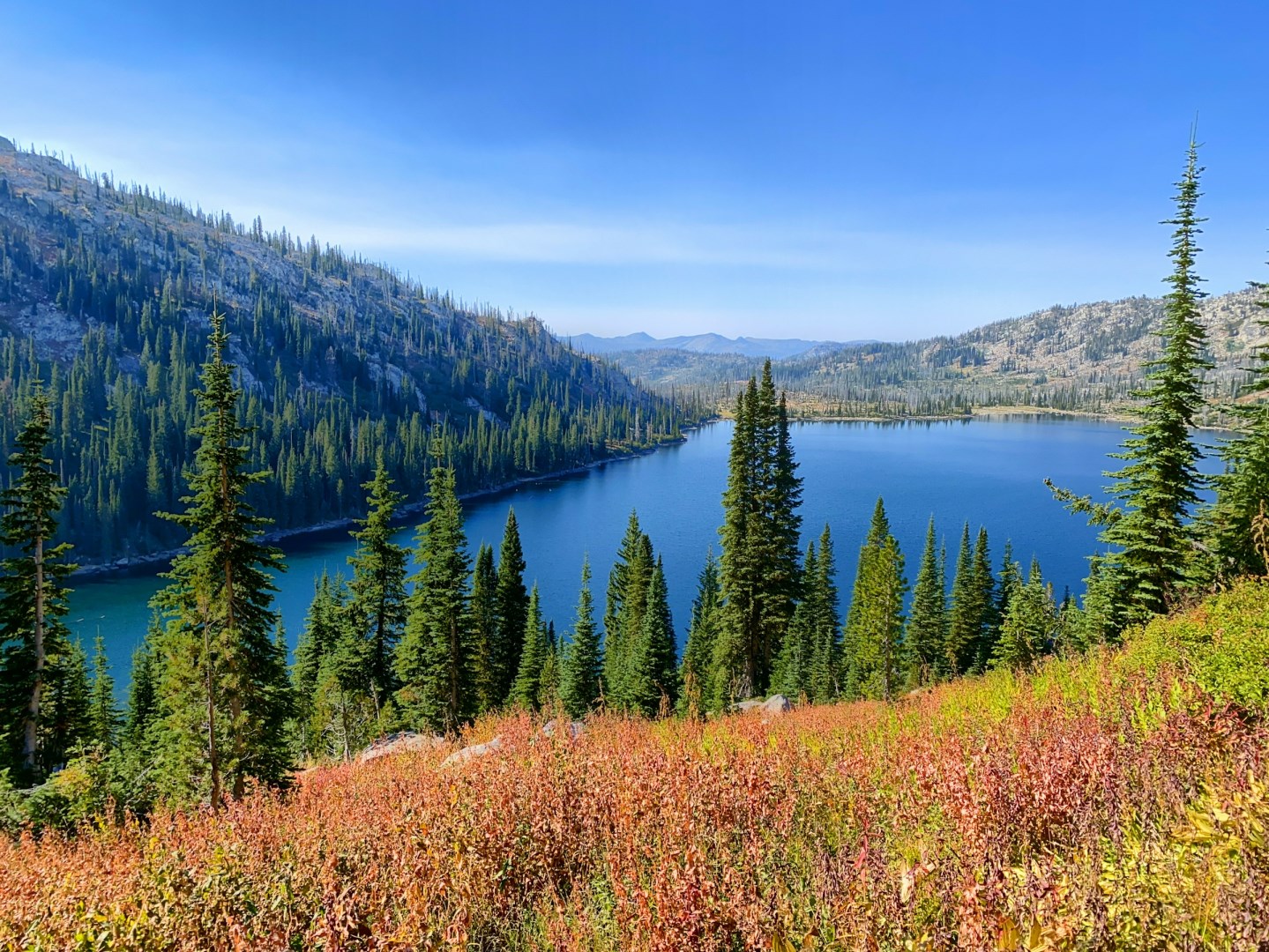
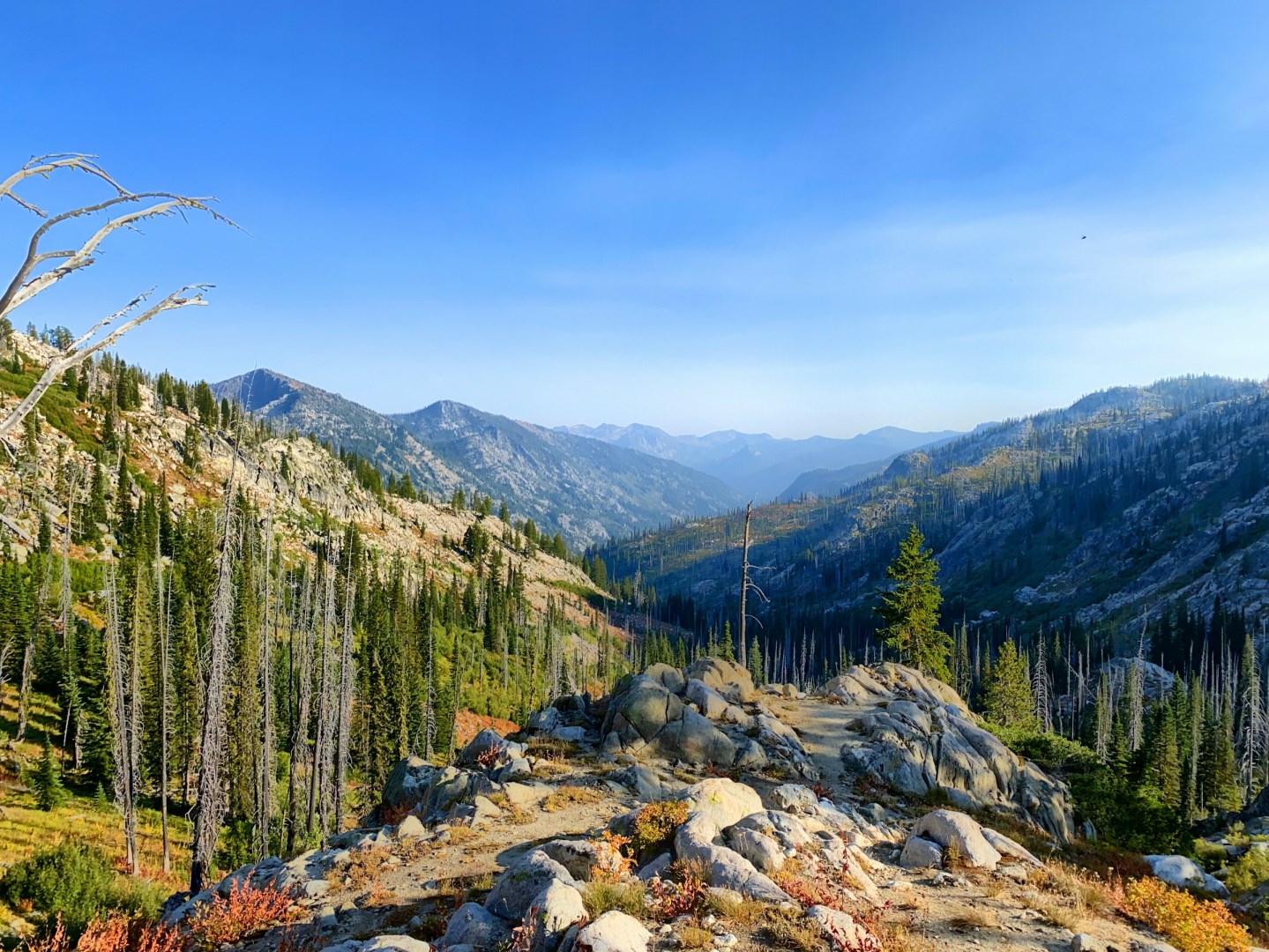
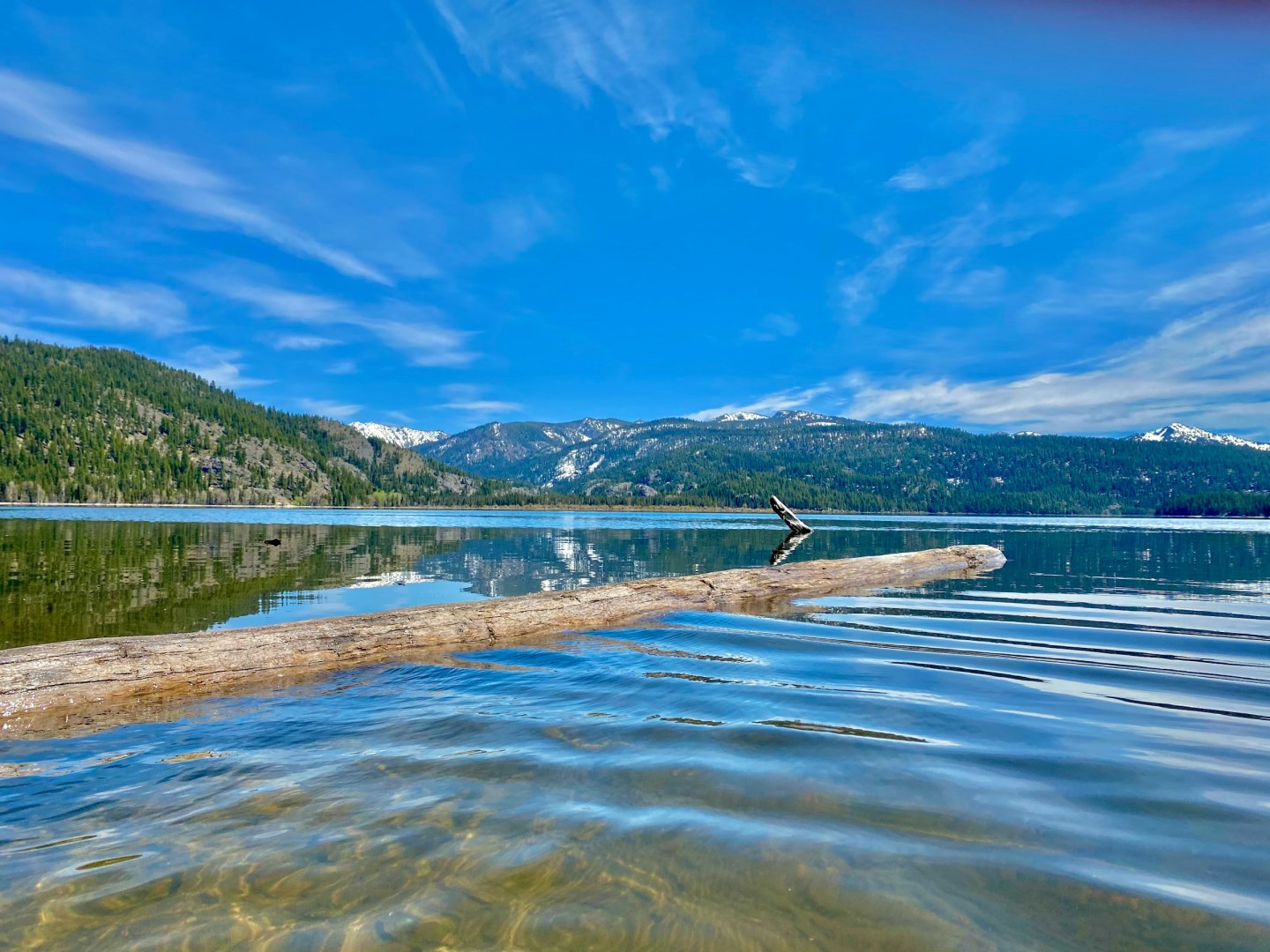
Payette National Forest covers a large area of west-central Idaho, extending across the rugged Salmon River Mountains and the western side of the state’s central mountain country. The forest includes alpine ridges, deep river valleys, conifer forests, meadows, and high mountain lakes. McCall serves as a major gateway community, while nearby towns such as Council and New Meadows provide access to different parts of the forest. The Salmon, Little Salmon, and Payette river systems shape much of the landscape, creating a setting where steep mountain terrain meets broad valleys and forested waterways.
The forest lies within the traditional homelands of the Nez Perce, Shoshone, and Northern Paiute peoples, whose connections to the region include travel routes, hunting, fishing, gathering, and seasonal use of mountain landscapes. Later settlement brought mining, logging, ranching, and transportation through the surrounding valleys. The forest also contains historic sites and traces of these industries, including old mining areas, cabins, trails, and transportation routes. Nearby McCall developed around the timber industry and remains closely connected to the forest, while the town of Council reflects the ranching and agricultural character of the western valleys.
Outdoor attractions range from accessible lakes and river corridors to remote alpine terrain. Payette Lake lies just outside McCall, while the forest contains numerous mountain lakes, including Upper Payette Lake and Hazard Lake. The Hells Canyon National Recreation Area reaches into the western portion of the forest, where the Snake River cuts through one of the deepest river gorges in North America. The forest also provides access to parts of the Frank Church–River of No Return Wilderness. Hiking, camping, fishing, boating, horseback riding, hunting, and winter recreation are common uses, with trails crossing forests, meadows, and high-elevation country.
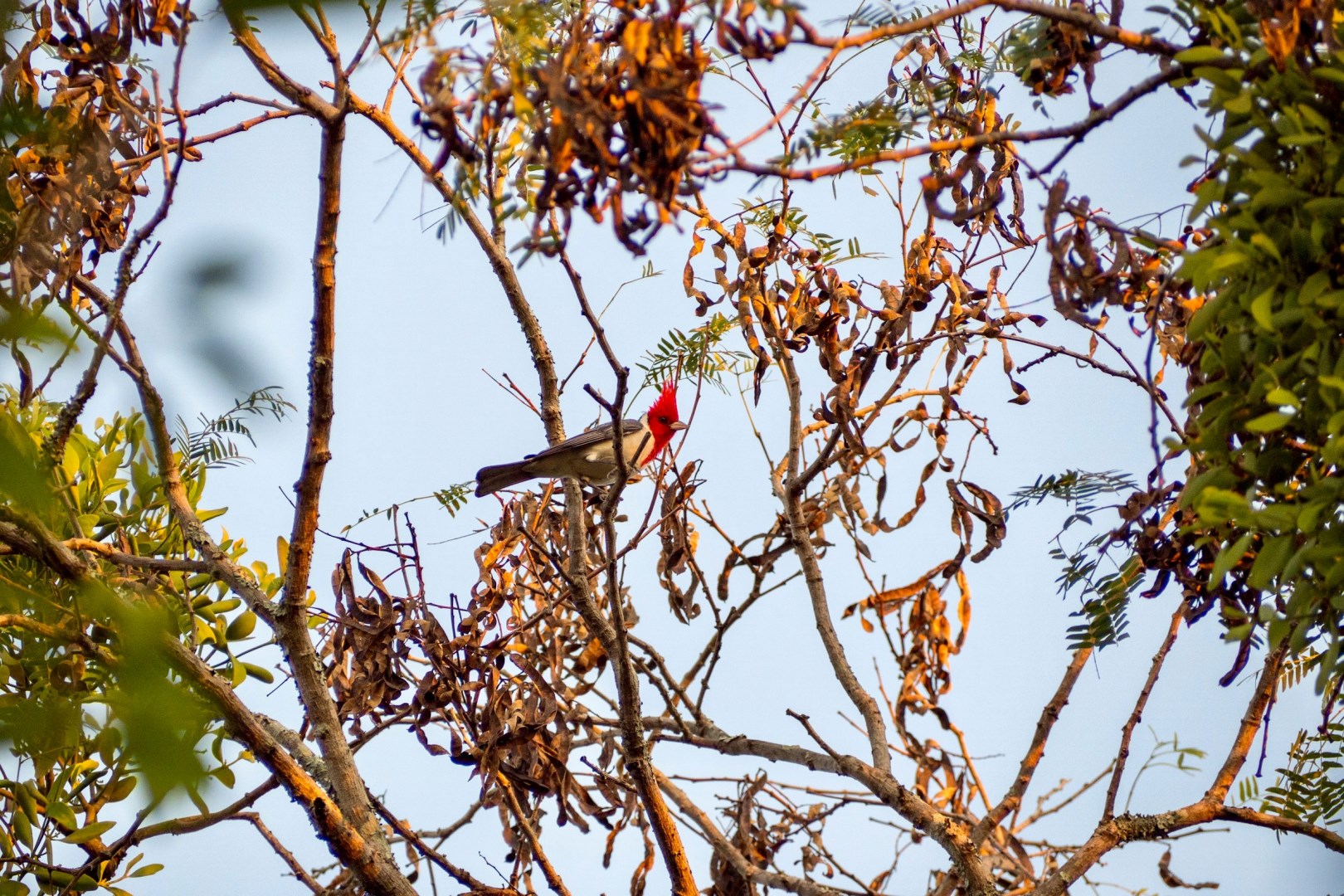
Payette National Forest supports a wide range of wildlife, including elk, mule deer, black bears, mountain goats, bighorn sheep, and numerous bird species. Its rivers and lakes support trout and other cold-water fish, while salmon and steelhead use connected waters farther downstream. Local food traditions reflect Idaho’s agricultural and ranching communities, with beef, potatoes, trout, berries, and huckleberries appearing in regional cooking. Huckleberries are particularly associated with Idaho’s mountain forests and are gathered seasonally in suitable areas. The forest’s combination of high mountains, working valleys, and extensive roadless country gives it a distinctly varied landscape within west-central Idaho.
Other Popular Destinations in Idaho