
Bartolomé Island, one of the most iconic destinations in the Galápagos archipelago, is known for its dramatic volcanic landscape and the postcard-perfect view from its summit. Just off the east coast of Santiago Island, this uninhabited islet draws visitors for its unique terrain with lava flows, spatter cones, and a rust-colored cinder cone that rises sharply above the sea.
Located along the northern coast of the Dominican Republic, Amber Cove serves as a vibrant gateway to the region of Puerto Plata. Designed as a cruise port with a strong sense of place, the area reflects the island’s long connection to the sea and trade. Visitors often begin their experience with views of the harbor framed by green mountains, setting the tone for what lies beyond.
Killarney - Ireland's most vibrant town. Located in the Southwestern region of Ireland, in County Kerry, Killarney is a renown stop on the famed "Ring of Kerry" journey.
An enchanting paradise in the heart of the South Pacific, French Polynesia is made up of over 100 islands known for their crystal-clear lagoons, lush mountains, and vibrant coral reefs. The islands’ warm, tropical climate combined with its stunning landscapes, from towering waterfalls to dramatic volcanic peaks, invite travelers to step into a world of natural wonder and beauty.
Set in the lush northern hills of Mae Taeng, Chiang Mai Province, Thailand, this district offers a quieter gateway into Thailand’s countryside. Just beyond the bustle of Chiang Mai, the landscape shifts into rolling mountains, dense forests, and winding rivers. The Mae Taeng River flows steadily through the valley, shaping both the scenery and daily life.
Lake Garda, Italy's largest and most captivating lake, is a blend of natural beauty, rich history, and vibrant culture that makes it an irresistible destination for travelers. Surrounded by majestic mountains and lush Mediterranean vegetation, Lake Garda's azure waters sparkle under the sun, creating an idyllic backdrop for exploration and relaxation.
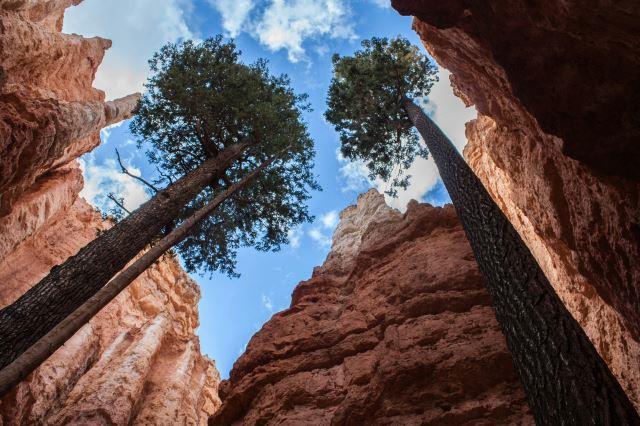
Bryce Canyon, tucked into the high plateaus of southern Utah, offers one of the most unusual landscapes in the American Southwest. It’s not actually a canyon but a series of natural amphitheaters carved into the edge of the Paunsaugunt Plateau. What makes Bryce unique is its dense collection of hoodoos which are tall, thin spires of rock formed over millions of years by frost-wedging and erosion.
Zion National Park
Zion National Park, located in southwestern Utah, is known for its massive sandstone cliffs, narrow slot canyons, and unique desert ecosystems. Established in 1919, it was Utah’s first national park and continues to attract visitors with its dramatic elevation shifts and striking rock formations. The park’s most iconic feature, Zion Canyon, stretches for 15 miles and reaches depths of up to 2,640 feet, carved over time by the Virgin River.