

Galveston, Texas, a charming island city along the Gulf Coast, is a delightful blend of history, culture, and seaside leisure. Known for its Victorian architecture and sun-soaked beaches, Galveston offers a rich array of experiences for visitors. The Historic Strand District, with its 19th-century buildings housing shops, galleries, and restaurants, takes visitors back in time to an era of bustling port trade and grand social affairs.
Machu Picchu is a story carved into stone, perched nearly 2,500 meters above sea level in the cloud forests of southern Peru. Built in the 15th century and later abandoned, this Inca citadel was unknown to the outside world until 1911, when explorer Hiram Bingham brought it to international attention. Today, it remains remarkably well-preserved, with more than 150 stone structures, terraced fields, ceremonial fountains, and temples aligned with astronomical events.
Road Town, the vibrant capital of Tortola in the British Virgin Islands (BVI), offers a charming blend of Caribbean culture, history, and natural beauty. Nestled around a horseshoe-shaped harbor and fringed by lush green hills, Road Town is the bustling heart of the BVI, where visitors can explore colorful markets, historical landmarks, and an inviting waterfront.
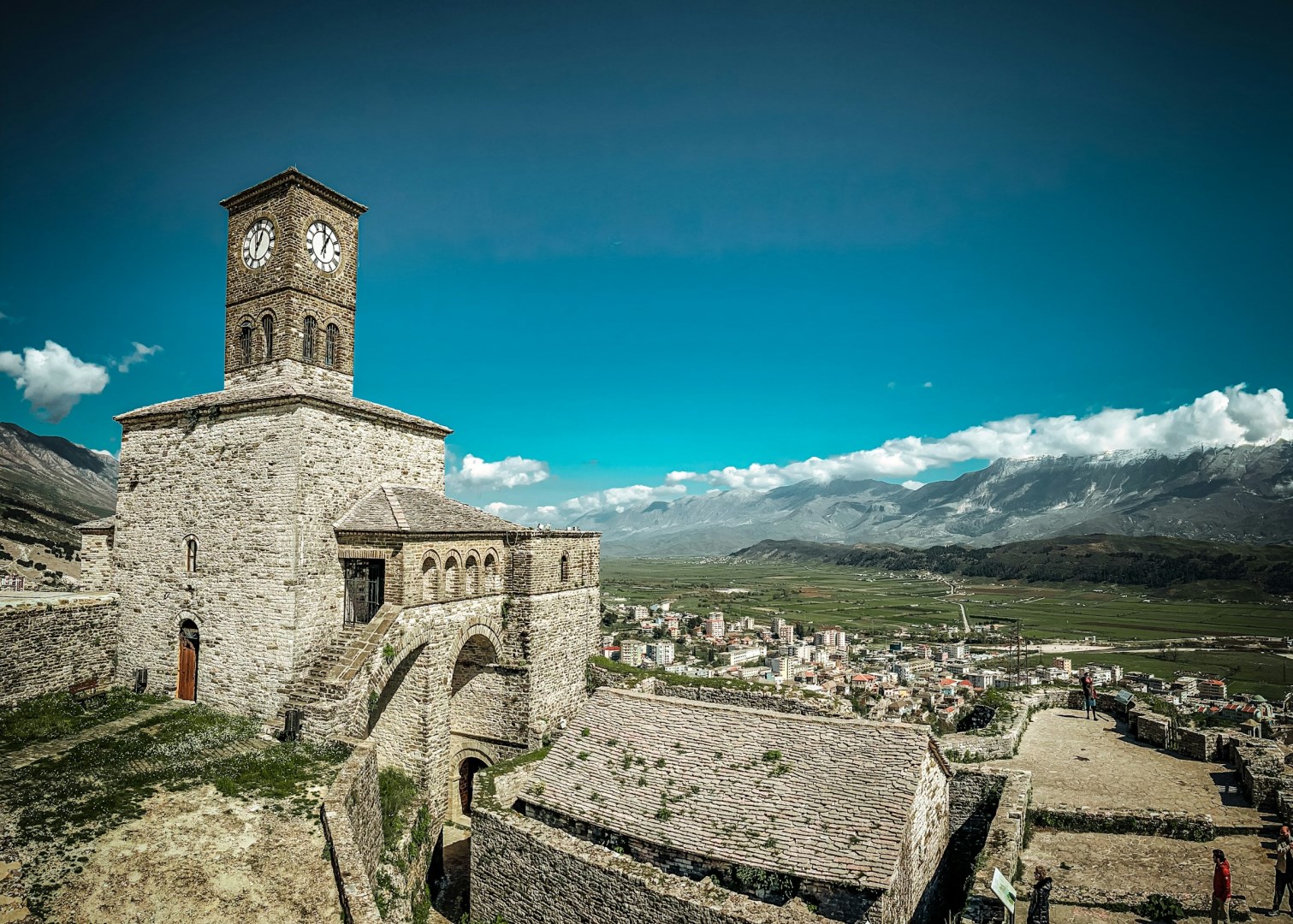
Gjirokaster is Albania's second museum city, where you can see the Fortress with its Armory Museum and the Teque Mosque and Bazaar. A city of stone, the peculiarities of its construction have led many to call it the "The Silver City". Gjirokaster is the birthplace of Enver Hoxja who was, until recently, Albania's infamous dictator.
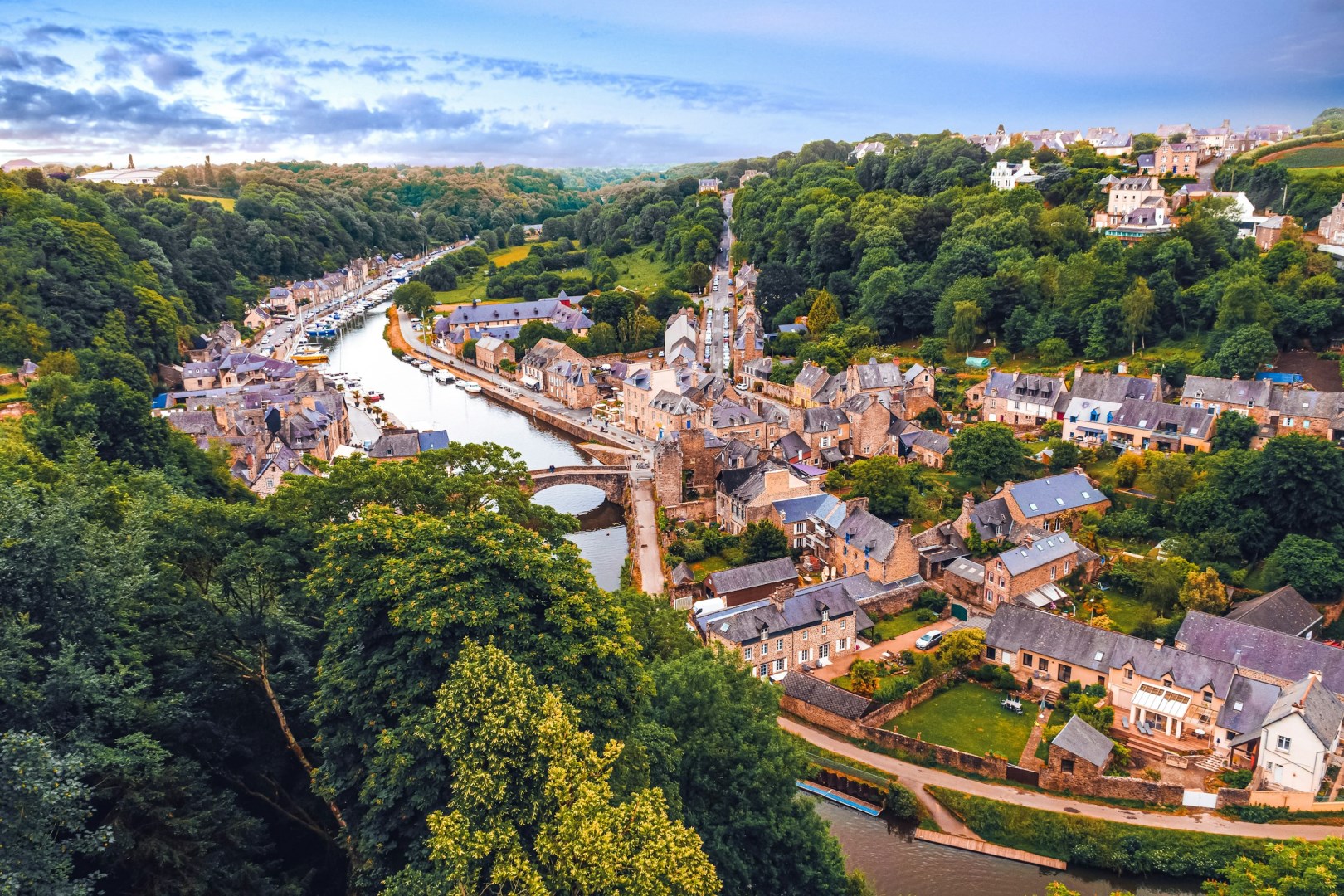
Medieval half-timbered houses decorated with vibrant flower displays line the cobblestone streets of this picturesque and charming French town. Whether you're perusing the artisan shops, exploring the historic buildings, taking a leisurely walk along the riverbanks, or enjoying the lively markets or festivals, you'll find yourself immersed in its timeless beauty.
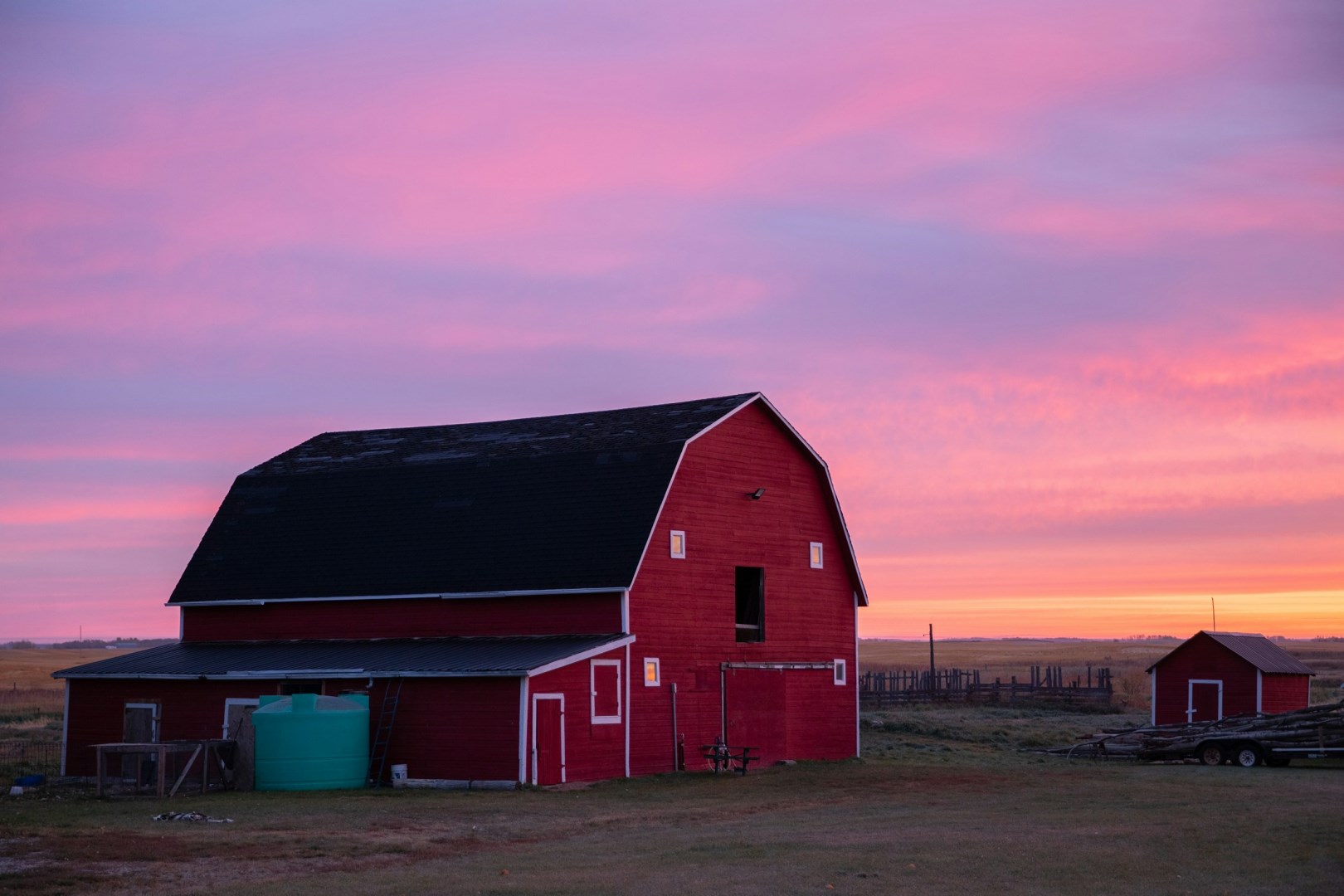
Regina is the provincial capital of Saskatchewan. Covering an area of 251,699 sq. miles, this Canadian heartland is ripe with sprawling farmlands and fertile soil producing almost one-third of North America's wheat supply. The Metis people populate a sparse area of the territory's northern wilderness of lakes, swamps and forest.
Zion National Park, located in southwestern Utah, is known for its massive sandstone cliffs, narrow slot canyons, and unique desert ecosystems. Established in 1919, it was Utah’s first national park and continues to attract visitors with its dramatic elevation shifts and striking rock formations. The park’s most iconic feature, Zion Canyon, stretches for 15 miles and reaches depths of up to 2,640 feet, carved over time by the Virgin River.
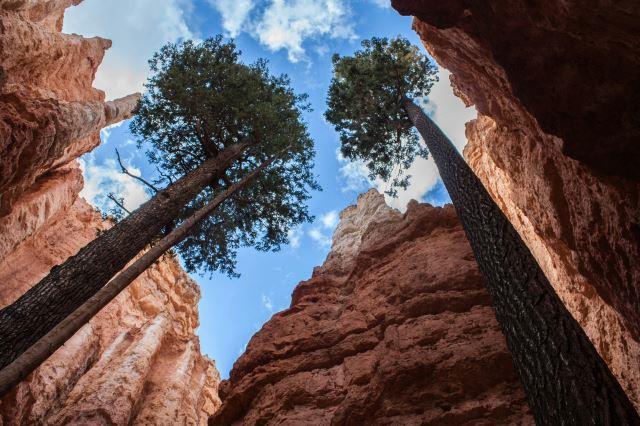
Bryce Canyon
Bryce Canyon, tucked into the high plateaus of southern Utah, offers one of the most unusual landscapes in the American Southwest. It’s not actually a canyon but a series of natural amphitheaters carved into the edge of the Paunsaugunt Plateau. What makes Bryce unique is its dense collection of hoodoos which are tall, thin spires of rock formed over millions of years by frost-wedging and erosion.