Chania, the jewel of western Crete, is a city where history, culture, and natural beauty converge to create a captivating experience. Known for its Venetian harbor, Chania boasts a unique blend of Venetian, Ottoman, and Greek influences. The harbor's old lighthouse, built in the 16th century by the Venetians, stands as a timeless sentinel over the bustling waterfront, which is lined with colorful buildings, inviting cafes, and vibrant tavernas.
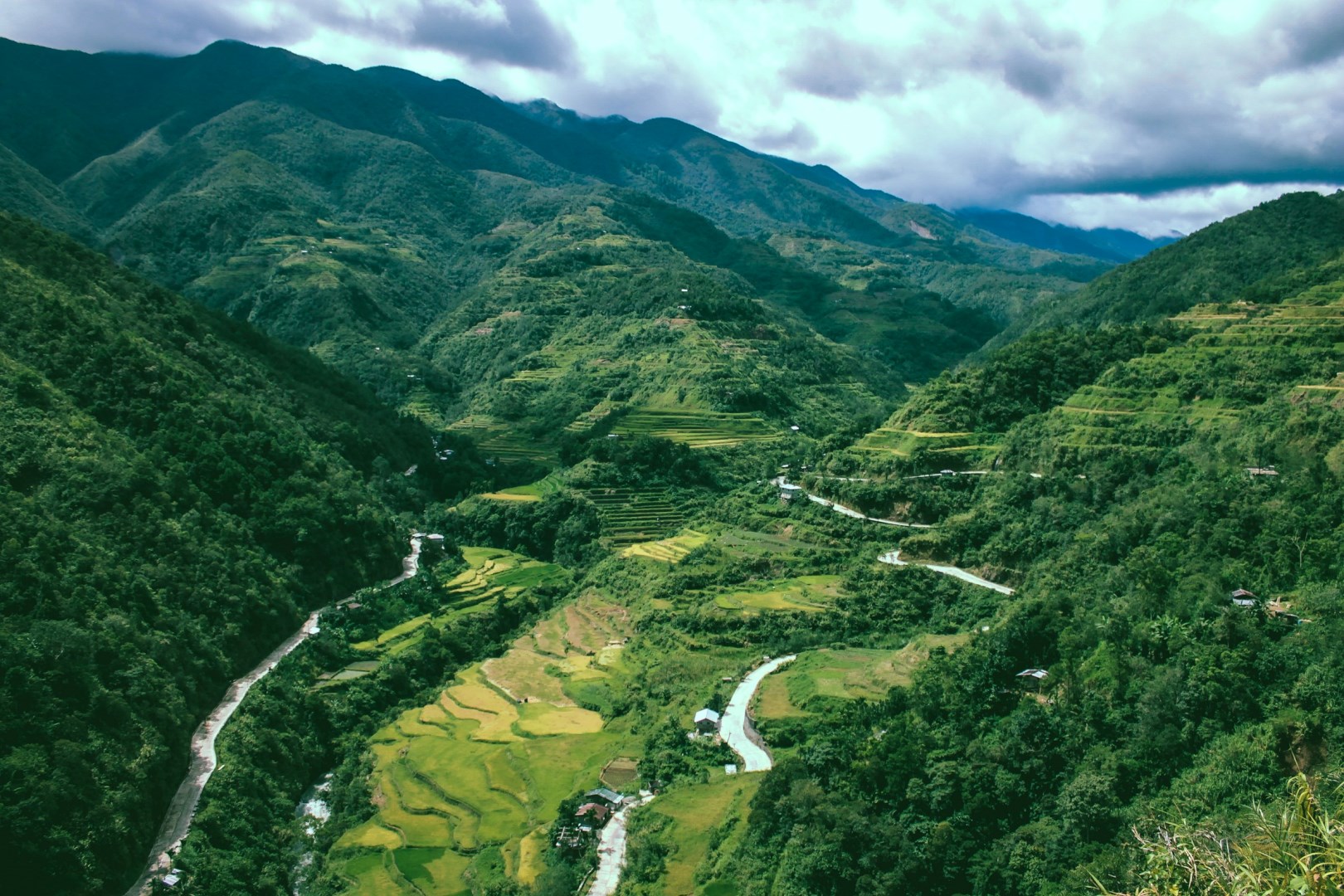
Luzon is the 15th largest island in the world, and the most populous island in the Philippines, home to 53 million people and the country’s capital, Manila. Luzon boasts a unique and eye-catching topography, with a variety of terrains and distinct geographical features. The north’s flat coastline and tropical pine forests meet at the site of Mount Pulag, Luzon’s tallest mountain peak.
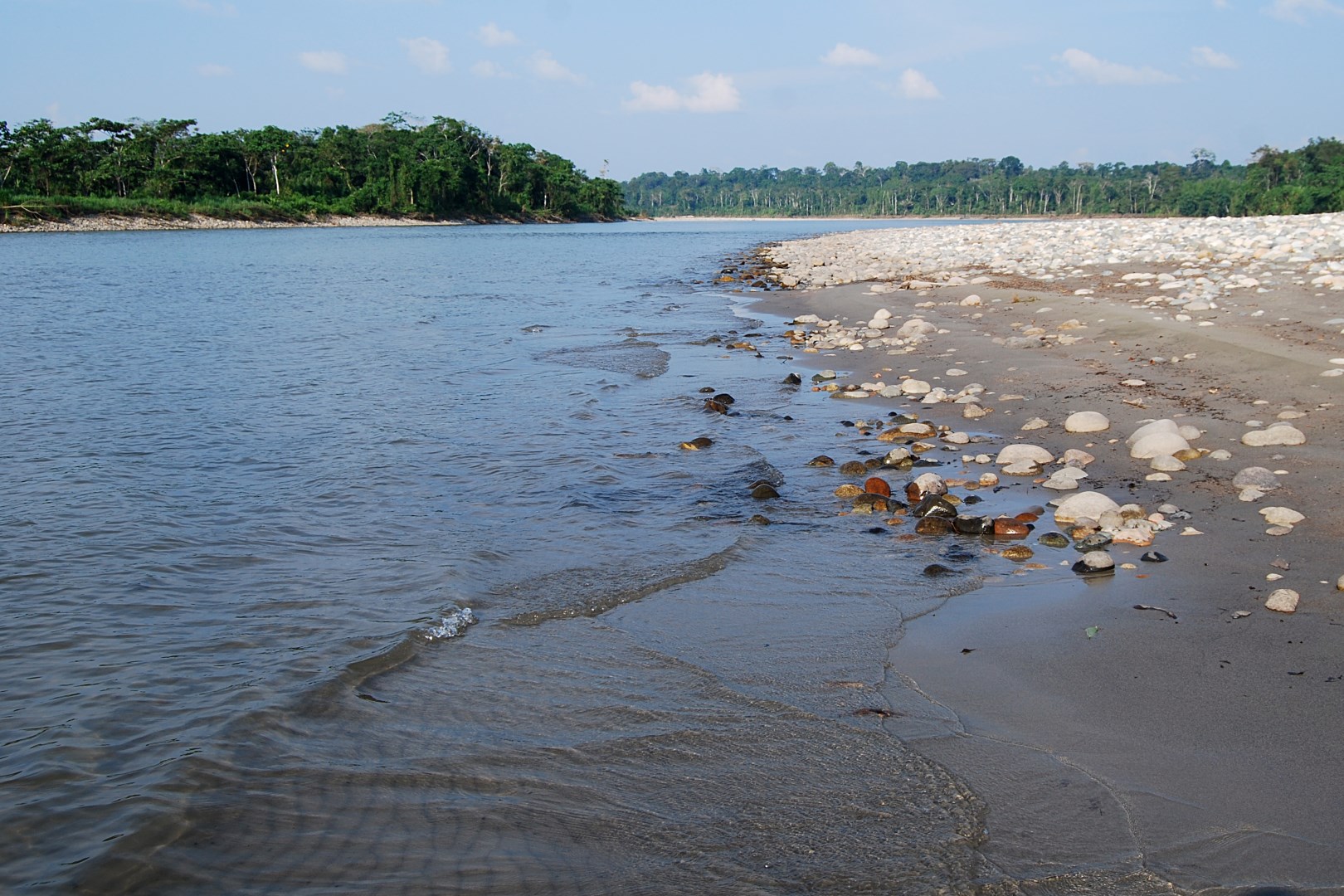
A tributary of the Amazon, the Napo River (Río Napo) originates in the east Andes mountains. It flows east through Ecuador, then southeast into Peru, where it joins the larger river roughly 50 miles downstream from Iquitos.
About halfway down the Oregon coast, the picturesque Yaquina Head Lighthouse welcomes you to Newport, a town known for its Dungeness crab and glorious harbor under the graceful Yaquina Bay Bridge. The historic Bayfront offers a mixture of shops, galleries, canneries and restaurants that serve fresh clam chowder, shrimp, oysters, crab and salmon.
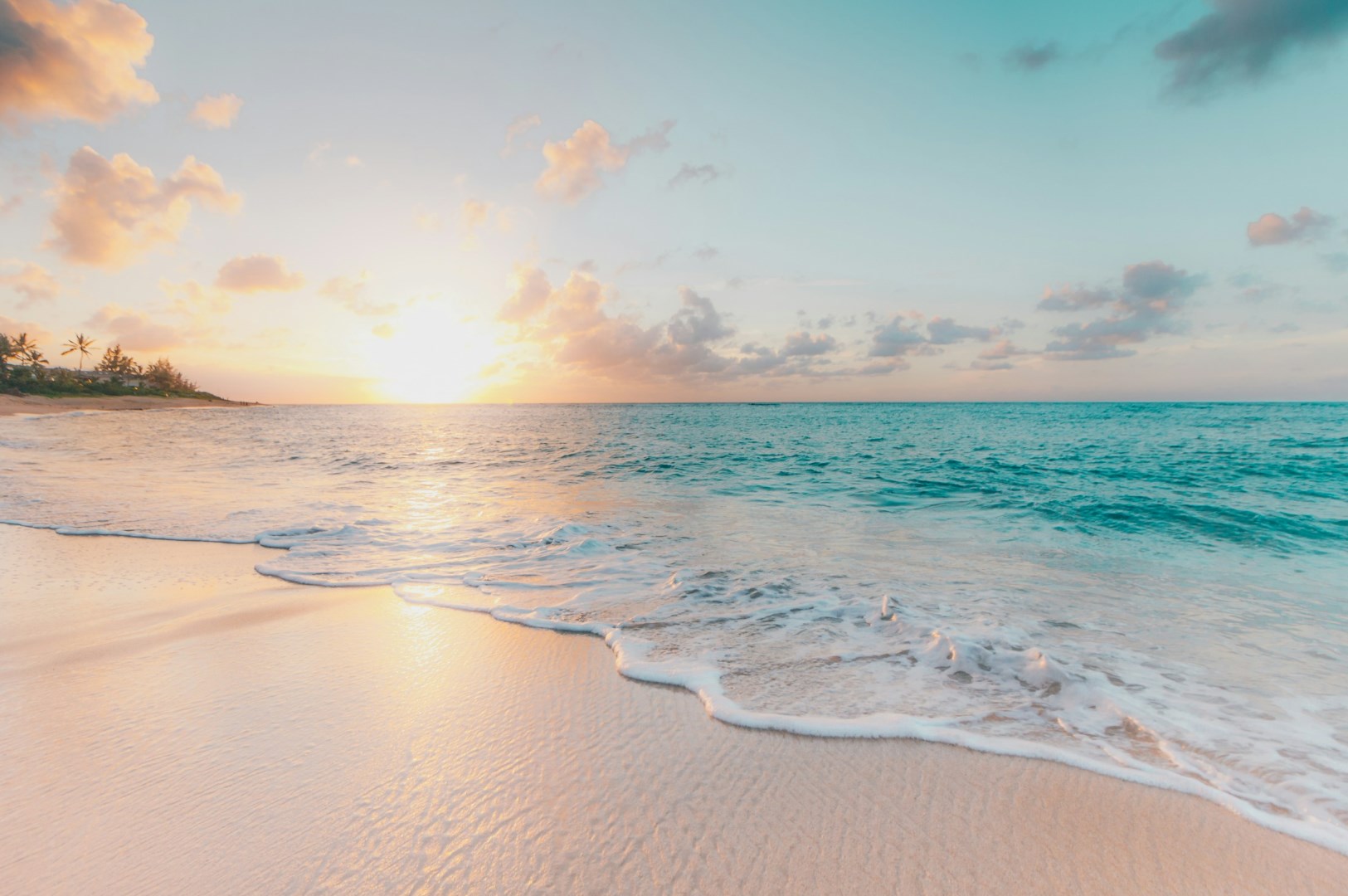
Waialua is a small rural community on the North Shore of Oʻahu, Hawaiʻi, situated between the Pacific Ocean and the agricultural lands of the island’s northern interior. The area is known for its open fields, coastal scenery, and connection to farming rather than the resort development found elsewhere on Oʻahu. Waialua sits near the Anahulu River and is close to Haleʻiwa, making it a useful base for exploring the North Shore. Its landscape combines beaches, farmland, lowland forests, and views t
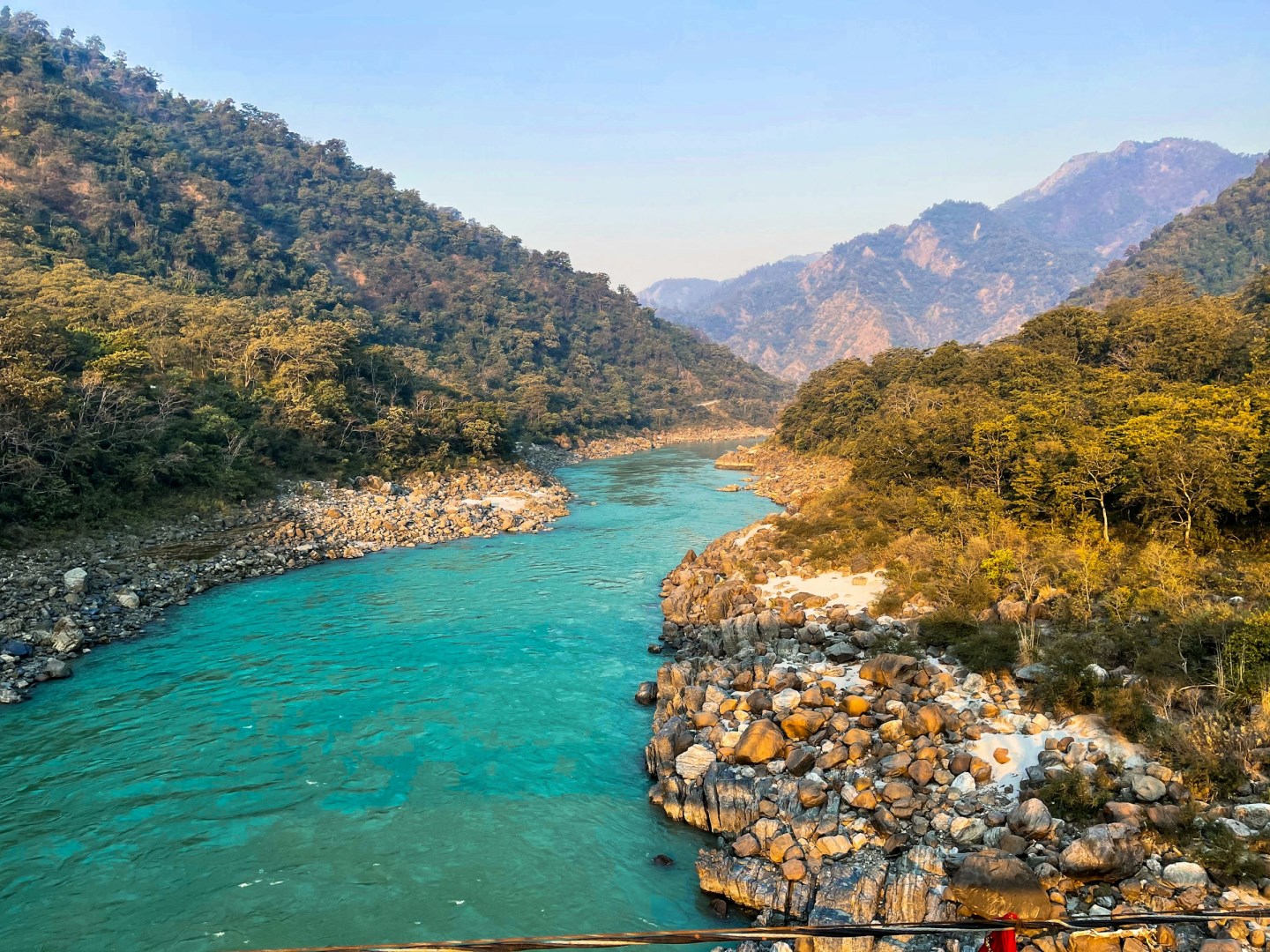
The River Ganges, flowing through India and Bangladesh, supports millions of people living in the river basin. In Hinduism, the river is considered the most sacred, and as a result it is in important element of many Hindu rituals and festivals.
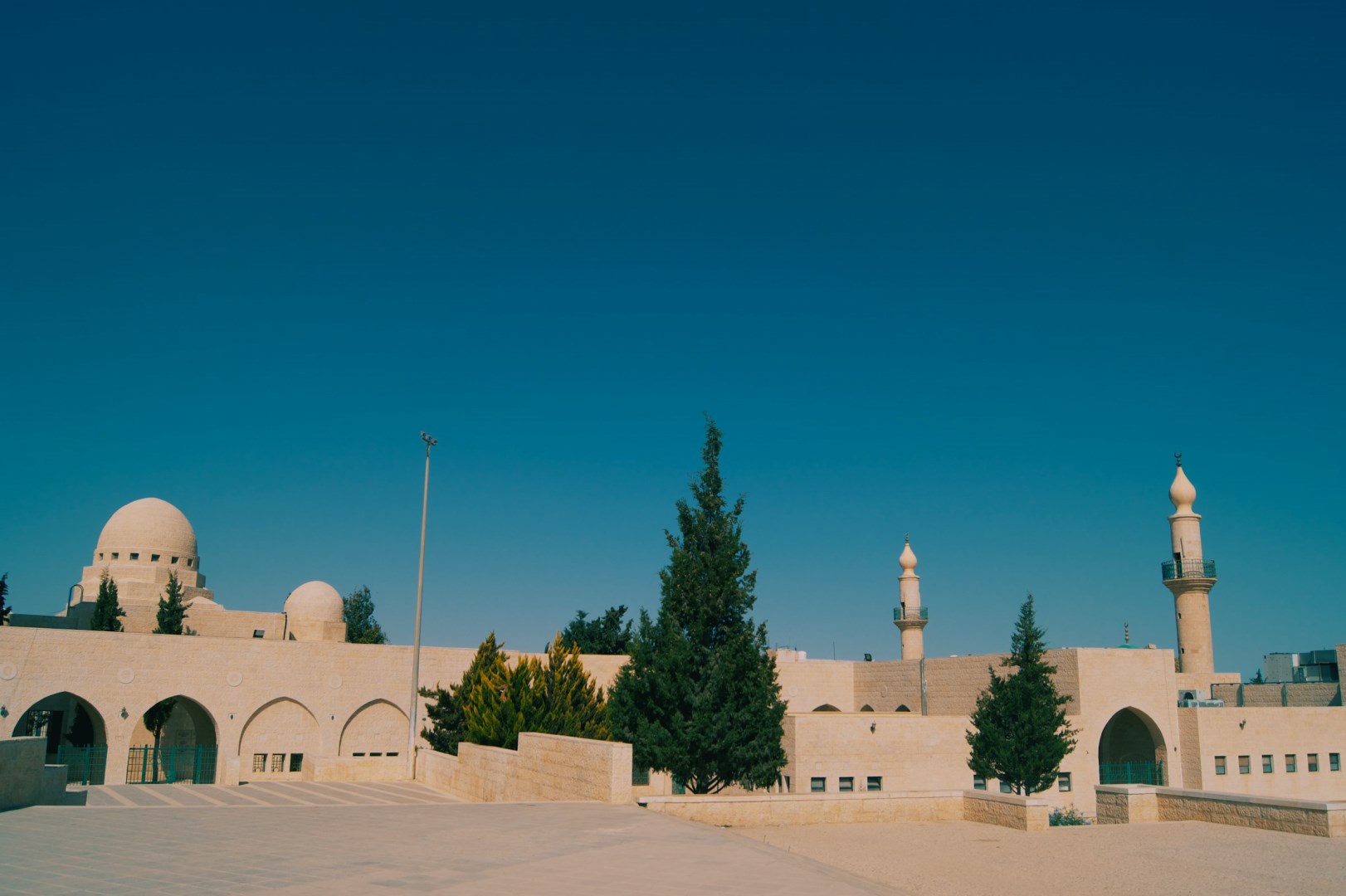
Kerak is a fortress town 75 miles (120km) from Amman, and contains one of the two major Crusader castles in the Kingdom. The castle, built to protect the approach to Jerusalem, stands on a craggy plateau 4,300ft above sea level. It was built in the early part of the 12th century and held for 50 years by the Crusaders until they were defeated by Salah al Din (Saladin) in 1189.
This majestic fortress, which has been partially restored, is a maze of small rooms and passageways and offers some interesting exploration for the visitor. The greater part of the town of Kerak lies within the walls of the old Crusader town.
Kerak lies on the King's Highway, an international trade and transit route for the past five thousand years and one of the most historic and scenic routes in the world. The villages and landmarks along its way are historic sites, many of which are mentioned in the Bible.
Other Popular Destinations in Jordan
Petra
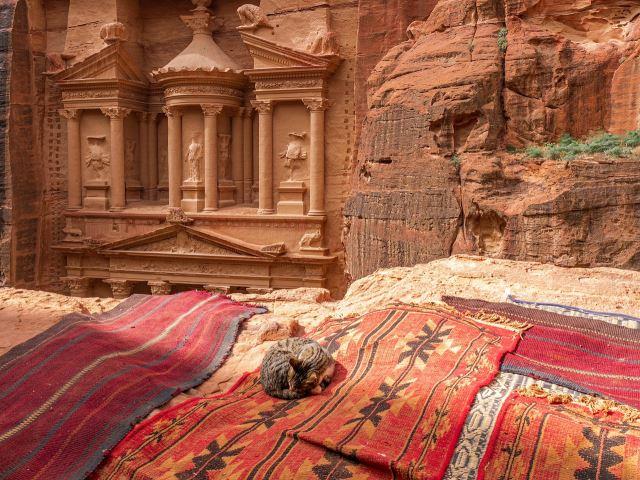
Tucked between Jordan's sandstone cliffs in the southwestern desert, Petra was carved directly into rose-colored rock more than 2,000 years ago. Visitors approaching through the narrow gorge known as the Siq are rewarded with their first glimpse of Al-Khazneh, the Treasury, a towering facade that seems to appear from another world.
Amman
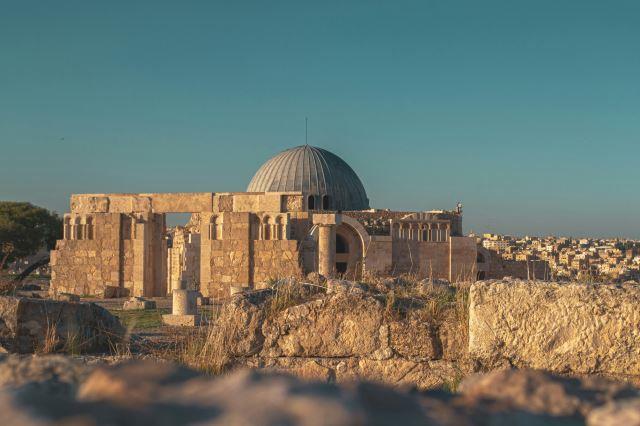
Situated near the Dead Sea, Amman is the capital of Jordan and a cultural and historical hub in the Middle East. Explore this sprawling city, replete with historic landmarks, museums, and mosques, and you’ll soon be enraptured by its blend of metropolitan and ancient beauty.