



Middle East | Jordan | Kerak
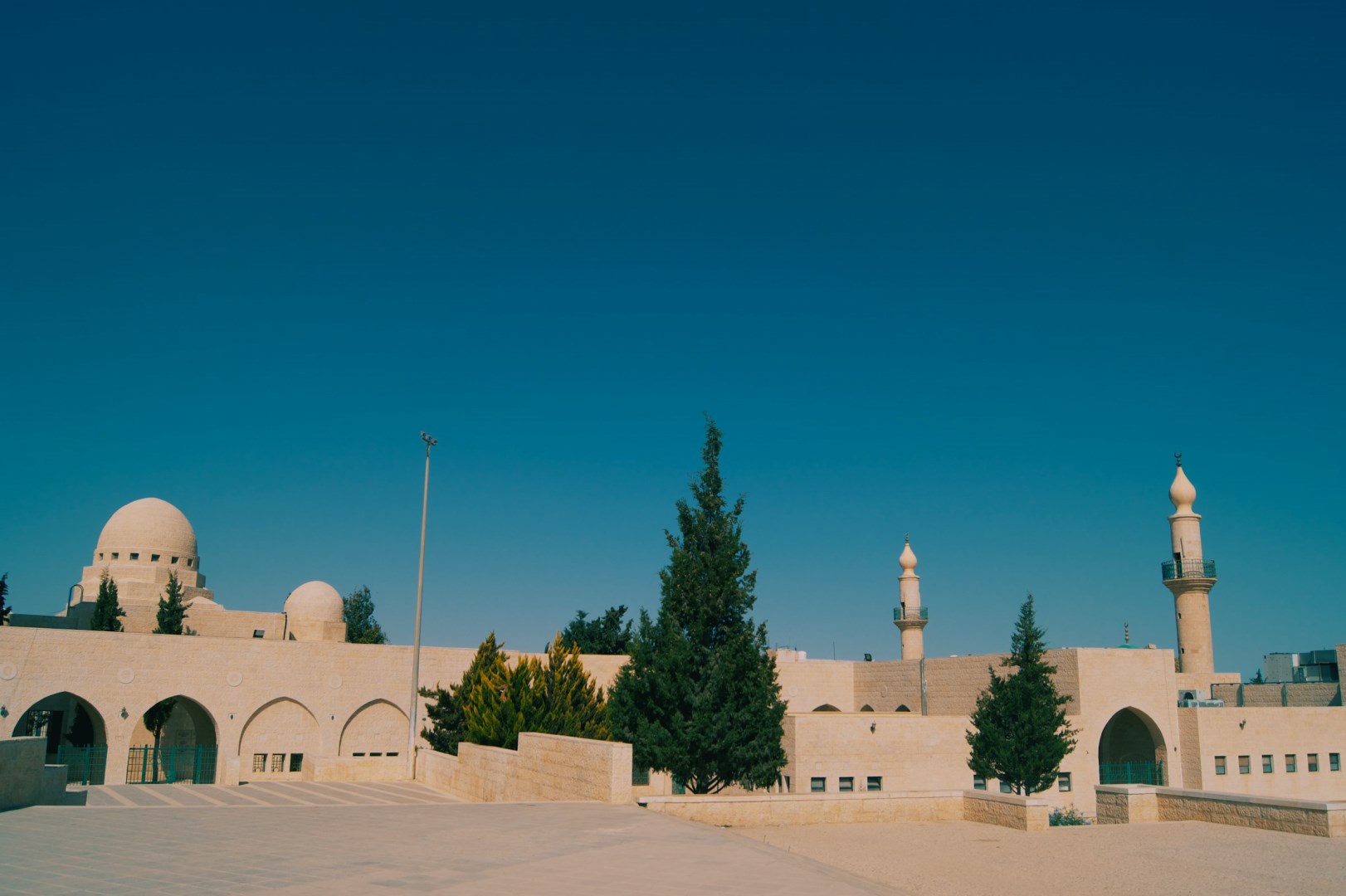
Kerak is a fortress town 75 miles (120km) from Amman, and contains one of the two major Crusader castles in the Kingdom. The castle, built to protect the approach to Jerusalem, stands on a craggy plateau 4,300ft above sea level. It was built in the early part of the 12th century and held for 50 years by the Crusaders until they were defeated by Salah al Din (Saladin) in 1189.
This majestic fortress, which has been partially restored, is a maze of small rooms and passageways and offers some interesting exploration for the visitor. The greater part of the town of Kerak lies within the walls of the old Crusader town.
Kerak lies on the King's Highway, an international trade and transit route for the past five thousand years and one of the most historic and scenic routes in the world. The villages and landmarks along its way are historic sites, many of which are mentioned in the Bible.
This majestic fortress, which has been partially restored, is a maze of small rooms and passageways and offers some interesting exploration for the visitor. The greater part of the town of Kerak lies within the walls of the old Crusader town.
Kerak lies on the King's Highway, an international trade and transit route for the past five thousand years and one of the most historic and scenic routes in the world. The villages and landmarks along its way are historic sites, many of which are mentioned in the Bible.
Other Popular Destinations in Jordan
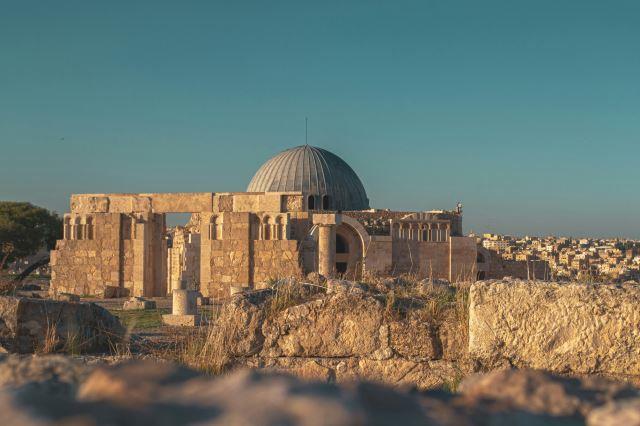
Situated near the Dead Sea, Amman is the capital of Jordan and a cultural and historical hub in the Middle East. Explore this sprawling city, replete with historic landmarks, museums, and mosques, and you’ll soon be enraptured by its blend of metropolitan and ancient beauty.
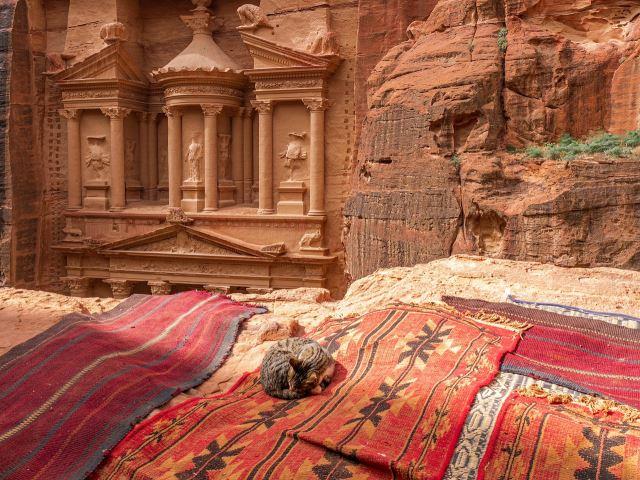
Tucked between Jordan's sandstone cliffs in the southwestern desert, Petra was carved directly into rose-colored rock more than 2,000 years ago. Visitors approaching through the narrow gorge known as the Siq are rewarded with their first glimpse of Al-Khazneh, the Treasury, a towering facade that seems to appear from another world.
