


Australia & New Zealand | Australia | Uluru-Kata Tjuta National Park


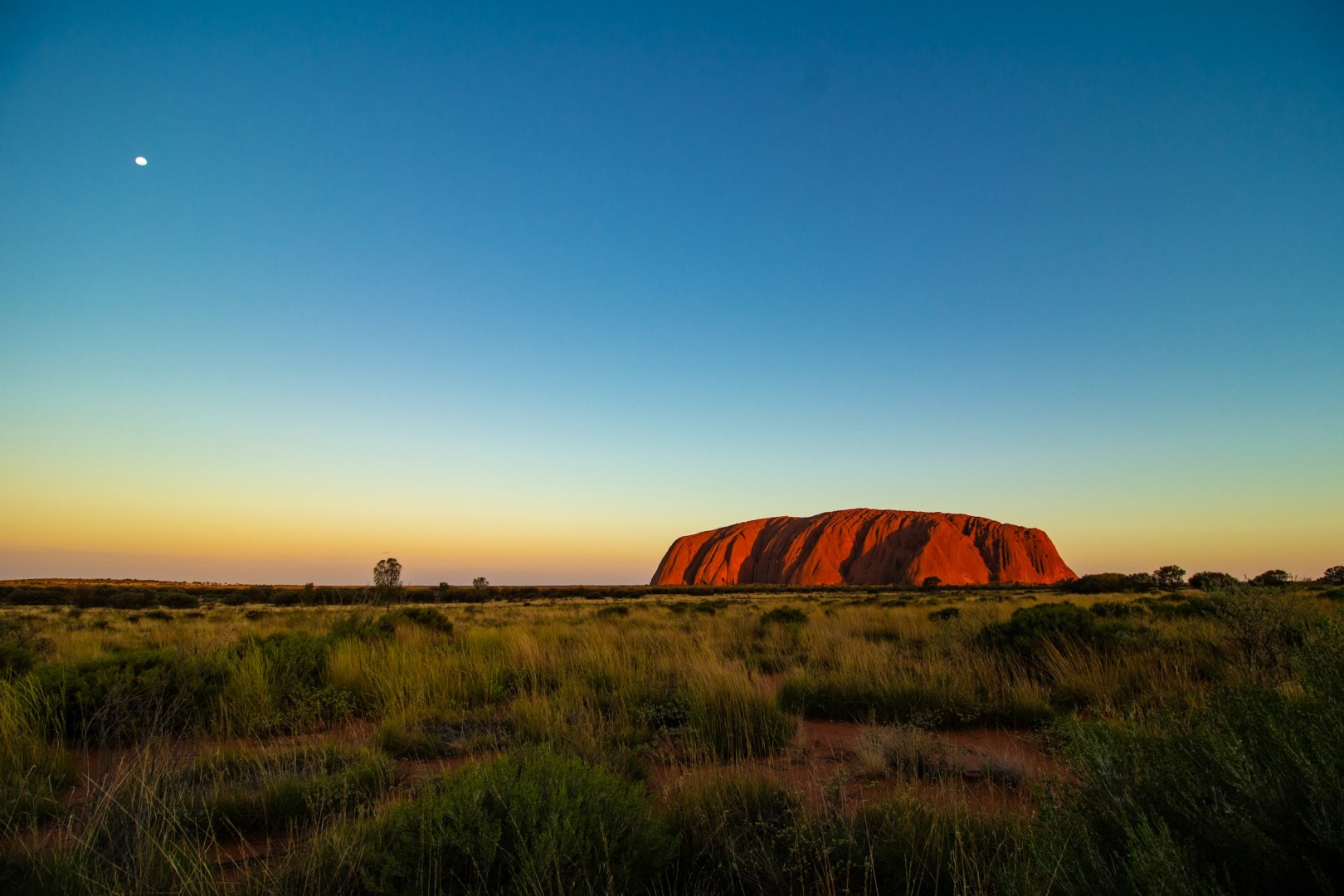
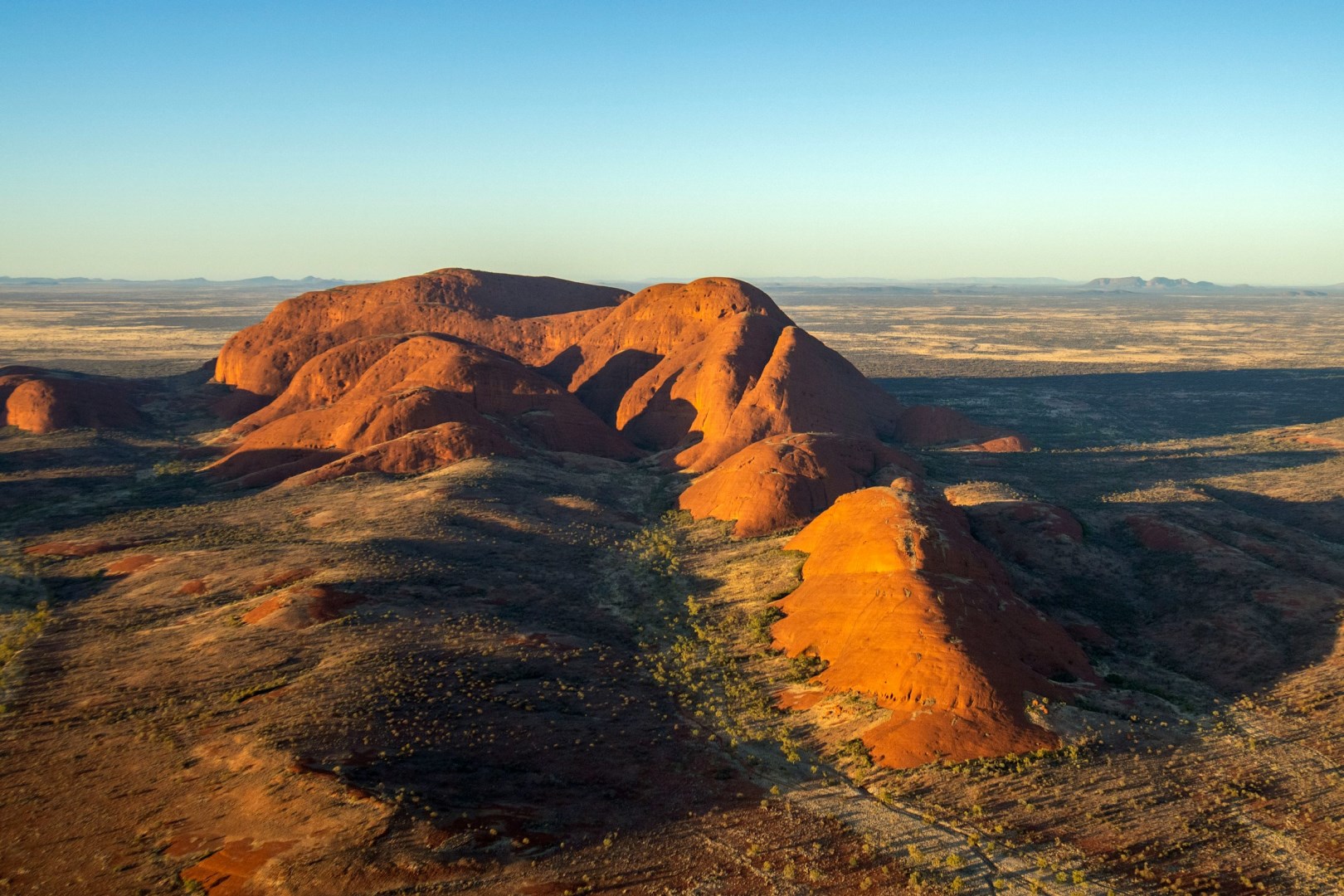
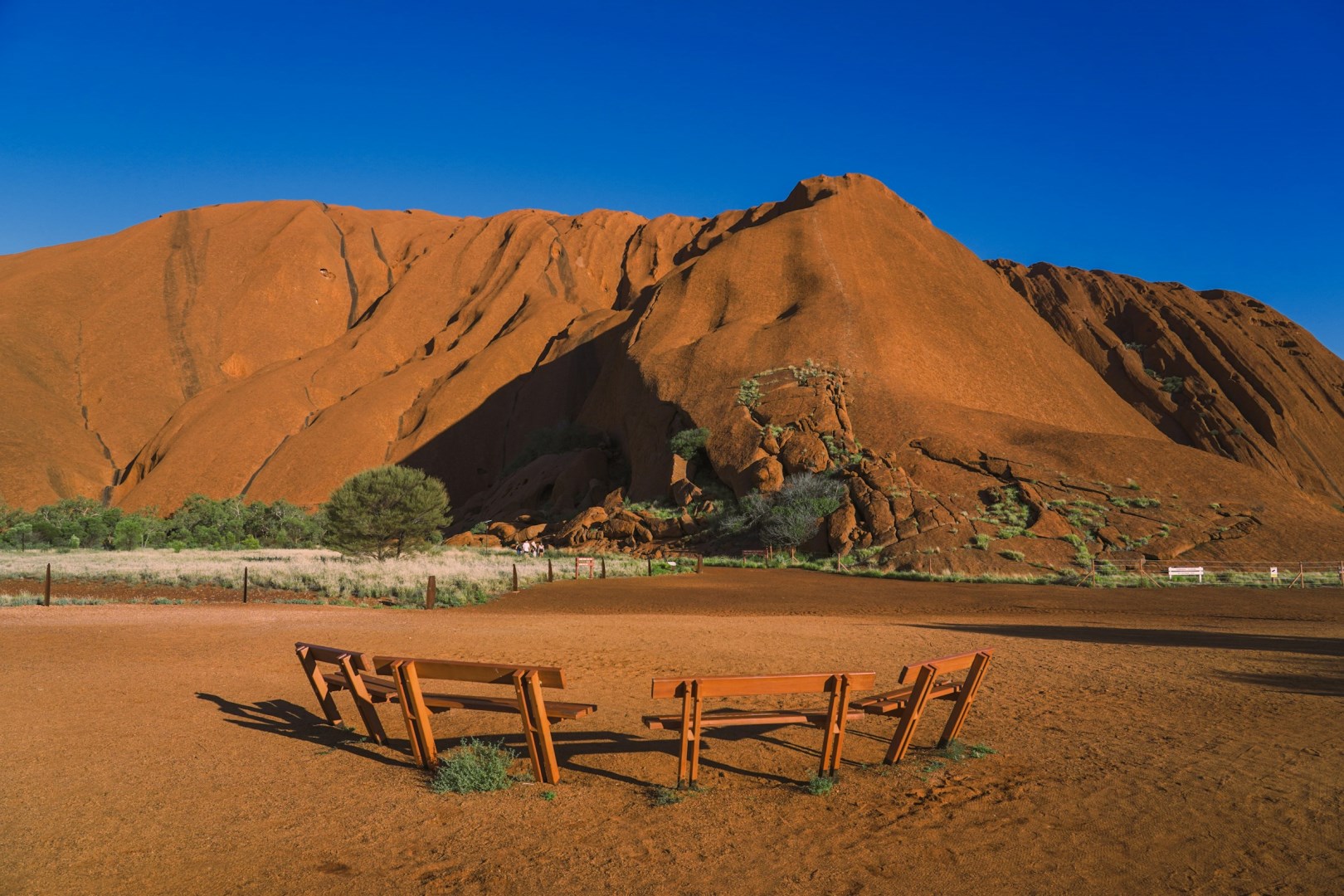
Uluru-Kata Tjuta National Park, national park in the Northern Territory, Australia, in the arid center of the continent, southwest of Alice Springs. The area was established as Ayers Rock/Mount Olga National Park in 1958 and renamed Uluru National Park in 1977. In 1985 the land was officially returned to its traditional owners, the region's Aborigines. The Aborigines then leased the area to the Australian National Parks and Wildlife Service. In 1987 the park was placed on the World Heritage List, a listing by the World Heritage Convention of the world's unique and precious sites. The park was renamed Uluru-Kata Tjuta National Park in 1993.
Other Popular Destinations in Australia

Sydney, Australia, is a vibrant city where iconic landmarks, diverse neighborhoods, and natural beauty converge. The Sydney Opera House, with its striking sail-like design, and the Sydney Harbour Bridge are symbols recognized around the world, yet the city offers much more beyond its famous skyline.

Cairns is the majestic entrance to Australia's Great Barrier Reef. This warm, tropical destination is located in Far North Queensland. Must-see attractions in Cairns include the Tjapukai Aboriginal Cultural Park, which educates tourists about indigenous peoples, and restaurant and bar-dotted Cairns Esplanade, which has a lagoon for swimming.
