




USA | California | Calistoga
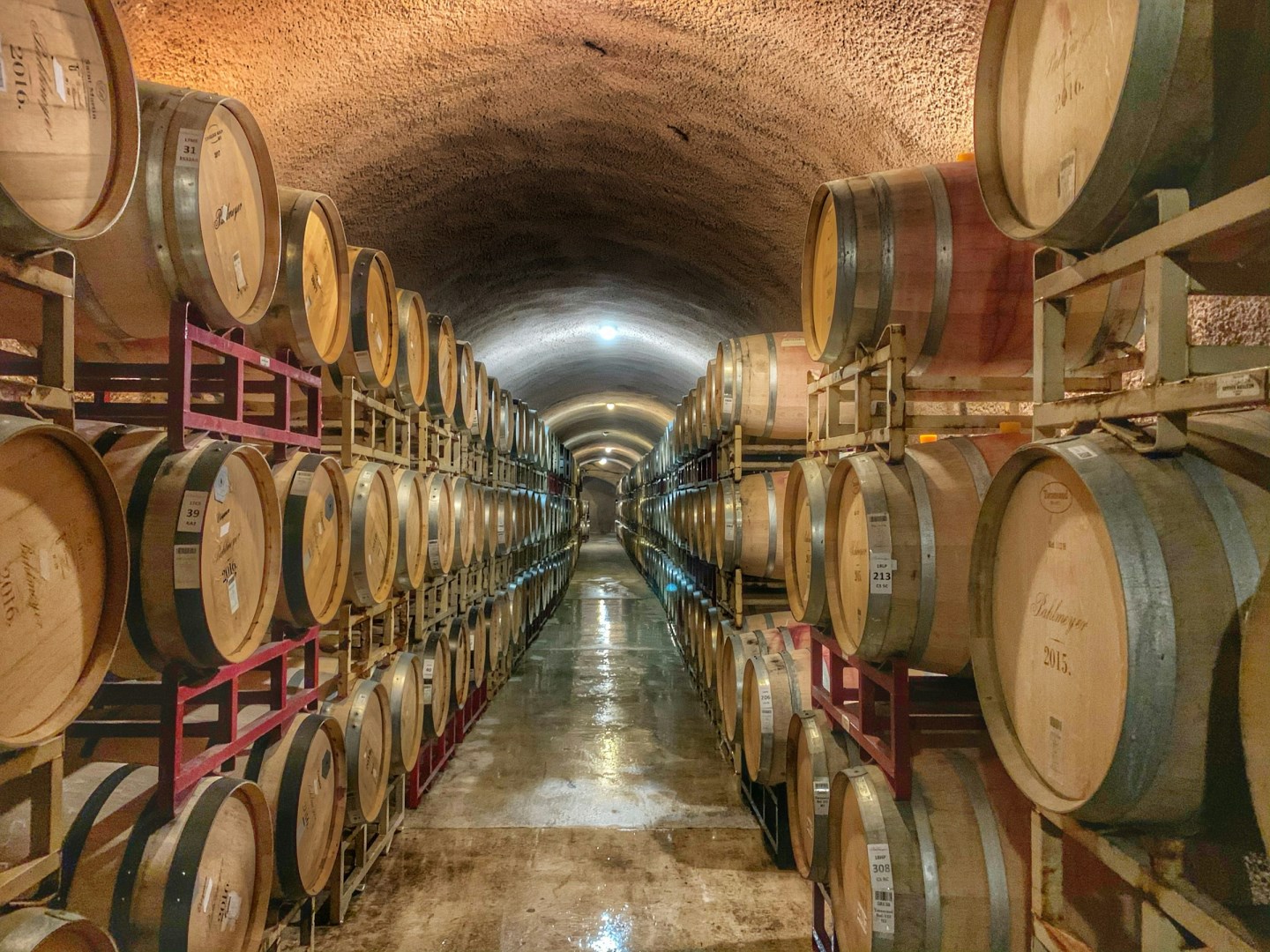
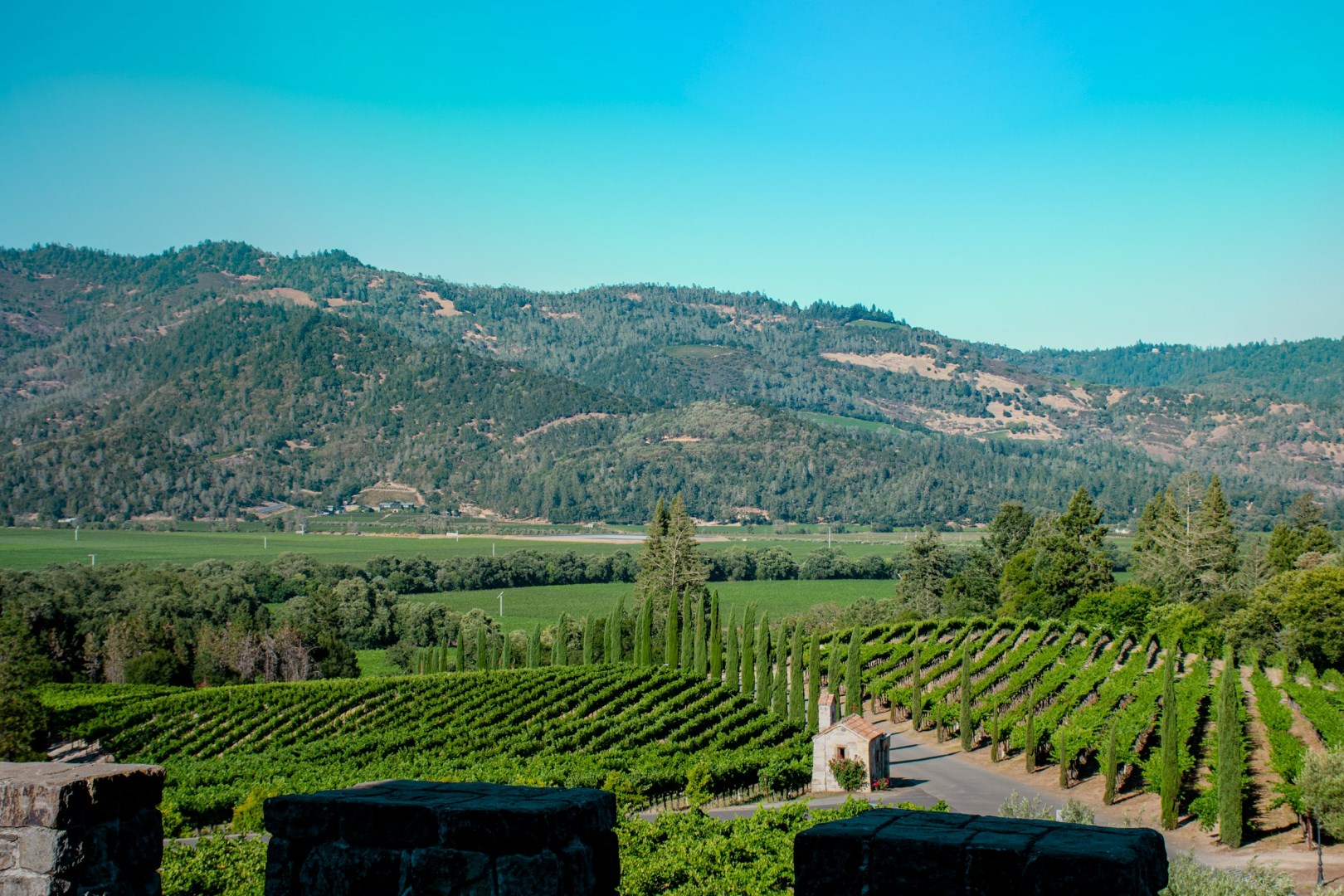


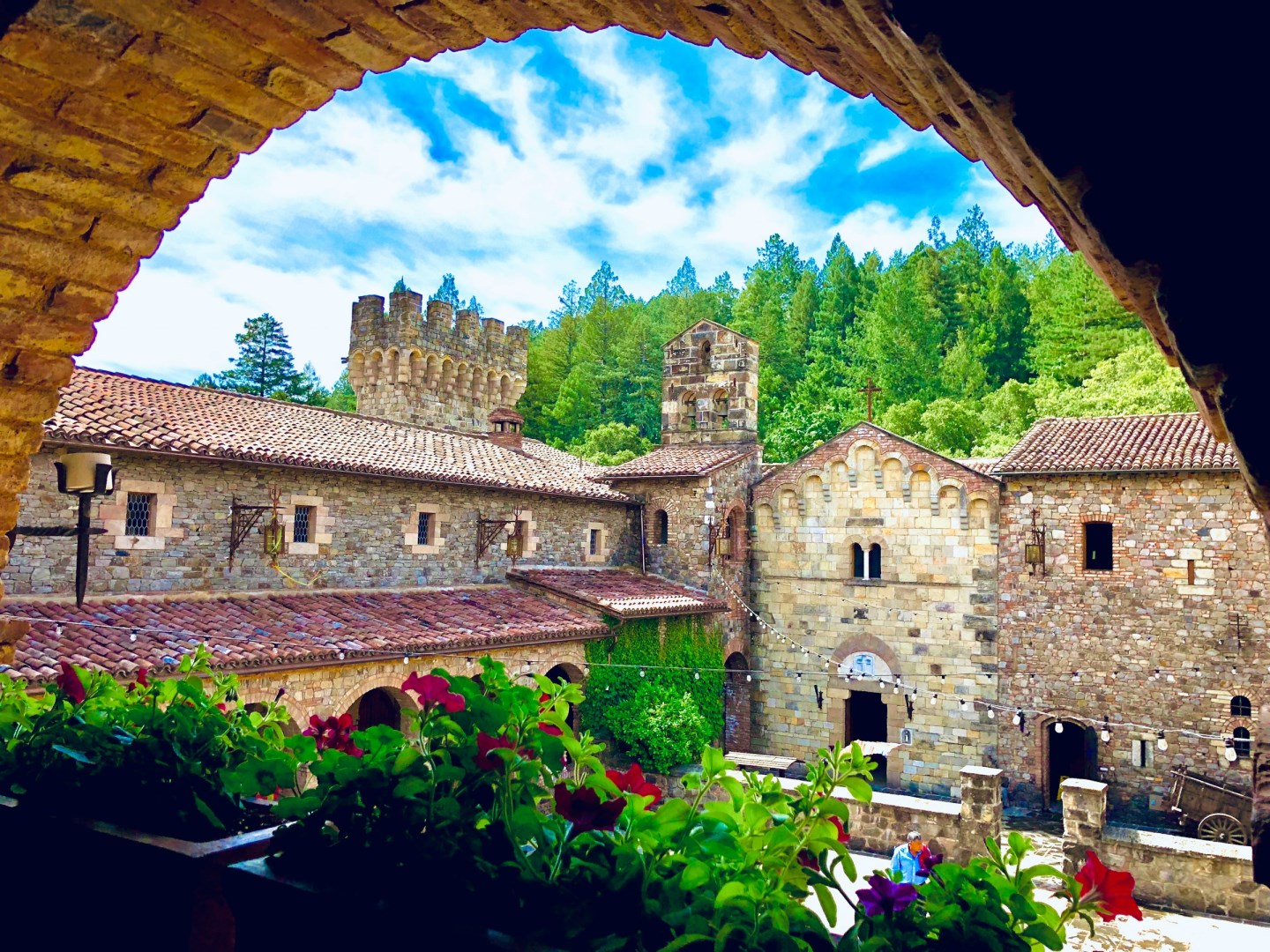

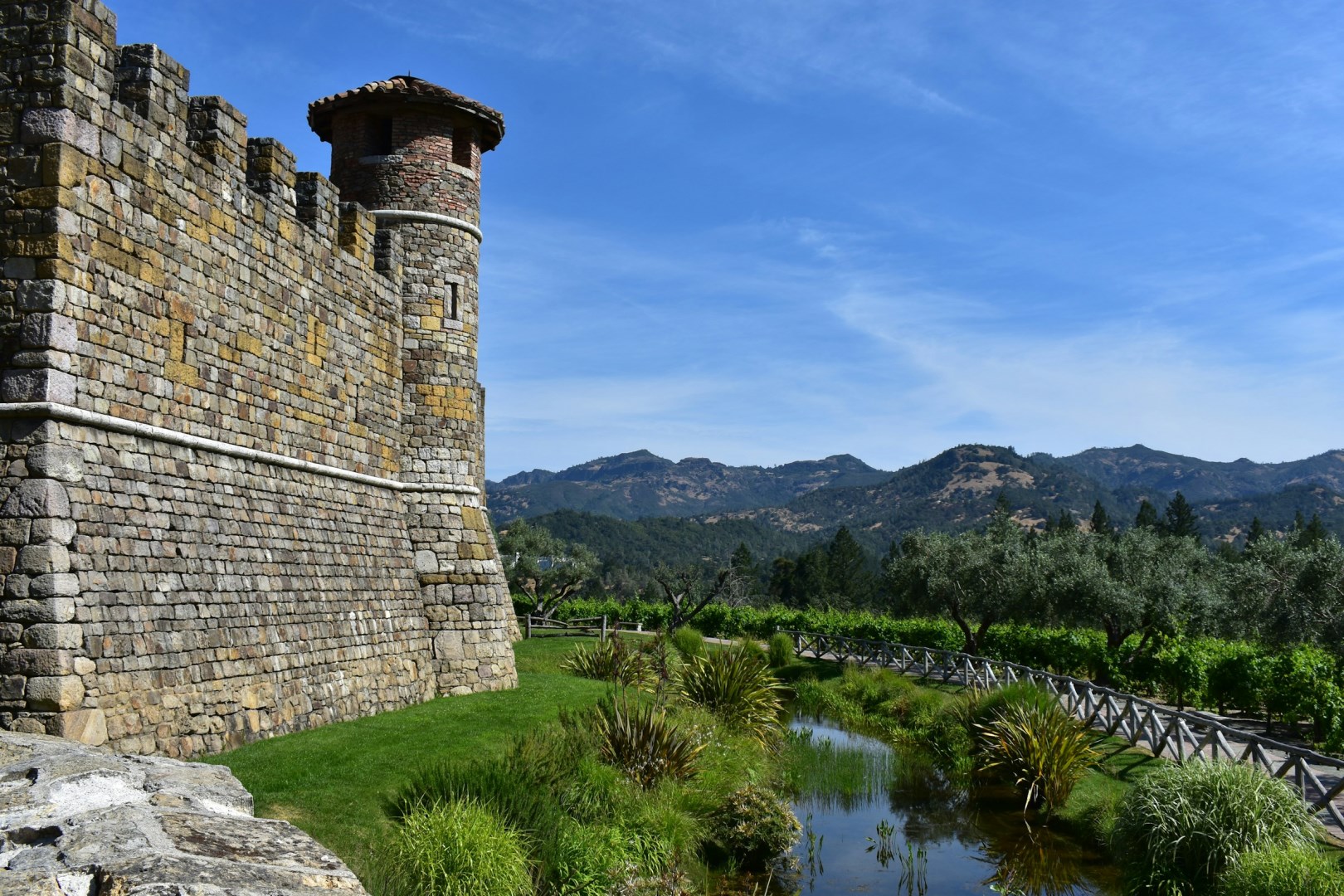



Calistoga is a small city at the northern end of Napa Valley in Northern California, surrounded by vineyards, oak-covered hills, and volcanic landscapes. Its location near Mount Saint Helena gives the area a different setting from the broader valley floor farther south, with wooded mountains rising around the community. Calistoga is particularly associated with geothermal springs, which have supported bathing and wellness traditions for generations. Vineyards and wineries are also central to the local landscape, while the compact downtown contains historic buildings, independent businesses, restaurants, and tasting rooms along Lincoln Avenue.
Calistoga’s cultural identity reflects Indigenous heritage, agriculture, geothermal springs, and wine production. The area lies within the traditional homeland of the Wappo people, who used the valley’s plants, waterways, and hot springs. European-American settlement later transformed the area through farming, orchards, tourism, and viticulture. The Sharpsteen Museum in downtown Calistoga documents local history through exhibits on Indigenous peoples, early settlement, transportation, and community life. The town’s hot springs remain an important part of its identity, connecting present-day visitors with a longstanding tradition of using the region’s naturally heated mineral waters.
The surrounding landscape offers several distinctive attractions. Old Faithful Geyser of California is one of the area’s best-known geothermal features, producing regular eruptions of heated water. Nearby Petrified Forest contains fossilized remains of large trees preserved in volcanic deposits, providing evidence of the region’s ancient geological activity. Bothe-Napa Valley State Park protects oak woodland, redwood stands, creeks, and hiking trails in the hills west of town. Mount Saint Helena rises above the northern Napa Valley and provides a prominent landmark, while the surrounding vineyards and rural roads reveal the agricultural character of the upper valley.
Calistoga’s food culture is closely tied to Napa Valley agriculture and wine production. Restaurants commonly feature locally grown produce, cheeses, olive oil, seasonal fruit, and regional meats, while the surrounding wineries produce Cabernet Sauvignon and other varietals suited to the valley’s climate. The city is also known for mud baths, which use locally sourced volcanic ash mixed with mineral-rich thermal water. Another distinctive feature is the area’s volcanic geology: Calistoga sits within a region shaped by past volcanic activity, which influenced both the mineral springs and the soils used for vineyards. This connection between geology, agriculture, and tourism remains central to the community.
Other Popular Destinations in California