



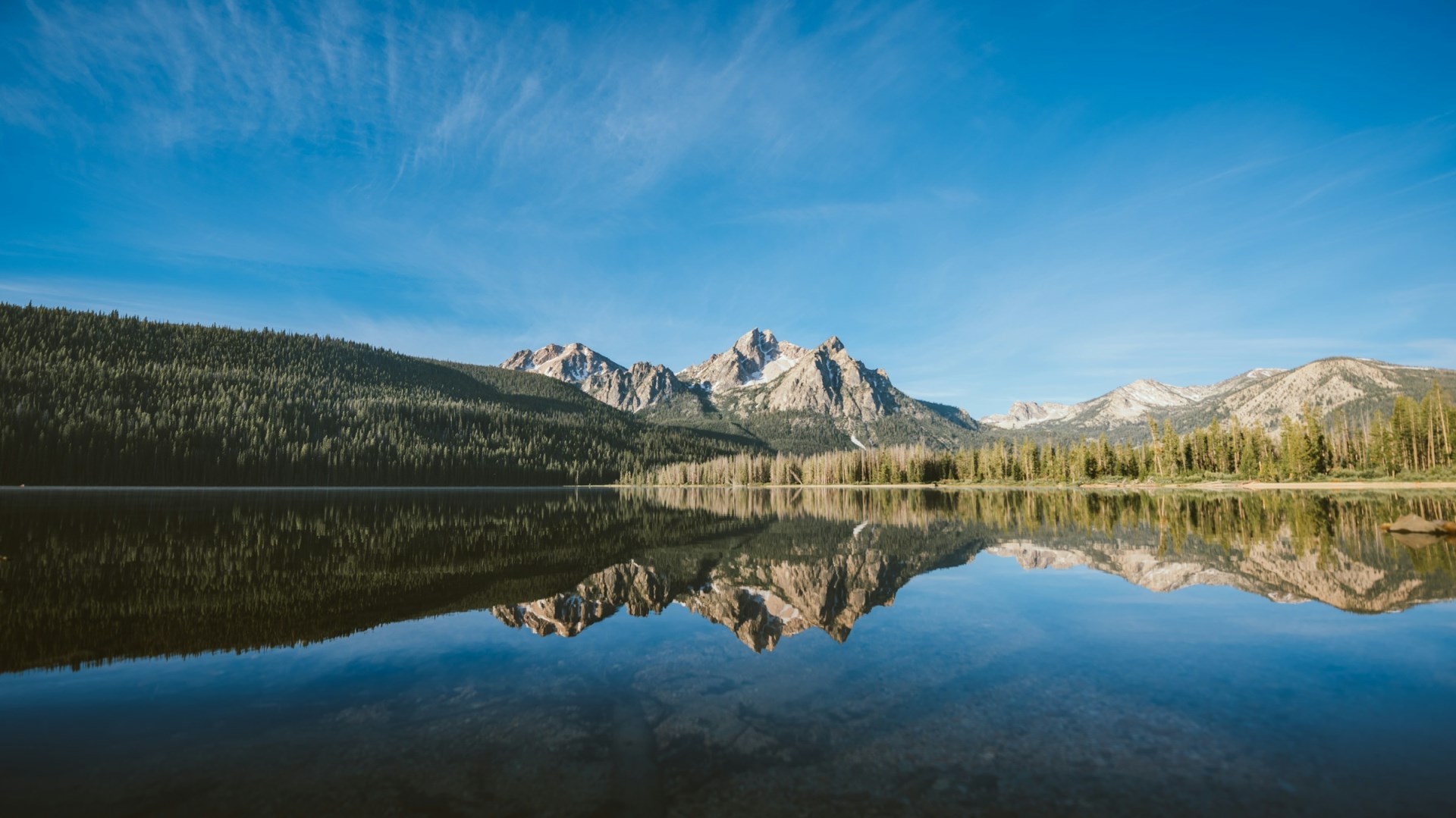
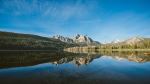
Located in central Idaho, a few miles east of the Middle Fork of the Salmon River.
Other Popular Destinations in Idaho

Boise, Idaho, often surprises first-time visitors with its dynamic mix of western history, creative culture, and easy access to outdoor experiences. Nestled at the base of the Boise Foothills, the city has grown from a 19th-century outpost into a capital city with a distinctly independent spirit. The downtown core is walkable and welcoming, where historic buildings now house coffee shops, craft breweries, and local boutiques.
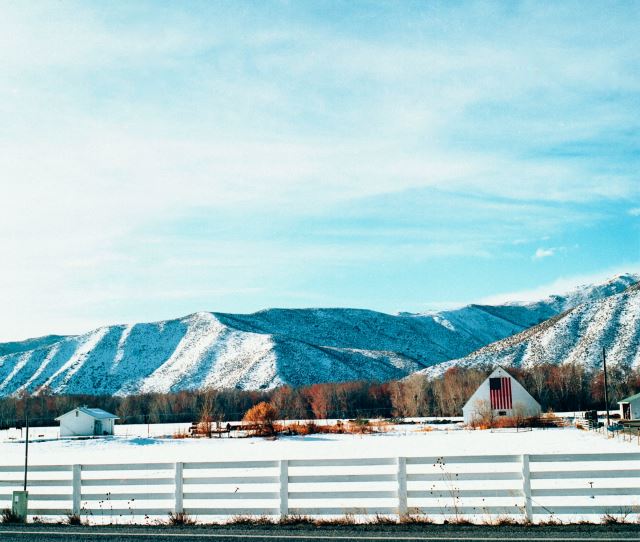
Sun Valley is a quaint ski village. A technological marketplace. Small town charm with big city convenience. The Sun Valley area provides a fun skiing experience for the entire family. All skill levels are catered to on each of the local mountains. Sun Valley Resort's Bald Mountain is just minutes from town and Soldier Mountain is a short drive down the beautiful Wood River Valley offering Snow Cat skiing and tours.
