



Australia & New Zealand | Australia | Strahan
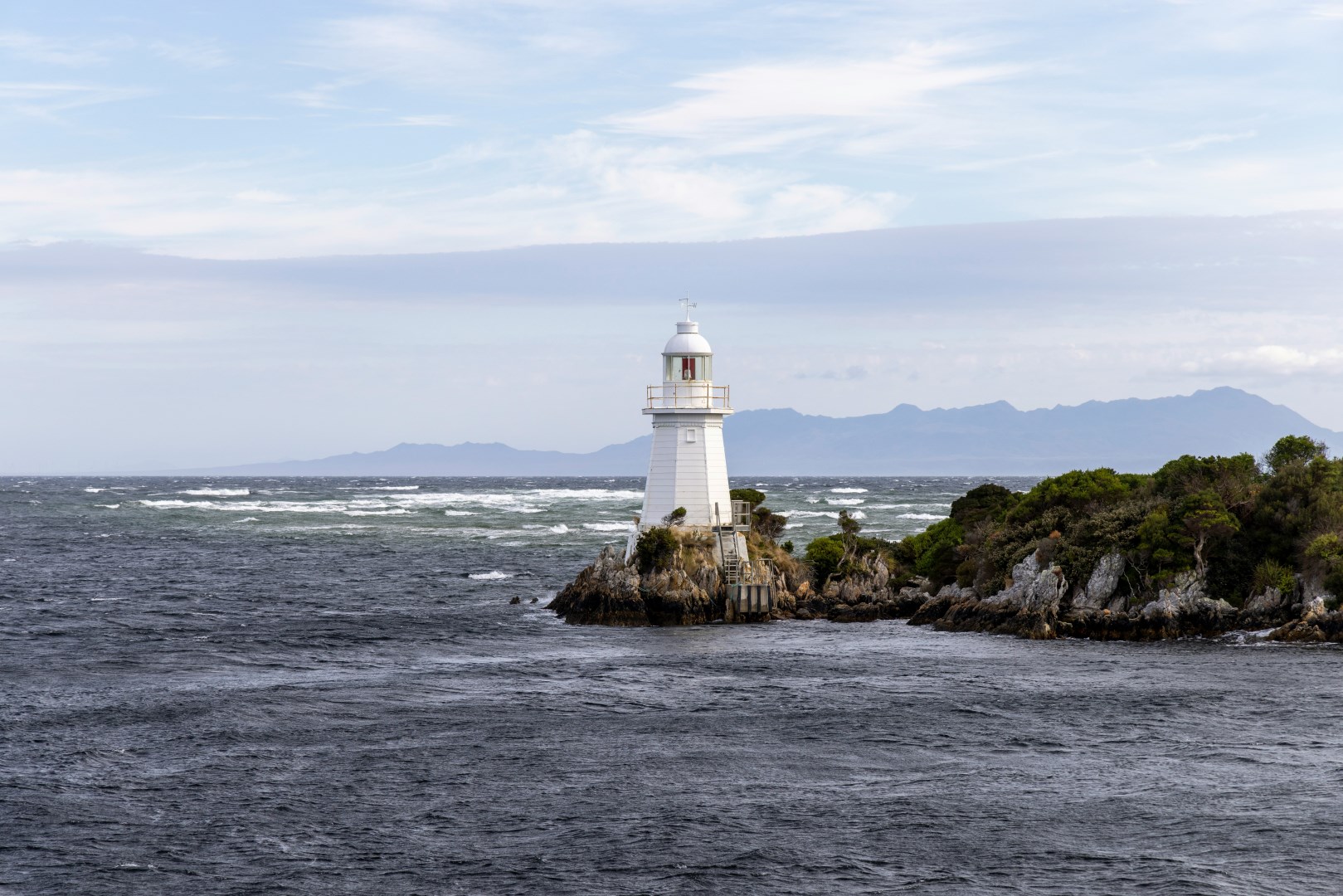
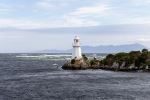
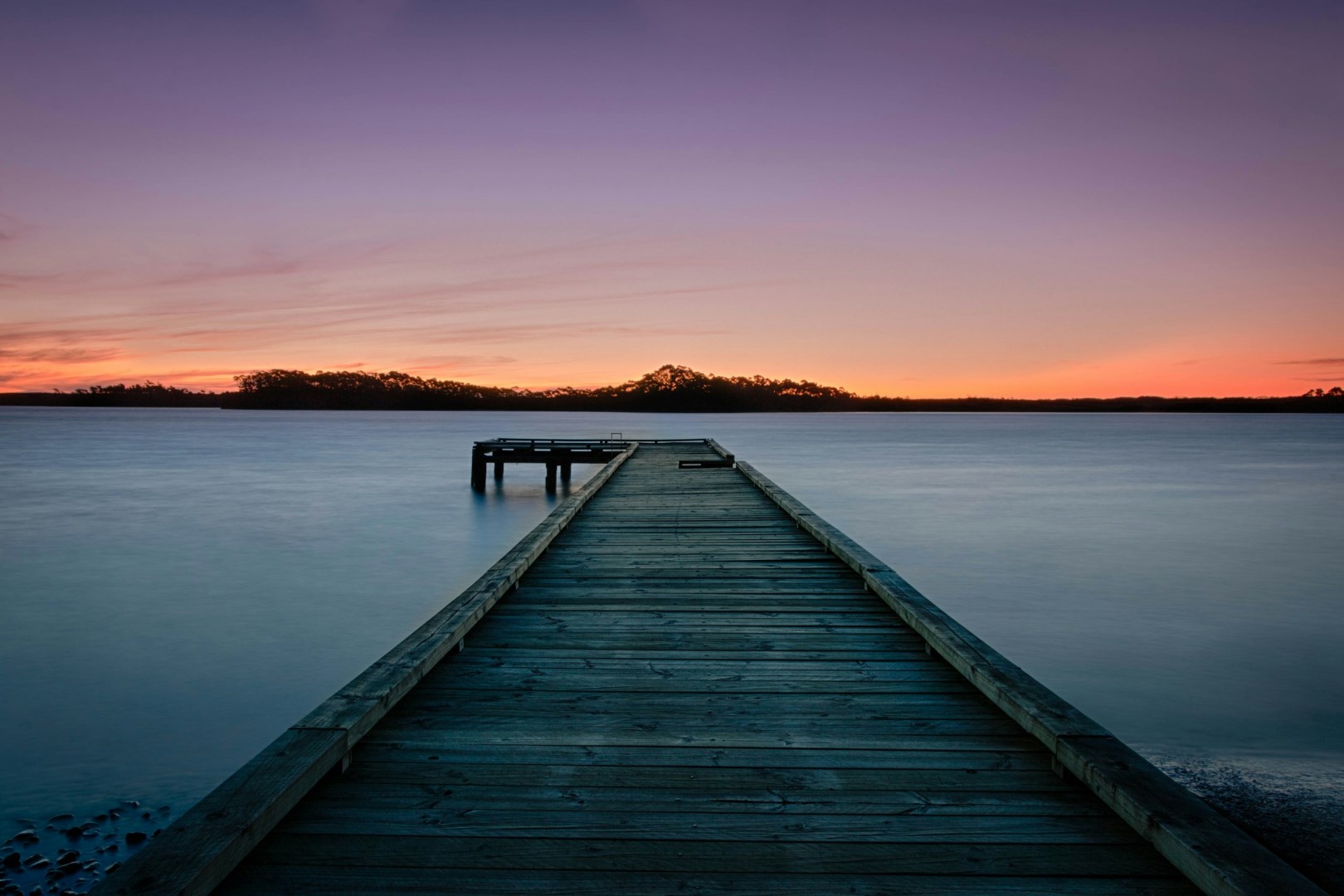
Set on the edge of a vast harbor on Tasmania’s wild west coast, Strahan feels like a place shaped by both sea and story. Once a busy port serving nearby mining settlements, it still carries echoes of ships, timber yards, and hardworking crews who relied on the sheltered waters of Macquarie Harbour. Today, that same harbor is the starting point for journeys into remote landscapes, with boats gliding toward places that were once feared as much as they were relied upon. One of the most talked-about stops is Sarah Island, a former penal settlement known for its harsh reputation and dramatic escape tales, now brought to life through guided storytelling and live performances.
Beyond its waterfront, Strahan opens the door to one of the most untouched regions in Australia. Cruises along the Gordon River reveal still, dark waters that reflect ancient rainforest, with trees that have stood for centuries lining the banks. The river’s unusual tea-like color comes from natural tannins, giving it a distinct look that surprises first-time visitors. These waterways flow through a protected wilderness area recognized around the world, where access is limited and the sense of isolation is real. Wildlife sightings—from sea eagles overhead to the elusive platypus—add to the experience, making each journey feel quietly unpredictable.
On land, one of Strahan’s most memorable experiences comes aboard the West Coast Wilderness Railway. This restored rail line once carried copper from inland mines to the coast, navigating steep terrain using a rare rack-and-pinion system. Today, the journey trades ore for storytelling, taking passengers through dense rainforest, across rivers, and into areas otherwise difficult to reach. Original locomotives still run on parts of the track, offering a rare chance to travel on working pieces of industrial heritage while enjoying local food and drinks along the way.
Other Popular Destinations in Australia


