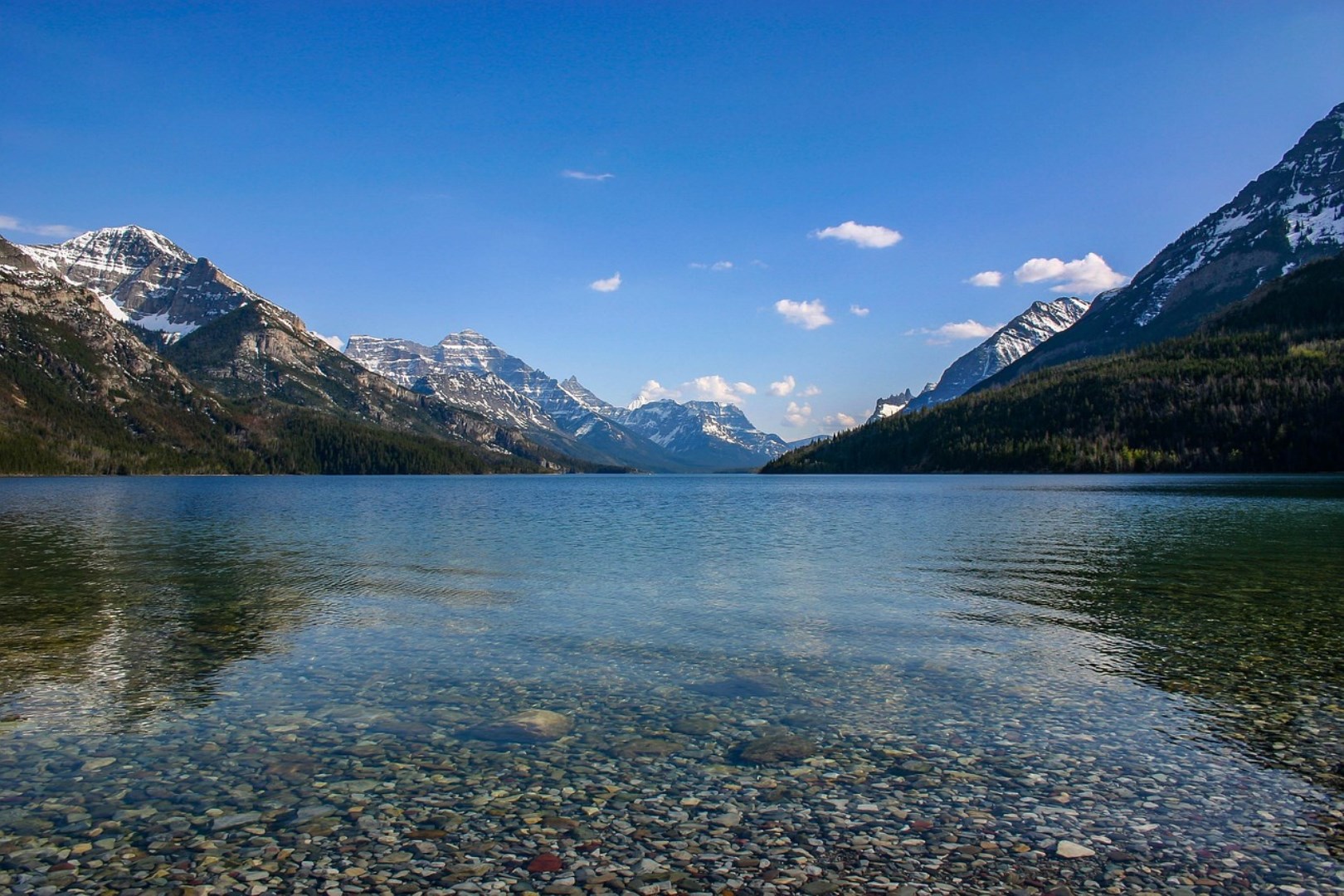
Nestled in the rolling hills of Tuscany, Montepulciano is a quintessential Italian hill town that offers visitors a perfect blend of Renaissance architecture, fine wine, and stunning vistas. Famous for its Vino Nobile di Montepulciano, this town is a paradise for wine lovers. Touring local vineyards, such as Cantina Contucci, and sampling the region’s prestigious red wines is an experience that transports you into the heart of Tuscany’s wine heritage.
The Seine River, meandering gracefully through the heart of Paris, is a living testament to the city’s rich history and vibrant culture. From the picturesque quays to the iconic landmarks lining its banks, the Seine offers an enchanting journey through Parisian elegance.
Argentina shares half of this island territory in the South Atlantic Ocean with Chile. It's a place of oil derricks, sheep, glaciers, wind and waterways. Ushuaia and Río Grande are the two main towns; awesome scenery, wild walks and fishing are the island's main attractions. Argentina's only coastal national park comprises rivers, lakes, forests and glaciers, with great trekking and wildlife-spotting opportunities.
St. Catherine's Monastery, nestled at the foot of Mount Sinai in Egypt, is a beacon of historical and spiritual significance. Founded in the 6th century by Emperor Justinian, this ancient monastery is one of the world's oldest continuously operating Christian monasteries and is a UNESCO World Heritage Site.
Chișinău, the capital of Moldova, is a city rich in history and full of surprises for travelers seeking a blend of culture, architecture, and natural beauty. As you wander the tree-lined boulevards, you’ll discover the city’s intriguing mix of Soviet-era buildings, elegant Orthodox churches, and modern structures.
Nestled in the scenic Borgarfjörður region of Iceland, Reykholt is a quaint village steeped in historical significance and natural beauty. While it is well known as a center of learning and culture during the medieval period, Reykholt is also famed for its stunning landscapes and geothermal activity. The town's nearby hot springs, including the historic Snorralaug, a medieval bathhouse, offer a unique opportunity to soak in waters that have been enjoyed for centuries.
Photo Credit: Photo by Carter Obasohan on Unsplash
Photo Credit: Photo by Mircea Muntean on Unsplash
Photo Credit: Photo by martin bennie on Unsplash
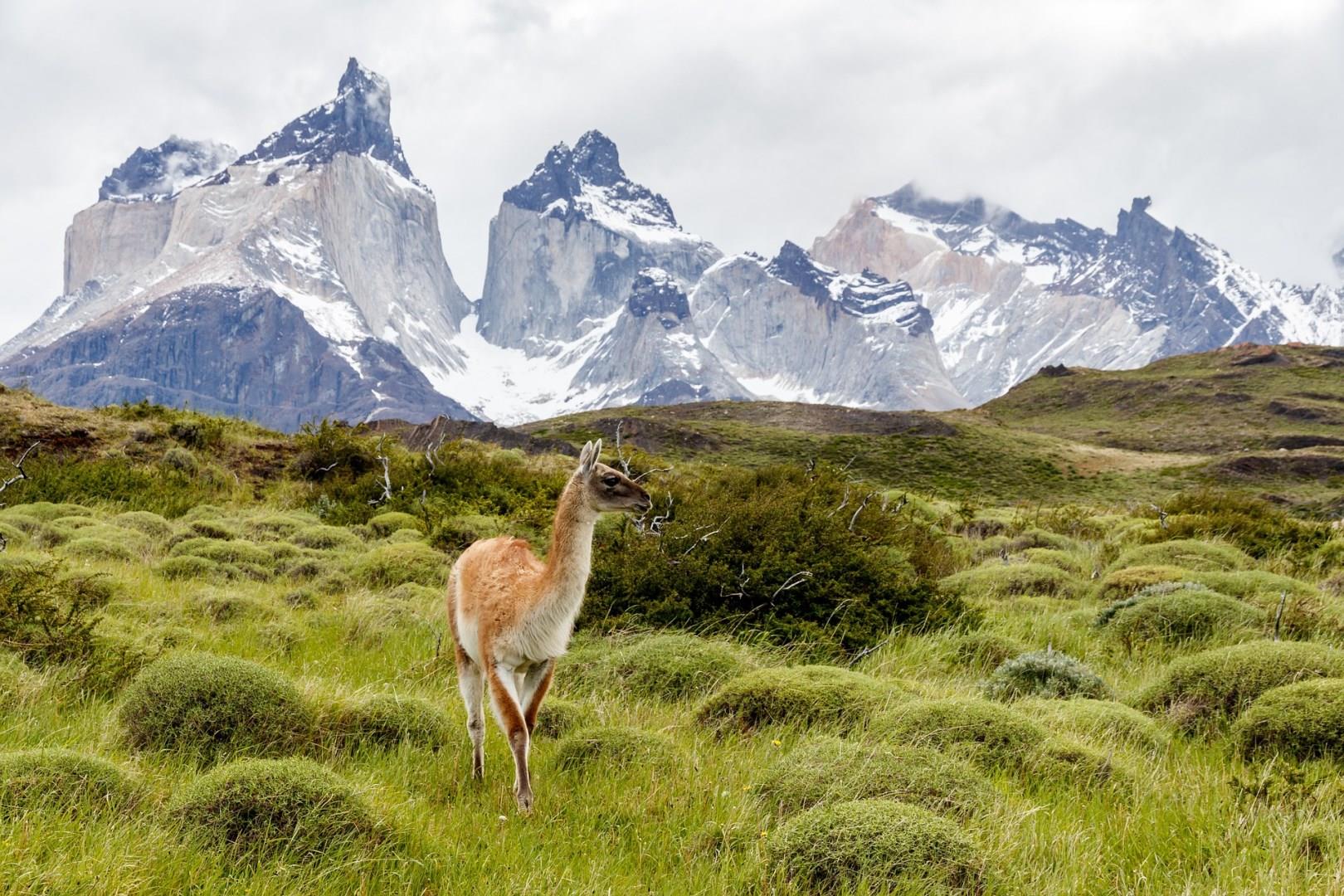
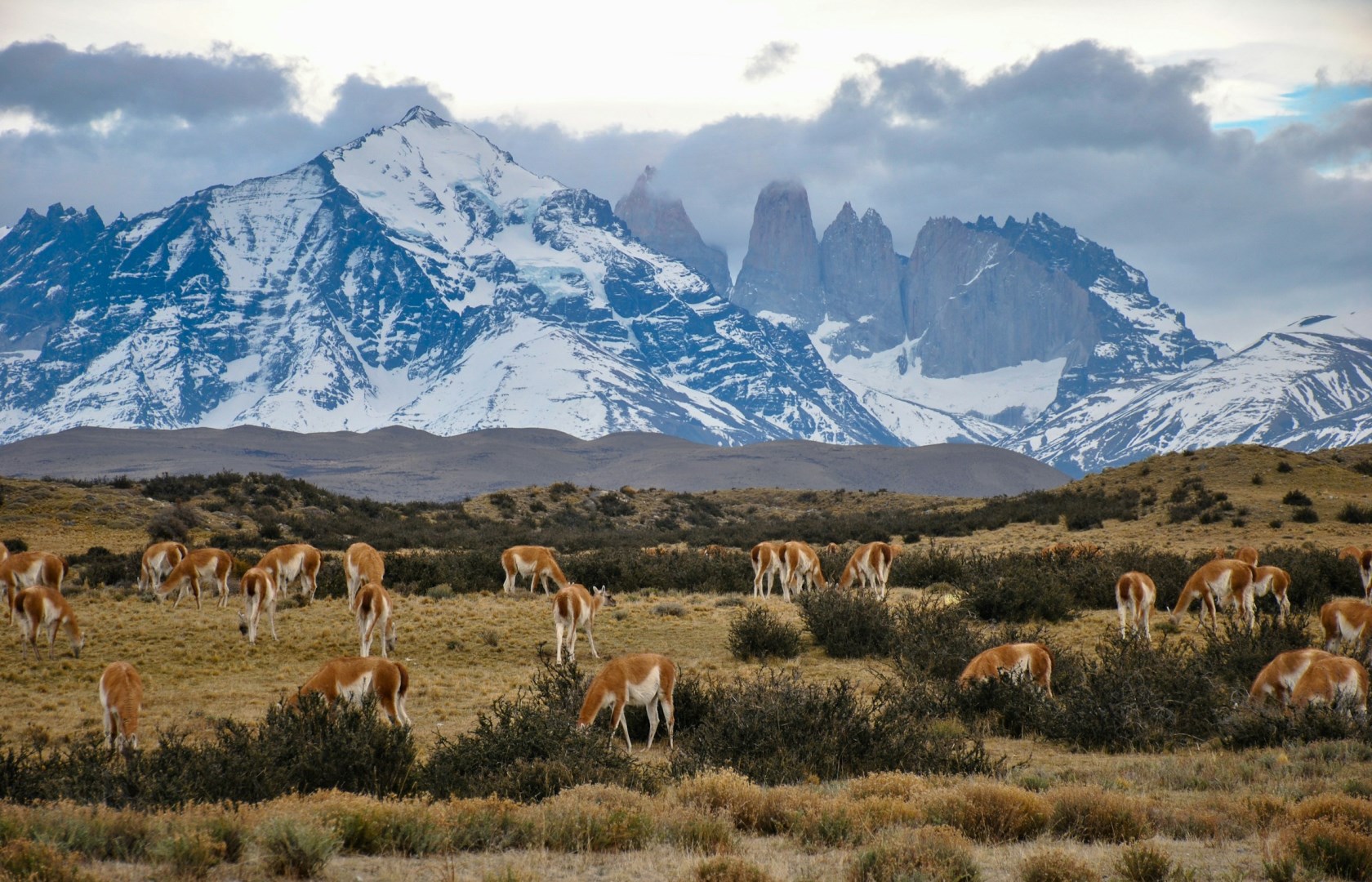
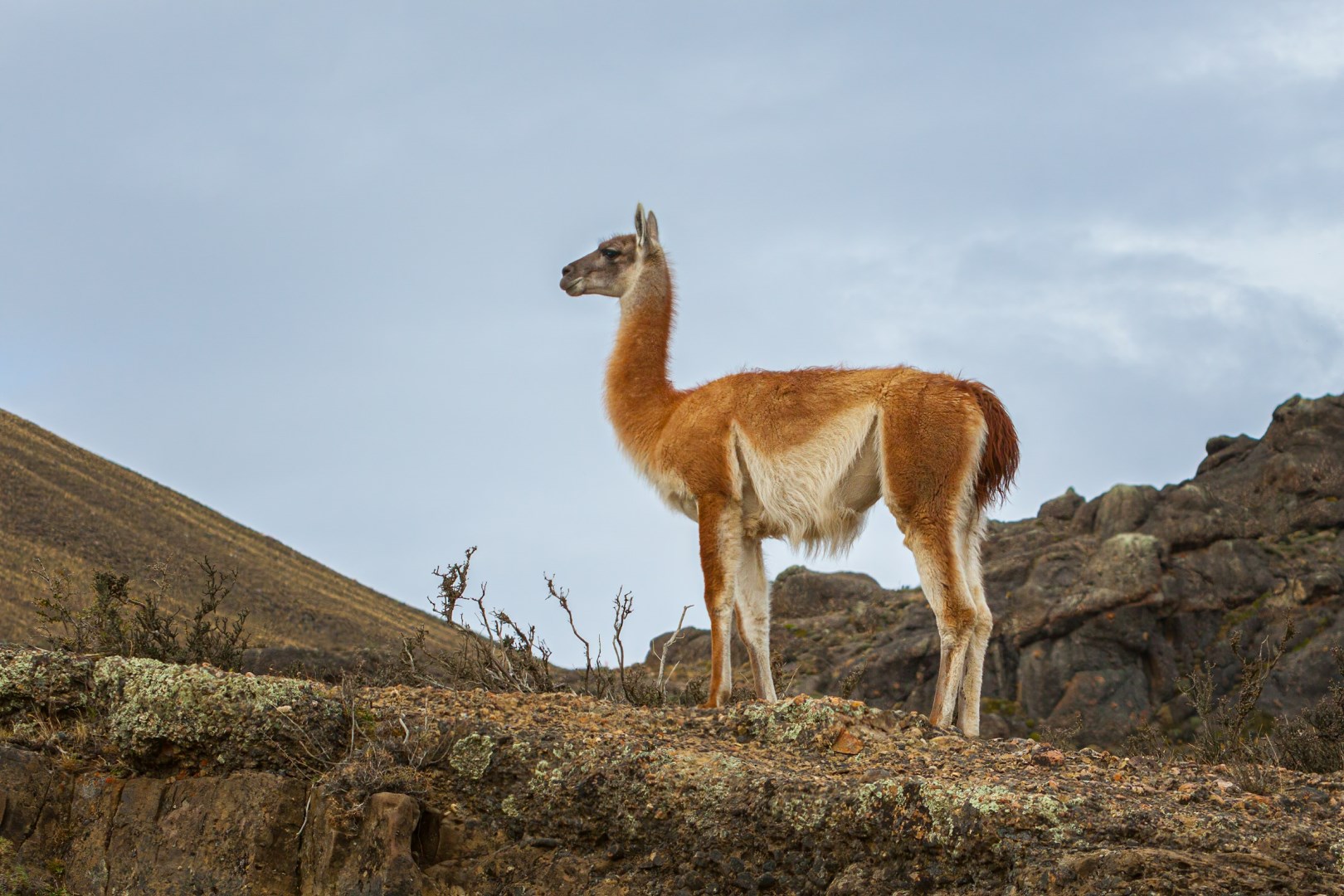
Guanacos
Photo Credit: Photo by Alex Wolowiecki on Unsplash
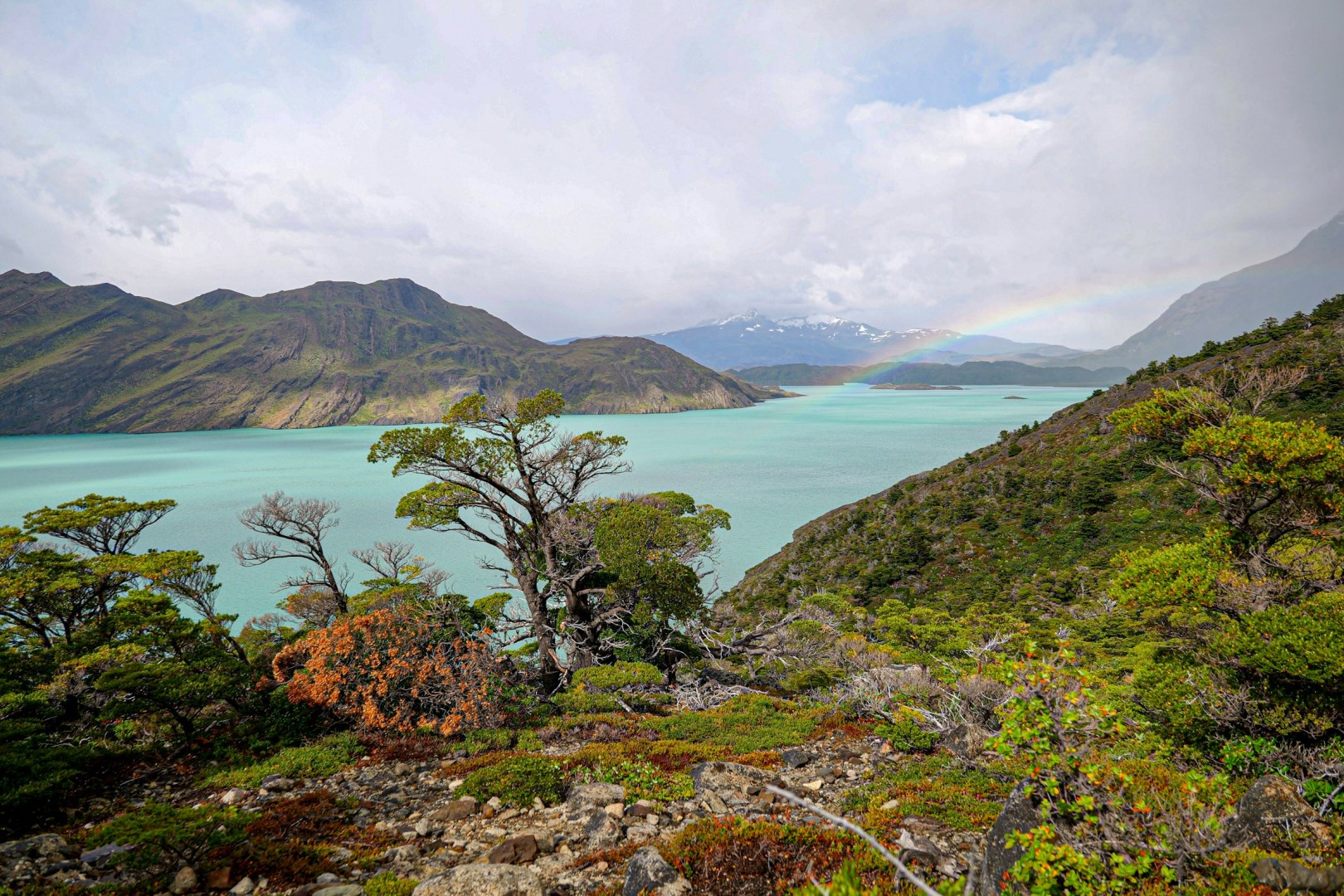
Photo Credit: Photo by Torres del Paine Arcoíris on Unsplash
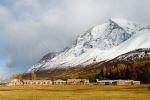
Photo Credit: Photo by Baptiste Azais on Unsplash
Guanaco
Photo Credit: Photo by Chris Stenger on Unsplash
Photo Credit: Photo by Carter Obasohan on Unsplash
Photo Credit: Photo by Akshay Nanavati on Unsplash
Photo Credit: Photo by Milan Malfait on Unsplash
Photo Credit: Photo by Simone Dinoia on Unsplash
Photo Credit: Photo by Karla Robinson on Unsplash
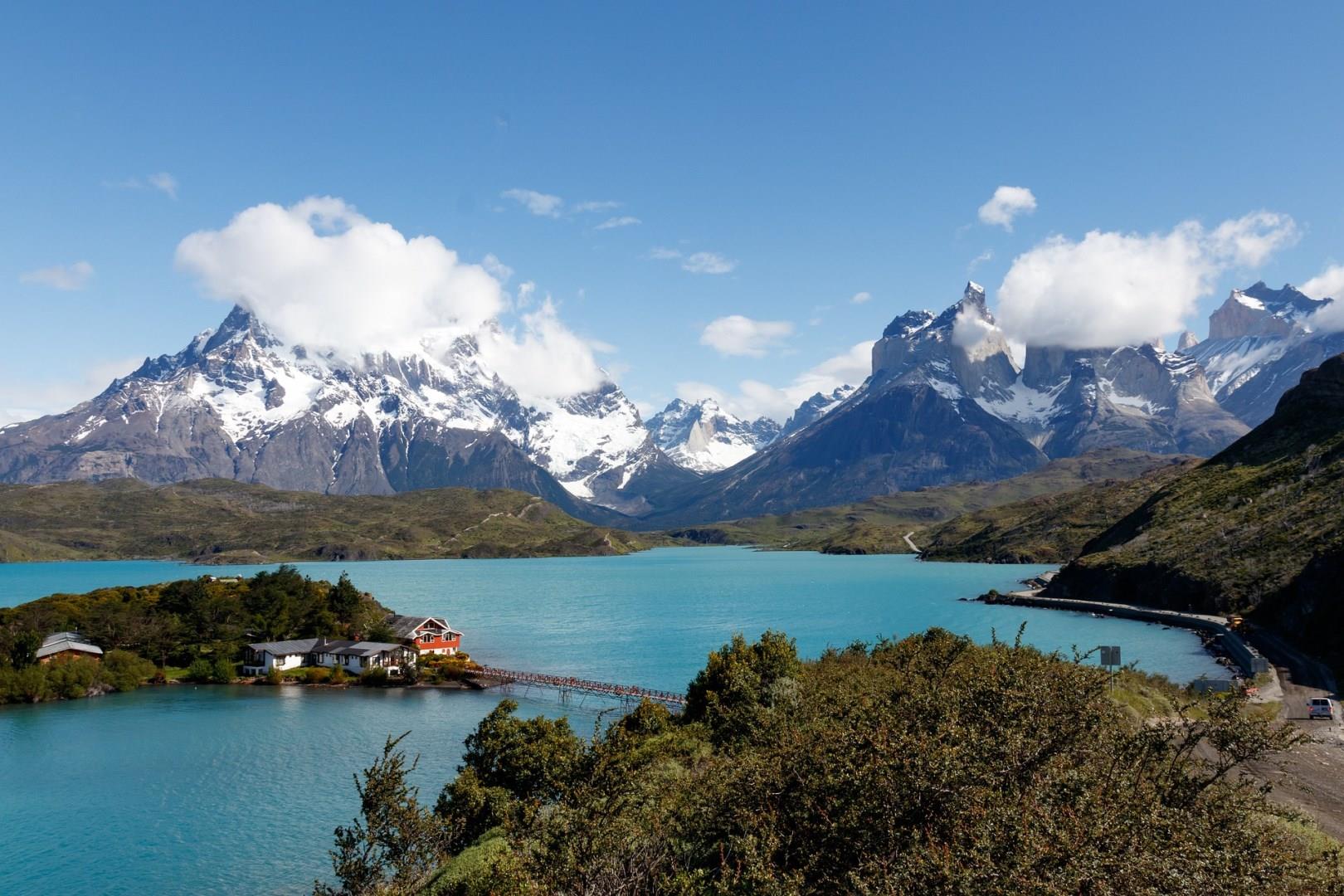
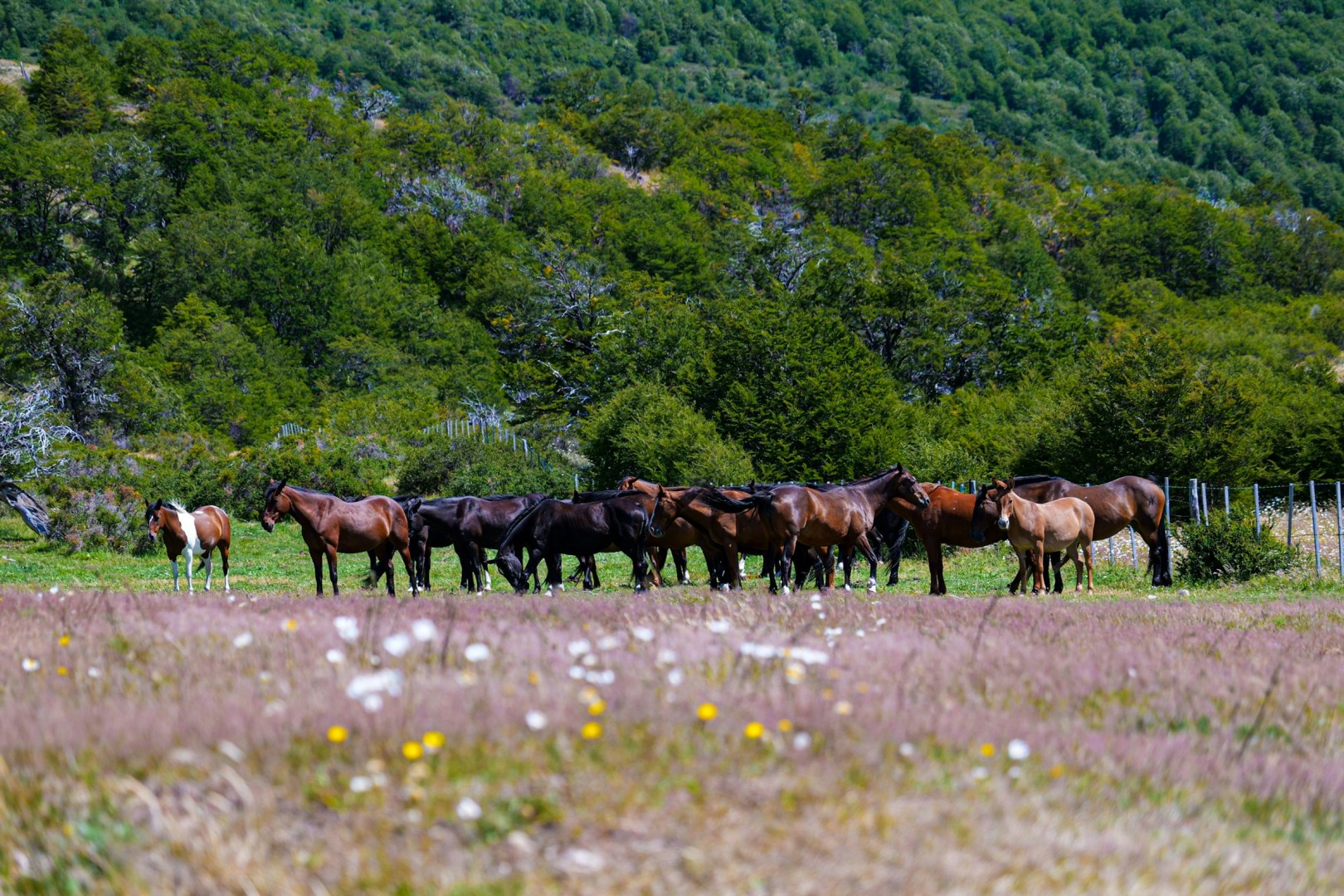
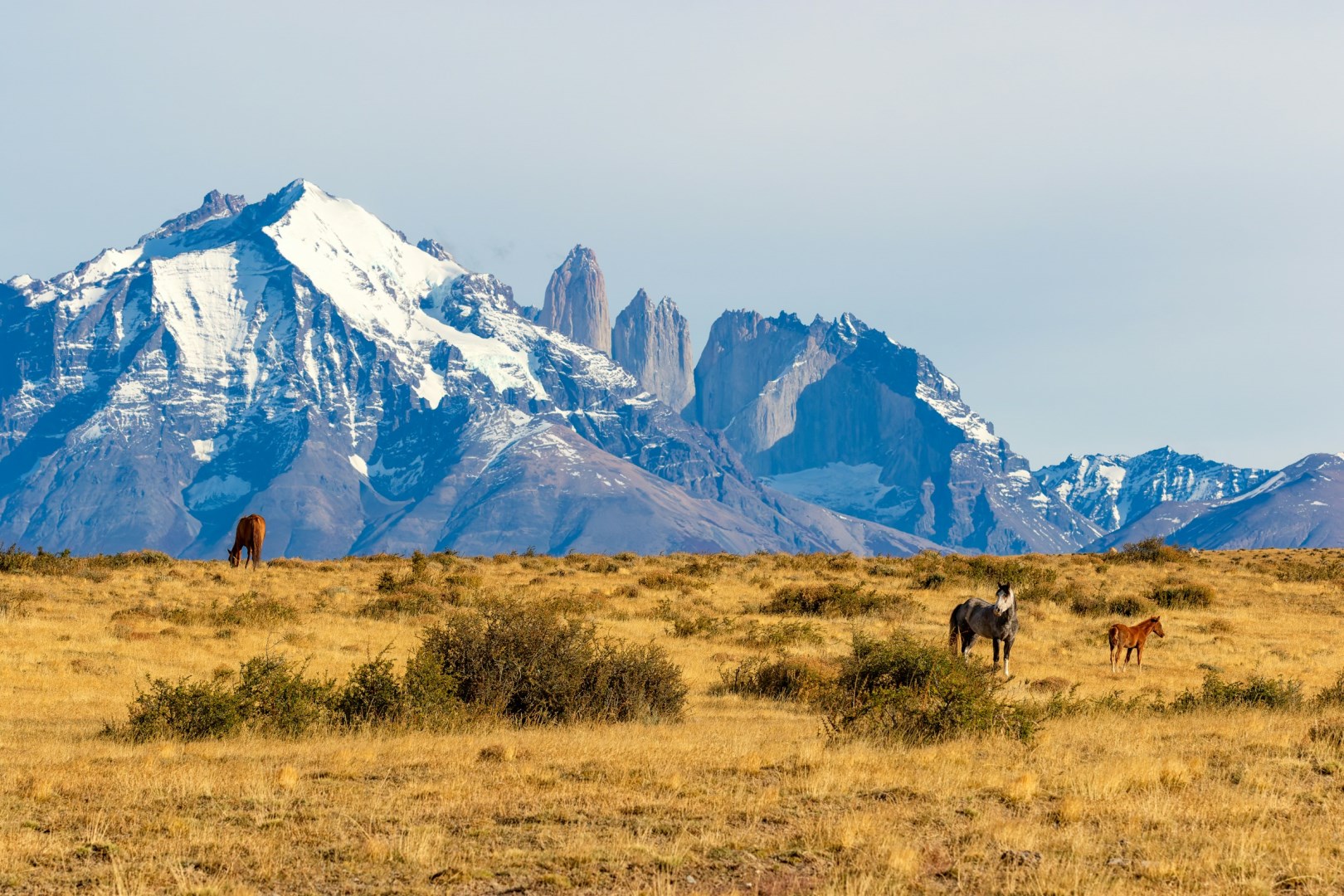
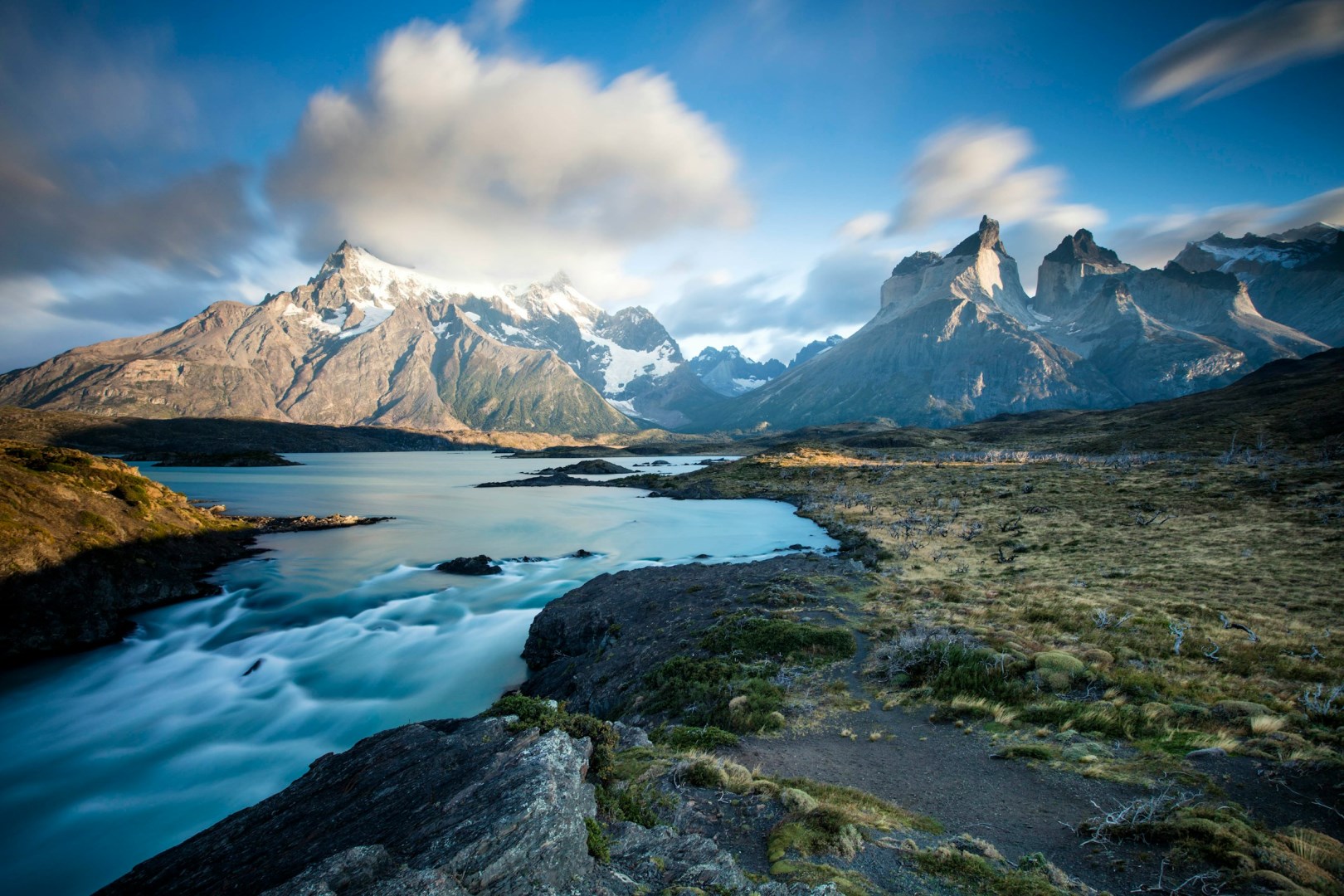
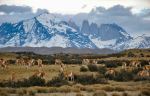
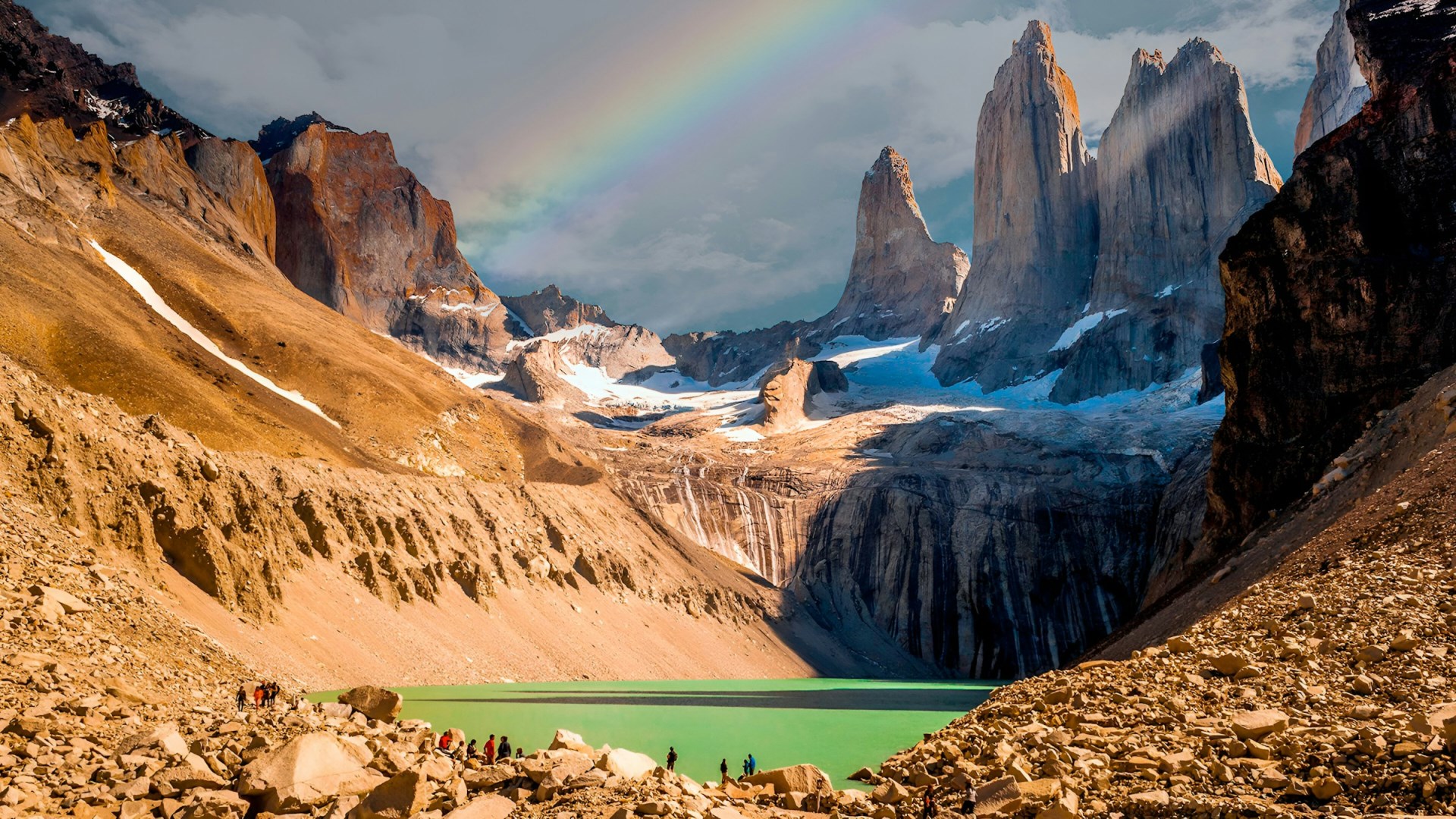
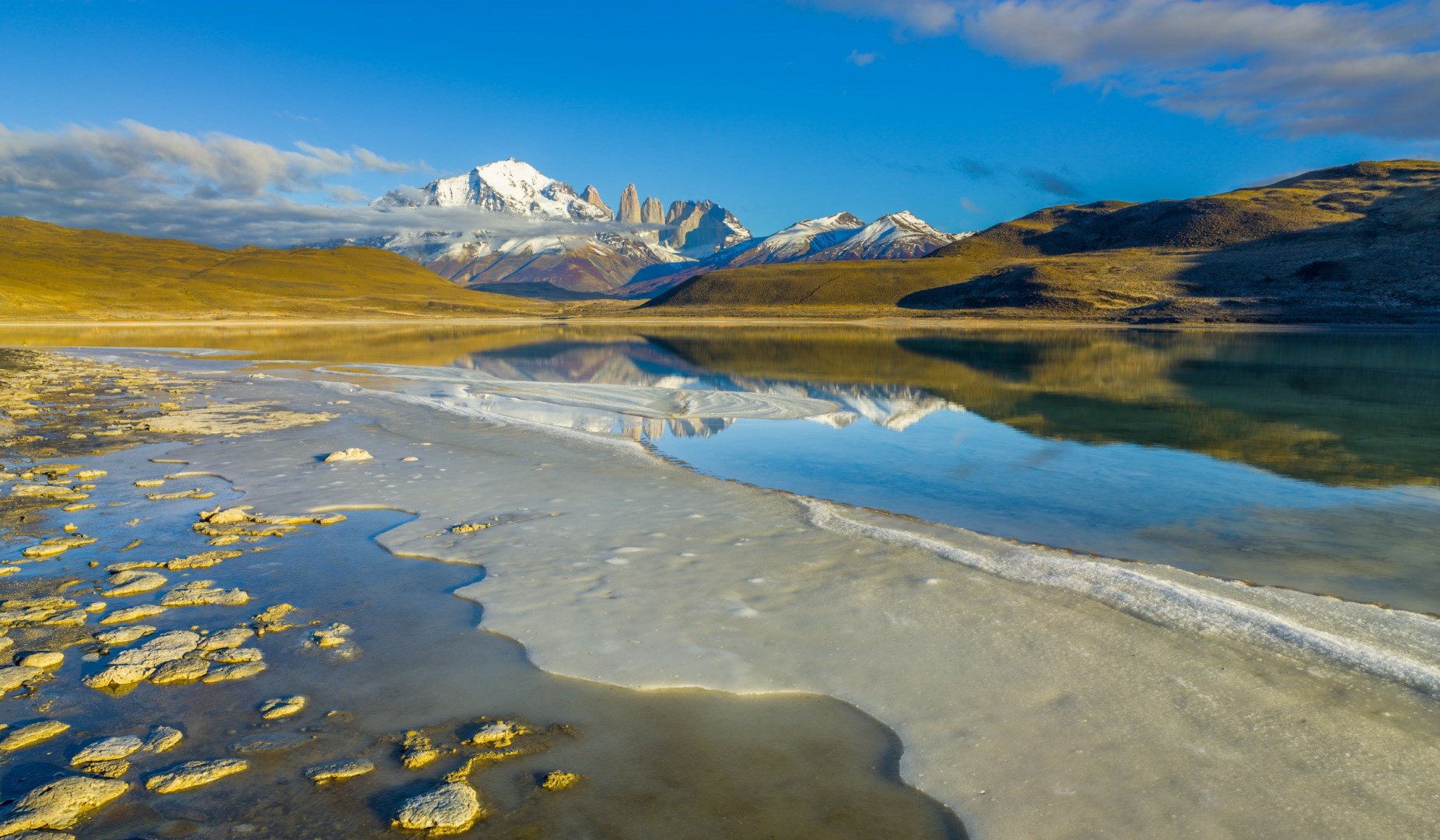
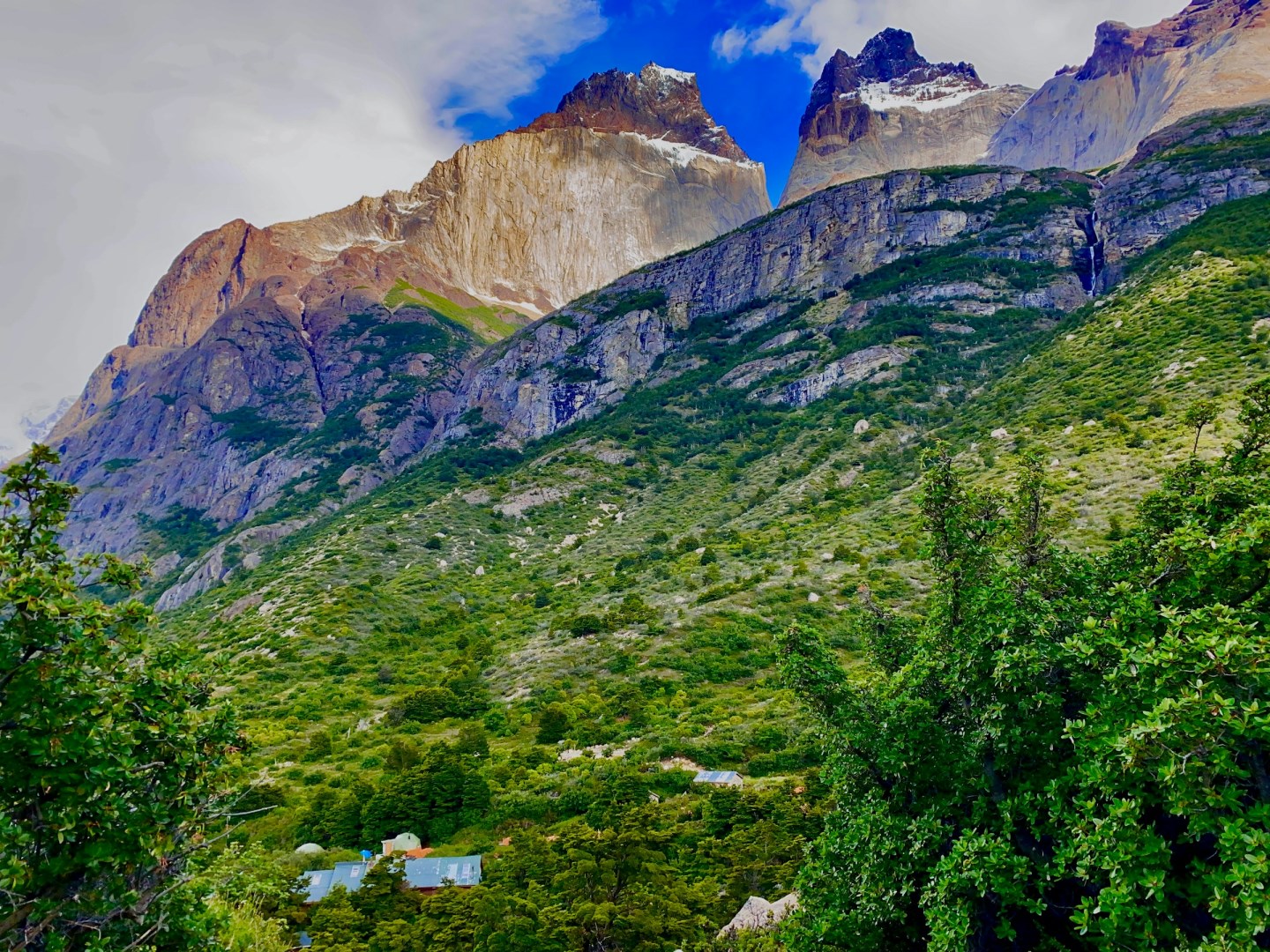
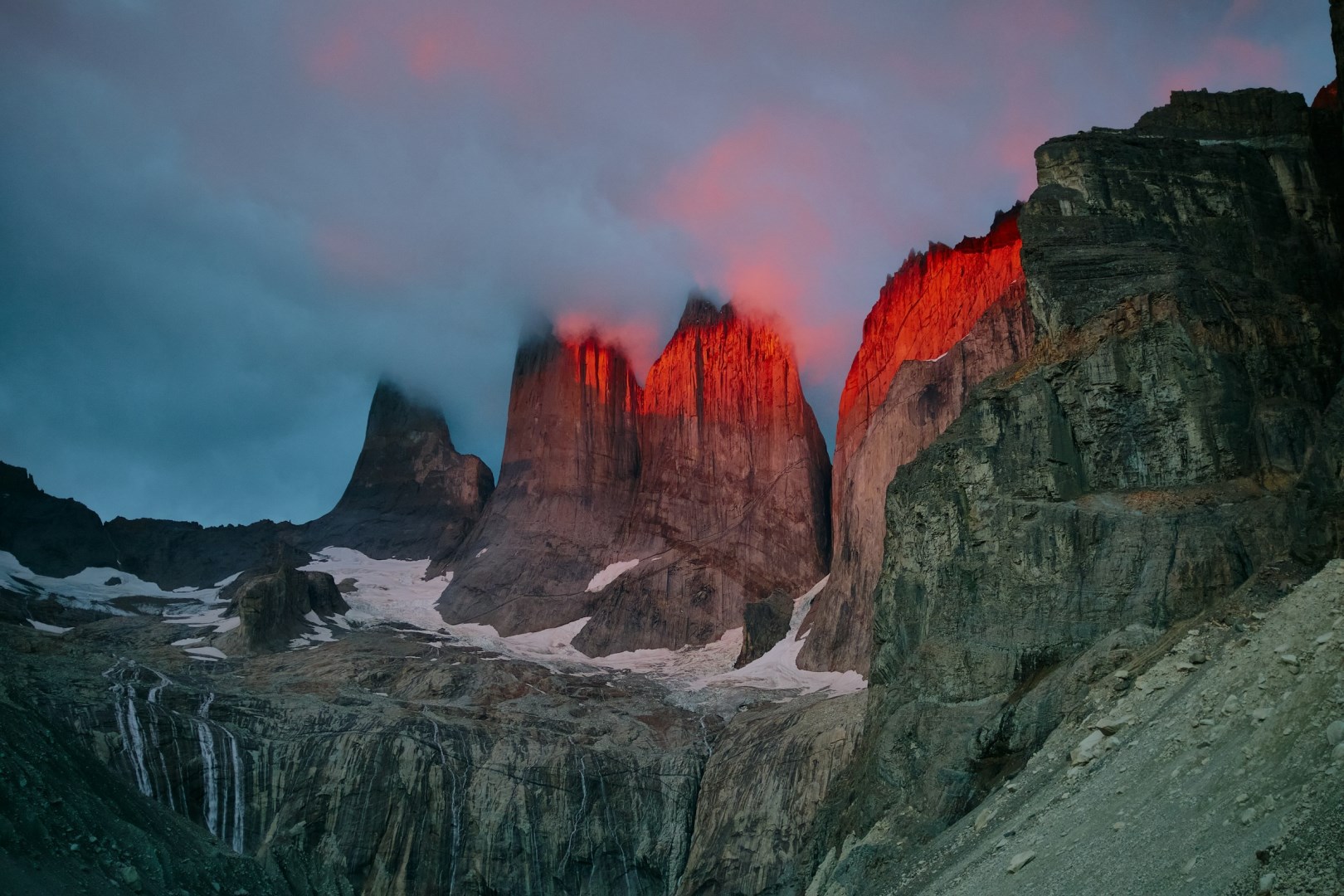
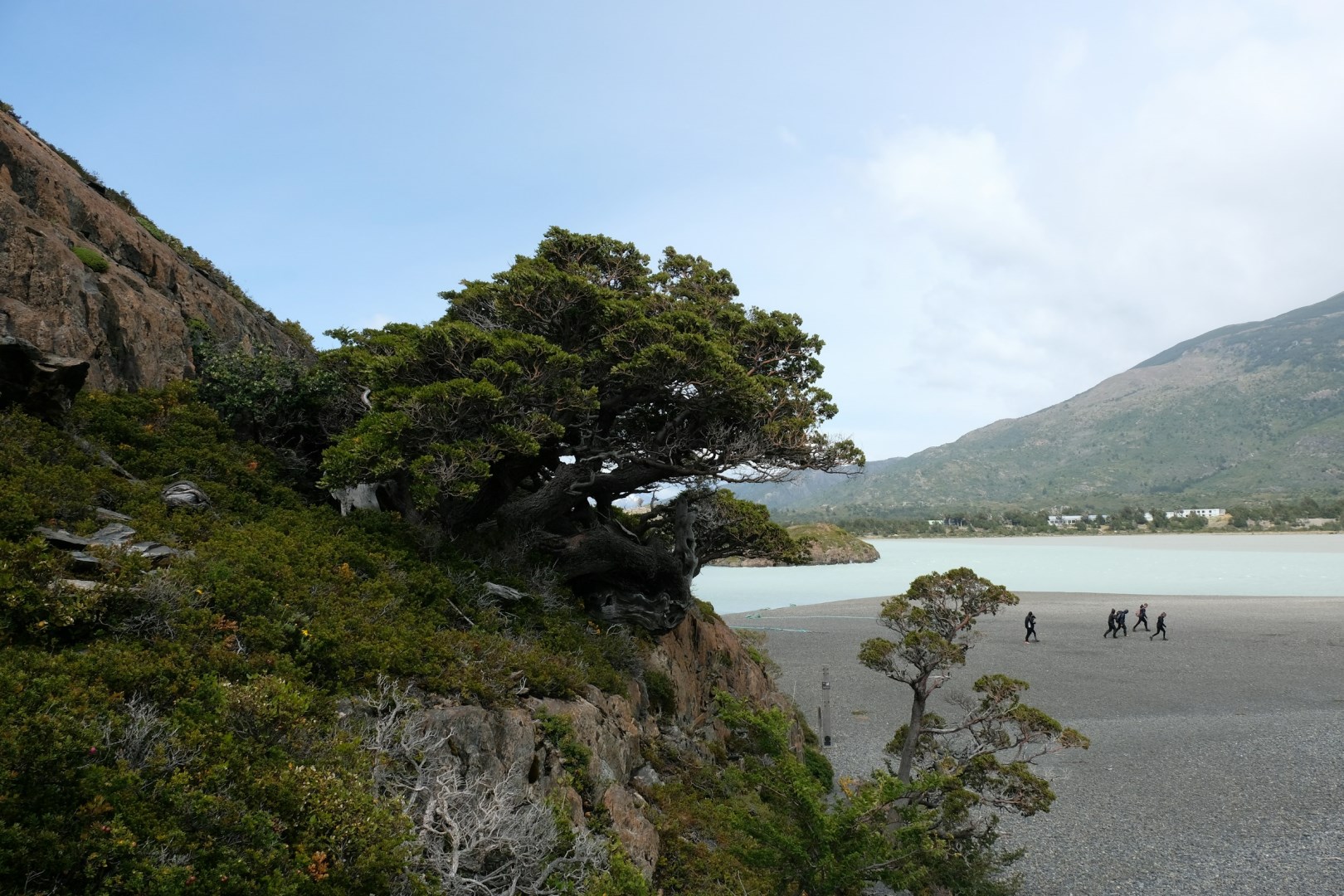
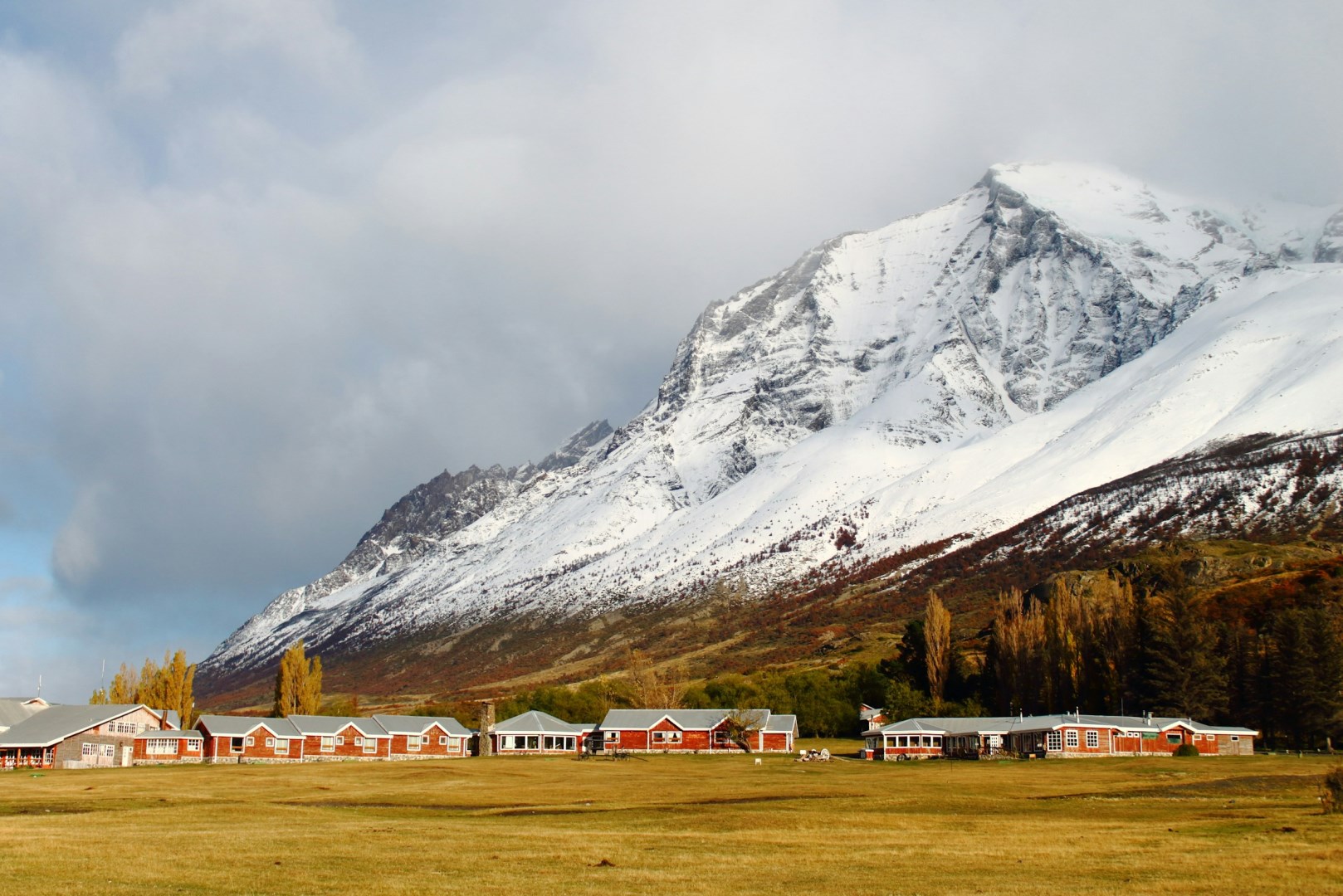
This is a wild and beautiful area unlike anywhere else in the world. Torres del Paine lies between the central spine of the Andes, nearly buried under a massive ice cap and the steppes of Southern Patagonia. The mountains that comprise Paine Massif are not high for the Andes, but they are precipitous. What makes individual mountains so dramatic is that from most places in the park entire peaks can be seen-from base to summit-and they appear to leap into the clouds from the floor of the valley. With its 450,000 acres, Torres del Paine truly is a world-class park because of its completeness, having every feature one could hope for in a temperate zone park. It has, like all truly great parks, that indefinable element in its character to which visitors respond.