

South America | Argentina | Torres Del Paine


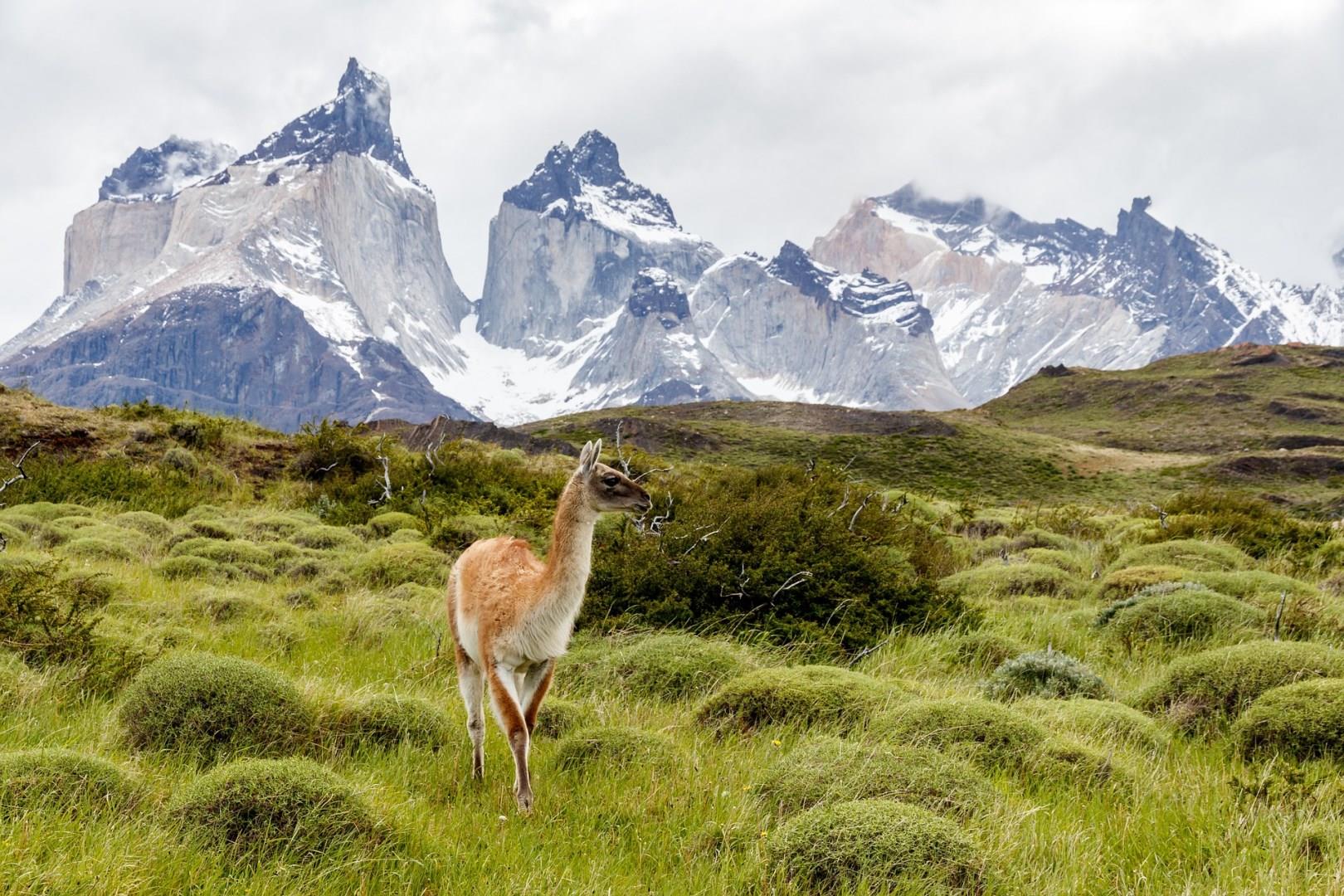

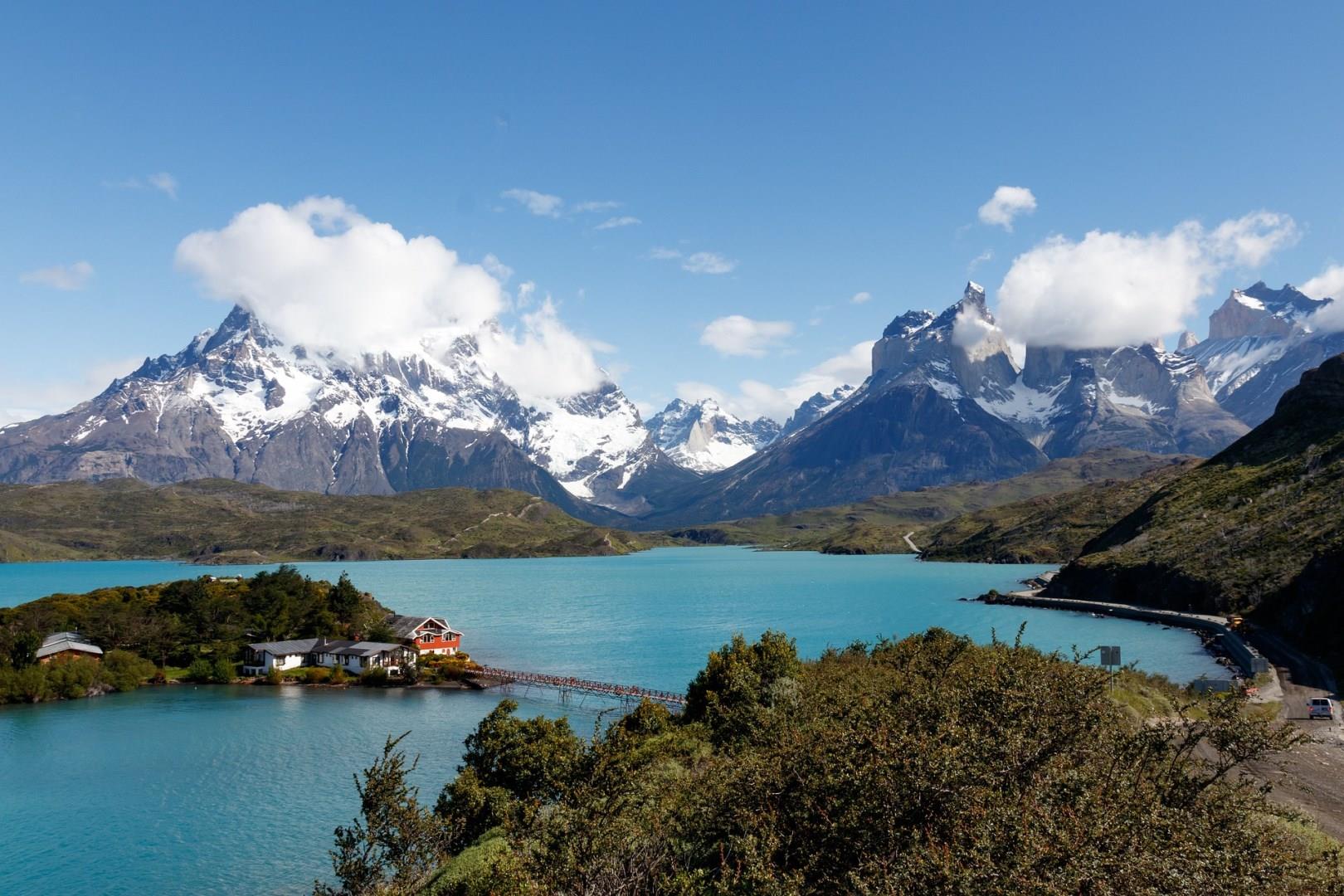

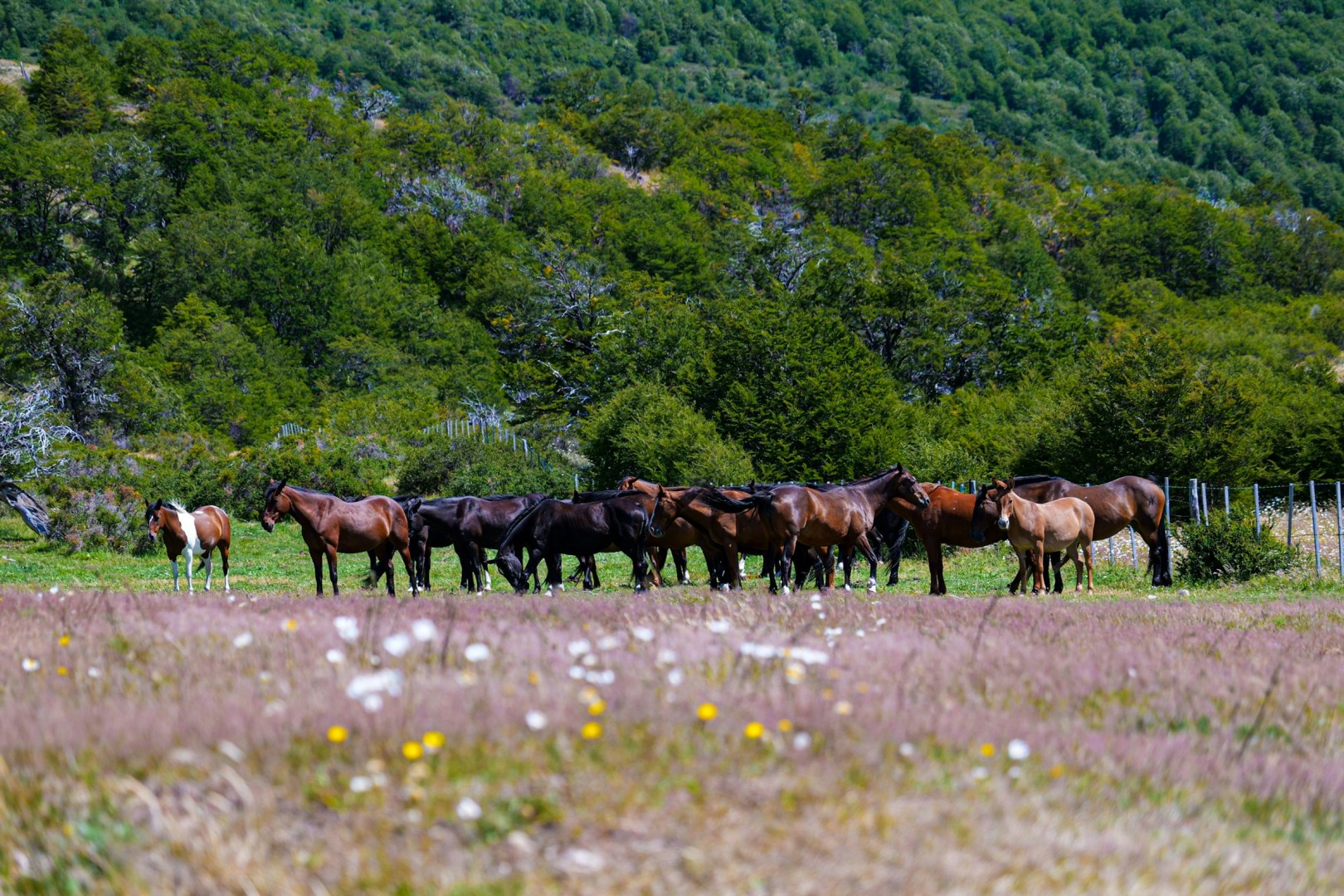

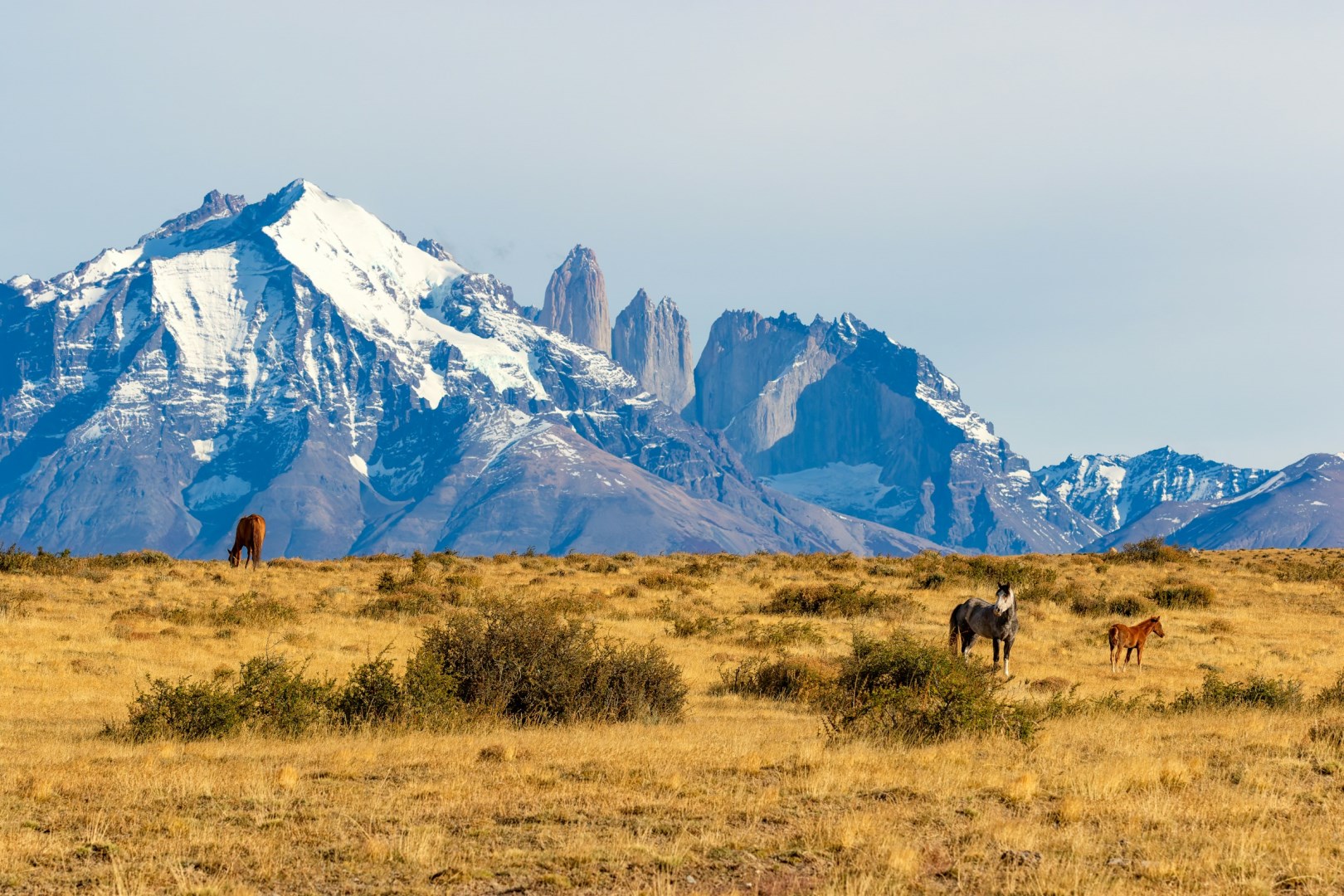
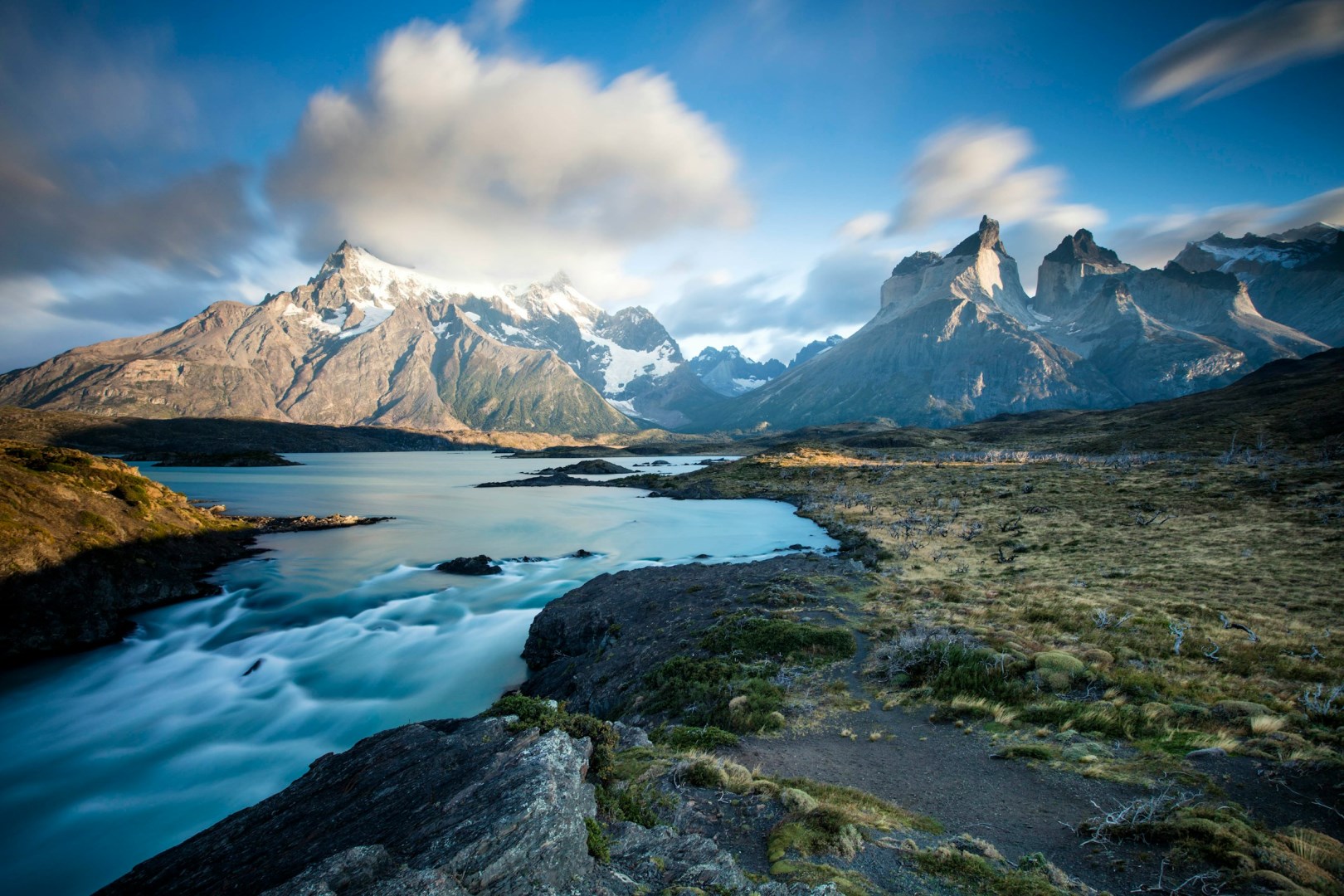

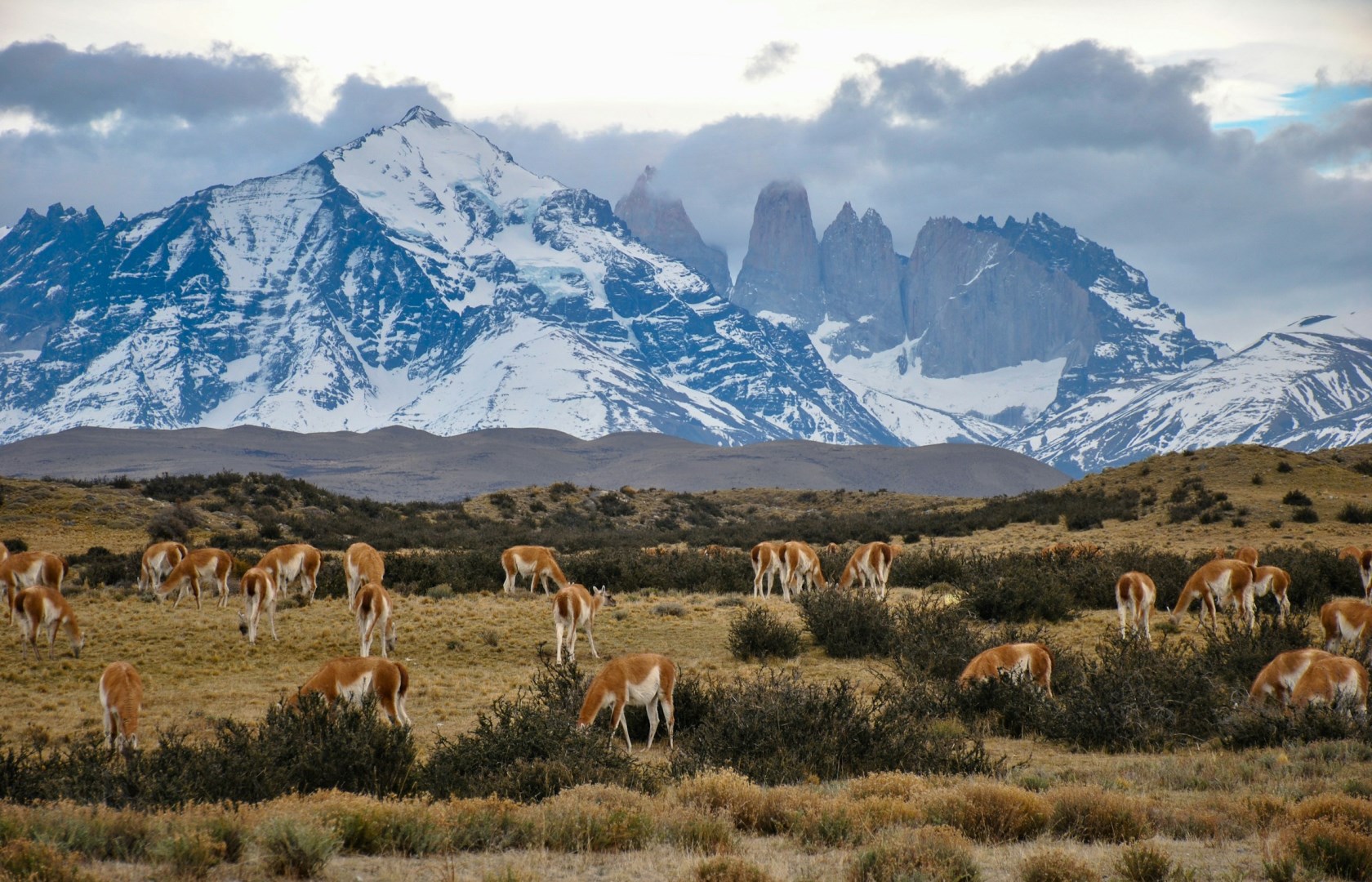
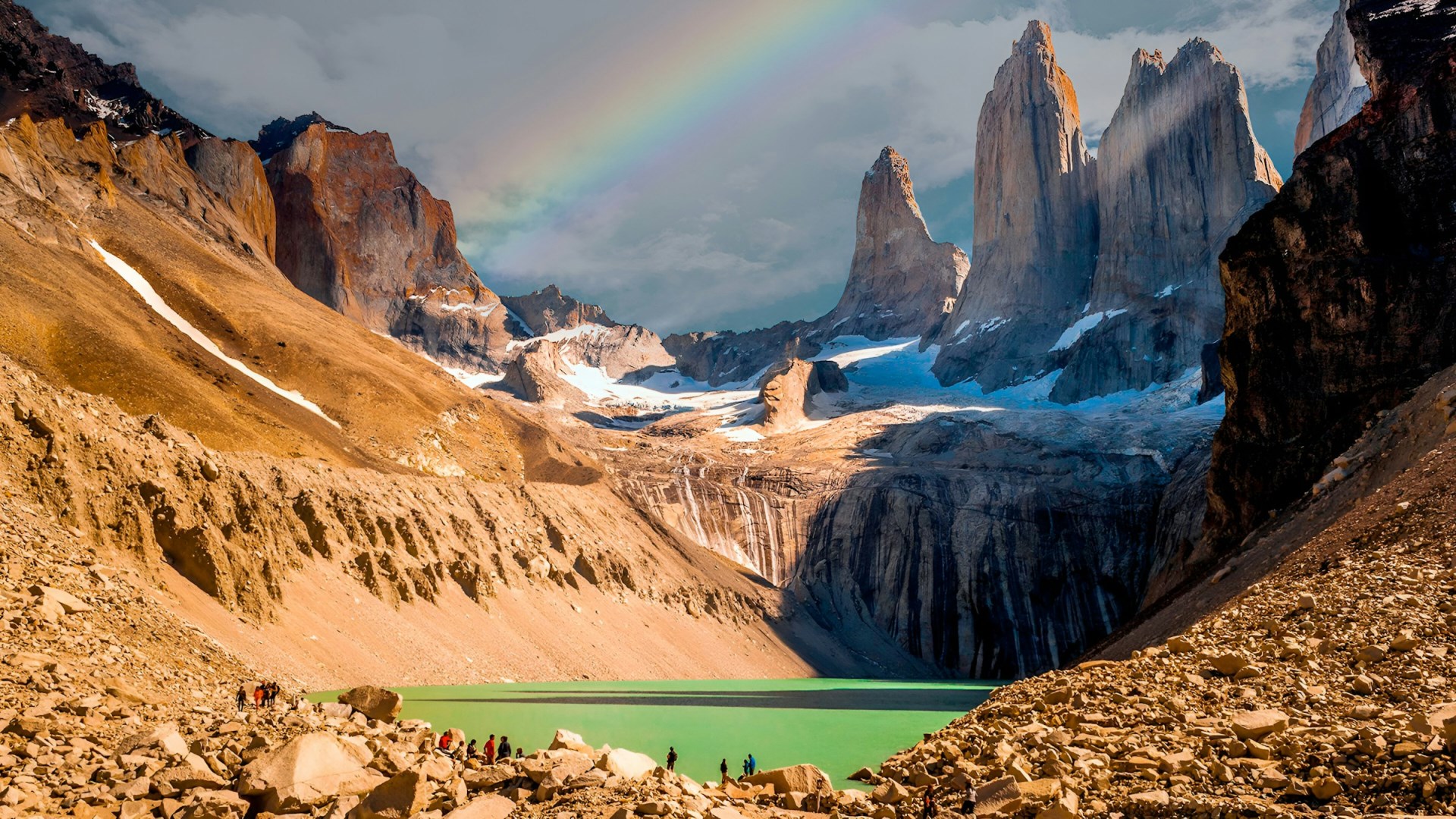

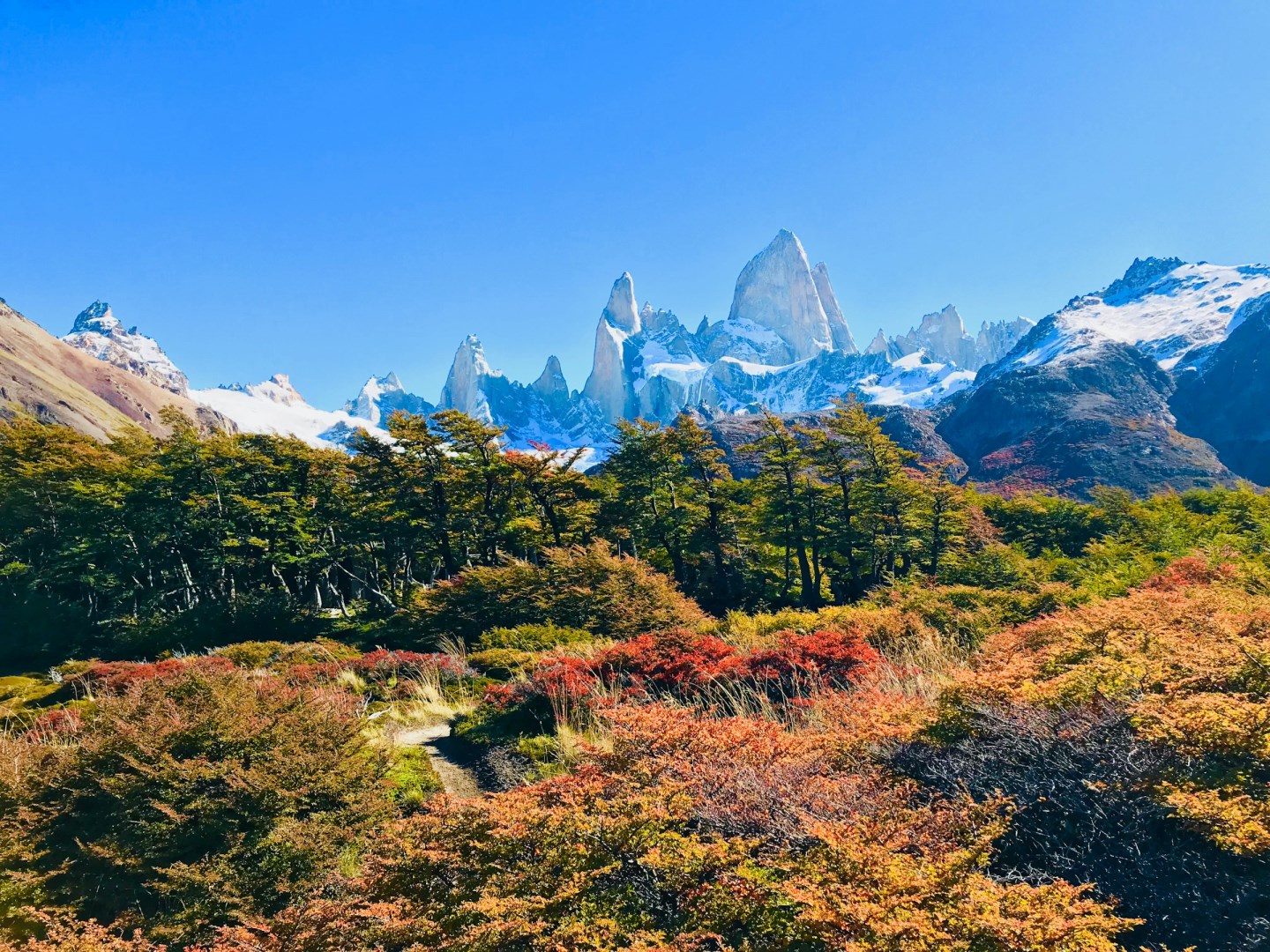

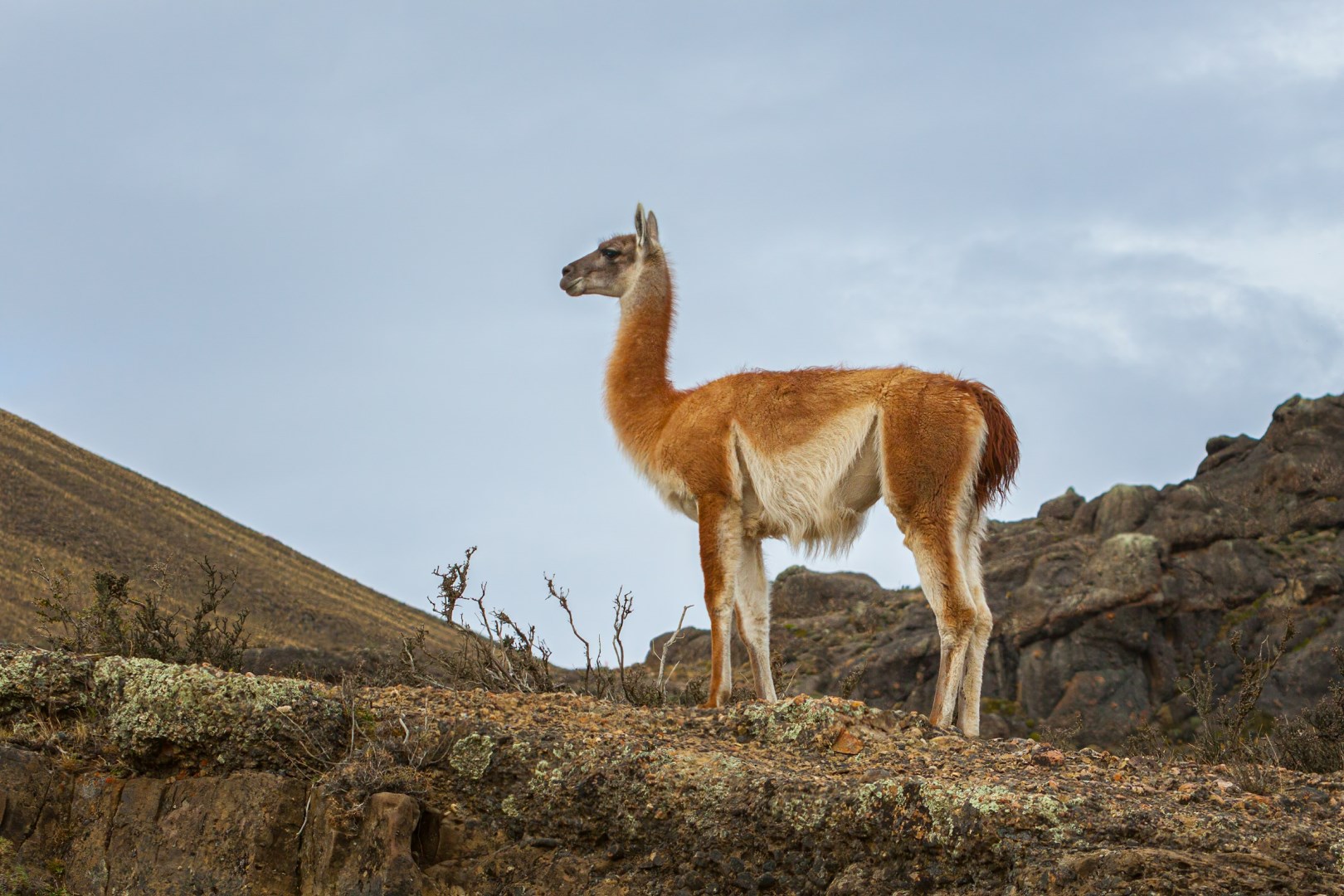

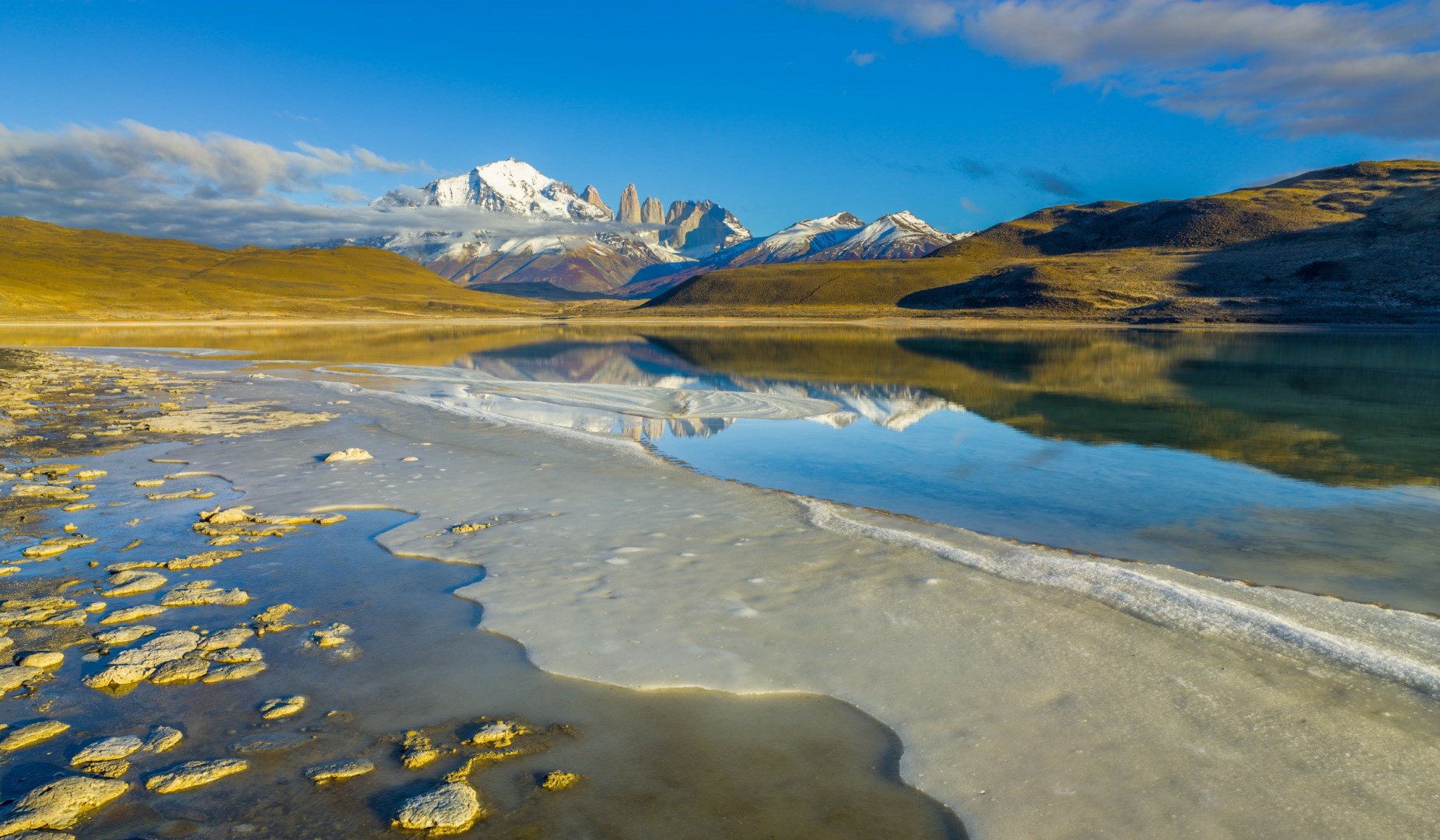
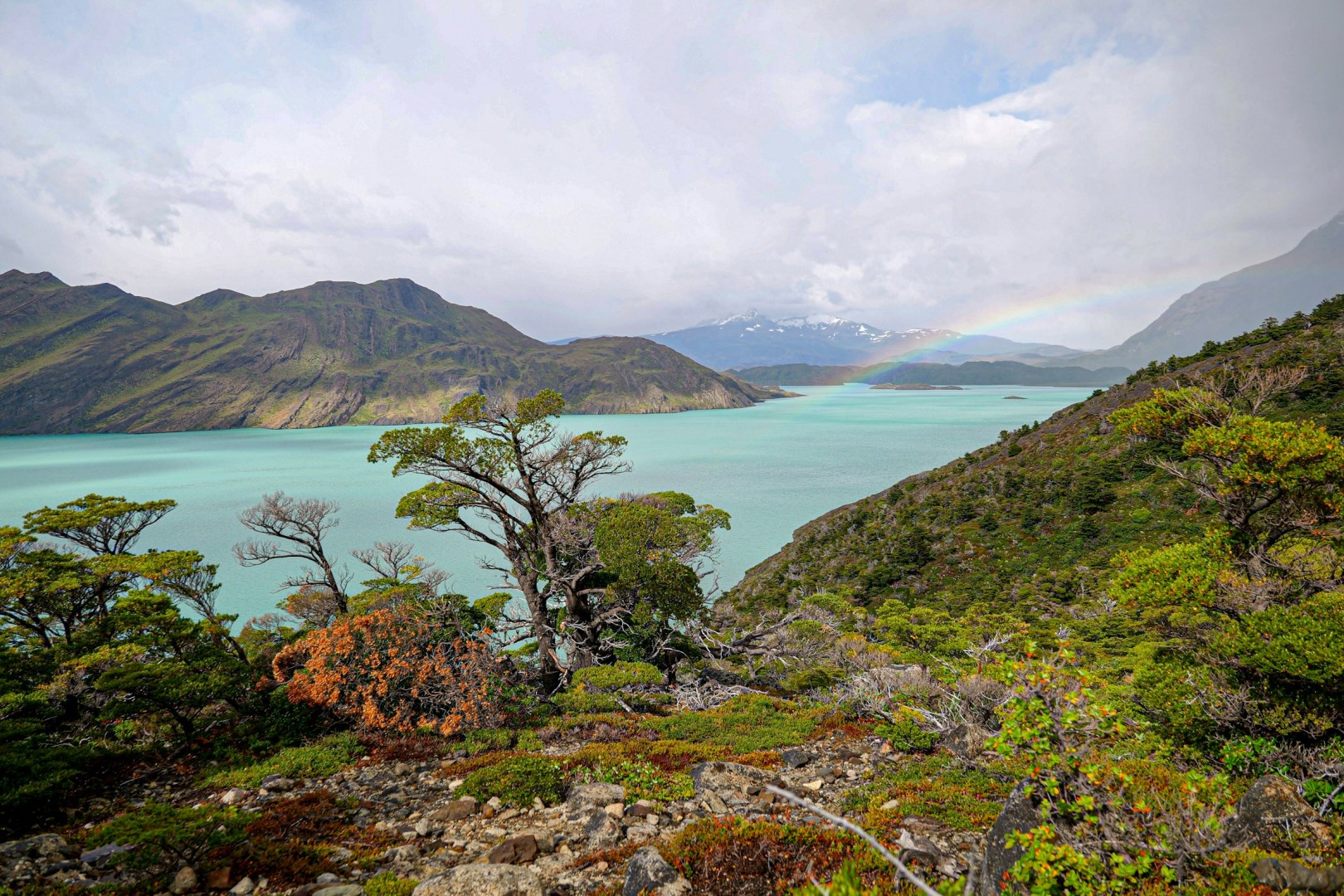

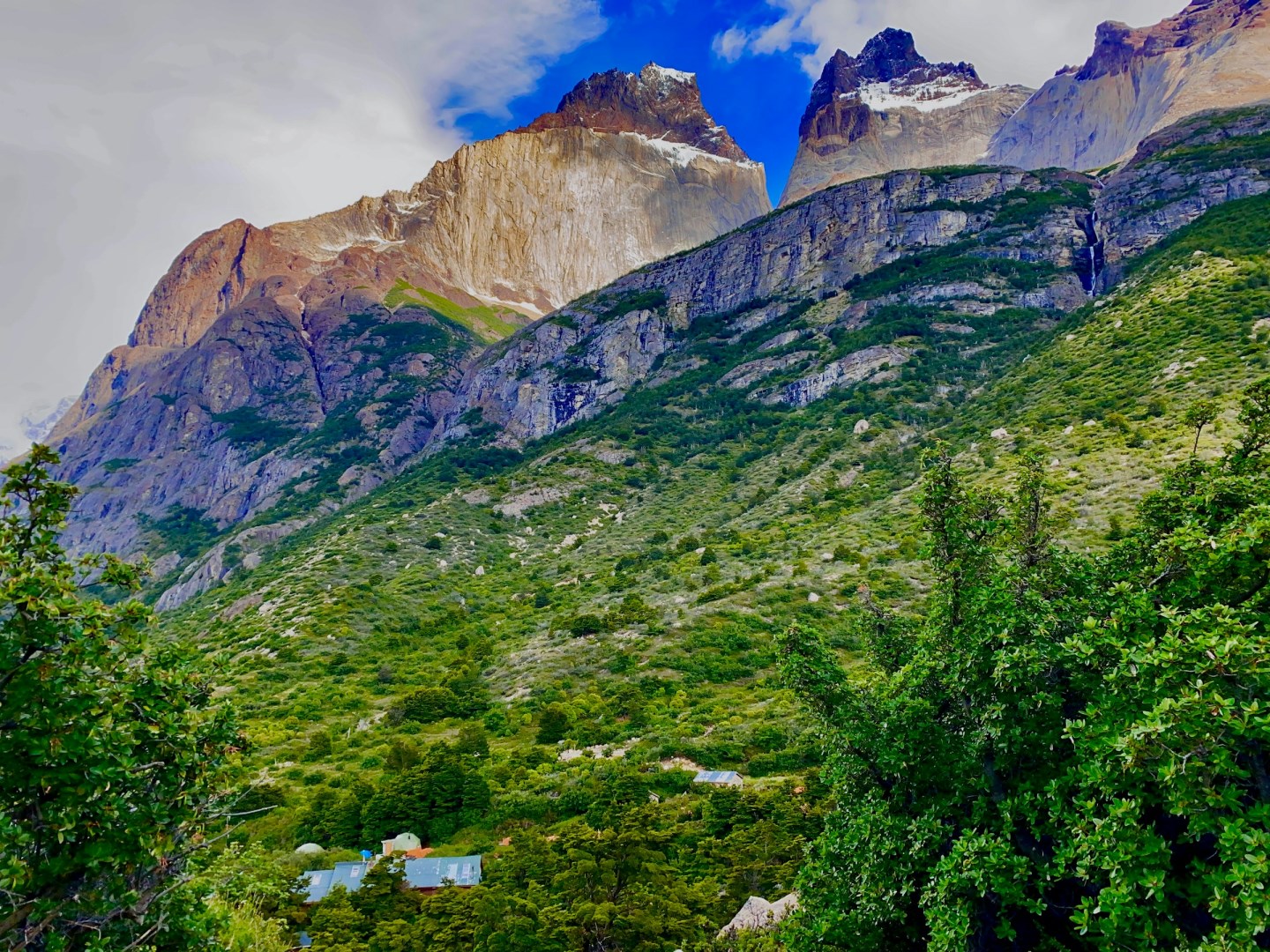
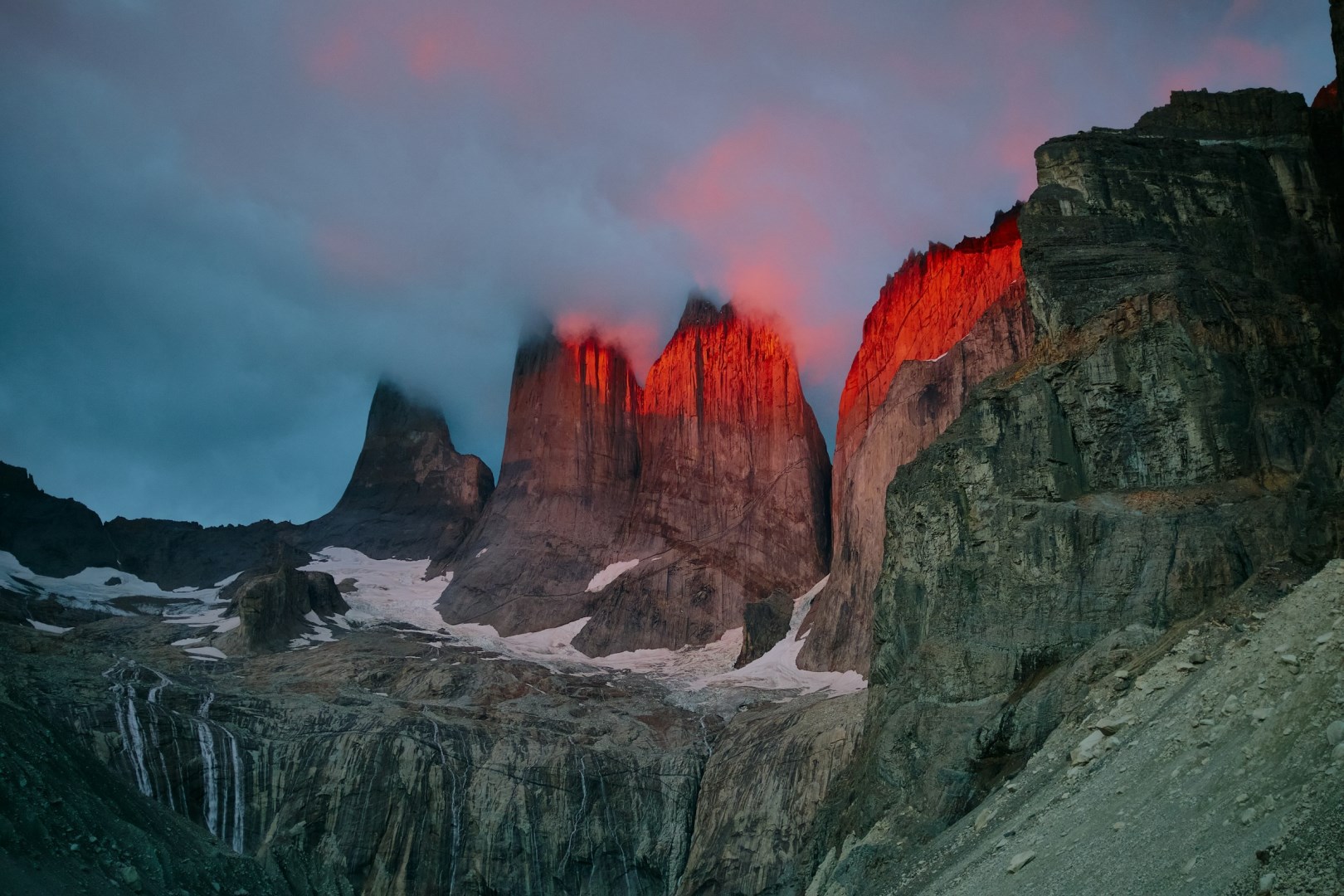

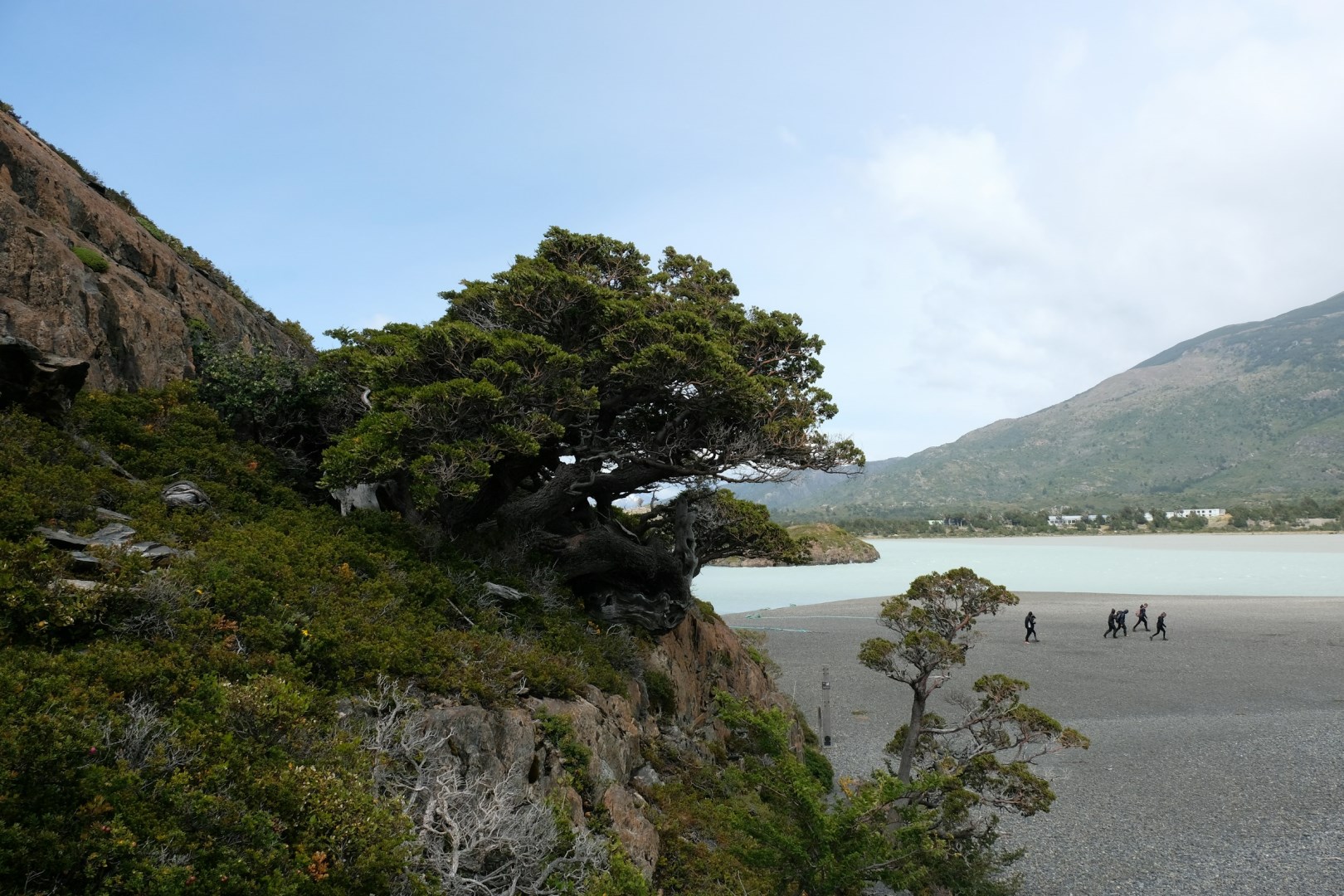
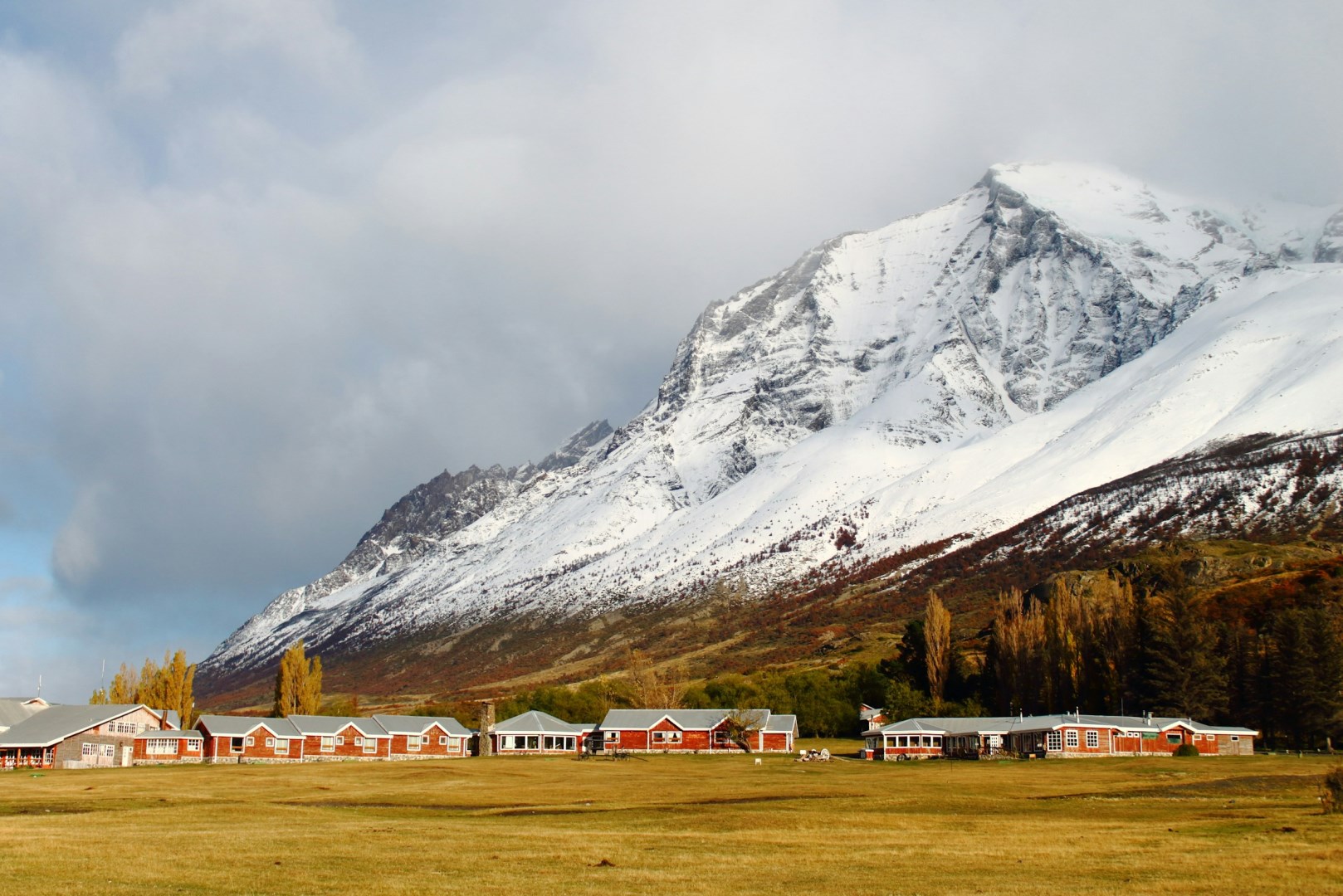
This is a wild and beautiful area unlike anywhere else in the world. Torres del Paine lies between the central spine of the Andes, nearly buried under a massive ice cap and the steppes of Southern Patagonia. The mountains that comprise Paine Massif are not high for the Andes, but they are precipitous. What makes individual mountains so dramatic is that from most places in the park entire peaks can be seen-from base to summit-and they appear to leap into the clouds from the floor of the valley. With its 450,000 acres, Torres del Paine truly is a world-class park because of its completeness, having every feature one could hope for in a temperate zone park. It has, like all truly great parks, that indefinable element in its character to which visitors respond.
Other Popular Destinations in Argentina

Buenos Aires, the vibrant political and cultural capital of Argentina, has become an enticing destination for many travelers and a must-see destination in South America. Founded in the sixteenth century by Spanish explorers, Buenos Aires has since developed its own unique flair.

Are you ready to go to the End of the World? Stunning views of snow-capped mountain peaks await you in Ushuaia, located on the southernmost tip of South America. This small coastal town sits between the Martial Mountains and the Beagle Channel and is a popular embarkation point for Antarctic cruises. Visit some of Ushuaia's popular attractions, including Les Éclaireurs Lighthouse, Tierra del Fuego National Park, Lapataia Bay, and the Museo del Fin del Mundo.
