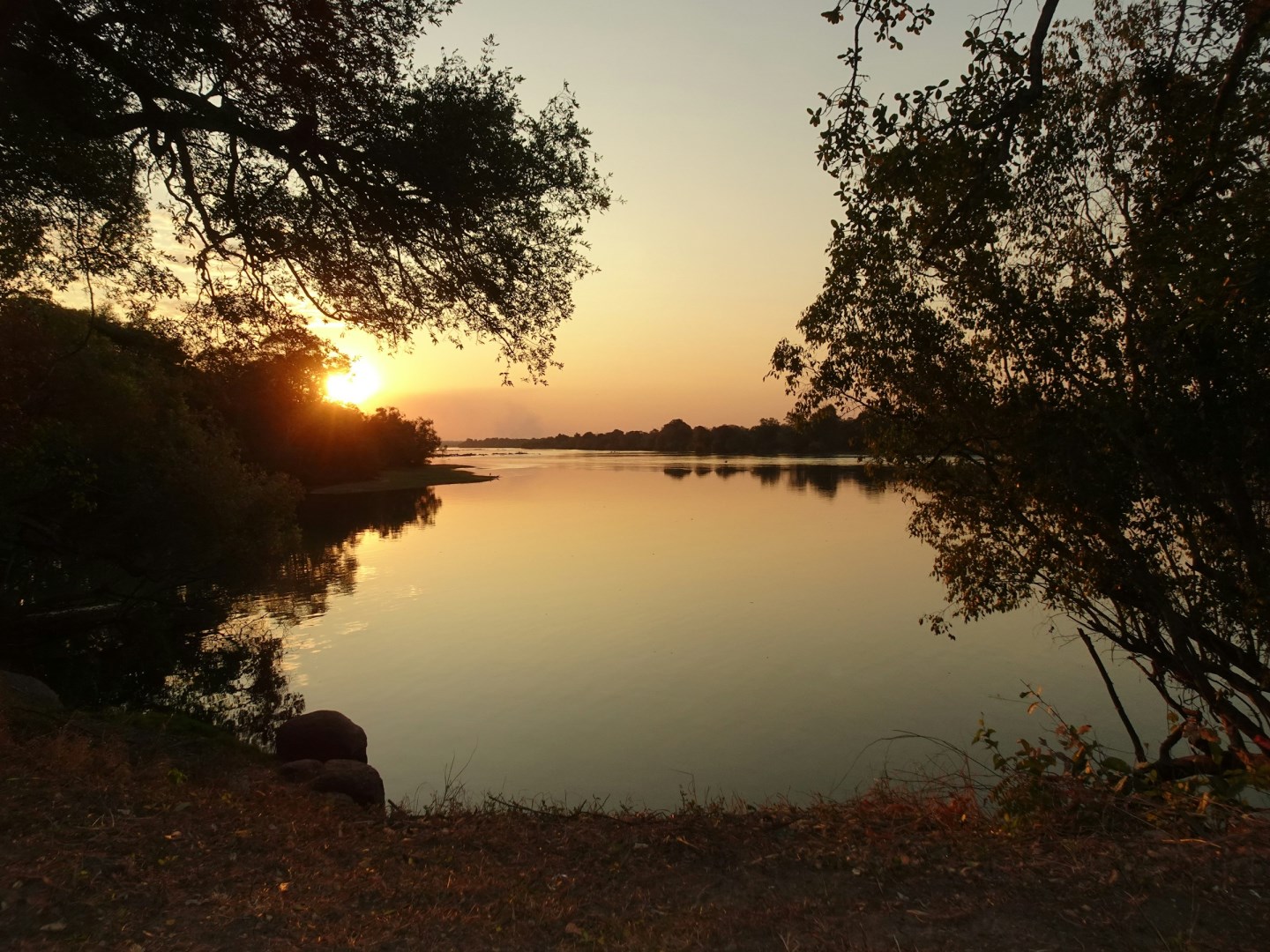
Kafue National Park is in western and central Zambia and is the country’s largest national park, covering about 22,400 square kilometers. The park takes its name from the Kafue River, which runs through the protected area and supports a wide range of wetlands, floodplains, grasslands, and woodland. Much of the park is covered by miombo woodland, while the northern Busanga Plains form extensive seasonal wetlands that become open grassland as floodwaters recede.
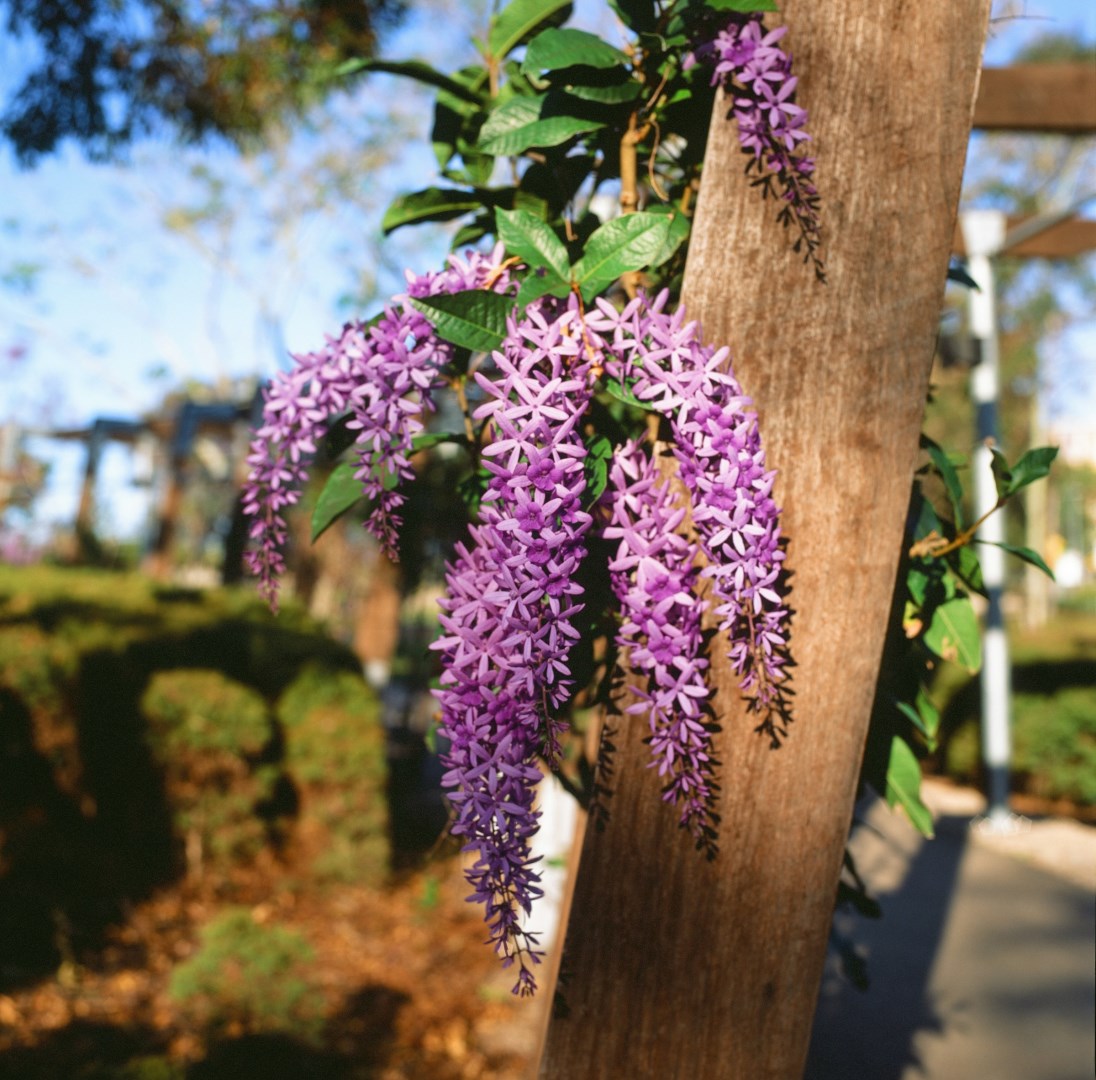
St Lucia is a riverside suburb of Brisbane, Queensland, located about seven kilometres southwest of the city centre on a peninsula surrounded on several sides by the Brisbane River. The suburb combines established residential streets, riverfront spaces, leafy vegetation, local shops, and the large campus of The University of Queensland. The university occupies much of the eastern part of St Lucia, while residential neighbourhoods extend across the western and central areas.
Jean Lafitte National Historical Park and Preserve
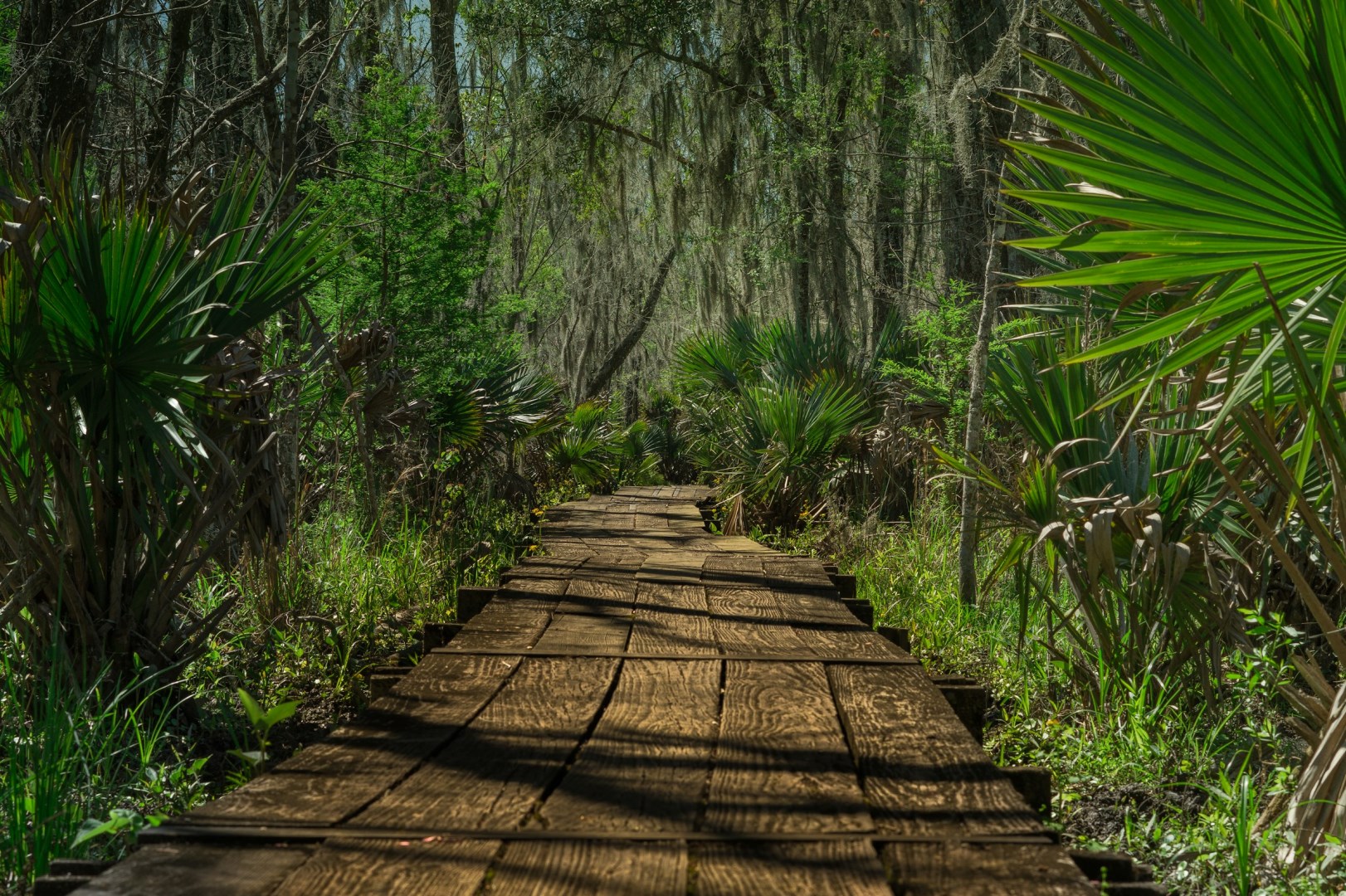
Jean Lafitte National Historical Park and Preserve spans six distinct sites across south Louisiana, linking wetlands, battlefields, cultural centers, and historic neighborhoods into one broad interpretation of the lower Mississippi River Delta. Its landscape ranges from the swamps and marshes of Barataria Preserve to the urban setting of the French Quarter Visitor Center in New Orleans.
London is among the world's most visited cities, with countless attractions and a history stretching back two millennia. Visitors will discover historic iconic structures like Westminster Abbey, Big Ben, and Tower Bridge, as well as recent marvels such as London Eye, a giant observation wheel that offers breathtaking views of the whole city.
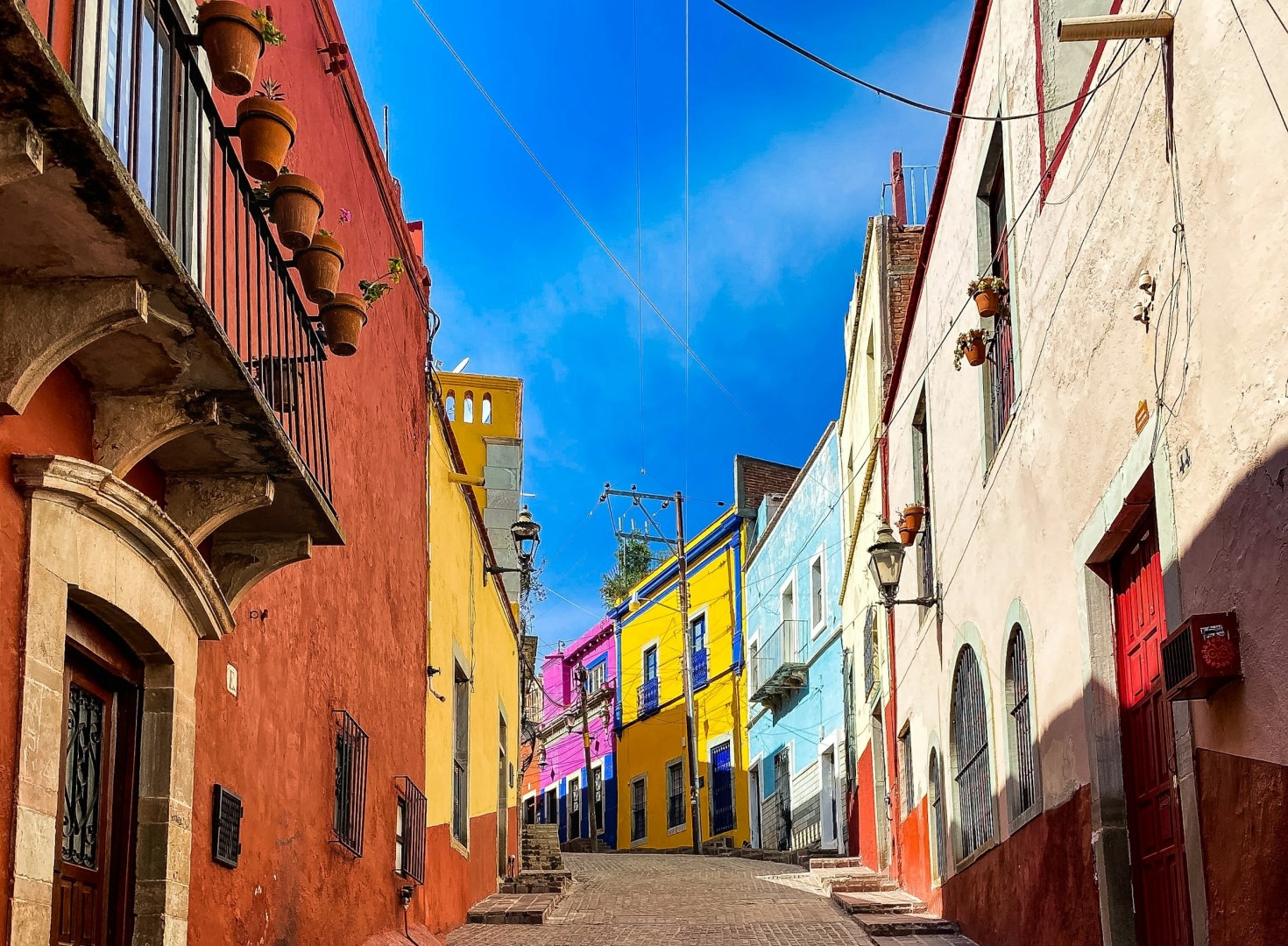
Guanajuato, a UNESCO World Heritage City nestled in the mountains of central Mexico, is a place where history is built into every hillside alley and underground tunnel. Today, visitors can still tour La Valenciana Mine, where centuries-old tunnels and original mining equipment offer a glimpse into the city's wealth-driven past. The nearby Templo de San Cayetano, built by mine owners in the mid-1700s, is a stunning example of baroque design, lined with gilded altars and intricate woodwork.
Nestled along Cambodia’s picturesque coastline, Sihanoukville offers an inviting retreat with its stunning beaches and vibrant culture. This coastal city, named after King Norodom Sihanouk, is renowned for its pristine white sand beaches and turquoise waters.
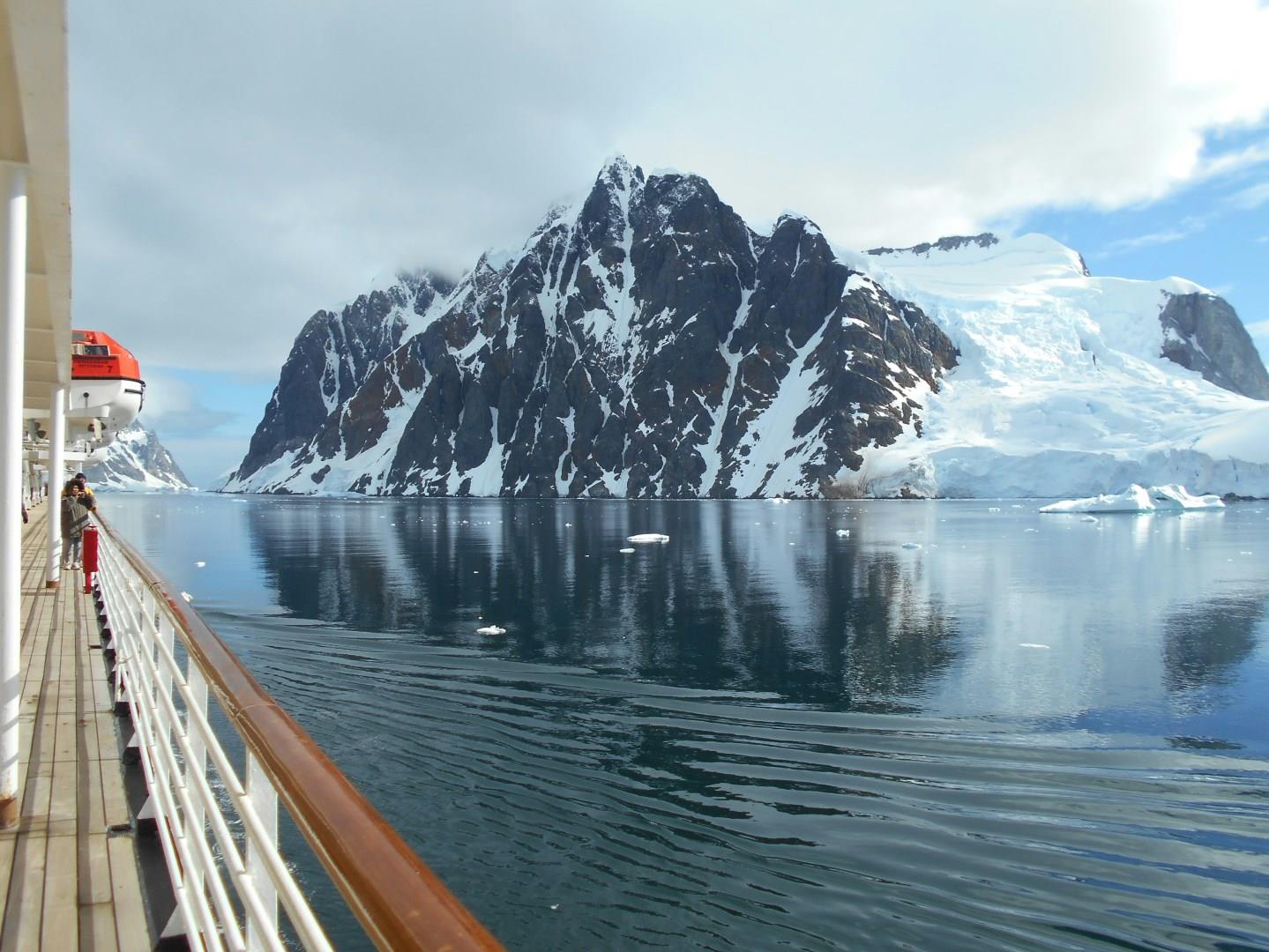
The Lemaire Channel is a spectacular sight with enormous sheer cliffs falling straight into the sea. It's a narrow channel flanked by the Antarctic Peninsula on one side and Booth Island on the other. So photogenic is the channel that it's nicknamed 'Kodak Gap', and it's only once you're well within it that a way through is visible. Unfortunately, ice can sometimes obscure the path and ships need to retreat and sail around Booth Island. At the northern end of Lemaire Channel are a pair of tall, rounded and often snow-capped peaks known as Una's Tits that are also popular with holiday snappers. The channel was first navigated by Belgian explorer de Gerlache during his 1898 expedition aboard Belgica, and, curiously, named it after the Belgian explorer Charles Lemaire, who explored parts of the Congo.
Other Popular Destinations in Antarctica
Antarctica
No place on Earth quite compares to Antarctica, this stunning and vast continent is cold and windy, containing 90% of the ice in the world. Those who brave a visit here are rewarded with beautiful glaciers that must be seen to be believed, and a vast array of wildlife such as whales, penguins, Arctic foxes and seals.
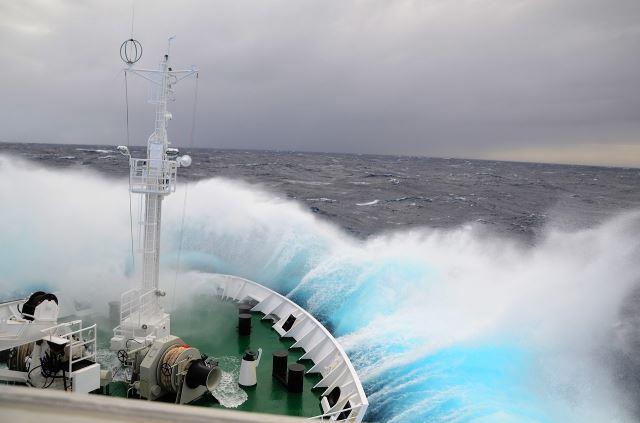
Drake Passage
Drake Passage is a stretch of ocean between Cape Horn at the southern tip of South America and the South Shetland Islands near Antarctica. It connects the Atlantic and Pacific Oceans and is widely known for rough seas, powerful currents, and rapidly changing weather.